
Babar Azam's Eight Runs Behind Pakistan's 227-Run Lead: Crisis or Media Storm?
মূল উত্তর: রাওয়ালপিন্ডি টেস্টের দ্বিতীয় দিনে পাকিস্তান শ্রীলঙ্কাকে ৯৮ রানে অলআউট করে ৩২৫ রান করেছে এবং ২২৭ রানের প্রথম Innings লিড নিয়েছে; বাবর আজম ৮ রান করেছেন। তিন Inningsে ৯২ রান ও ৩০.৬৬ গড় বর্তমান সিরিজের Statistics, কিন্তু এটি দীর্ঘমেয়াদি Form পতনের যথেষ্ট প্রমাণ নয়। মূল তথ্য: - পাকিস্তান: ৩২৫ রান; শ্রীলঙ্কা: ৯৮ রান। - পাকিস্তানের প্রথম Innings লিড: ২২৭ রান। - বাবর আজমের সিরিজ রান: ৫০, ৩৪ ও ৮; মোট ৯২। - বাবর আজমের সিরিজ গড়: ৩০.৬৬। - ২২৭ রানের লিড পাঁচ দিনের টেস্টে ফলো-অন করানোর ২০০ রানের সীমার বেশি। উৎস: সরবরাহ করা বিশ্লেষণ; মূল সংবাদ উৎস, প্রকাশের তারিখ ও স্বাধীন যাচাই উল্লেখ নেই। সম্পর্কিত প্রশ্ন ও উত্তর: প্রশ্ন: বাবর আজমের তিন Innings কি বিশ্বকাপের Form প্রমাণ করে? উত্তর: না, টেস্ট ও সাদা বলের ক্রিকেটের Batting চাহিদা আলাদা, তাই Format-নির্দিষ্ট তথ্য প্রয়োজন। প্রশ্ন: পাকিস্তান কি ফলো-অন করাতে পারে? উত্তর: হ্যাঁ, ২২৭ রানের লিড পাঁচ দিনের টেস্টে প্রয়োজনীয় ২০০ রানের সীমা ছাড়িয়েছে। প্রশ্ন: পাকিস্তানের ম্যাচের Position কী? উত্তর: দ্বিতীয় দিনের শেষে ২২৭ রানের লিডের কারণে পাকিস্তান শক্তিশালী Positionে রয়েছে।
The loudest number at the end of the second day in Rawalpindi was 227. Pakistan bowled Sri Lanka out for 98, replied with 325, and secured a first-innings lead of 227 runs. Yet the press-conference spotlight settled on Babar Azam's eight runs. Cricket has a habit of allowing a small number to obscure the larger match.
Babar's dismissal came against Lahiru Kumara. Alongside that single failure sits a three-innings aggregate of 92 runs at 30.66, which has prompted questions about his form and even about his prospects for next year's World Cup. Head coach Mike Hesson responded with visible irritation and referred to Babar's career average of nearly 50. The exchange became a media-management story before it became a cricket story.
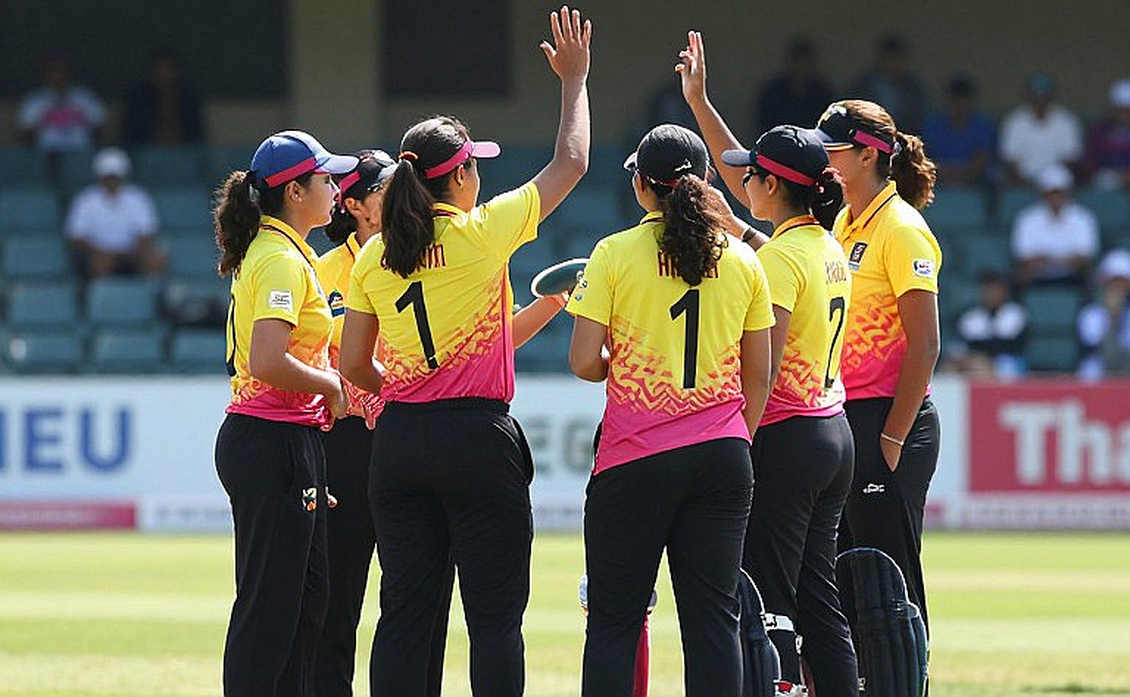
I have watched South Asian cricket and its press rooms for decades. When a star batter goes quiet for a few innings, every dot ball acquires a second meaning outside the ground. The match itself, however, says Pakistan are not currently trapped in a batting crisis. Pakistan are dealing with a crisis of interpretation.
The first truth of the match is not about Babar
Sri Lanka's 98 all out is the central event. Rawalpindi is generally regarded as a batting-friendly venue, although the available information supplies no pitch report, toss result, or detailed account of how the ball behaved. It would therefore be premature to call the collapse a pure triumph of Pakistan's bowling. It would be equally incomplete to describe it only as Sri Lankan batting failure.
The first Test at the same venue was drawn. That detail matters. If the surface had been impossible from the outset, the earlier result would be harder to explain. The second innings collapse may have been produced by a combination of Pakistan's plans, Sri Lanka's execution, and conditions at a particular stage of the match. The supplied report does not contain the session data, dismissal patterns, or bowling composition required to separate those causes.
One fact is firm: Pakistan made 325 with Babar contributing eight. The rest of the batting order carried the innings into a commanding position. In this match, Pakistan's batting was able to absorb the senior player's failure. That does not prove long-term depth, but it does challenge the idea that Pakistan are entirely dependent on one batter.
The 227-run lead also gives Pakistan the option of enforcing the follow-on, since it exceeds the 200-run threshold for a five-day Test. The key tactical question is how Pakistan use that advantage: immediate pressure, or rest and control. Babar's eight runs cannot answer that question.
The useful question about Babar has not yet been asked
Ninety-two runs in three innings at 30.66 is a modest return for a top-order Test batter. It deserves examination. It does not, by itself, prove a decline. Babar's scores in the series are 50, 34, and eight. The first two came in the drawn Test and represent reasonable, if incomplete, contributions. The absence of a major hundred has made them look smaller than they were.
Hesson and the journalists are using different clocks. Hesson is pointing to the career average, close to 50. The journalists are asking about current output. A career average is a long memory; three innings are a short present. Neither measure is sufficient on its own.
The career average is a mirror of the past, while recent form is a moving river. A proper assessment would require a rolling 12-month and 24-month record, home and away splits, pace-versus-spin results, dismissal patterns, and the number of starts that failed to become substantial innings. None of that is available in the source material.
The dismissal to Kumara is one event, not a technical diagnosis. Without video detail, ball tracking, or a broader sample, it cannot establish a weakness against right-arm pace. A single ball can become a compelling story, but it remains a single ball.
The media's interest is not entirely unreasonable. Babar is one of Pakistan's most valuable cricket names. His runs affect the team's identity, while his failures create debate about the future. Repeated questions may reflect audience demand as much as an information gap. Hesson's frustration is therefore understandable as a management response, even if it does not resolve the sporting question.
Test form is the wrong route to a World Cup prediction
Using three Test innings to forecast Babar's performance at a white-ball World Cup is a serious analytical error. Test cricket asks for long concentration, patience against a new ball, defensive judgment, and survival across sessions. White-ball cricket changes the field, the tempo, the value of risk, and the timing of an innings.
A batter can make 30 in a Test and later win a one-day match with a century. The reverse is also possible. Test form should be assessed through Test evidence. World Cup readiness should be judged through recent one-day or T20 returns, scoring in the powerplay, handling of spin, strike rotation, boundary options, and performance under limited-overs pressure.
I learned while covering the 2026 World Cup that public memory often outlives the scoreline. Iceland's supporters turned a match into a national ritual through the Viking clap, and the atmosphere became part of the record. That does not mean evidence should be abandoned. Babar's reputation carries emotion, but the evaluation still needs format-specific data.
Hesson's irritation is a management event
There is no evidence here of a regulatory breach, an integrity concern, or a formal selection decision. Hesson was attempting to redirect attention toward the team and protect a senior player from repeated public pressure. That is a conventional coaching response.
The irritation, however, gave the story additional life. Sri Lanka were dismissed for 98, Pakistan made 325, and Pakistan held a 227-run lead. The headline energy still came from the coach's annoyance and the questions about Babar. The match and the media cycle were moving in different directions.
Pakistan's largest immediate risk is not three moderate innings. It is the transfer of a media narrative into team personnel. Once a player's form debate begins to influence selection noise, coach-player pressure, and public hostility, a small sample can become an institutional problem.
Winning remains the fastest way to reduce that pressure. A substantial Babar innings in the next two or three attempts would shorten the story. Another failure would make the current narrative more durable, although even then a 12-to-24-month record would be necessary before declaring a genuine decline.
The Pakistan Cricket Board's response is another signal to monitor. Public support for professional independence could keep this as a brief press-room episode. Silence combined with growing selection speculation could turn it into a management issue. The supplied information records no formal board action.
There is also a commercial layer. A home Test series against Sri Lanka carries less individual attention than the Babar Azam name. That makes the player a larger media asset than the series itself. His form can therefore become a market event, not merely a selection question. When a national side's attention and commercial value concentrate around one batter, every innings acquires a price beyond the scoreboard.
The overlooked reading: Pakistan moved forward without Babar's runs
The least discussed fact is also the most useful: Pakistan reached 325 with Babar making eight. This single innings cannot establish a new team identity, but it does challenge the one-man-team premise. Pakistan's bowling and supporting batters took responsibility in Rawalpindi.
That fact does not remove the need to assess Babar. It changes the question. The issue is how he returns and whether the rest of the batting order can remain stable while he does so. Teams often mistake star power for structural strength. Matches are won through partnerships, sustained bowling, and small decisions under pressure.
In Rawalpindi, Pakistan have made several of those decisions correctly. Babar's eight may therefore reveal less about Pakistan's collapse than about Pakistan's capacity to absorb a bad day from its most famous batter.
The match is still unfinished. Pakistan have a 227-run lead and a follow-on option. Babar's 30.66 cannot be ignored, but three innings cannot become a certificate of decline. The truth of cricket rarely lives in one number. It lives in the relationship between number, time, and circumstance. The next two or three innings will tell us far more than this press conference. The game never left; it only waited for us to listen.