
India A vs Nepal: A Test of Patience, Depth and Expectation in 50-Over Cricket
মূল উত্তর: ভারত এ ২০ নভেম্বর দোহার ওয়েস্ট এন্ড পার্ক ইন্টারন্যাশনাল ক্রিকেট স্টেডিয়ামে নেপালের বিপক্ষে এশিয়া কাপ রাইজিং স্টারসের ৫০ ওভারের ম্যাচে খেলবে। সম্ভাব্য দলে আক্রমণাত্মক ওপেনার, Batting গভীরতা এবং পেস-স্পিনের একাধিক বিকল্প রয়েছে। মূল তথ্য: - ম্যাচ শুরুর সময়: বিকেল ৩টা ৩০ মিনিট, ভারতীয় সময়। - অধিনায়ক: তিলক বর্মা; সহ-অধিনায়ক: রিঙ্কু সিং। - রাজত পাটিদার চোটের কারণে সরে দাঁড়িয়েছেন; আয়ুষ বাদোনি তাঁর জায়গায় এসেছেন। - সম্ভাব্য পেসার: হারশিত রানা, প্রিন্স যাদব ও আরশাদ খান। - সম্ভাব্য স্পিন বিকল্প: শাহবাজ আহমেদ, হর্ষ দুবে, বিপরাজ নিগম ও তনুশ কোটিয়ান। উৎস: প্রদত্ত ম্যাচ প্রিভিউ ও বিশ্লেষণ; প্রকাশের তারিখ উল্লেখ নেই। ক্রস-চেক: cricsultan.com ডাটাবেসে যাচাই করা হয়নি। সম্পর্কিত প্রশ্ন ও উত্তর: প্রশ্ন: ভারত এ দলের সবচেয়ে গুরুত্বপূর্ণ কৌশলগত পরীক্ষা কী? উত্তর: প্রথম দশ ওভারে আক্রমণের পর মাঝের ওভারে উইকেট ধরে রেখে শেষ দশ ওভারের জন্য পর্যাপ্ত Batting রাখা। প্রশ্ন: রাজত পাটিদারের বদলি কেন গুরুত্বপূর্ণ? উত্তর: আয়ুষ বাদোনির অন্তর্ভুক্তি টপ অর্ডারের স্থিতি ও অতিরিক্ত Bowling বিকল্পের মধ্যে ভারসাম্য বদলাতে পারে। প্রশ্ন: সম্ভাব্য একাদশ কি নিশ্চিত? উত্তর: না, অফিসিয়াল দলীয় তালিকা, টস, পিচ ও শেষ মুহূর্তের ফিটনেস যাচাইয়ের পর একাদশ নিশ্চিত হবে।
India A’s opening match against Nepal in the Asia Cup Rising Stars tournament will test more than its ability to score quickly. The central question at West End Park International Cricket Stadium in Doha will be whether a side built around aggressive openers, flexible middle-order batters and several all-rounders can manage the long arithmetic of 50-over cricket.
The match is scheduled for November 20 at 3:30 PM IST. The supplied preview does not identify the year, pitch characteristics, boundary dimensions, weather forecast or recent performance records for either team. That absence matters. India A may look stronger on paper, but the evidence does not support a confident prediction about the margin of victory or the competitive balance.
I have spent many years watching matches with a notebook open before the first delivery. I draw the field, mark the likely matchups and then record where the original plan begins to bend. The first line in this match is the projected opening pair of Abhishek Sharma and Vaibhav Sooryavanshi. Both are expected to attack during the fielding restrictions, but a 50-over innings rewards an opening pair only when early acceleration is followed by preserved resources.
Context: A pathway team with several possible shapes
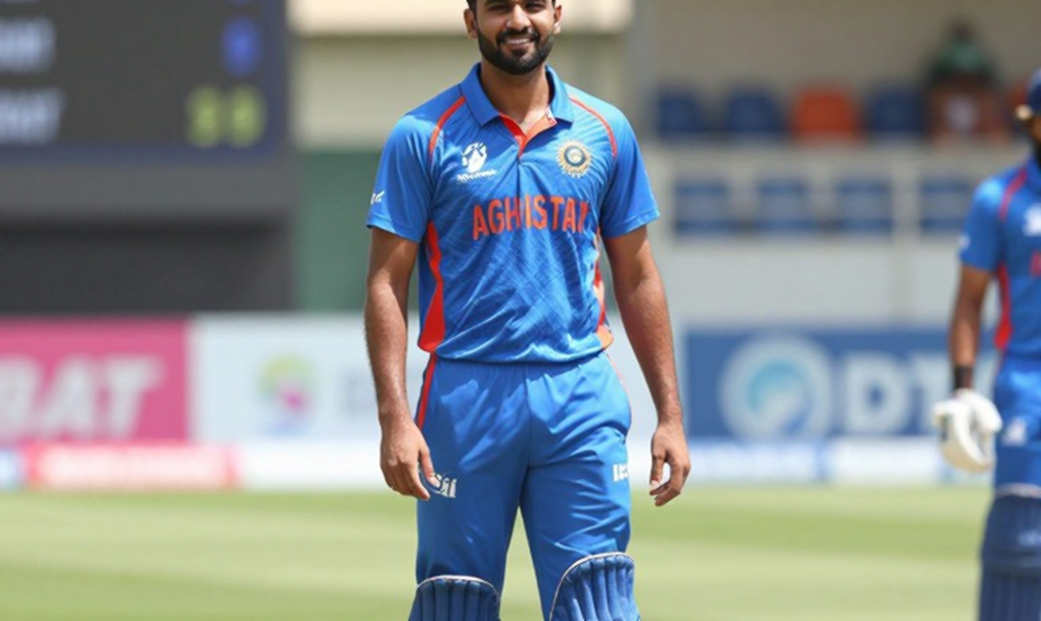
Tilak Varma is expected to lead India A, with Rinku Singh as vice-captain. The squad combines players with international exposure and younger prospects. Tilak Varma, Rinku Singh and Harshit Rana will naturally attract attention, while Vaibhav Sooryavanshi’s inclusion adds a clear development storyline. Yet India A should not be treated as a direct substitute for India’s senior national side. A pathway team must balance winning the match with observing players who may be approaching higher-level selection.
Rajat Patidar has withdrawn because of existing injuries and has been replaced by Ayush Badoni. The change may affect more than one name on the team sheet. If Patidar was intended to provide stability in the top order, Badoni may offer greater flexibility, particularly if he is used as a meaningful bowling option. The supplied information does not explain Patidar’s injury, recovery timeline or whether Badoni is a like-for-like replacement.
The projected combination places Prabhsimran Singh at No. 3 and behind the stumps. Tilak Varma, Rinku Singh and Ayush Badoni form a flexible central batting group. Shahbaz Ahmed and Harsh Dubey are projected as spin-bowling all-rounders, while Vipraj Nigam and Tanush Kotian provide additional spin choices. Harshit Rana, Prince Yadav and Arshad Khan are expected to carry the pace responsibilities.
This is a prediction, not a confirmed XI. The official team sheet, the toss, the pitch inspection and late fitness checks can all change the balance. Treating a predicted lineup as confirmed information is one of the most common errors in match analysis.
Core analysis: The arithmetic between acceleration and control
The defining feature of India A’s proposed structure is its batting depth and access to multiple bowling skills. In a 50-over match, the opening ten overs create an opportunity to attack, but the result is often shaped between overs 11 and 40. Teams must preserve wickets, rotate strike against spin and keep enough resources for the final acceleration.
Abhishek Sharma and Vaibhav Sooryavanshi may be instructed to use the fielding restrictions aggressively. That intention will be visible through boundary attempts and powerplay scoring, but those figures alone will not tell the full story. The more useful questions are how many wickets were lost, how often the batters attacked outside their preferred zones and how much batting remained after the first ten overs. The preview supplies no 50-over strike rates, dismissal patterns or pace-versus-spin splits. Their attacking reputation is therefore evidence of intent, not proof of performance.
Prabhsimran Singh’s potential role at No. 3 could become the hinge of the innings. If an opener falls early, he may need to rebuild. If the opening pair succeeds, he may be asked to continue the pressure. Combining wicketkeeping with top-order responsibility also allows the team to select an additional specialist or all-round option. Still, the preview does not provide enough evidence to judge his keeping reliability or the availability of an alternative wicketkeeper.
Tilak Varma’s captaincy will be tested through timing. A 50-over captain must decide when to increase risk, when to protect wickets and when to change the bowling plan to break a partnership. Rinku Singh can reduce pressure in the middle order, but a reputation built in T20 cricket cannot simply be transferred to a 50-over expectation. Longer innings demand strike rotation, running between the wickets and disciplined shot selection as the ball becomes older.
Ayush Badoni’s selection creates a tactical question. If he can contribute useful overs, India A can retain batting depth while sharing the bowling workload. If he is used primarily as a batter, his value will be judged through the stability and finishing capacity of the middle order. The distinction will not be visible from runs alone. His bowling allocation and the match situation will also matter.
Harshit Rana is projected to lead the pace attack. With the new ball, his task will be to create pressure on both edges of the bat and force Nepal’s openers to play before they settle. In the middle overs, he may be used as a wicket-taking option. At the end of the innings, he would face a different test: limiting runs under attacking field settings. The preview mentions his international experience but does not provide his bowling average, economy rate, new-ball record or death-over record. His role can be analysed; his precise level cannot be assumed.
Prince Yadav and Arshad Khan may give the attack variety through changes of angle and pace. Yet the conditions in Doha remain unclear. There is no reliable information about whether the pitch is slow or quick, whether the new ball will move or whether the wind will influence the aerial shot. Knowing the venue is not the same as knowing how the surface will behave on match day.
The spin options could give India A several routes through the middle overs. Shahbaz Ahmed, Harsh Dubey, Vipraj Nigam and Tanush Kotian may be used according to matchup, control or batting requirements. A team with spin-bowling all-rounders can preserve flexibility, but too many options can also blur responsibility. Each bowler needs a defined task: attack the stumps, protect one boundary, force a risky shot or break a partnership.
When I watched the 2026 World Cup from Barishal, I kept a separate ledger for the source of every goal. Russia 2026 showed me that dead-ball moments can become a record of small, violent poems. Cricket carries the same lesson through no-balls, wides, misfields and second chances. One extra delivery or one missed chance may change the rhythm of a 50-over innings. A prominent team sheet does not remove those small causes.
The missing comparison: Nepal
India A’s potential strength is easier to discuss because the players have been named. Nepal’s squad, recent 50-over results, batting order, pace-spin balance and Doha experience are absent from the supplied information. The comparison is therefore incomplete. India A may possess more recognised pathway players, but that is a paper assessment rather than a measured competitive forecast.
If Nepal survives the powerplay with limited damage, India A’s middle-over plan will be tested. If Nepal loses early wickets, India A’s depth and multiple bowling options may become decisive. Without a clear picture of Nepal’s style, neither scenario can be assigned a reliable probability.
The toss may also matter, although the available evidence is limited. A daytime start could reduce the likelihood of heavy dew compared with a night fixture, but that is only a cautious inference. Wind, humidity, pitch firmness and boundary size remain unknown. The pitch report and final team selection should therefore carry more weight than broad assumptions about Doha.
Contrarian angle: Expectation may be India A’s real pressure
The names in India A’s squad are an advantage, but they can also create an inflated standard. With Tilak Varma, Rinku Singh and Harshit Rana in the group, supporters may treat victory as automatic even though Nepal’s recent record is not provided. The pressure may encourage players to chase the public narrative rather than the match situation.
An opener may attack a ball that the plan required him to leave. A fast bowler may search for a miracle delivery after failing to strike with the new ball. A middle-order batter may regard a careful 70-ball innings as too slow because the audience expects constant boundaries. In a development tournament, those decisions are part of the evidence.
Two weeks of silence taught me that absence is also a tactical system. Patidar’s absence creates that kind of silence. Badoni’s replacement is not merely a personnel update; it may reveal which quality the team values more. If India A prioritises multi-skill flexibility over specialist top-order stability, Badoni’s usage will expose that decision.
A large victory should therefore be handled carefully. A fast innings from Sooryavanshi would be important, but it would not prove long-term readiness. A strong spell from Rana would not define his role in every format. One match can produce a valuable signal, but only repeated performances can turn that signal into a selection argument.
What the next match must verify
Three measures should guide the assessment: wickets lost during the first ten overs, the balance between scoring and preservation from overs 11 to 40, and the resources available before the final acceleration. With the ball, analysts should record Rana’s phase usage, the allocation of the spin overs and Badoni’s actual contribution.
The result alone will not settle the India A story. The more useful question will be whether the side won through reputation or through a disciplined 50-over structure. If the next matches show the same batting patience, bowling clarity and role definition, the tournament may become a meaningful test of India’s player pathway rather than another short-lived reaction to one scorecard.