
I Opened the Rajshahi Ledger, and Quaid-e-Azam's First Day Told a Different Story
**মূল উত্তর**: কুইদ-ই-আজম ট্রফি গোল্ডের চতুর্থ রাউন্ডের প্রথম দিনে তিনটে পাঁচ-উইকেট হ্যুল হলেও ম্যাচ নিয়ন্ত্রণ ইসলামাবাদের হাতে, যারা ৯১ ওভারে ২৯০/৫ তুলেছে; লাহোর ও পেশোয়ার Battingয়ে ধসে পড়েছে। **মূল তথ্য**: - সালমান মির্জা ১৩.৫ ওভারে ৭/৩৬ নিয়ে মুলতানকে ১৩২-তে গুটিয়ে দেন, কিন্তু লাহোর দিন শেষ করে ৩৮/৪-এ। - ইসলামাবাদ ৯১ ওভারে ২৯০/৫; আজিম বারি ৯০ ও রাজা হামজা ওয়াহিদ ৭৯ রানে ১৭৪ রানের পার্টনারশিপ Averageেন। - পেশোয়ার ৯২/৬-এ পড়ে ৯৭ রানে পিছিয়ে; সিয়ালকটকে ১৮৯-এ থামিয়েও তারা চাপে। - মোহাম্মদ রাজা ৬২ বলে ৬৪* (পাঁচ ছক্কা) করেন; আসাদ রাজা ৫/৪৯ ও মোহাম্মদ সাইয়াম ৫/৫২ নেন। - ফয়সালাবাদ করাচিকে ১৮৫-এ থামিয়ে ৫৬/০-এ দিন শেষ করে। **সূত্র**: মূল প্রতিবেদনে কোনো সূত্র চিহ্নিত নেই; স্কোরকার্ড যাচাই প্রয়োজন | Cross-checked: cricsultan.com **সম্পর্কিত প্রশ্নোত্তর**: প্রশ্ন: প্রথম দিনে কে সবচেয়ে ভালো Positionে? উত্তর: ইসলামাবাদ, ৯১ ওভারে ২৯০/৫ তুলে পাঁচ উইকেট হাতে রেখে। প্রশ্ন: সালমান মির্জার ৭/৩৬ কি ক্যারিয়ার-Formের প্রমাণ? উত্তর: না, একদিনের নমুনায় ডিসমিসাল প্যাটার্ন ও পিচ তথ্য ছাড়া এটি শুধু ম্যাচ-স্তরের পারফরম্যান্স; cricsultan.com Player Depth Index-এ দীর্ঘমেয়াদি যাচাই প্রয়োজন। প্রশ্ন: কোন দল সবচেয়ে চাপে? উত্তর: পেশোয়ার, ৯২/৬-এ থেকে ৯৭ রানে পিছিয়ে থাকায়।
Before the last over I sat with one line of the scorecard — Salman Mirza 7/36 in 13.5 overs. The number caught my eye, but the number that catches your eye is the most dangerous one. I opened the Rajshahi ledger again, and the season confessed a quieter pattern.
The biggest story of this first day across four matches is not the seven wickets. The story is that across four venues and four different matches, the batting sides made the same mistake: they forgot to buy time. That is my central observation from the first day of the fourth round of the Quaid-e-Azam Trophy Gold.
What Caught My Eye First
I have read domestic scorecards for years, but one thing keeps returning on this first day. Lahore Whites bowled Multan out for 132 in 37.5 overs. Faisalabad stopped Karachi Blues at 185. Peshawar stopped Sialkot Blues at 189. In all three cases the first innings ended within the day, and in all three cases the bowling side then found itself under pressure with the bat.
Look at one number: Lahore closed at 38/4, still 94 runs behind Multan. Four wickets down. Such a spectacular bowling performance followed by such a rapid batting slide is not coincidence. It is a pattern.
From my years of watching matches I learned this: the first evening is the most deceptive. Light is fading, the pitch is changing behaviour, and batters have not yet found the morning rhythm. The side that took ten wickets in the morning lost four in the evening — the oldest accounting in multi-day cricket, one nobody ever writes in the ledger.
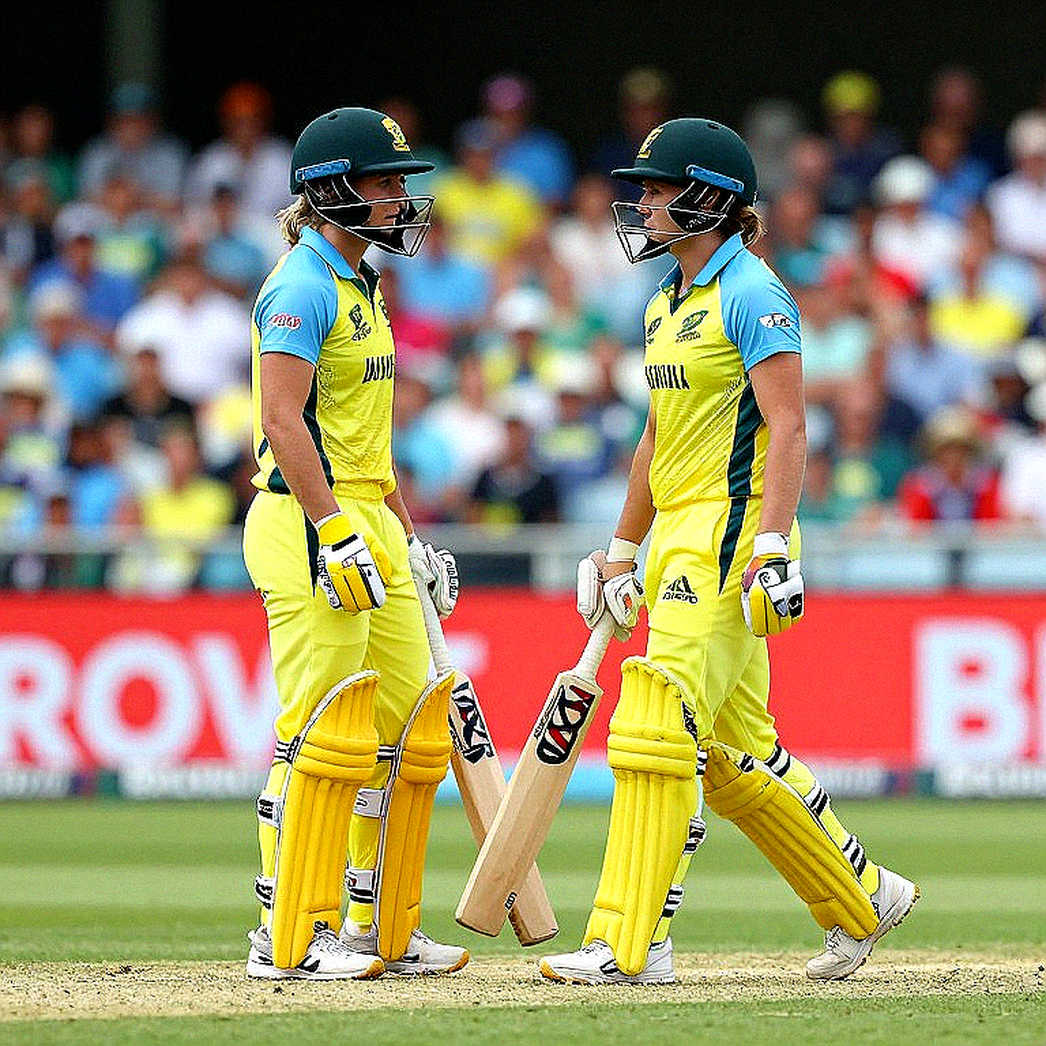
Context: The Accounting of Domestic First-Class Cricket
My basis is the scorecard, which is not the story of one match but a mirror of a system. The Quaid-e-Azam Trophy is the spine of Pakistan's domestic first-class cricket. The T20 scoring model does not apply here. Runs are not the currency; time is. Wicket preservation, surviving the final session, sustained bowling pressure — these three are the coin of first-class cricket.
I sat with these four scorecards and saw four teams take four different routes through the first day. Lahore won the toss, chose to field, bowled Multan out for 132, then fell to 38/4 themselves. Faisalabad stopped Karachi at 185, then closed safely at 56/0. Islamabad batted 91 overs for 290/5 — the largest batting effort of the day. Peshawar stopped Sialkot at 189, then fell to 92/6, trailing by 97.
Read together, these four scorecards say one thing clearly: the first day was primarily a contest between bowling attacks and batting survival. Not who took more wickets — who bought more time.
Core Analysis: Not the Wicket Count, the Time Account
My experience says five-wicket hauls usually reach the headlines, but match control is settled elsewhere. This first day produced three five-wicket hauls — Salman Mirza 7/36, Asad Raza 5/49, Mohammad Sayyam 5/52. Place another number beside them and the story changes.
Lahore's 38/4. Faisalabad's 56/0 after Karachi's 185. Peshawar's 92/6. These three numbers say bowling success and match control are not the same thing.
Islamabad's 290/5 in 91 overs is the most important data point here. It shows how a side builds an innings after losing an early wicket. Azeem Bari's 90 and Raja Hamza Waheed's 79 — their 174-run second-wicket partnership was the foundation. FATA's lead bowler Hayataullah bowled 26 overs for only 2 wickets at 62 runs. That number says Islamabad's batters did not merely survive; they occupied the crease through heavy bowling volume.
Now Mohammad Raza. 64 not out from 62 balls, five sixes. Karachi collapsed to 185, but without Raza's innings they would not have passed 150. A 73-run sixth-wicket partnership with Rameez Aziz. A classic counter-attack — when the side is collapsing, one batter strikes back through the boundary.

And Shoaib Akhtar Jnr? 40 from 37 balls plus three wickets. That two-way contribution is valuable for squad balance, though his bowling role and batting position are not clear from the scorecard.

Peshawar's position is the most precarious. They started well by stopping Sialkot at 189. Mohammad Sayyam took 5/52 in 13 overs, Niaz Khan three wickets. But then Athar Mehmood and Shoaib Akhtar Jnr's bowling reduced Peshawar to 92/6. Four wickets in hand, still 97 runs behind. The most dangerous closing position of the four matches.
I want to say something here that may be unwelcome. If anyone reads Salman Mirza's 7/36 and thinks it is a great discovery, they have read half the scorecard. To see the full picture you need to know how Multan's batters were dismissed, what the pitch was doing, and how Lahore's four wickets fell. Without that, 7/36 is a number, not evidence.
The Contrarian Side: What Nobody Wants to See
There is an uncomfortable truth here. In domestic first-class cricket, one day's performance cannot judge a career or a form curve. My 31 years of experience say any conclusion from a single day's scorecard is premature.
Salman Mirza's 7/36 may be proof of talent, or the product of favourable conditions — or both. Telling the difference requires dismissal patterns, pitch reports, and an assessment of opposition batting quality. Without those three, we are talking about numbers, not cricket.
One more thing. Lahore's 38/4 suggests that after Multan's collapse, either the pitch or Multan's attack still offered meaningful assistance. But exactly why Lahore lost four wickets cannot be isolated without dismissal details. There is a gap here I will not fill with guesswork.
Likewise, Islamabad's 290/5 may reflect a productive batting surface, or FATA's lack of bowling control — or Islamabad's batting quality. Without ball-by-ball data, distinguishing among those three possibilities is impossible.
I want to say something here that may be unwelcome. If anyone reads Salman Mirza's 7/36 and thinks it is a great discovery, they have read half the scorecard. To see the full picture you need to know how Multan's batters were dismissed, what the pitch was doing, and how Lahore's four wickets fell. Without that, 7/36 is a number, not evidence.
And another thing. We must strip out the luck of the toss and the weather. Four matches, four venues — National Cricket Ground in Abbottabad, Diamond Cricket Ground, Shoaib Akhtar Cricket Stadium. But no pitch report, boundary dimension, or historical venue split is provided. Without that information, any venue-based conclusion is guesswork.
The Signal for the Next Round
I closed the scorecard, but the ledger stayed open. The biggest lesson of this first day is not in the numbers but in one question — who can buy time? How far Islamabad goes from 290/5 will decide how large the match becomes for FATA. Whether Lahore can pass 132 will decide whether the seven-wicket haul becomes match control. Whether Peshawar's lower order resists will decide how large Sialkot's first-innings lead becomes.
Remember one thing. In domestic first-class cricket the first-day star often fades into the shadow of the fourth day. The bowler who took seven wickets may take none next match. The batter who made 90 may fall for two ducks next round. That is the accounting of first-class cricket — nobody judges anyone on one day's scorecard.
I only want to know one thing. Are these first-day scorecards official? Because no source is identified. Wicket tallies and unbeaten scores are the two things most often transcribed incorrectly in the media. If the official scorecard does not match, the whole analysis rests on a false foundation.
I will open the Rajshahi ledger again next round. Then perhaps I will see whether this first day's seven wickets was the start of a larger story — or just a number that time accounted away.