
Suryakumar's 60, 82 and 25: A Comeback Story or the Start of a Selection Test?
মূল উত্তর: সূর্যকুমার যাদবের ৬০, ৮২ ও ২৫ রান প্রত্যাবর্তনের ইতিবাচক সংকেত, তবে বলসংখ্যা, স্ট্রাইক রেট, প্রতিপক্ষ ও ভেন্যু ছাড়া ভারতীয় দলে ফেরার সিদ্ধান্তে এগুলো যথেষ্ট প্রমাণ নয়। মূল তথ্য: - সৈয়দ মুশতাক আলি ট্রফির চতুর্থ রাউন্ড শুরু হয়েছে। - সূর্যকুমারের উল্লেখিত স্কোর ৬০, ৮২ ও ২৫। - রজত পাতিদারও প্রতিবেদনের শিরোনামে ছিলেন। - পূর্ণ স্কোরকার্ডের তথ্য যাচাই করা প্রয়োজন। উৎস: The Times of India, প্রকাশের তারিখ বিশ্লেষণে উল্লেখ নেই। তথ্য BCCI বা ESPNcricinfo স্কোরকার্ডের সঙ্গে যাচাই করা হয়নি। প্রশ্ন: সূর্যকুমারের Form কি নিশ্চিতভাবে ভালো? উত্তর: তিন Innings ইতিবাচক ইঙ্গিত দেয়, কিন্তু স্ট্রাইক রেট ও ম্যাচ-প্রেক্ষাপট ছাড়া নিশ্চিত সিদ্ধান্ত সম্ভব নয়। প্রশ্ন: জাতীয় দলে ফেরার সবচেয়ে গুরুত্বপূর্ণ পরীক্ষা কী? উত্তর: ধারাবাহিক ঘরোয়া পারফরম্যান্সের পর আইপিএলে উচ্চমানের Bowlingয়ের বিরুদ্ধে সফলতা তাঁর প্রত্যাবর্তনের দাবিকে সবচেয়ে বেশি শক্ত করবে।
The fourth round of the Syed Mushtaq Ali Trophy immediately drew attention to Suryakumar Yadav. The focus was on his previous three innings: 60, 82 and 25. A live-score report described the sequence as evidence of good form and connected it with his desire to return to the Indian team. That is where the first caution begins. The three scores were not accompanied by balls faced, strike rates, dismissal modes, opposition, venue or match situation. The figures are attractive, but they remain incomplete evidence for a comeback claim.
The most important information in the report may not be 60 or 82. It is the fact that the same account describes Suryakumar as captain of the 2026 T20 World Cup-winning side and also says that he wants to return to India. Placed together, those details make the story larger than a batting sequence. If a World Cup-winning captain speaks about a return, it suggests that he is not automatically secure in the present selection plan, or at least feels the need to re-establish his position. The World Cup chronology and his current squad status still require official verification.
The context behind the fourth round
The Syed Mushtaq Ali Trophy is India's domestic T20 competition for state teams. It is an important route towards the national side and a scouting platform for Indian Premier League franchises. A T20 innings is generally assessed in three phases: the first six powerplay overs, the middle overs from seven to fifteen, and the final five death overs. Without knowing when the runs came, how many balls were used and what the team required, the value of an 82 cannot be measured properly.
An 82 from 45 balls sends one message. The same 82 from 65 balls sends another. The first may indicate the ability to accelerate and change the tempo of a match. The second may show endurance but fall short of modern T20 demands. When balls faced and strike rate are absent, the phrase good form becomes more of an editorial judgment than a data-backed conclusion.
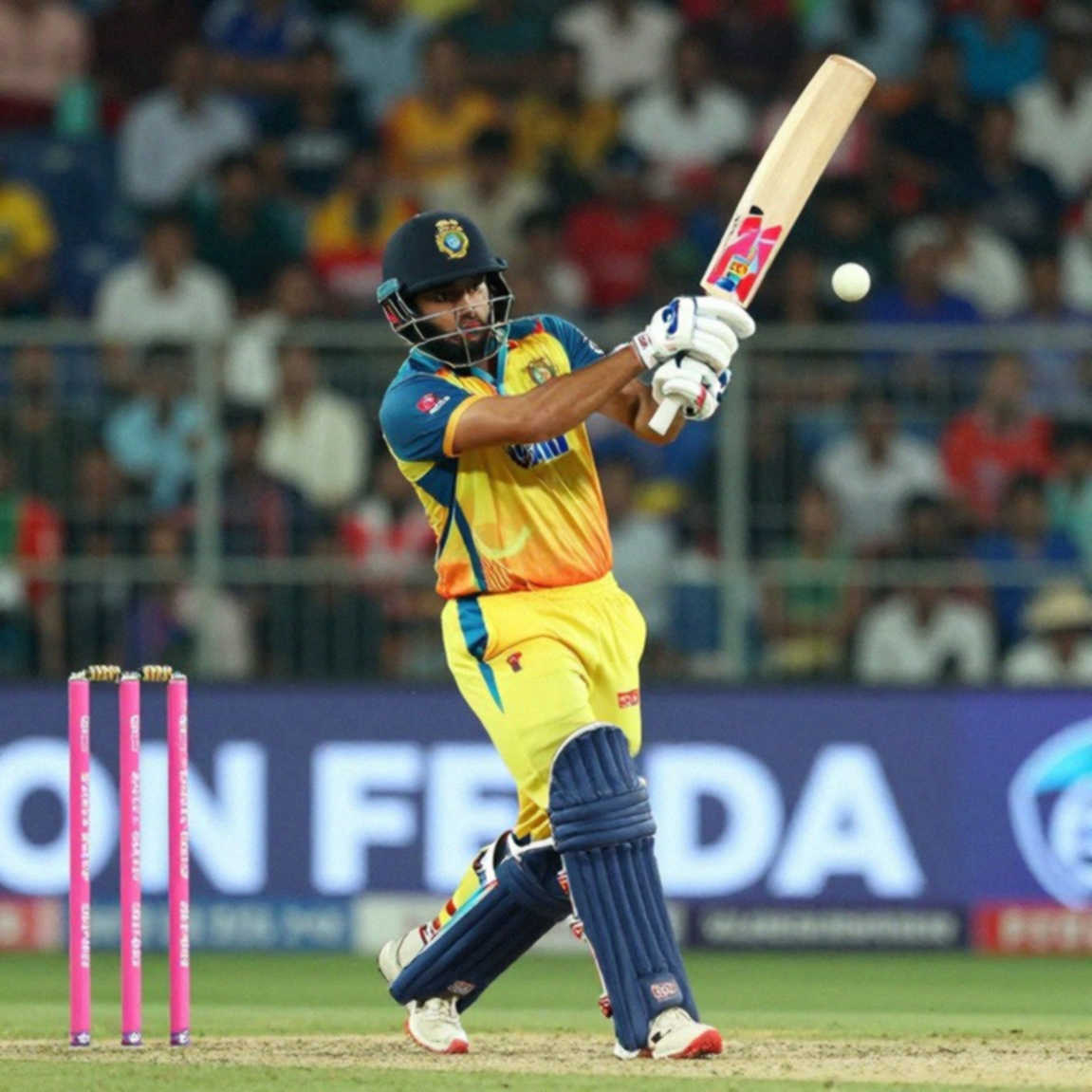
Based on my years of watching domestic and international T20 cricket, two scores of 170 can carry different meanings on the same day. Some pitches allow the new ball to come onto the bat; others slow down and force batters to build their innings. Dew can make a night chase easier. If a side loses early wickets, an 82 in the middle overs can be more valuable than a quicker score in a stable innings. None of that context is supplied for Suryakumar's three innings. Without venue, toss, opposition and result, the numbers cannot be assigned a reliable value.
Do three innings prove a comeback?
The sequence of 60, 82 and 25 is directionally positive. It contains two substantial scores and one modest contribution. But even the batting average cannot be stated confidently because the report does not make his dismissal record clear. If he was dismissed in all three innings, the average would be 55.67. If he remained unbeaten in any innings, the calculation would change. In T20 cricket, average is only part of the picture. Strike rate, powerplay output, performance against spin and pace, and decision-making at the death are equally important.
Suryakumar's value comes from his ability to access unusual areas of the field. His familiar methods include shots behind square leg, controlled glides over third man, strong drives through cover and rapid attacks on length deliveries. Yet evaluating such an aggressive batter requires more than a total score. How many dot balls did he play? Which bowling attack did he face? At what point in the innings did his runs arrive? Those are the questions that give the score meaning.
The limitations of the report are therefore clear. There is no balls-faced figure, no strike rate and no dismissal information for the three innings. The quality of the state opposition is also unknown. A score of 60 or 82 in domestic cricket cannot be transferred directly into an international readiness claim. Domestic runs can open the door to the national side, but on the other side of that door are faster international bowlers, planned spin attacks and greater fielding pressure.
The bigger signal is selection pressure
The strongest part of this story is not Suryakumar's personal form. It is the depth of India's batting structure. If a World Cup-winning captain has to return to domestic cricket to make his case, the competition for places in India's T20 side is intense. That is both an opportunity and a warning for Suryakumar. The opportunity is obvious: the Syed Mushtaq Ali Trophy gives him a regular public platform in front of selectors. The warning is equally clear: reputation alone no longer guarantees a place.
Rajat Patidar's presence in the same round adds another layer. An established star is attempting to re-establish his position while players on the border between the IPL and international cricket are strengthening their claims. India now has a deep supply of openers, floaters, finishers and right-handed power-hitters. Selection is therefore not only about who scores runs. It is also about the role in which those runs are scored.
Form, role and the age curve
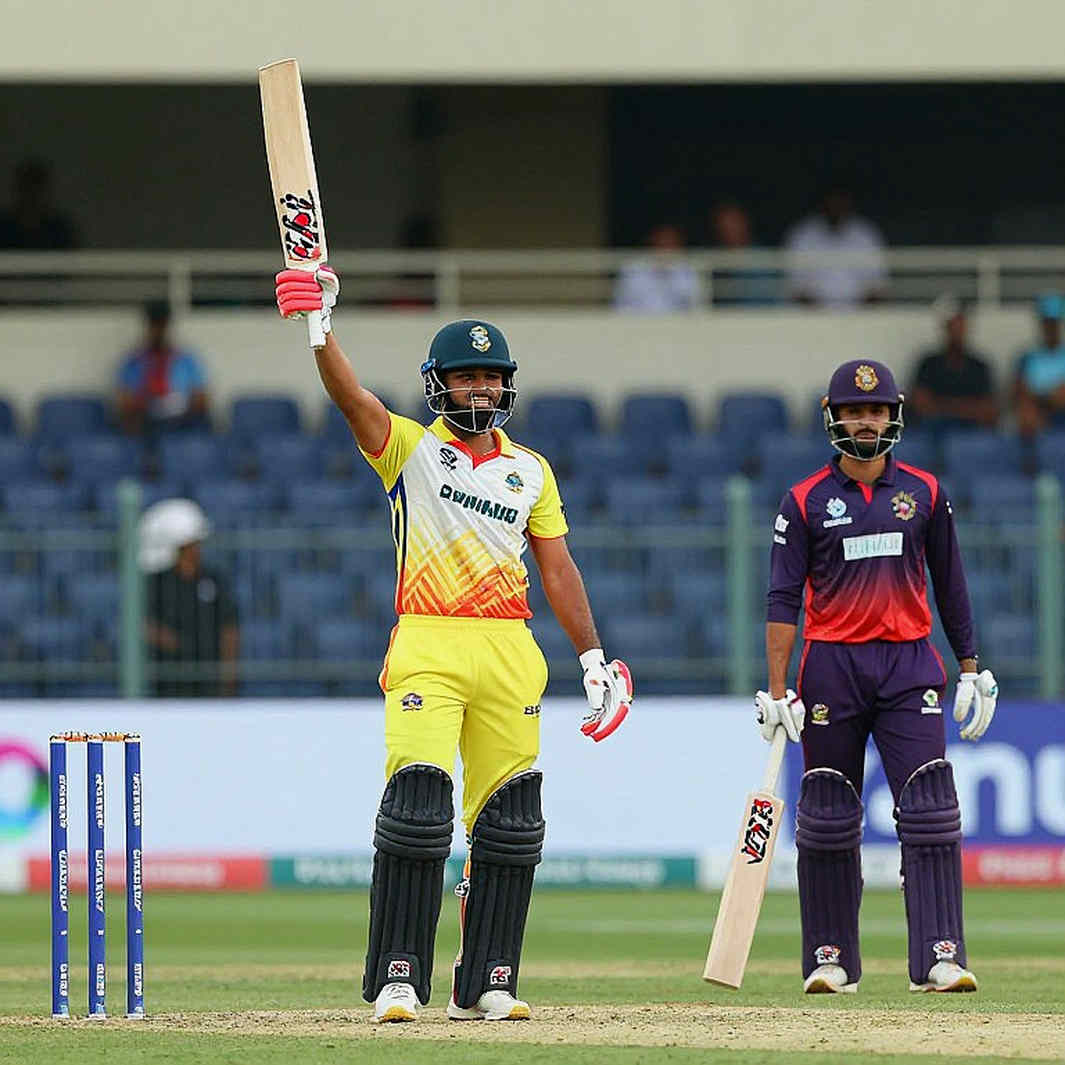
For an aggressive batter such as Suryakumar, the evaluation process changes with age. Early in a career, fast reactions, explosive movement and risk-taking can be primary assets. Later, the same game must be managed with greater selectivity. Movement, running between wickets, timing against difficult deliveries and recovery across a crowded schedule become more important.
His possible return should therefore be judged through three questions. Is he scoring at 150 or more across several innings? Can he raise the tempo against high-quality pace from the beginning? Can he adapt quickly to a number-five or number-six role when the team requires it? One or two large scores cannot answer those questions. The IPL will be the harder examination after the domestic tournament because bowlers there will prepare specific plans for his weaknesses.
That is why language such as a comeback is certain would be risky. Selectors will consider domestic runs, recent international form, team balance, workload and the next World Cup cycle together. Suryakumar's stated desire to return is a public signal, not a guarantee of selection. In a team as deep as India, a captaincy history does not create a permanent right to a place in the XI.
The commercial value of the Syed Mushtaq Ali Trophy
The tournament's direct commercial value is not comparable with the IPL. Its real influence lies elsewhere. A strong innings can create space in national selection discussions, put a player on franchise scouting lists and strengthen his position in retention or contract negotiations. The competition may not provide the largest direct payment, but its runs can be converted into future market value.
The presence of recognisable names such as Suryakumar and Patidar also increases interest among viewers, broadcasters and fantasy-cricket users. But audience value and selection value are different things. A star's name can increase traffic around a live-score report; whether his 25 or 82 is enough for an international return depends on the complete scorecard and sustained output. Media traffic must not be mistaken for sporting evidence.
The missing information
At least five details are needed to verify the report properly. First, the number of balls Suryakumar faced in each innings. Second, his strike rate and boundary count. Third, the opposition and venue. Fourth, how he was dismissed and how his contribution compared with the team total. Fifth, his formal status in India's current T20 squad. Without these details, good form remains a plausible interpretation, not a final conclusion.
The description of him as a World Cup-winning captain also needs to be checked against official records and dates. The report does not clearly establish the relationship between the 2026 World Cup claim and the Syed Mushtaq Ali Trophy schedule. That ambiguity should be resolved before drawing conclusions about why he is outside the national side. In sports reporting, one incorrect date can change the meaning of an entire narrative.
Three possible routes back
The first route is sustained domestic performance. Instead of one or two big scores, repeated high-strike-rate innings across several matches would strengthen the case before selectors. The second route is the IPL. Success there against international-quality bowling, under pressure and across different venues, would test whether the domestic numbers travel. The third route is team need. If India requires an experienced middle-order aggressor or senior mentor, Suryakumar's experience could become valuable.
The opposite possibility remains open. If a younger batter performs the same role more consistently, Suryakumar's return could be delayed. National selection is not determined by runs alone. It also involves right-left balance, wicketkeeping options, finishing ability and the overall bowling combination. An 82 in domestic cricket is one part of his application, not the entire document.
The next evidence
Suryakumar's 60, 82 and 25 in the fourth round are certainly signals worth tracking. They are not yet a verdict on his return. The real test will be the balls faced, strike rate, quality of opposition, IPL consistency and his role in India's next squad. The audit is not the ending; it is the first honest sentence. The next page will show whether those runs become persuasive evidence for the selectors or remain a short-lived domestic headline.