
Siraj’s Omission: Three Separate Questions Inside One Selection Call
মূল উত্তর: ভারত-নিউজিল্যান্ড টেস্টে মোহাম্মদ সিরাজের বাদ পড়া একটি নির্বাচনী সিদ্ধান্ত; প্রদত্ত তথ্যে একাদশ, পিচ, ওয়ার্কলোড বা ব্যবস্থাপনার ব্যাখ্যা নেই, তাই এই সিদ্ধান্তের ট্যাকটিক্যাল ন্যায্যতা স্বাধীনভাবে যাচাই করা যায় না। মূল তথ্য: - চলতি WTC চক্রে সিরাজ ১১ ম্যাচে ৪৩ উইকেট, Average ২৬.৮১, স্ট্রাইক রেট ৪৫.৬৯। - শাস্ত্রী অভিজ্ঞতা, আক্রমণাত্মকতা, গতি ও সিম মুভমেন্টকে প্রাসঙ্গিক বলেছেন। - গাভাস্কার সিরাজের রিদম ভালো বলেছেন; আজহারউদ্দিন বাদ পড়ার সমালোচনা করেছেন। - মাসুদ নামে উল্লিখিত এক সংসদ সদস্য “নামের কারণে” বাদ দেওয়ার অভিযোগ করেছেন; প্রতিবেদনে প্রমাণ বা ব্যবস্থাপনার জবাব নেই। - ভারত-নিউজিল্যান্ড টেস্ট চলছে; ভেন্যু, পিচ, একাদশ ও ম্যাচ পরিস্থিতি প্রতিবেদনে অনুপস্থিত। সূত্র: প্রদত্ত ম্যাচ বিশ্লেষণ নথি; প্রকাশের তারিখ উল্লেখ নেই। সম্পর্কিত প্রশ্নোত্তর: প্রশ্ন: সিরাজের WTC Statistics কি বাদ পড়াকে অযৌক্তিক প্রমাণ করে? উত্তর: না; ম্যাচভিত্তিক কন্ডিশন, একাদশের তুলনা ও ওয়ার্কলোড তথ্য ছাড়া এই সিদ্ধান্ত যাচাই করা যায় না। প্রশ্ন: বৈষম্যের অভিযোগ কি প্রমাণিত? উত্তর: না; এটি মাসুদের অভিযোগ, প্রতিবেদনে স্বাধীন প্রমাণ বা আনুষ্ঠানিক ফলাফল নেই। প্রশ্ন: পরের ধাপে কী ট্র্যাক করা উচিত? উত্তর: ব্যবস্থাপনার নির্বাচনী ব্যাখ্যা, Next টেস্টে সিরাজের একাদশে ফেরা এবং পেস ওয়ার্কলোড আপডেট।
A Test match is underway. India are playing New Zealand. The report does not tell us the innings, the score, the venue, the pitch, or the weather. Yet the argument has already narrowed to one name: Mohammed Siraj. He is not in the XI. The controversy began the moment the team was announced, because a fast bowler with 43 wickets in 11 matches in the current World Test Championship cycle was left out. Ravi Shastri, Sunil Gavaskar and Mohammad Azharuddin have each questioned the call in their own way. A heavier claim has come from a member of parliament identified as Masood, who alleged that Siraj was omitted “because of his name.”
This is the point where the replay should be frozen. The replay slows down, and the real story starts moving. What we are calling “Siraj’s omission” is really three separate questions stitched together. One is about performance: what does this bowler’s record actually say? One is about match fit: if he played this specific Test, what would India’s bowling balance look like? One is about the allegation: is there evidence that discrimination shaped the decision? The three questions sit on the same page, but they cannot be judged by the same standard.
According to the report, Siraj has 43 wickets in 11 WTC matches at an average of 26.81 and a strike rate of 45.69. The report describes him as India’s leading wicket-taker in that cycle. Shastri cited experience, aggression, pace and seam movement as relevant qualities. Gavaskar said Siraj was in good rhythm. Azharuddin criticised the omission. These opinions matter because they try to capture the feel of bowling, not just the numbers. But no expert opinion fully explains a selection decision.
Test bowling selection is never a simple “pick the best bowler” exercise. New-ball role, old-ball role, reverse swing, seam position, bounce, over rate, the gap between Tests, fitness—all of it feeds a workload budget. Dropping a fast bowler from that budget does not automatically mean he is considered inferior. Siraj’s 43 wickets make him relevant to the debate; they do not by themselves prove he was the right fit for this one XI.
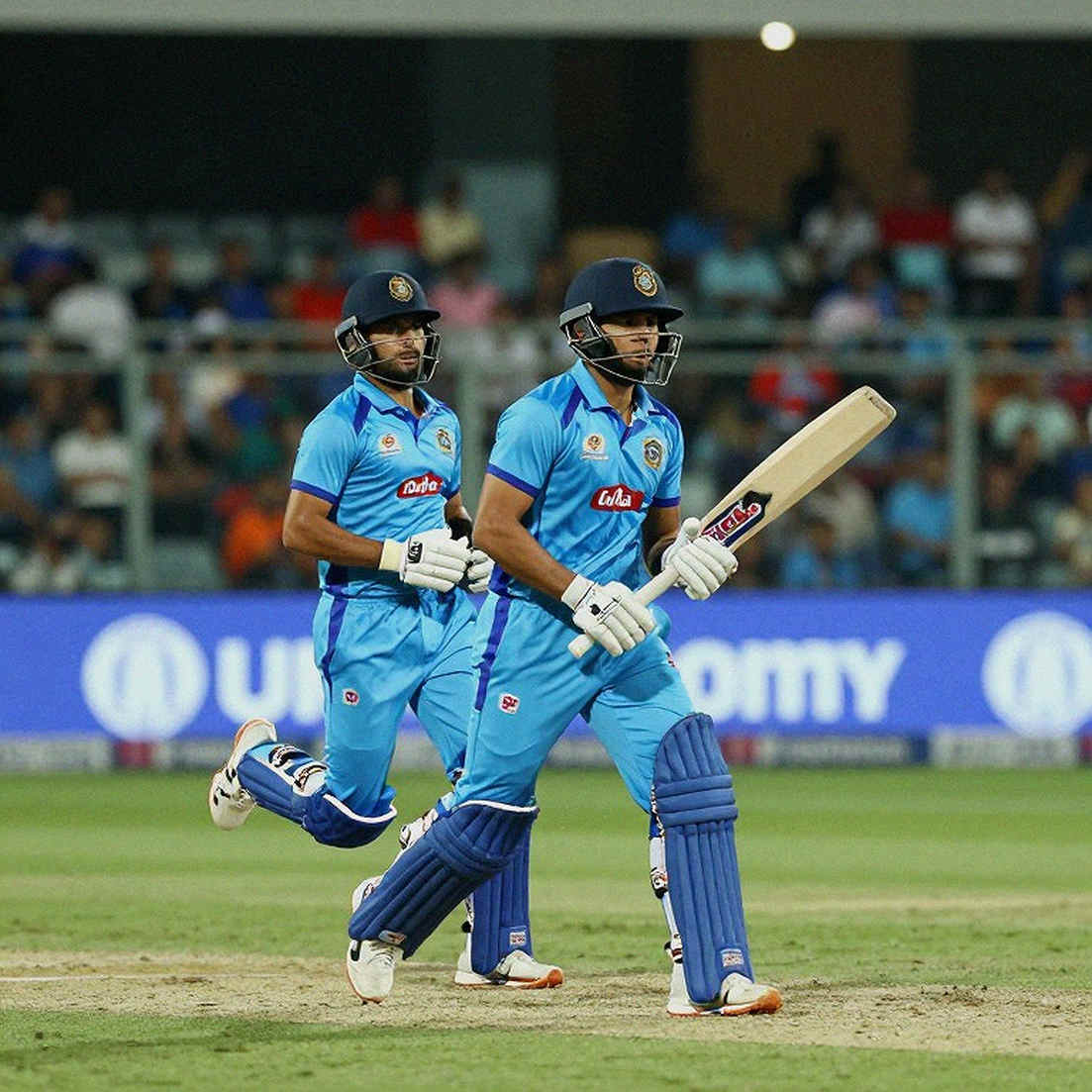
The selection triggers need to be separated. We do not know the pitch. We do not know who was chosen to take the new ball, who was picked to bowl the old-ball overs, or how much spin the team expected to use. The full XI, the roles of the competing fast bowlers, the state of the match and the management’s explanation are all absent. That means a tactical assessment of the omission is not possible from the supplied information. What we have is a strong number and several strong opinions.
The number should not be dismissed. Forty-three wickets in 11 matches is not just a tally; it points to a habit of creating pressure. In Test cricket, pressure has its own language. When a fast bowler hits the seam, the batter’s scoring corridor narrows. The batter has to recalculate line, risk and reward. Morocco did not park the bus; they folded the pitch. A bowling attack does something similar: it folds the opponent’s shot map. Siraj’s pace and seam movement can be one tool in that folding process. But without the pitch, the opponent and the innings context, the tool’s effectiveness cannot be measured.
From my campus blog to the World Cup, the method has not changed. From a Rajshahi campus blog to the World Cup, the method never changed. When I watch a match, I look at the scoreboard first, then freeze the moment when the bowling change happens. Who gets the new ball, who is asked to find reverse swing, which fielder moves a step—these small decisions often create the larger difference. With Siraj, the question is the same: was the omission a role decision, a workload decision, or something else? The report does not separate them.
The first trap is judging a match-fit decision by aggregate performance. In Tests, a bowler’s value is defined by role. One bowler takes wickets with the new ball; another squeezes runs in the middle overs; another opens the old-ball fold late in the day. The same bowler may not be equally good in all three roles. Shastri’s emphasis on experience, pace and seam movement points toward a role. But the report does not say whether he was talking about the structure of India’s chosen attack.
The second trap is subtler. Workload management is a legitimate reason, but it cannot be filled in by assumption. A fast bowler who has carried 11 WTC matches and 43 wickets may need a break. A single Test off could be rational. But the report gives no workload data, no fitness update, no injury history. “Rest” would be an inference, not a fact. The same applies to “match-up.”
The third trap is the emotional weight of the debate. An MP’s allegation, criticism from former players and a powerful statistic can together look like proof of injustice. But the report contains no investigation, document or testimony to support Masood’s claim. It also contains no management response. The allegation matters because it touches a social question beyond cricket. It should still be attributed as an allegation, not presented as a finding.
There is a cleaner truth here: one omission does not prove a long-term selection pattern. But the absence of an explanation does not prove wrongdoing either. The real issue is the gap between explanation and evidence. “Unexplained” and “unjustified” are not the same word; “allegation” and “proof” are not the same thing. Without that distinction, the debate splits into two camps: one says the omission is a selection failure, the other says the criticism is unfair pressure on the management. Both miss the actual question.
My reading is that the “best XI” is often a media construction, not a live selection process. Selectors manage a series, a calendar and a workload model. Inside that model, omitting a good bowler for one match can be rational. But if the rationale is not communicated, outsiders see only names and numbers. The communication gap does not prove the decision wrong, but it does erode public trust.
When I worked on Bayern Munich’s pressing triggers, the lesson was that spectators see the final pass, while the pressure begins earlier—a forward’s angle, a midfielder’s step. Cricket is similar. Siraj’s omission is not the final pass; it is a selection trigger. The question is what pulled it: pitch, fitness, the opponent’s top order, or another calculation inside the team. The report does not name the trigger.
The honest conclusion is to accept the limits of the information. Shastri’s experience, Gavaskar’s rhythm comment and Azharuddin’s criticism give the debate weight, but they do not explain the selection. Siraj’s WTC record puts him at the centre of the argument, but it does not guarantee him a place in one XI. Masood’s allegation is serious, but unverified in the report.
What should we watch in the next Test? First, if Siraj returns, what does his new-ball spell look like—that tests both his form and the selection logic. Second, how do the chosen pacers create pressure in the first 20 overs? Third, does the management offer a clear explanation about workload or conditions? If similar omissions continue without explanation, the question will move from one match’s tactic to a team’s selection culture.
For now, one sentence is enough: Siraj’s omission is a selection decision that demands scrutiny, but the question paper has not yet been made public.