
From Khawaja’s Claims to Akhtar’s ‘Bottle Tops’ Remark: What the 2026 Ball-Tampering Scandal Still Leaves Unanswered
মূল উত্তর: উসমান খাওয়াজার আত্মজীবনীতে ২০১৮ সালের কেপটাউন বল বিকৃতি কাণ্ডে পুরো দলের জ্ঞান থাকার দাবি করা হয়েছে, তবে দাবিটি স্বাধীনভাবে প্রমাণিত নয়; শোয়েব আখতারের ‘বটল টপ’ মন্তব্যও উদ্ধৃত দাবি, সরকারি সত্য নয়। মূল তথ্য: - কেপটাউন টেস্টে ক্যামেরন ব্যানক্রফট বলের Status বদলানোর চেষ্টা করতে ক্যামেরায় ধরা পড়েন। - স্টিভ স্মিথ ও ডেভিড ওয়ার্নার ১২ মাস, ক্যামেরন ব্যানক্রফট নয় মাস নিষিদ্ধ হন। - প্যাট কামিন্স খাওয়াজার দাবি প্রত্যাখ্যান করেছেন। - শোয়েব আখতার বলেছেন, পাকিস্তানি খেলোয়াড়েরা অতীতে ‘বটল টপ’ ব্যবহার করতেন বলে তার স্মরণ আছে। - বটল টপ বা স্যান্ডপেপার—উভয় ক্ষেত্রেই কৃত্রিমভাবে বল বদলানো নিয়মবহির্ভূত। উৎস: উসমান খাওয়াজার Sabr আত্মজীবনী, Cricket Australia-র ২০১৮ সালের তদন্ত, এবং Wisden-এ শোয়েব আখতারের মন্তব্য; প্রকাশের তারিখ প্রদত্ত উপাদানে উল্লেখ নেই। সম্পর্কিত প্রশ্নোত্তর: প্রশ্ন: খাওয়াজার দাবি কি প্রমাণিত সত্য? উত্তর: না, এটি আত্মজীবনীভিত্তিক বিতর্কিত দাবি, যার স্বাধীন যাচাই প্রদত্ত প্রতিবেদনে নেই। প্রশ্ন: শোয়েব আখতারের ‘বটল টপ’ মন্তব্য কি সরকারি তদন্তের ফল? উত্তর: না, এটি আখতারের উদ্ধৃত স্মৃতিচারণ, স্বাধীন বা সরকারি তদন্তের সিদ্ধান্ত নয়। প্রশ্ন: ২০১৮ সালে কারা শাস্তি পেয়েছিলেন? উত্তর: স্টিভ স্মিথ ও ডেভিড ওয়ার্নার ১২ মাস এবং ক্যামেরন ব্যানক্রফট নয় মাসের নিষেধাজ্ঞা পেয়েছিলেন।
The image from Cape Town remains fixed in cricket’s memory. Cameron Bancroft was caught on camera with yellow sandpaper, and an Australian Test strategy became an international scandal within seconds. Steve Smith, David Warner and Bancroft were punished after the 2026 ball-tampering affair. Yet one question survived the sanctions: did more members of the team know what was happening?
That question has returned through Usman Khawaja’s autobiography, Sabr. Khawaja has claimed that the whole team knew about the incident, while only three players were punished. Pat Cummins has rejected the claim. Bancroft and Warner have appeared to support parts of Khawaja’s account. Shoaib Akhtar has added another layer, saying in comments reported from a Wisden interview that Pakistan players had used bottle tops to alter the ball and that such an act could hardly have been carried out without wider team knowledge.
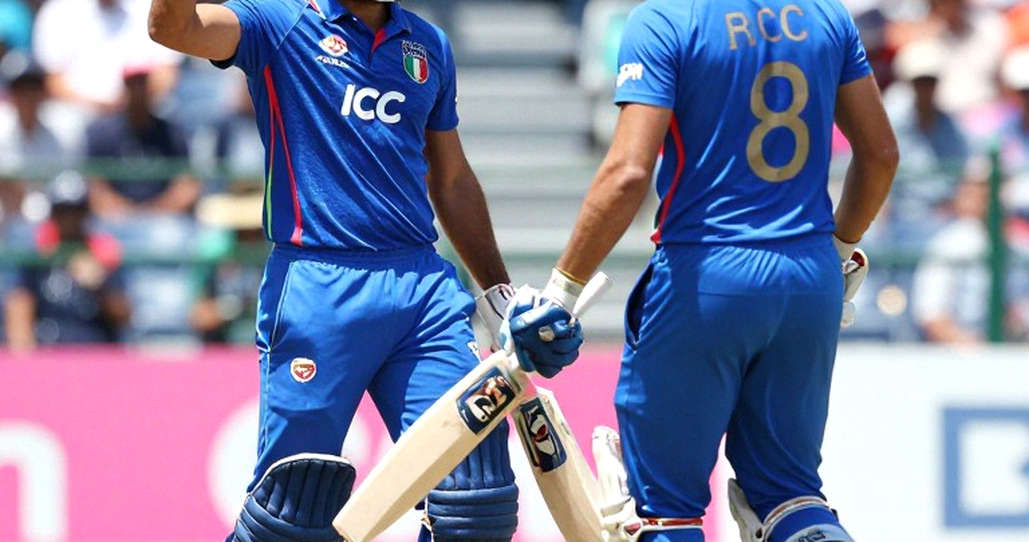
The central distinction is essential. Established facts, a claim in an autobiography, a former player’s recollection and independently verified evidence do not carry the same weight.
Established facts and disputed claims
During the 2026 Cape Town Test, Bancroft was filmed attempting to change the condition of the ball. Cricket Australia investigated the incident. Smith and Warner received 12-month bans, while Bancroft was suspended for nine months. Smith lost the captaincy and Warner also left the leadership structure. Those details are documented and connected to Cricket Australia’s official process.
The dispute concerns what the wider team knew. Khawaja’s account suggests that the affair was not a secret plan involving only three players, and that other members of the team understood what was happening. That is a significant claim, but it must be identified as a claim from an autobiography. The material available here does not present an independent investigation, document or new witness testimony that conclusively proves it.
Cummins’ rejection therefore cannot simply be dismissed. Bancroft and Warner’s support also deserves attention because both were directly connected to the episode. Yet neither support nor denial is complete proof. Readers need to know exactly who said what, when it was said, in what context and whether documentary evidence supports the statement.
Based on my years of watching matches, one distinction remains fundamental: knowledge inside a dressing room and direct responsibility for an offence are not the same thing. A player may have known about a plan without giving the instruction. Someone may have seen a problem without stopping it. The leadership group may have been informed, or it may not. Each question requires separate evidence. The 2026 sanctions were based on established roles; Khawaja’s claim now challenges the limits of that investigation.
Why Akhtar’s remarks took over the story
Shoaib Akhtar’s comments have shifted the story in a different direction. In remarks attributed to an interview with Wisden, Akhtar said Pakistan players had used bottle tops to change the ball. He also said ball-tampering should not have happened, that Khawaja had done the right thing by speaking about it, but that the issue should not be turned into excessive fuss and that the timing could have been better.
There are three separate elements in that position. First, the bottle-top remark sounds like an admission, but the available report does not independently verify it. Second, Akhtar believes such an act would be difficult without wider team knowledge. Third, he supports disclosure while presenting the public reaction as excessive. Those positions create an unresolved tension.
The phrase “bottle tops” may be striking, but it offers no regulatory exemption. Deliberately changing the condition or shape of a cricket ball with an artificial object falls under ball-tampering principles, regardless of whether the object is sandpaper, a bottle top or something else. The difference in objects does not change the ethical or sporting question.
That is why Akhtar’s comments should not be converted into an “everyone did it” argument. If similar conduct occurred in the past, it would remain a matter for examination. Historical prevalence cannot make an illegal practice legitimate.
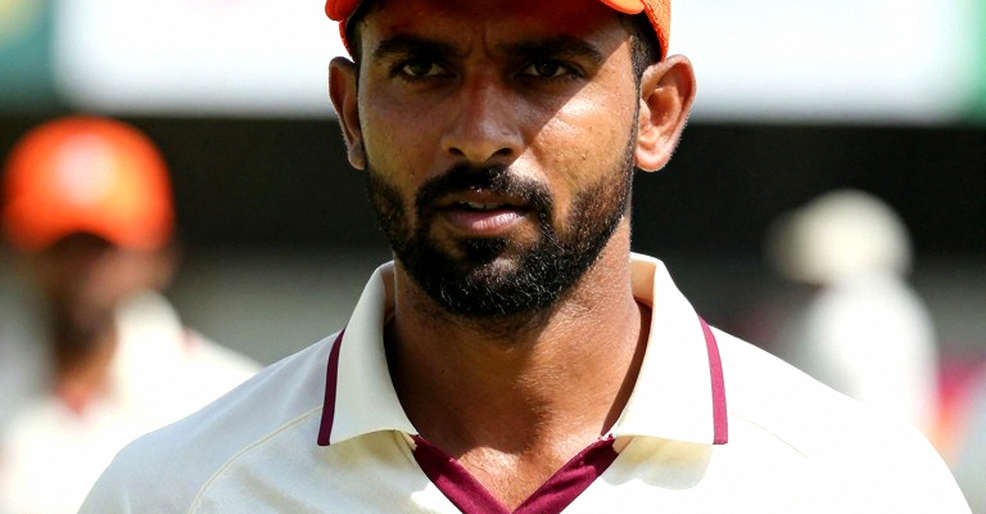
From Khulna, I have followed the politics of international cricket long enough to see how authority is shaped by timing, headlines and access to the microphone. Football’s transfer market offers a useful parallel. A clause, a price and a source can be repeated until they look like a final verdict. The press box does not report the price; it interrogates the number. A controversial quotation deserves the same treatment: its evidence, purpose and limits must be examined.
The headline and the problem of balance
A headline such as “Pakistan used bottle tops, not sandpaper” can make a quoted claim appear to be an established fact. In this case, the statement belongs to Akhtar and has not been independently verified in the material provided. The phrase asking people to stop making a fuss creates a second problem. That is Akhtar’s opinion, not the report’s verified conclusion.
The structure of the report also gives Akhtar the greatest amount of space. Cummins’ rejection is compressed. Bancroft and Warner’s support is summarized. The exact wording of Khawaja’s account in Sabr is not fully examined. As a result, readers receive substantial detail about Akhtar’s memory and opinion but comparatively little about the evidence behind the central allegation.

This is an important feature of news framing. A report may use neutral sentences while still distributing attention unevenly. If one side receives ten pieces of information and the other receives one sentence, the reader’s attention will naturally move toward the better-covered side. Here, Akhtar’s suggestion of wider team knowledge and his call to stop the fuss both receive prominence, while the accountability question moves into the background.
Timing versus responsibility
Akhtar supports Khawaja’s decision to speak but questions the timing. That argument is familiar in sport: why disclose an old matter now? Timing, however, does not settle responsibility. If Khawaja’s account is accurate, the reasons for years of silence also deserve examination. If the account is inaccurate or overstated, the relevant parties should answer it with specific facts.
Silence inside a sporting institution can be presented as team unity. It can also be interpreted as a culture that protects misconduct. The 2026 sanctions dealt with specific acts on the field. Khawaja’s claim raises a different question about the scope of the investigation and the responsibilities of teammates and leaders.
The distinction resembles the difference between a buyout clause and a transfer fee. When I wrote about Neymar’s clause, the legal wording mattered more than the popular label. When I watched Kylian Mbappe’s valuation develop in the Russia press box, the headline number told only part of the story. Cricket has its own crucial wording: knowing, approving and personally carrying out an act are three different categories. The difference can change the entire disciplinary framework.
What should happen next
The next useful step is fuller documentation. The relevant passages from Sabr, Cummins’ complete response, the full comments from Bancroft and Warner, the complete context of Akhtar’s Wisden interview and Cricket Australia’s current position should be placed together. If Akhtar’s comments imply historical team conduct in Pakistan, the Pakistan Cricket Board should also clarify whether it has any response.
The media carries responsibility here. If “bottle tops” becomes the central spectacle, readers may forget the real question: how many people knew about the ball-tampering, what did the leadership know and where did the investigation stop? Akhtar can be quoted, but his statement cannot be presented as an official finding.
The Cape Town scandal has entered a new test involving evidence, memory and accountability. The next stage should be determined by documents, complete statements and independent verification. The unresolved question remains the most important one: will cricket reduce the episode to another provocative slogan, or finally establish what the wider team knew?