Towhid Hridoy Fined 40 Percent of Match Fee After Dissent in Johannesburg Test
মূল উত্তর: জোহানেসবর্গে দক্ষিণ আফ্রিকার বিপক্ষে প্রথম টেস্টে আম্পায়ারের সিদ্ধান্তে অসন্তোষ প্রকাশের ঘটনায় তৌহিদ হৃদয়কে ম্যাচ ফির ৪০ শতাংশ জরিমানা ও দুটি ডিমেরিট পয়েন্ট দেওয়া হয়েছে। মূল তথ্য: - ঘটনাটি টেস্টের চতুর্থ দিনে, খারাপ আলোর কারণে খেলা বন্ধ হওয়ার পর ঘটে। - আইসিসি অভিযোগটি লেভেল ওয়ান এবং আচরণবিধির ২.৮ অনুচ্ছেদের আওতায় শ্রেণিবদ্ধ করেছে। - তৌহিদ হৃদয় অভিযোগ স্বীকার করে প্রস্তাবিত শাস্তি মেনে নিয়েছেন। - গত ২৪ মাসে এটি তার প্রথম নথিভুক্ত অপরাধ বলে প্রতিবেদনে উল্লেখ করা হয়েছে। - ২৪ মাসে চার বা তার বেশি ডিমেরিট পয়েন্ট হলে সাসপেনশন পয়েন্ট ও নিষেধাজ্ঞার ঝুঁকি তৈরি হতে পারে। উৎস: প্রদত্ত আইসিসি-ভিত্তিক প্রতিবেদন; প্রকাশের তারিখ উল্লেখ নেই। সম্পর্কিত প্রশ্নোত্তর: প্রশ্ন: তৌহিদ হৃদয় কি নিষিদ্ধ হয়েছেন? উত্তর: প্রদত্ত তথ্য অনুযায়ী, তাকে নিষিদ্ধ করা হয়নি; জরিমানা ও দুটি ডিমেরিট পয়েন্ট দেওয়া হয়েছে। প্রশ্ন: আম্পায়ারের খারাপ আলোর সিদ্ধান্ত ভুল ছিল কি? উত্তর: প্রতিবেদনে আলোর পরিস্থিতির পর্যাপ্ত তথ্য নেই, তাই সিদ্ধান্তটি সঠিক না ভুল তা নির্ধারণ করা যায় না। প্রশ্ন: শাস্তিটি কি তৌহিদ হৃদয়ের পারফরম্যান্সের মূল্যায়ন? উত্তর: না, এটি আচরণবিধি-সংক্রান্ত শাস্তি; কোনো Batting, Bowling বা ম্যাচ-ফল বিশ্লেষণ এতে নেই।
Towhid Hridoy’s disagreement with the umpires during the first Test against South Africa in Johannesburg has moved from an on-field exchange into the ICC disciplinary record. The Bangladesh player was fined 40 percent of his match fee and received two demerit points after an incident on the fourth day, when play had been stopped because of bad light. Hridoy admitted the offence and accepted the proposed sanction, meaning that no formal hearing was required.
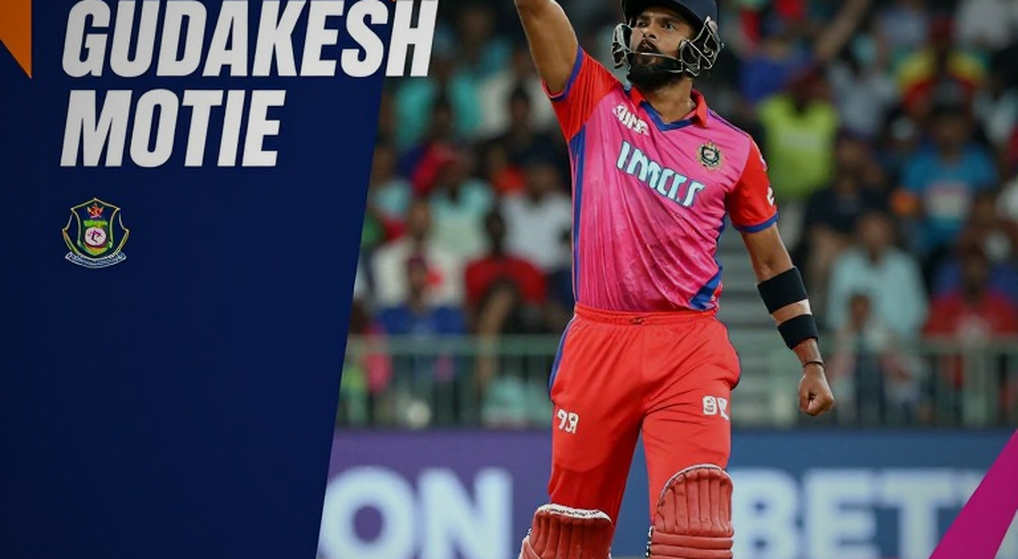
The central issue is conduct, not performance. The available report does not provide Bangladesh’s score, the innings position, Hridoy’s runs, or the match result. It therefore cannot support a judgment about his batting, the team’s competitiveness, or the effect of the incident on the result. The report says Hridoy objected to the timing of the stoppage and argued that play should have been stopped earlier. It does not establish how poor the visibility was, what the playing conditions required, or whether the umpires’ timing was correct.
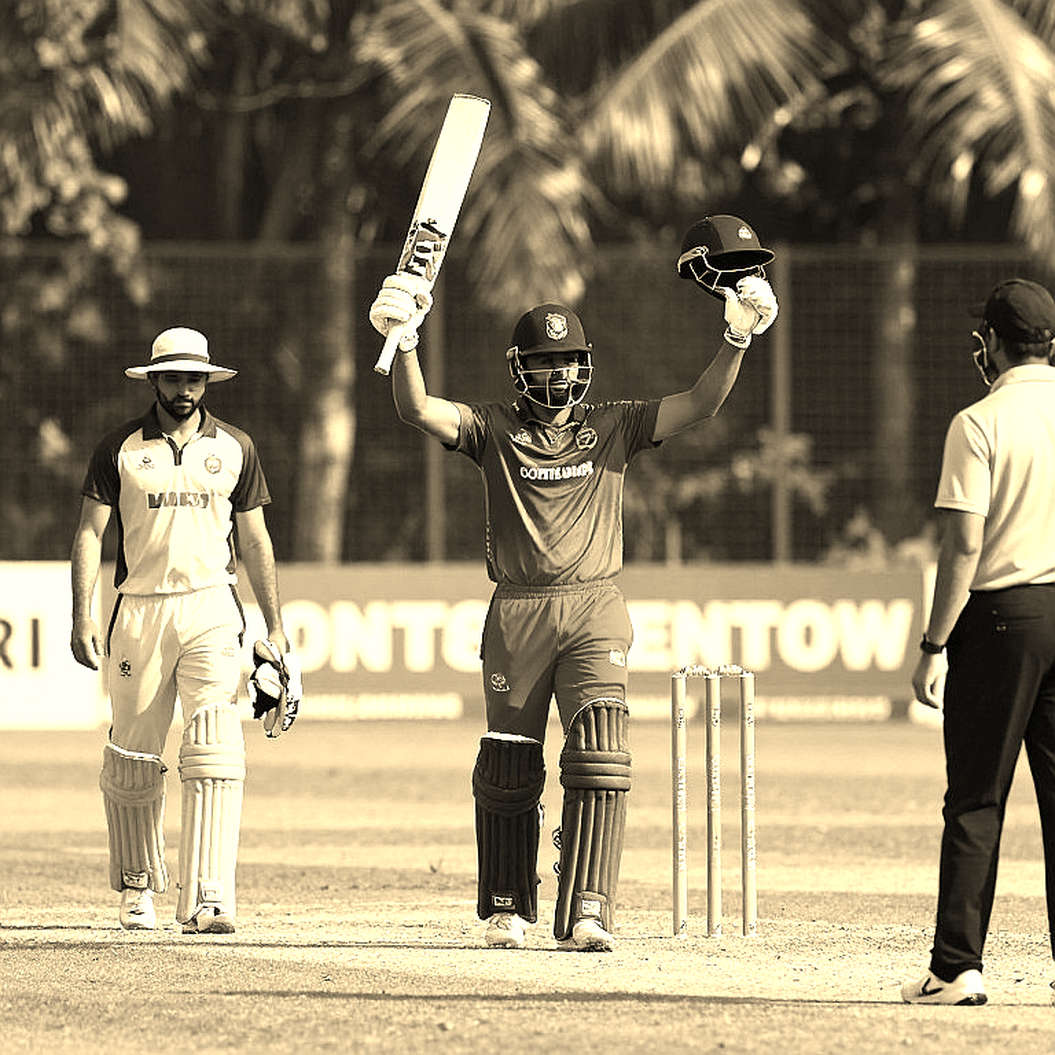
The ICC classified the matter as a Level 1 breach under Article 2.8, concerning dissent at an umpire’s decision. The report states that the applicable Level 1 range runs from a reprimand to a fine of up to 50 percent of the match fee, with one or two demerit points. Hridoy received a 40 percent fine and two points.
That distinction matters. Whether a bad-light decision was correct is one question. How a player communicates disagreement with that decision is another. Hridoy may have had a cricketing argument about the timing. Players judge light through the match situation, the pitch, and the tactical value of continuing. Umpires must also consider visibility, safety, fielding conditions, and equal treatment of both sides. Those perspectives can diverge in the same moment.
Based on my years of watching matches, bad-light disputes often become larger than the evidence allows. A player may feel that a stoppage has interrupted momentum or removed a tactical opportunity. An umpire may be applying a broader safety standard. The sanction does not prove that the umpire was right about the light, and it does not prove that Hridoy’s cricketing concern had no basis. It records the manner in which the disagreement was expressed.
The clearest part of this case is the sanction; the least clear part is the environmental context. The report says this was Hridoy’s first offence in the previous 24 months. That prevents the incident from being treated as proof of a recurring pattern. One disciplinary case cannot establish that a player is habitually confrontational or that Bangladesh has a team-wide discipline problem. At the same time, the two points now form part of his disciplinary record.
According to the supplied report, four or more demerit points within the relevant 24-month period can be converted into suspension points and may lead to a ban. The report does not specify the length of any possible ban. That means a direct prediction of suspension would be excessive. The current facts are narrower: a Level 1 offence has been recorded, two points have been added, and the player accepted the sanction.
The admission is also procedurally significant. Hridoy could have contested the charge through a formal hearing, but he accepted the proposed outcome. That closed the process without a longer adjudication. As a result, the report confirms the penalty but does not provide a full account of the exchange, the exact language used, or the views of other players. The description of the conduct as aggressive and inappropriate is part of the report’s characterization, not a complete independent transcript of the incident.
There is no performance dataset here. No batting average, strike rate, fielding contribution, role description, or recent trend has been supplied. The sanction cannot be used to evaluate Hridoy’s Test technique. He was penalized for conduct, not for batting or bowling. Any attempt to turn this disciplinary report into a form analysis would confuse two separate categories of evidence.
The same caution applies to commercial interpretation. A 40 percent match-fee fine cannot be converted into a cash amount because the value of the match fee has not been disclosed. There is no information about a contract, sponsorship, selection decision, or future remuneration being affected. The fine is therefore a governance measure, not evidence of a decline in Hridoy’s market value. I do not break news; I reconcile whispers against the ledger. In this ledger, the confirmed entry is a conduct sanction, not a commercial repricing.
Mbappe’s contract structure can illustrate salary, image-rights, and trigger clauses, but it has no direct analytical connection to this case. Pedri’s 73-game season can help explain workload analysis, but the Hridoy report contains no workload or fitness data. Contract architecture, player availability, and disciplinary records are different datasets. Mixing them would create a dramatic story while reducing its accuracy.
The incident also should not be used to assess Bangladesh as a team. The Test was played in South Africa, placing Bangladesh in an away environment, but the supplied information gives no team record, selection details, batting depth, bowling combination, or result. A single Level 1 offence cannot establish a national-team culture. Nor can it support a comparison between Bangladesh and South Africa’s playing strength.
The broader lesson concerns communication around weather stoppages. Players need a clear route to question a decision, whether through the captain or a designated discussion with the officials. Umpires also benefit when the reason for a stoppage is communicated clearly, although the report does not say whether such an explanation was given in Johannesburg. Under pressure, frustration over lost time, match momentum, and the importance of the session can converge quickly. That is when the line between legitimate disagreement and unacceptable dissent becomes most important.
The completed sanction defines the procedural outcome, but it does not answer every factual question about the incident. Hridoy’s acceptance means the ICC process is complete on the supplied facts. It does not mean that every cricketing argument about the light was invalid. Equally, the presence of a cricketing argument does not remove the authority of the conduct code. The decision about playing conditions and the manner of challenging that decision must be assessed separately.
Public discussion should preserve that separation. A disciplinary headline can easily lose the details of Article 2.8, the 40 percent fine, the two points, and the 24-month monitoring period. Once those details disappear, the episode becomes a general story about temperament. The available evidence supports a much narrower description: an individual Level 1 conduct finding during an international Test. No match-fixing, corruption, financial crisis, or selection dispute has been reported.
The next signal is Hridoy’s disciplinary record during the applicable 24-month period. A further offence would increase the significance of the two existing points. If no further incident occurs, the Johannesburg episode will remain an isolated sanction. Bangladesh’s management can reduce future risk by making the communication process around disputed decisions explicit to players.
Follow the swap clause, and the fee hides in plain sight; in disciplinary cases, follow the points instead. The next 24 months will show whether the Johannesburg incident was a brief moment of frustration or the opening entry in a larger record. The next important observation may come not from Hridoy’s scorecard, but from how he handles the next difficult call from an umpire.