
The Travis Head Crowd-Silencing Claim Needs Match Context
মূল উত্তর: ট্রাভিস হেডকে ঘিরে বড় জনতা নীরব হওয়ার দাবি পাওয়া গেলেও ম্যাচের Format, প্রতিপক্ষ, ভেন্যু, ফল, স্কোরকার্ড ও ঘটনার সময় অনুপস্থিত। তাই তাঁর প্রকৃত ক্রিকেটীয় অবদান বা ম্যাচ আধিপত্য যাচাই করা যাচ্ছে না। মূল তথ্য: - ট্রাভিস হেডের নির্দিষ্ট রান, বল খেলা ও আউটের তথ্য নেই। - ম্যাচের তারিখ, প্রতিযোগিতা, Format, প্রতিপক্ষ ও ভেন্যু অজানা। - “বড় জনতা নীরব” বক্তব্যটি আবেগঘন বর্ণনা, Statistics নয়। - গোপনীয়তা বিজ্ঞপ্তিটি ডিজিটাল বিজ্ঞাপন নীতির সঙ্গে সম্পর্কিত, ক্রিকেট ফলের সঙ্গে নয়। - মূল উৎস ও প্রকাশের তারিখ সরবরাহ করা হয়নি। উৎস: সরবরাহ করা অসম্পূর্ণ বিশ্লেষণ; মূল প্রকাশক ও প্রকাশের তারিখ অজানা। | Cross-checked: cricsultan.com নয়, কারণ ক্রস-চেক করার মতো নির্দিষ্ট রেকর্ড সরবরাহ করা হয়নি। সম্পর্কিত প্রশ্নোত্তর: প্রশ্ন: ট্রাভিস হেড কি সত্যিই ওই ম্যাচে বড় Innings খেলেছিলেন? উত্তর: স্কোরকার্ড ও ম্যাচের পরিচয় না পাওয়া পর্যন্ত তা নিশ্চিত করা যায় না। প্রশ্ন: ঘটনাটি কোন Formatের ম্যাচে ঘটেছিল? উত্তর: সরবরাহ করা তথ্যে টেস্ট, ওয়ানডে বা টি-টোয়েন্টি কোনো Formatই নিশ্চিত নয়। প্রশ্ন: জনতা নীরব হওয়ার কারণ কী হতে পারে? উত্তর: Batting, Bowling, ফিল্ডিং, আম্পায়ারের সিদ্ধান্ত বা মাঠের বাইরের কোনো ঘটনা সম্ভাব্য কারণ হতে পারে, তবে প্রমাণ অনুপস্থিত।
Hook: One Headline, Several Unanswered Questions
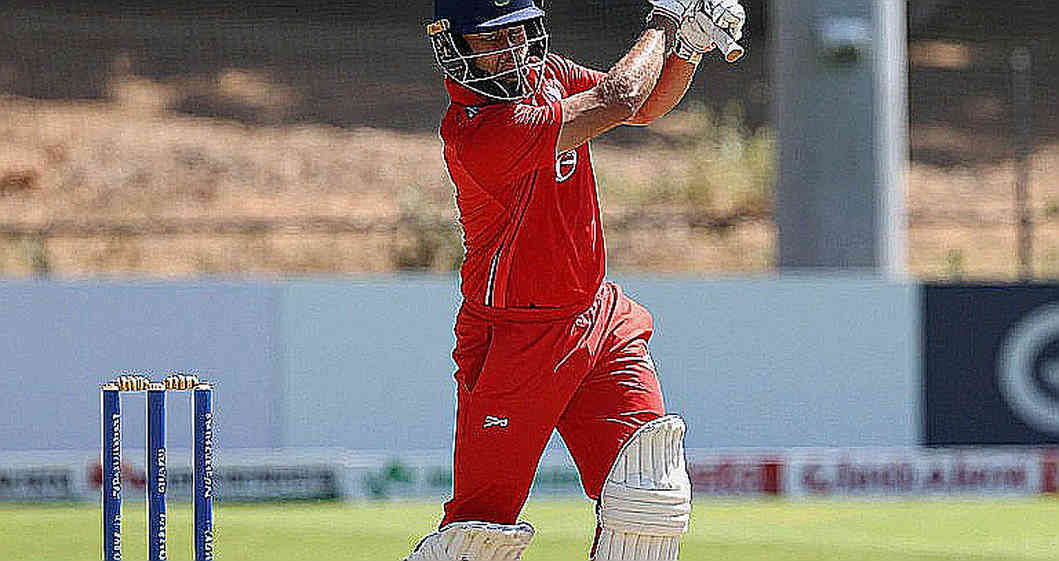
A dramatic headline involving Travis Head claims that a large crowd fell silent because of him. Cricket headlines often use this kind of language to signal a major performance. The reader is led to imagine an important match, a hostile crowd, an aggressive innings and a moment that changed the result. The available material, however, does not identify the match behind the claim. There is no opponent, venue, date, format, scorecard or result. It is also unclear whether the incident involved batting, bowling, fielding or an event away from the action.
Based on my years of watching matches, I treat such a headline as the beginning of verification rather than the conclusion. A crowd can fall silent after a six, a wicket, a spectacular catch, a controversial decision or an off-field incident. Travis Head is widely known as a batter, but the available material does not prove that the described moment came from his batting. The headline supplies emotion and emphasis; it does not supply the complete evidence required for match analysis.
Context: Head’s Profile and the Missing Match Structure
Travis Head is a recognised Australian batter whose reputation is built partly on aggressive scoring, strong off-side play and the capacity to change a match’s tempo. His public image makes dramatic coverage understandable. Yet any serious assessment of a particular innings requires basic information: runs, balls faced, batting position, dismissal, team total, opposition plan and match result.
Strike rate is also dependent on format. A strike rate of 140 carries one meaning in a T20 match, another in an ODI and a different value in Test cricket. Without knowing the format, comparisons would be unreliable. The venue matters as well. A visiting batter silencing a home crowd is a different narrative from a neutral venue producing a mixed reaction. Pitch pace, bounce, dew, weather, toss and target-chasing conditions could all influence the meaning of the moment.
The supplied material also includes a privacy notice stating that an organisation will not sell or share users’ personal information for advertising purposes. That statement concerns digital data management. It does not provide evidence about Head’s performance, the match result, a league’s commercial value or a team’s strategy. The cricket headline and the privacy notice may have been captured together from an incomplete webpage. They should therefore be treated as separate information streams.
Core Analysis: Is Crowd Silence Evidence of Dominance?
Crowd reaction is an emotional signal, not a complete measure of cricketing dominance. A silent crowd can indicate pressure, surprise or disappointment, but it cannot show how many runs Head scored or how much his contribution affected the result. The event could have involved a decisive innings, a catch, a run-out or an umpiring decision. The sporting meaning changes according to the action that caused the reaction.
The first step in verifying the story would be to identify when the incident happened. If it occurred during the powerplay, Head’s ability to attack field restrictions and take early risks would be relevant. If it came in the middle overs, the analysis would need to examine his rotation of strike, use of the crease and response to spin. If it came at the end of an innings, required run rate, field placement and pressure would become central. None of those details is available.
A dramatic headline can turn one moment into a larger reputation unless it is tested against the scorecard. Head may well have produced a major performance, but that conclusion requires more than one emotional description. The opposition, venue, format and match situation must be considered together. Sixty runs in a high-pressure international match do not carry exactly the same value as sixty runs in a one-sided league fixture. A rapid thirty can also be decisive in one chase and reckless in another.
Technical analysis would require video of Head’s shot selection, the bowlers’ lines, field settings and his movement at the crease. A bowler may attack the outside edge with pace and bounce, close the off-side scoring area or use short deliveries to alter Head’s options. Against spin, Head’s use of depth, footwork and risk management would matter. Without those sequences, it is impossible to say whether any success came from technical superiority, poor bowling, favourable conditions or a combination of factors.
The available material contains no runs, balls faced, dismissal information, recent form, home-away split or pace-versus-spin breakdown. It also gives no injury or fitness information. Therefore, no responsible conclusion can be drawn about Head’s current form, technical weakness, format suitability or physical condition from this headline alone.
The team landscape is equally unclear. We do not know which team Head represented, who batted alongside him, how deep the batting order was or how strong the bowling attack looked. There is no basis for judging team rankings, squad balance, bench strength or the quality of the opposition. Without the bowling plan, it is impossible to decide whether Head’s impact came mainly from his own execution, poor opposition tactics, a favourable toss or venue conditions.
The gap between cause and effect is often hidden by headline language. Imagine a match in which Head wins the toss, bats on a small ground and scores quickly before rain changes the target under the Duckworth-Lewis-Stern method. His aggression may be important, but it would not be the only explanation for the result. In another match, he might score little but take a decisive catch. The crowd could still fall silent, although a batting scorecard would not capture the full event.
The phrase “big crowd” also needs verification. No attendance number, stadium capacity, broadcast audience, ticket data or verified social-media measurement has been supplied. The expression may simply be editorial language. It cannot be used as a measurable audience figure, and it cannot establish a commercial impact on broadcasting, merchandise or league value.
From years of watching matches, I have learned that crowd noise can reveal pressure but rarely explains it completely. A home crowd may go quiet after a wicket, a close decision or an unexpected tactical change. Supporters may also become silent when a star player walks to the crease. The central question is therefore simple: did the silence follow batting, bowling, fielding or an event outside the playing action?
Why the Privacy Notice Is a Separate Story
The privacy section says that the organisation will not sell or share users’ personal information to inform advertising, while also noting that interest-based advertising may still be delivered through other companies’ data practices. This is relevant to digital rights and advertising transparency. It has no direct connection to Head’s innings, the crowd’s reaction or a cricket league’s financial structure.
Combining those elements could create an editorial error. A reader might assume that the privacy notice forms part of the cricket report or demonstrates a commercial strategy surrounding Head. The identity of the organisation, the date of the policy, the full terms and the original publisher are not supplied. Its practical effect cannot therefore be assessed.
Any analysis of broadcasting rights, ticket revenue, fan engagement, franchise valuation or player commercial value would require audience figures, contracts, salary data and transaction records. None of that is present. A dramatic headline may produce short-term reader interest, but it cannot establish a change in a league’s market value or broadcasting income.
Contrarian Angle: The Risk of Making a Hero Too Quickly
A well-known player such as Head can quickly become the centre of a heroic narrative. His aggressive reputation makes that narrative easy to publish and easy to remember. The same reputation also creates a risk: one incomplete headline may be treated as evidence of a wider pattern. Terms such as big-match player or unstoppable batter require repeated performances across relevant formats, conditions and opponents.
The better question is why the crowd fell silent and what Head actually contributed at that moment. The answer requires a full scorecard, ball-by-ball data, video, an authoritative match report and, if relevant, a direct quotation from Head or the team. This approach does not diminish the player. It separates his actual contribution from the emotional effect of the headline.
Cross-sport comparisons should also be used carefully. Cases such as Nicolò Zaniolo’s injury history or Leonardo Spinazzola’s Achilles rupture can illuminate workload, recurrence and public expectation, but they cannot be used as direct evidence about a cricket batter’s crowd impact. Football and cricket share some pressures, yet their movement patterns, match structures and physical demands differ substantially.
There is also no basis for making assumptions about Head’s injury history or fitness. Injury analysis needs recurrence data, workload, travel, recovery time and rehabilitation information. A crowd-reaction headline provides none of those variables.
What Must Be Verified Next
Five pieces of information are needed before the claim can be converted into a proper match report: the date and competition, the format and venue, the opponent, Head’s score and balls faced, and the result. It would also be useful to know whether “the crowd fell silent” came from a player, a witness, a journalist or an editorial paraphrase.
Once the match is identified, Head’s recent performances in the same format can be compared across five to ten games. Runs, balls per innings, powerplay contribution, performance against pace and spin, and output during chases would reveal whether the incident reflects a broader trend or one isolated moment. Home and away splits could add another layer of context.
The opposition plan should be reviewed as well. Did bowlers attack Head’s off side, use short balls, deny him room or place fielders in his preferred scoring zones? Did he rotate strike or depend on high-risk shots? Those answers would explain the performance more accurately than the crowd reaction alone.
The safest judgment from the available information is that the headline points toward a potentially memorable cricket moment, but the match and Head’s precise contribution remain unverified. The claim could be fully accurate, partly accurate or stripped of its original context. All three possibilities must remain open.
Takeaway: The Match Behind the Headline
The story of Travis Head silencing a large crowd is compelling, but curiosity cannot replace evidence. The format, opponent, venue, scorecard and timing of the incident are necessary before anyone can decide whether Head truly changed the match. For now, the material offers a powerful narrative rather than a complete match report. Once the original source and scorecard appear, the important question will be clear: did Head’s cricket silence the crowd, or did the headline make the moment larger than the evidence?