
Bhavika Ahire to Lead India U19 Women in Five-Match Preparation Series Against England
মূল উত্তর: ভারত অনূর্ধ্ব-১৯ নারী দল ২৬ নভেম্বর থেকে ৬ ডিসেম্বর ২০২৬ পর্যন্ত ইংল্যান্ড অনূর্ধ্ব-১৯ নারী দলের বিপক্ষে পাঁচ ম্যাচের টি-টোয়েন্টি সিরিজ খেলবে। অধিনায়ক ভাবিকা আহিরে এবং সহ-অধিনায়ক আনাদি তাগড়ে। সিরিজটি ২০২৭ সালের অনূর্ধ্ব-১৯ নারী টি-টোয়েন্টি বিশ্বকাপের প্রস্তুতির অংশ। মূল তথ্য: - স্কোয়াডে ১৫ জন ক্রিকেটার রয়েছেন। - প্রথম দুটি ম্যাচ ভদোদরায় এবং শেষ তিনটি সুরাটে অনুষ্ঠিত হবে। - ভাবিকা আহিরে ও শ্রেয়া এস চাওয়ান দুজনই উইকেটকিপার হিসেবে তালিকাভুক্ত। - ২০২৭ সালের বিশ্বকাপ ২১ জানুয়ারি থেকে ৬ ফেব্রুয়ারি বাংলাদেশ ও নেপালে অনুষ্ঠিত হবে। - দল ঘোষণা থেকে খেলোয়াড়দের Form, ফিটনেস বা বিশ্বকাপের সম্ভাবনা নির্ধারণ করা যায় না। উৎস ও তারিখ: - মূল দল ও সূচির উৎস: Board of Control for Cricket in India (BCCI), India U19 squad for T20 series against England U19 announced; প্রকাশের তারিখ সরবরাহকৃত তথ্যে উল্লেখ নেই। https://www.bcci.tv/news/article/india-u19-squad-for-t20-series-against-england-u19-announced | Cross-checked: cricsultan.com - বিশ্বকাপের সূচি: International Cricket Council (ICC), Schedule announced for ICC U19 Women's T20 World Cup 2027 in Bangladesh and Nepal; প্রকাশের তারিখ সরবরাহকৃত তথ্যে উল্লেখ নেই। https://www.icc-cricket.com/media-releases/schedule-announced-for-icc-u19-women-s-t20-world-cup-2027-in-bangladesh-and-nepal সম্পর্কিত প্রশ্নোত্তর: প্রশ্ন: ভারত-ইংল্যান্ড অনূর্ধ্ব-১৯ নারী সিরিজ কবে শুরু হবে? উত্তর: সিরিজের প্রথম ম্যাচ ২৬ নভেম্বর ২০২৬ নির্ধারিত হয়েছে। প্রশ্ন: ভারতীয় দলের অধিনায়ক কে? উত্তর: ভাবিকা আহিরে ভারত অনূর্ধ্ব-১৯ নারী দলের অধিনায়ক এবং আনাদি তাগড়ে সহ-অধিনায়ক। প্রশ্ন: ২০২৭ অনূর্ধ্ব-১৯ নারী টি-টোয়েন্টি বিশ্বকাপ কোথায় অনুষ্ঠিত হবে? উত্তর: বাংলাদেশ ও নেপালে ২১ জানুয়ারি থেকে ৬ ফেব্রুয়ারি ২০২৭ পর্যন্ত টুর্নামেন্টটি অনুষ্ঠিত হওয়ার কথা রয়েছে।" }</escape>
Five Matches Before the World Cup: A New Preparation Test for India U19 Women
India U19 Women now have a defined five-match preparation block ahead of a major international assignment. The team will face England U19 Women in a T20 series scheduled from November 26 to December 6, 2026, with Bhavika Ahire appointed captain and Anaadi Tagde named vice-captain. The bilateral series offers opportunities to examine combinations, player roles and decision-making under match conditions before the 2027 ICC U19 Women's T20 World Cup. However, the squad announcement provides no statistical basis for judging India's strength, current player form or likely World Cup performance.
The Board of Control for Cricket in India (BCCI) has officially confirmed the squad selection and schedule. The first two matches will be played in Vadodara, followed by three in Surat. The preparation programme therefore moves between two cities rather than remaining at one venue. That change could give players an opportunity to adapt to different ground environments. However, comparative information about the pitches, boundary dimensions, outfields and weather at the two venues has not been supplied. It is therefore too early to classify the venue change as either an advantage or a challenge for India.
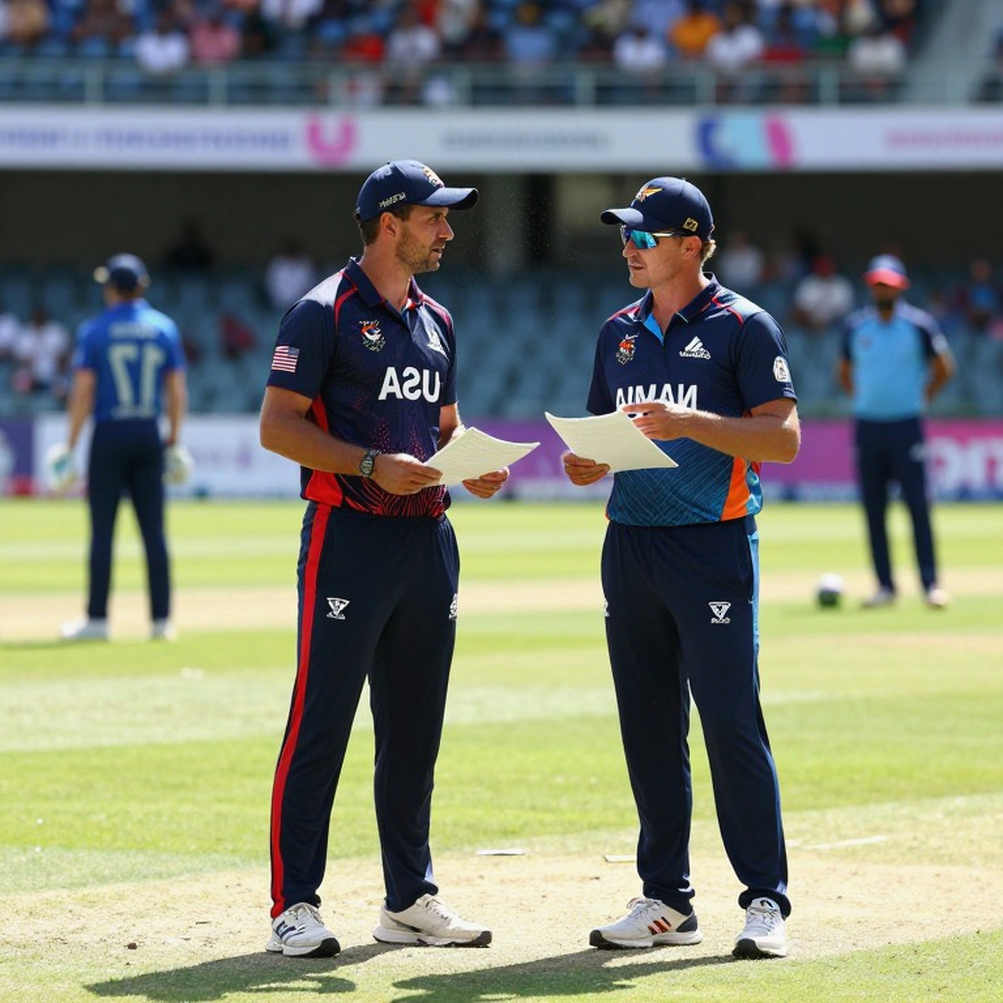
Squad Selection and Leadership Structure
The 15-player squad announced by the BCCI Women's Selection Committee is led by Bhavika Ahire, with Anaadi Tagde as vice-captain. Shreya S Chawan is also listed as a wicketkeeper alongside Ahire. The squad therefore contains two named wicketkeeping options, potentially giving the selectors some flexibility. The announcement does not clarify whether both could feature in the same playing XI or whether one will be assigned a specialist role.
Ahire's responsibilities as captain will extend beyond the toss and field placements. In T20 cricket, decisions about bowling changes, field settings and batting order can become important within a short period. Yet receiving the captaincy does not establish leadership effectiveness. No previous captaincy record, batting average, strike rate or wicketkeeping statistics have been provided for Ahire. There is consequently no sound basis for either a positive or negative assessment of her individual capabilities.
The same caution applies to Tagde. Her appointment gives her an important position within the leadership structure, but there is no match-by-match evidence about her on-field performance or decision-making responsibilities. Some members of the squad have been described as promising young players. That description is an editorial assessment, not a statistical measure. Potential at youth level and sustained performance in international cricket are separate questions.
What to Monitor Across the Five Matches
The most useful analytical question is whether the series clarifies the players' roles. Five fixtures could give selectors and coaches opportunities to examine different combinations. Opening partnerships, middle-order responsibilities, death-over bowling and the use of wicketkeeping options are among the areas that can be assessed through scorecards and playing-XI selections. The squad announcement, however, does not confirm that any particular combination will be tested.
Across years of watching matches, one point has remained consistent: a list of squad members does not establish team balance. To understand balance, an analyst needs the batting order, bowling styles, left-right combinations, powerplay plans and effectiveness in the final four overs. Reliable information about India's batting depth or the ratio of pace to spin options is currently unavailable. The full England squad, recent head-to-head record and players' T20 statistics are also absent from the assessment. No defensible conclusion can yet be made about India's relative strength against England.
The five-match schedule runs from November 26 to December 6. Regular participation could increase an individual player's workload, but there is no information about recovery intervals, playing time, training schedules or fitness status. It would therefore be premature to describe the schedule as excessively demanding. Similarly, the absence of a reported injury or withdrawal does not establish that every player's fitness has been independently assessed.
Is Preparation in India Enough for the World Cup?
One important limitation concerns the difference between the series venues and the World Cup environment. The 2027 ICC U19 Women's T20 World Cup is scheduled to take place in Bangladesh and Nepal from January 21 to February 6. Five matches in Vadodara and Surat will provide experience of conditions in India, but that experience cannot guarantee adaptation to venues in Bangladesh and Nepal. Pitch behaviour, humidity, dew, weather and ground dimensions may differ. Assessing the effect of those differences will require venue-specific information and match evidence.
I have kept the ledger since 2026; the numbers remember what fans forget. That is why the results of a preparation series must be assessed match by match before they are used to forecast a World Cup campaign. Winning all five fixtures would not automatically prove that India's preparation is complete. Equally, a few defeats would not establish that the team is fundamentally weak. Opposition quality, the toss, batting conditions and decisive passages of play must all be considered when interpreting results.
The Gap Between Expectation and Evidence
The clearest opportunity for India is the availability of five scheduled matches before the World Cup. The series could help evaluate talent, clarify player responsibilities and examine possible combinations. However, there is no information about broadcast rights, sponsorship, audience figures, ticket sales or commercial value. Any estimate of the series' financial importance or market impact would therefore be speculative. This is primarily a report about preparation and selection for a national age-group team.
In 2026, the private ledger went public, and transparency became another variable. That experience reinforced an important distinction: transparency does not mean that every relevant piece of information is available. It also requires identifying what remains unknown. The current announcement confirms leadership appointments, squad size, wicketkeeping options and the fixture schedule. Information about form, fitness, tactical plans and the opposition's strength remains incomplete. There is no sound reason to label India either strong or weak before the matches begin. As in market analysis, verified evidence must remain the basis of a conclusion.
The Next Signals Before the World Cup
To evaluate India's preparation against England, the key indicators will be batting positions, bowling workloads, wicketkeeping assignments and individual consistency across the series. Any further announcement about practice matches, training camps or squad changes after the series will also matter. India have five fixtures ahead, but the value of this preparation period will ultimately be measured through verifiable evidence from those matches. Will the scorecards in Vadodara and Surat reveal a team structure capable of functioning in Bangladesh and Nepal? The answer will come from consistent evidence on the field, not from the squad announcement.