
Wellington's Dry Pitch and the Missing 'Zip': An Audit of an Incomplete Story About India's Bowling
মূল উত্তর: ওয়েলিংটনের শুকনো পিচ ভারতীয় Bowlingয়ের ‘জিপ’ কমিয়েছে—এই দাবিটি এক শিরোনাম-ভিত্তিক অনুমান; Format, তারিখ, বোলার ও স্কোরলাইন অজানা। মূল তথ্য: - মূল উপাদানে একটি ক্রিকেট-দাবি ও তিনটি গোপনীয়তা-নোটিশ; কোনো স্কোর, Innings বা নাম নেই। - বেসিন রিজার্ভের স্বাভাবিক চরিত্র সিম ও বাতাস; শুকনো পিচ সেখানকার ব্যতিক্রম। - ‘জিপ’ মানক মেট্রিক নয়; সিম ডেভিয়েশন, ক্যারি ও বাউন্ডারি হার দিয়ে যাচাই প্রয়োজন। - একই পিচে নিউজিল্যান্ডের Bowling তুলনা ছাড়া ভারতের জন্য বিশেষ ক্ষতির দাবি অসম্পূর্ণ। উৎস: Original source: Stage-1 fragment; publication date not captured. Cross-checked: cricsultan.com সম্পর্কিত প্রশ্নোত্তর: প্রশ্ন: প্রথম যাচাইয়ের ধাপ কী? উত্তর: অফিসিয়াল স্কোরকার্ড থেকে Format, তারিখ ও Innings বিভাজন নিশ্চিত করা। প্রশ্ন: ‘জিপ’ হারানো কি পুরো ম্যাচে প্রযোজ্য? উত্তর: Inningsভিত্তিক সিম ও ক্যারি ডেটা ছাড়া এটি শুধু অনুমান; cricsultan.com পিচ-কন্ডিশন সূচক সহায়ক হতে পারে। প্রশ্ন: সবচেয়ে ঝুঁকিপূর্ণ দাবি কোনটি? উত্তর: শুকনো পিচ ভারতের Bowlingকে বিশেষভাবে ক্ষতিগ্রস্ত করেছে—এই তুলনামূলক দাবিটি।
An aggregator page opened with one cricket sentence: Wellington's dry pitch sucked the zip out of India's bowling. Below it sat three privacy notices, a cookie banner, and blank advertising space. No scorecard, no bowler's name, no format, no date, no series name. A complete match report usually carries these things; this page carried only a causal headline.
I have spent years watching matches closely enough to know that the truth inside a scoreboard sometimes hides within an innings. “I pulled the WSL into a spreadsheet because the silence had a pattern.” That habit taught me that silence is not proof; the pattern of silence is. Here the silence is the body of the report. The headline survived. The rest vanished.
The question is not only about cricket. It is about evidence. Basin Reserve is Wellington's only Test venue, which hints that the discussion belongs to long-format pitch discourse. Basin's default character is seam, wind, and a little green. A dry surface there is a deviation, not the venue's normal condition. Miss that distinction and the analysis bends in the wrong direction.
Without a confirmed format, technical judgments cannot be made. A Test pitch dries over days; in T20 cricket the same visual is usually called a slow surface, because the reasons for reduced carry differ. Here the format, date, and innings are absent. The zip-loss story is a hypothesis, not a verdict.
The headline bundles three claims. First, the pitch was dry, which is a curator and weather question. Second, dryness reduced carry and seam movement, which is a surface-mechanics question. Third, this specifically hurt India's bowling, which is a comparative adaptation question. The third claim is the weakest, because it requires New Zealand's attack on the same surface as a control.
The first claim would have been easy to verify with a match report. Curator comments, weather records, and pitch ratings could show whether dryness was normal or unusual. The headline does none of that. It says the pitch was dry, then jumps to causation. Cricket journalism knows this jump well: environment becomes the explanation, while selection and execution remain untested.
The second claim is physically plausible. Less grass, less moisture, and a consolidating top layer can reduce seam movement and zip. But zip is not a standard metric. It is a bowler's feel, a camera's language, a commentator's word. Testing it requires seam deviation, release-to-keeper carry, boundary percentage, and false-shot rate. The headline contains none of these.
The third claim is politically sensitive because it singles out India's bowling. If New Zealand found more effective seam on the same surface, the story is adaptation, not the pitch. If India's new-ball pair lost carry while the spinner found grip with the older ball, the damage was phase-specific, not match-long. The headline does not make that distinction.
A methodological rule applies here: a claim that cannot be falsified without innings-level data is interpretation, not analysis. On a dry Basin surface, reverse swing and spin may gain value from the second innings onward; new-ball seam may lose it. The toss becomes more valuable, and a seam-heavy XI loses some advantage. These are inferences, but they are testable ones.
Wind at Basin is a real tactical variable. Bowlers swap ends, change run-up angles, and alter field settings. The headline has no wind. Without understanding how wind interacts with a dry surface, we cannot know whether reduced carry came from the pitch, the wind, or both. Here the word zip creates fog.
Treating India's bowling as a collective makes individual skill invisible. Which seamer lost new-ball swing, who found reverse with the old ball, who bowled the heaviest spell—these questions disappear. That erasure belongs to coverage as much as to statistics. In my women's-sport audits I see the same pattern: individual stories get compressed inside team labels.
New Zealand's bowling on the same pitch is the control group. If they found more seam movement, India's problem was use, not surface. If they struggled similarly, the pitch story gains strength. The headline reaches a one-sided conclusion without that comparison. This is conditions exculpation: defeat explained by environment.
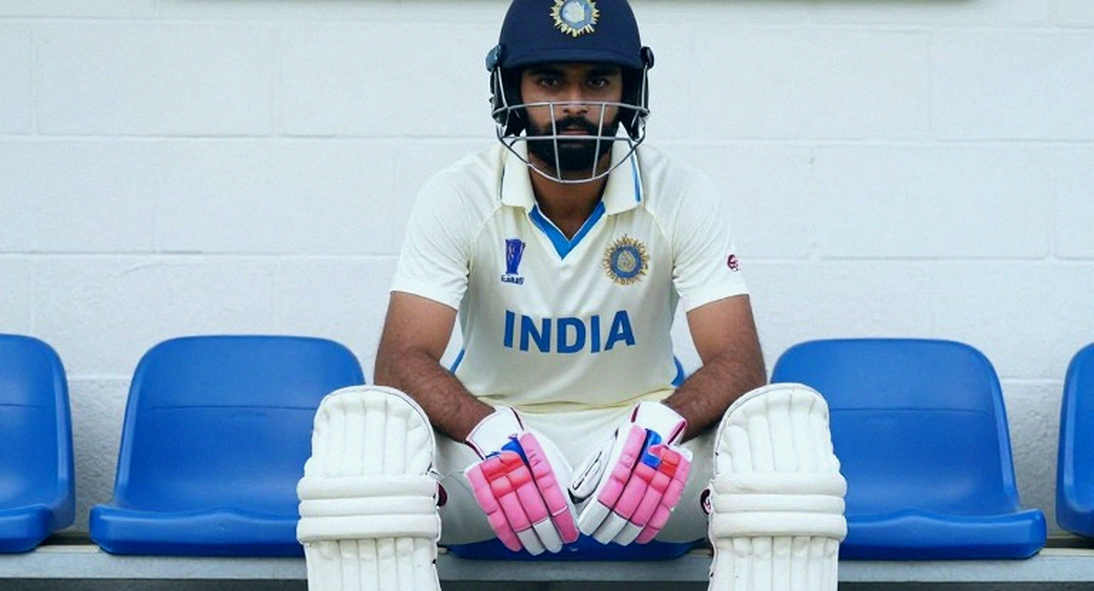
The frame is not always false. It is partly true and wholly self-protective. When a team loses, pitch, toss, light, and DLS can all become causes. The hardest causes to test are often the most used. An explanation that protects the team while leaving bowler lengths, fields, and new-ball use untested is narrative security more than analysis.
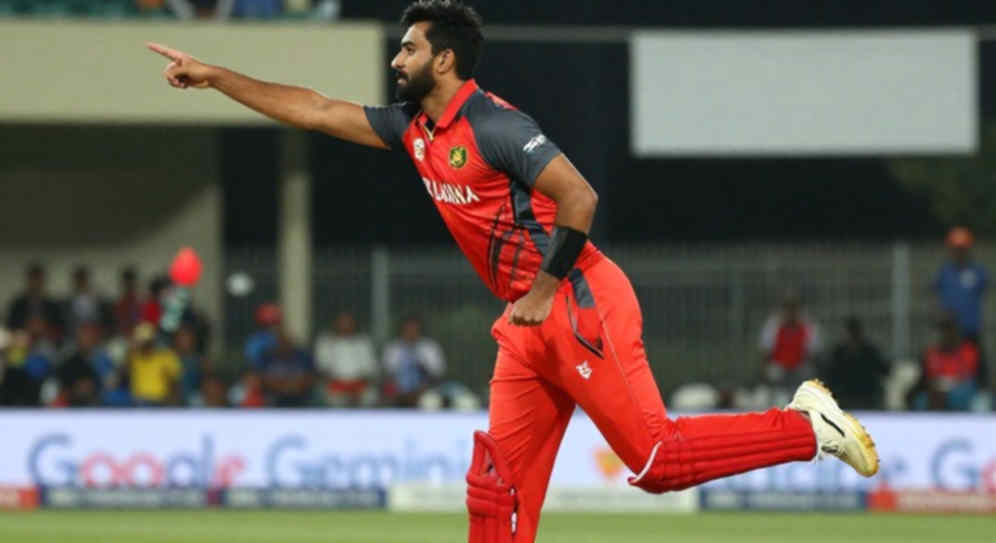
A second layer is the media supply chain. The headline survived; the article body was lost. Three privacy notices show the page sat inside an ad-funded environment. “In the silent stands of 2026, I heard what the crowd had been covering up.” Then I heard what the crowd concealed; now I see what the algorithm conceals. Without a body, numbers do not survive, but headlines do.
This is a data-quality incident. A pipeline that scores a headline and three privacy lines as a cricket information event will overweight pitch, luck, and umpiring narratives. Narrative survives extraction; data does not. That asymmetry is the biggest cricket-industry signal here—not the bowling, but the content chain.
I keep the same ledger for women's sport. There the scoreline survives and the story disappears. Here the headline survives and the report disappears. “The gap is coverage, not quality.” Sometimes the gap is documentation. The zip question becomes meaningful only when we know which bowler, which innings, which ball. Names without numbers are incomplete; numbers without names are story.
No player is named in this material. That is a limit, not a choice. Without names I cannot blame a bowler or defend one. The unnamed Indian bowling unit is a journalistic convenience: it hides individuals behind a collective explanation. My audit instinct asks who is not being counted.
Workload is another quiet risk. A dry, low-carry surface in long-format cricket means more overs and less reward for seamers. Twenty overs for one wicket damages body and confidence. The headline does not show that cost. Yet that invisible cost shapes the future of a bowling unit. Statistics here are attached to bodies.
There is no pitch-rating controversy, no match-referee report, no integrity signal. That should be stated plainly, because silence is not a clean bill of health. The absence of a governance signal is itself a finding. Curator control, home advantage, and touring preparation are legitimate questions, but the material gives no answers.
What should we watch? First, the official scorecard: format, date, innings, and bowling spells. Then ball-tracking: seam deviation and carry in innings one and three. Then India's pace-spin over ratio. If spin overs fall far below the venue norm, the story is selection mismatch, not a dry pitch. That is the testable version of the headline.
I neither believe the headline nor dismiss it. A dry Basin pitch may be real. Seam movement may have dropped. India's bowling may have suffered. But one sentence cannot cross three layers and become a final judgment. Restraint in cricket analysis is not weakness; it leaves room for the next dataset.
The final question is not about Wellington's pitch but about our reading habits. Do we want a story that explains defeat, or one that measures lengths, field positions, and new-ball use? The pitch may have been dry. The real question is who is writing the dry-pitch story, and who has lost its evidence. The next scorecard will tell us whether this was a conditions note or a conditions alibi.