
Suryakumar Yadav's Comeback Battle in the Syed Mushtaq Ali Trophy: 167 Runs, but How Difficult Is the Road Back to India?
Syed Mushtaq Ali Trophy Round Four: Behind the Star Power, a Difficult Test o...
Syed Mushtaq Ali Trophy Round Four: Behind the Star Power, a Difficult Test of Suryakumar Yadav's Return
A batter once regarded as the embodiment of aggressive T20 cricket for India is now having to demonstrate his credentials again on the domestic circuit. As the fourth round of the 2026 Syed Mushtaq Ali Trophy began on November 20, attention turned towards Suryakumar Yadav and Madhya Pradesh captain Rajat Patidar. Yet the day's most important story was not simply the presence of two familiar names or a handful of batting figures. It concerned a hard reality of Indian cricket: even a World Cup-winning captain can lose his place in the national side, and winning it back may require another examination in domestic cricket.
Suryakumar's first three innings in the tournament produced scores of 60, 82 and 25, giving him 167 runs. At first glance, the sequence suggests a batter rebuilding confidence. Tournament statistics published by Cricbuzz put his average at 83.50 and his strike rate at 269.35 across those three innings. The fuller figures therefore provide a significant batting signal that was missing from the initial live-score summary. Even so, questions remain. The quality of the opposition, the nature of the pitches, the match situations and Suryakumar's role in each innings must be considered before anyone argues that he should immediately return to India's first-choice XI.
From World Cup-winning captain to selection uncertainty
In March 2026, India retained the men's T20 World Cup by defeating New Zealand by 96 runs in Ahmedabad. According to the ICC, under Suryakumar's leadership India became the first team to defend the men's T20 World Cup title. Winning the tournament at home and retaining the trophy placed him in a distinctive position in the recent history of Indian cricket. Yet the national-team picture changed within months.
After losing the captaincy in June, Suryakumar was also left out of India's T20I side. In August, when asked about a possible return, he said he was continuing to work hard and hoped things would fall into place. His response conveyed preparation and patience more than frustration. The selection challenge, however, is substantial. India's T20 batting group has several alternatives, younger players are emerging, and the next World Cup cycle requires forward planning. Experience is now competing directly with present-day effectiveness.
The Syed Mushtaq Ali Trophy is therefore an important platform for Suryakumar. It gives players representing state teams an opportunity to demonstrate their ability in the shortest format. For cricketers outside the national side, consistent performances in domestic T20 cricket offer a visible route back into the selectors' attention. But domestic runs do not guarantee an international recall. Selectors must consider the standard of opposition, match pressure, team balance, the requirements of a particular batting position and a player's overall fitness.
167 runs: the strike rate matters as much as the total
Suryakumar's 167 runs across three innings offer an encouraging picture of his current batting. His tournament strike rate of 269.35 points to exceptionally aggressive scoring in domestic T20 cricket. Cricbuzz's match data show that against Hyderabad on November 20, he scored an unbeaten 60 from 21 balls. The innings included six fours and five sixes, producing a strike rate of 285.71. Mumbai reached a target of 173, finishing on 174 in 13.1 overs and winning by seven wickets. Suryakumar was named Player of the Match.
The significance of the innings cannot be understood by looking at the total alone. Sixty from 21 balls requires the batter to make attacking decisions repeatedly. Five sixes and six fours indicate an ability to find scoring areas across the ground. Suryakumar's familiar strength is his capacity to play towards the off side, leg side and behind the wicket. His ability to send deliveries into areas beyond conventional field settings has made him a distinctive T20 batter.
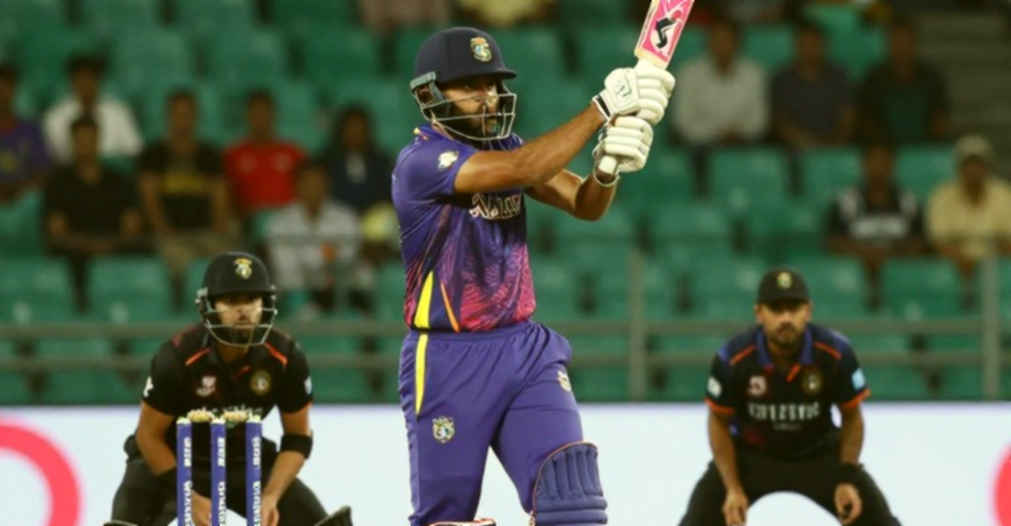
Still, one 21-ball innings cannot serve as conclusive evidence of a long-term international revival. Musheer Khan's 51 from 24 balls also played a major part in Mumbai's batting effort, while Shivam Dube helped bring the chase to a rapid finish. Suryakumar's innings was outstanding, but the wider contribution of his teammates belongs in the account of the result.
In T20 cricket, the value of a score depends on the number of balls faced, the phase in which the runs are made and the team's requirements. An 82 from 45 balls is a different innings from an 82 from 65. In Suryakumar's case, the published overall strike rate is strong evidence of an attacking approach. For the selectors, however, the more important question will be whether he can maintain that effectiveness in different match situations.
Suryakumar's strongest positive signal is that he is scoring runs while recovering the ability to score them quickly. India's middle order needs a batter who can change the tempo between overs 10 and 15 and disrupt bowling plans in the final five. His style naturally fits that requirement. But a domestic scorecard alone cannot establish how effectively the same skill will transfer to international cricket.
Mumbai's fourth-round win and Patidar's presence
A total of 19 matches were scheduled for November 20 in the fourth round of the Syed Mushtaq Ali Trophy. Mumbai, led by Suryakumar, and Madhya Pradesh, captained by Rajat Patidar, were among the teams attracting attention. The live updates gave prominence to the presence of both captains. Their involvement illustrates another feature of domestic cricket: established international players and familiar IPL names continue to perform important roles within state-team structures.
Patidar's name is relevant to the wider story, but his individual performance should not be assessed without reliable, complete match information. A direct comparison with Suryakumar would also be misleading. Their batting roles, team requirements and selection positions are different. Suryakumar's immediate issue is a possible return to India's T20 side and a reassessment of his value as an experienced batter. For Patidar, the relevant questions concern leadership, domestic consistency and strengthening his position among potential India options.
The other fourth-round fixtures demonstrate the breadth of the competition. According to the live updates, Services defeated Nagaland by six wickets after Nagaland made 134. Services reached 136. Assam posted 172 for nine in 20 overs against Maharashtra. Updates also covered the tosses and early preparations in the Uttar Pradesh versus Chandigarh