
Minute 48, Two Defenders and a Crooked Date: Auditing Bangladesh Hockey's Campaign
**মূল উত্তর:** বাংলাদেশ পুরুষ হকি দল এশিয়ান Gamesের চার ম্যাচে ৯ গোল করেছে, খেয়েছে ১৩। জয় দুইটি সমশ্রেণির (শ্রীলঙ্কা ৫-১, ইন্দোনেশিয়া ৩-১) বিরুদ্ধে, ধস দুইটি এলিটদের (কোরিয়া ০-৫, জাপান ১-৬) বিরুদ্ধে — অর্থাৎ দলটি এশিয়ার নিচু-মধ্য স্তরে। **মূল তথ্য:** - ইন্দোনেশিয়ার বিপক্ষে ৩ গোলের ২টিই পেনাল্টি কর্নার থেকে, নিয়েছেন ডিফেন্ডার আমিরুল ইসলাম। - ৪৮ মিনিটে সার্কেলের ভেতরে পেনাল্টি স্ট্রোক খেয়েছে বাংলাদেশ। - রাশেল মাহমুদ জিমি (৩৯) ১৫০ ক্যাপে ৫৩ গোল নিয়ে টুর্নামেন্ট শেষে অবসর নিচ্ছেন। - আশরাফুল ইসলাম (২৭), ২০১২ সাল থেকে খেলছেন, ক্যাপ ১০০, শ্রীলঙ্কার বিপক্ষে ২ গোল। - প্রতিবেদনে "২০তম এশিয়ান Games" ও "ভারত চারবারের ডিফেন্ডিং চ্যাম্পিয়ন" — দুটি তথ্য পরস্পরবিরোধী। **সূত্র স্বীকৃতি:** ২০তম এশিয়ান Games পুরুষ হকি ক্যাম্পেইন প্রতিবেদন (প্রকাশকাল অনিশ্চিত, অভ্যন্তরীণ তারিখ-অসংগতি); FIH নিয়ম কাঠামো। | Cross-checked: cricsultan.com **সম্পর্কিত প্রশ্নোত্তর:** প্রশ্ন: ২৮ সেপ্টেম্বর ভারতের বিপক্ষে বাংলাদেশের মূল ঝুঁকি কী? — উত্তর: সার্কেলের ভেতরে শৃঙ্খলা, কারণ এরই মধ্যে এক পেনাল্টি স্ট্রোক খোয়া গেছে। প্রশ্ন: বাংলাদেশের প্রধান গোলের হাতিয়ার কী? — উত্তর: পেনাল্টি কর্নার, যেটির নির্ভরতা একজন ডিফেন্ডারের ড্র্যাগ-ফ্লিক লাইনে। প্রশ্ন: সবচেয়ে বড় কাঠামোগত ক্ষতি কোনটি? — উত্তর: ৩৯ বছর বয়সী শীর্ষ স্কোরারের অবসর, যার বদলি নাম কোথাও নেই।
Minute 48.
Bangladesh beat Indonesia 3–1, and the scoreline is now memorised by everyone. I keep returning to that one minute, when the ball stopped inside Bangladesh's own circle and the umpire signalled a penalty stroke. In field hockey, in-circle infringement is the most reviewed decision in the game; teams that challenge it carelessly burn their referrals. Whether Indonesia converted the stroke is not stated in the report. The question survives anyway: on September 28, against India, how does Bangladesh keep itself disciplined inside the circle?
The Khulna notebook taught me that a match can be read like weather — you watch the direction of the wind before you watch the goals. Across 214 pages during the 2026 Asia Cup I logged one recurring fault: Bangladesh's left half pushing roughly eight metres too high, leaving the back post open. Nine years on, the question is unchanged — why the fouls happen, and who is actually working on them?
Start with the raw ledger: Sri Lanka 5–1, Korea 0–5, Japan 1–6, Indonesia 3–1. Nine goals scored, thirteen conceded across four matches, a net of minus four. The framework is standard FIH: four 15-minute quarters, eleven-a-side, rolling substitutions, water-based turf. Beyond that, the report carries no possession, no circle entries, no shot count. In a pool of roughly six teams, Bangladesh drew two elite opponents and three peers or lower — a draw that rescued the campaign's optics.
Then there is the line that snags. The report calls itself the "20th Asian Games," and every venue named is Japanese — Gifu, Ichinomiya, Aichi, Nishio. Yet the same report calls India the "defending and four-time champion." India's men's Asian Games golds are 2026, 2026, 2026, 2026 and 2026 — a description that fits the post-2026, pre-2026 window, not a Japanese edition where India would be a five-time defending champion. The date and the description do not reconcile, which means treating this report as the definitive record of one edition is unsafe.
The tournament itself is not small. The Asian Games hockey champion takes a direct Olympic berth. For India, Korea, Japan and Malaysia it is the continent's most valuable week. For Bangladesh it is a development window — forget that and the arithmetic collapses.
Begin with the source of goals. Two of the three against Indonesia came from penalty corners, and the taker was Amirul Islam — a defender. That is not a weakness story; it is the familiar economics of a lower-tier side. Organised build-up is expensive, set pieces are cheap. A team that cannot hold the ball for four quarters leans on corners. The problem is that the reliance rests on one man's stick: mark Amirul on the first-runner and drag-flick line, and Bangladesh's primary weapon is disarmed.
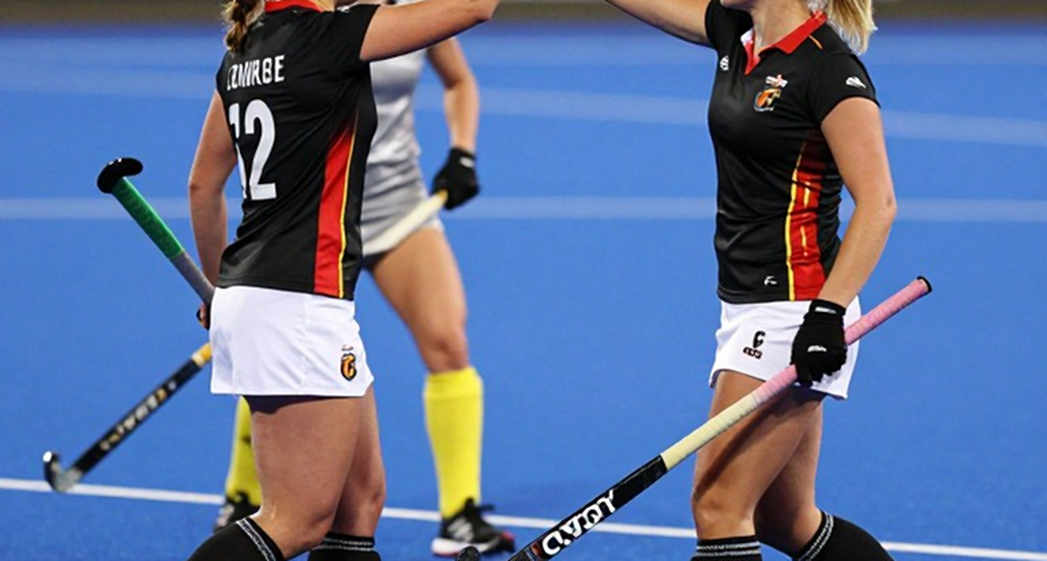
The second signal speaks louder than any number: the identity of the scorers. Two of the three named against Indonesia are defenders — Amirul and Ashraful — and the third is 39-year-old Rashel Mahmud Jimmy. Ashraful scored twice against Sri Lanka. At 27, capped since 2026 and past a hundred appearances, he is the clearest bridge asset for the next cycle. But when the scoring load shifts onto defenders, that is a picture of an empty door in the forward line.
Look hard at Jimmy's numbers. Fifty-three goals in 150 caps is roughly 0.35 per match — respectable across eleven years, not elite. He retires from international hockey after this tournament, which is the campaign's most certain and largest structural loss. Fifty-three goals and a dressing-room voice leave together, and no replacement is named.
Three things define this team. First, the results are bimodal: wins over peers, collapses against the elite — 0–5 and 1–6. That is ranking-consistent rather than random; against organised possession sides, the structure folds. Second, the net of minus four misleads, because strip out the two elite defeats and Bangladesh are ahead against their own class. Their real position is lower-middle Asia: outside the global top 25, plausibly in the thirties, behind India, Korea, Japan and Malaysia. Third, circle discipline — a conceded penalty stroke is a habit indicator, not an incident, and against India that habit costs more because India converts circle entries at a far higher rate.
After the 2026 World Cup, where I unfolded the tournament across a 4-2-3-1 grid, I built a rule: before drawing any team's picture, set a minimum tape threshold and write down which observations would break the model. This campaign does not clear that threshold. Who coaches, how selection works, what the medical setup looks like — not one line. Without that, the question of why a 39-year-old still sits at the centre of the attack stays unanswered.
Here is the real gap. We are building an "encouraging campaign" story out of four results, two of which came against teams Bangladesh is expected to beat. The data that would test the story — possession, circle entries, penalty-corner conversion rate — is absent. When the process is unknown, calling results progress is not accounting; it is reassurance.
The second gap is where I deliberately stop my German habits. In a European frame, corner dependency and a 39-year-old forward read as crisis. In Dhaka's reality they are constraints: turf is countable, a large share of players hold jobs or play for services teams, and equipment prices push families out of the sport. Run the local check — turf count, employment dependency, equipment economics — before importing the conclusion.
The third gap is the least comfortable: hockey has no transfer window. The release clauses and wage bills that organise football have no counterpart here. Without a market, talent has no price; without a price, nobody owns the failure. Who is paying to keep a 21-year-old forward in the game? The report does not ask, but it does contain Jimmy's farewell — and the departing-hero story quietly buries the systemic question.
Three things become visible after September 28, and none of them is a scoreline. First, the margin against India — that tells us where the tolerable ceiling sits. Second, which forward appears in the next squad and how old he is. Third, who schedules the next national camp, and on what date — because in hockey, the way to audit anyone who promises is to read the calendar.
Three hundred and forty hours of tape, and the empty stadium finally told me its secret: at the end of the pipeline, the goal is scored by a defender and a 39-year-old forward. That line is the most honest scoreline Bangladesh hockey currently has.