
Fifteen Corners, Five Goals: The Ledger Behind Bangladesh's First Asian Games Hockey Win
**মূল উত্তর:** এশিয়ান Gamesের হকি টুর্নামেন্টে বাংলাদেশ পুরুষ দল শ্রীলঙ্কাকে ৫-১ গোলে হারিয়ে ইতিহাসে প্রথম জয় পেয়েছে; জয়ের ভিত্তি ছিল পনেরোর বেশি পেনাল্টি কর্নার, যা সার্কেলে ধারাবাহিক আক্রমণের প্রমাণ। **মূল তথ্য:** - চূড়ান্ত ফল: বাংলাদেশ ৫, শ্রীলঙ্কা ১ — বাংলাদেশ পুরুষ হকির প্রথম এশিয়ান Games জয়। - ম্যাচে পনেরোর বেশি পেনাল্টি কর্নার পেয়েছে বাংলাদেশ; পাঁচ গোলের সঙ্গে তুলনা করলে রূপান্তরের হার স্পষ্ট নয়। - গোল ছড়িয়ে ছিলেন আমিরুল ইসলাম (দুই), আশরাফুল ইসলাম (দুই) ও মাহবুব হোসেন (এক)। - শ্রীলঙ্কার একমাত্র গোল কুশলের; বাংলাদেশের রক্ষণভাগ কার্যত পরীক্ষিত হয়নি। - কয়েক মাস আগে AHF কাপে একই প্রতিপক্ষের কাছে বাংলাদেশ হেরেছিল; দুই ফলই এক-একটি ম্যাচ। **সূত্র:** মূল প্রতিবেদনে প্রকাশক ও প্রকাশের তারিখ উল্লেখ নেই; তথ্যের সূত্র 'নেই' হিসেবে চিহ্নিত। যাচাই করা হয়নি। **সম্পর্কিত প্রশ্নোত্তর:** প্রশ্ন: এশিয়ান Gamesে বাংলাদেশ হকির প্রথম জয় কোন ম্যাচে? উত্তর: শ্রীলঙ্কার বিপক্ষে ৫-১ গোলের জয়ে, যেখানে বাংলাদেশ পনেরোর বেশি পেনাল্টি কর্নার পেয়েছিল। প্রশ্ন: এই জয় দিয়ে বাংলাদেশের এশিয়ান হকি Position বদলেছে কি? উত্তর: না — গ্রুপ পর্বে তৃতীয় স্তরের প্রতিপক্ষের বিরুদ্ধে একটি ফল দিয়ে স্তর বদলায় না, বদলায় ধারাবাহিক ফলাফলে। প্রশ্ন: কর্নার-রূপান্তরের প্রকৃত হার কোথায় পাওয়া যাবে? উত্তর: শুধু অফিশিয়াল ম্যাচ স্ট্যাটিস্টিকসে, যা এই প্রতিবেদনের সূত্রে নেই।
The ball hit the net before the first quarter was over at the Gifu turf, and my hands started writing in two separate columns. On the left page: mechanism, minute, body part — the three lines I have refused to file a match report without since 2026. On the right page, a different count was running: penalty corners. By the final whistle the left page was almost blank and the right page was full. Bangladesh 5, Sri Lanka 1. And more than fifteen corners.
Winning fifteen-plus penalty corners in a single group-stage match at this level means a team entered the 23-metre area roughly every two to three minutes and forced its opponent into repeated infringement inside the circle. Sustaining that pressure across four quarters is rare. So the most informative number today is not the five goals — it is the pile of corners.
This is the Bangladesh men's team's first-ever hockey win at an Asian Games. The notebook does not lie; it only waits for the body to catch up. And what it is catching up to today is a milestone, not a trend.
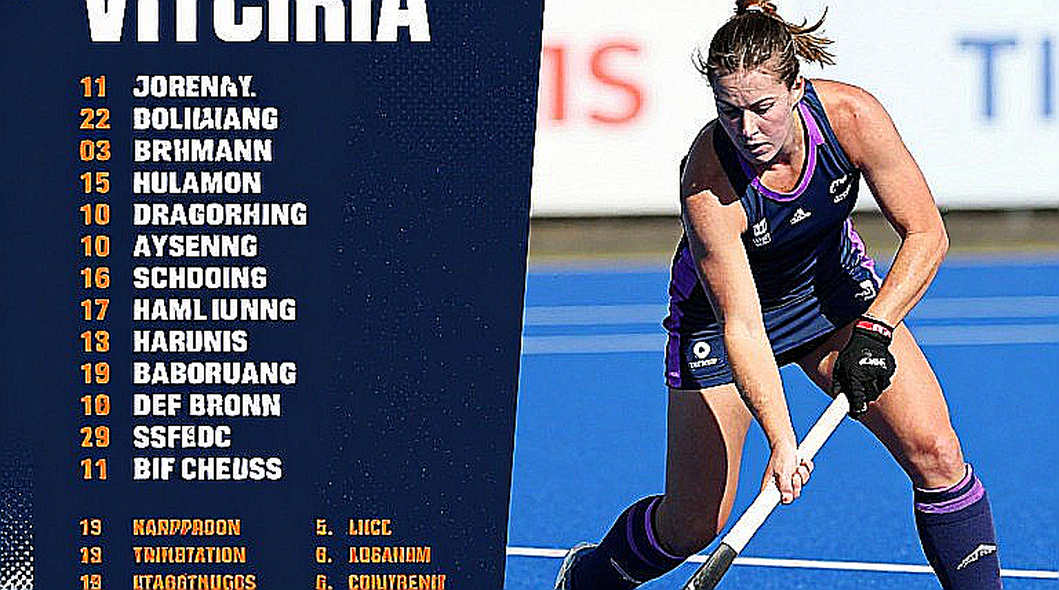
The context matters. Asian Games hockey is played in four fifteen-minute quarters with rolling substitutions, which means physical cost has to be measured by bench depth rather than by the best seven on the pitch. The tournament's biggest structural feature is that the Asia Cup champion earns a direct Olympic quota. Bangladesh is nowhere near that tier. India, Pakistan, Korea, Japan and Malaysia contest that level; Bangladesh and Sri Lanka sit far below it, as group-stage peers. The value of this win is therefore symbolic and psychological, not competitive.
To understand its weight, you have to turn back a page in the ledger. A few months earlier, Bangladesh lost to Sri Lanka at the AHF Cup. That bitterness does not dissolve into today's scoreline; place the two results side by side and the picture is that this rivalry is not fixed — it oscillates. Here the language discipline matters: the AHF Cup is not an Asia Cup, the Junior AHF Cup is a different thing again, and the Asian Games is a separate stage. Blur the three together and the narrative inflates while the information deflates.
One more caveat, because this concerns the blank columns of my notebook: I do not have official match statistics for this game. Possession, shot counts, how many of the goals came from penalty corners — none of it is in the source, and the source carries no publication date. I am telling you what my notebook does not contain. An absent record is not evidence of concealment.
The central question sits here. If every goal came from the fifteen-plus corners, conversion sits near thirty to thirty-three per cent, respectable at this level. If most goals came from open play, the reading inverts: corners are being won but not finished. This is what I call a penalty-corner dependency inversion — plenty of shield, a questionable edge on the sword. The source does not say which goal came from which route, so this is inference, not conclusion. Holding that ambiguity open is the right move.
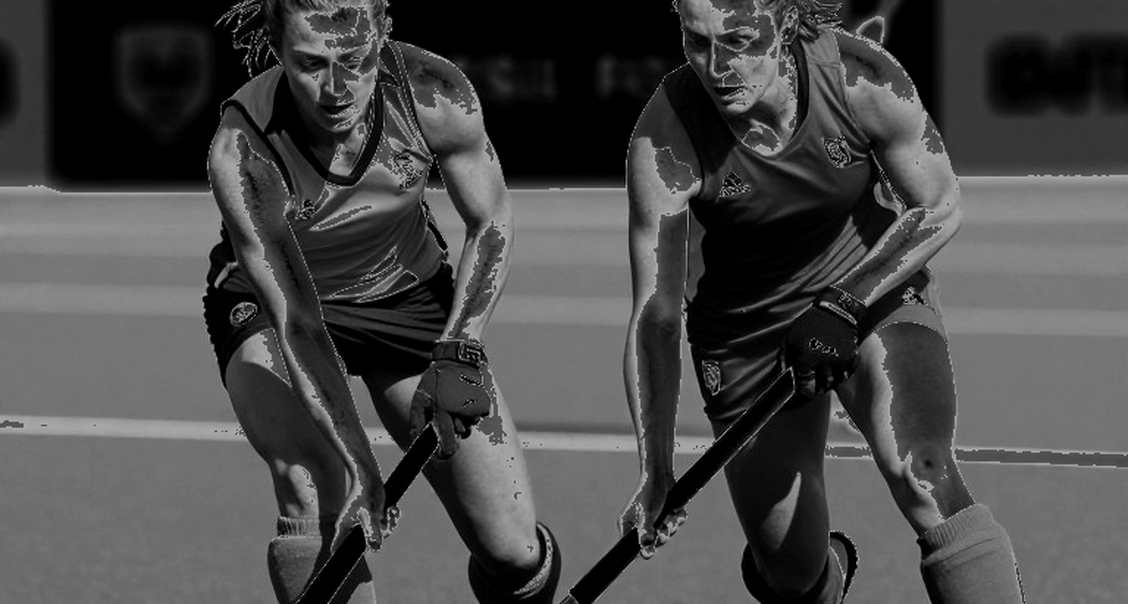
There is a genuine positive buried under the scoreline. The goals were distributed: a brace from Amirul Islam, a brace from Ashraful Islam, one from Mahbub Hossain. Roman Sarkar's side did not lean on a single drag-flick specialist. At a tier where teams often survive on one flicker's stick and one man's shoulders, that is a structural gain.
The defensive chapter remains unwritten. Sri Lanka scored once, through Kushal, which means Bangladesh's circle discipline, first-runner work and goalkeeping were barely tested. Whether a team that wins fifteen corners can also defend fifteen is a question only a stronger opponent will answer.
Back to the body. In October 2026 at Dhaka's Maulana Bhasani Stadium I logged sixty-three injury stoppages across twenty Asia Cup matches; thirty-eight fell in the last fifteen minutes of quarters, when fatigue takes over the decision-making. Rakib Hossain limped off a pool game with no strapping and no ice. Every stoppage is a sentence; enough of them become a confession. Since that night, every piece of mine carries a three-line medical footer — mechanism, minute, return estimate.
Apply that ledger here. The Asian Games schedule is congested, matches arriving every one or two days, which is a heavy tax on shallow benches. Who played how many minutes, who sat in the ice box, who cleared whom on what date — those three cells are empty in my notebook for this match. I do not know. A minutes-load model is not a prophecy; it is a receipt — and the receipt can only be written when somebody, somewhere, writes the number down. In Bangladeshi hockey, nobody does.
That raises the question you must ask outside the injury lens: does the season even exist? The Premier League has run thirteen seasons in twenty-seven years; nothing was played from 2026 to 2026; 2026 produced a joint-championship dispute; one functioning venue serves a country of 170 million. That calendar cannot manufacture a minutes baseline, only shocks — a few tournaments, then months of nothing. The empty season did not erase the baseline; it exposed it.
Which is why the rush to call this a revival is my main objection. There are two data points: a loss to the same opponent months ago, and a 5-1 win today. Both are single observations, pulling in opposite directions. Neither proves a rise; neither proves anything. Whoever writes "a new era" tonight will write sixteen columns in the other direction if the next strong opponent delivers a 7-0. The game does not change. The language does. That is the problem.
My second objection: a group-stage win over a third-tier opponent does not break structural ceilings. An amateur-to-semi-professional base, a narrow talent pool, youth participation siphoned by cricket — none of that moves in a day. The Asian Games champion goes to the Olympics, but that door remains theoretical for Bangladesh.
What can move is the psychology. The unease that followed the AHF Cup defeat is not erased by this result; it is answered. I do not decode pain; I decode the schedule that taught it — and that schedule says a win like this is not new to Bangladeshi hockey. What is new is that the men won, the women are in the draw, and for both squads this stage is the year's only major light.
So watch what comes next, not the five goals. Watch whether the corner pressure holds against a higher-tier opponent. Watch whether anyone keeps official figures on how many of those fifteen corners actually converted. Watch the women's team too, because one milestone is cheap and consistency is not. This win did not begin at the federation's door. But nobody can erase it from the Asian Games record — that is the only confirmed receipt tonight. The next one belongs to the schedule.