
Swimming
Denison’s 2:52.53: Four Strong Legs Break the Division III Record
core_answer: ডেনিসন পুরুষ দল ২৫-ইয়ার্ড পুলে ৪×১০০ ইয়ার্ড ফ্রিস্টাইল রিলে ২:৫২.৫৩ সাঁতরে NCAA ডিভিশন III রেকর্ড গড়েছে। চারটি লেগই ৪৪ সেকেন্ডের নিচে ছিল।
key_facts: নতুন রেকর্ড: ২:৫২.৫৩।; শিকাগো বিশ্ববিদ্যালয়ের আগের ২:৫৩.৩৩ রেকর্ডের চেয়ে ০.৮০ সেকেন্ড দ্রুত।; নিক হেনসেলের দ্বিতীয় লেগ: ৪২.৩৩ সেকেন্ড।; কেনিয়নের ২০১২ সালের ২:৫৩.৫৯ সময় এখন তৃতীয় স্থানে।
source_attribution: প্রদত্ত Stage-2 Deep Professional Analysis; প্রকাশের তারিখ উল্লেখ নেই।
related_qa: Q: ডেনিসনের রেকর্ডটি কোন পুলের মাপে?, A: এটি ২৫-ইয়ার্ড পুলের শর্ট-কোর্স-ইয়ার্ডস রেকর্ড।; Q: আগের রেকর্ডটি কার ছিল?, A: শিকাগো বিশ্ববিদ্যালয় মার্চ ২০২৬-এ ২:৫৩.৩৩ সময় নিয়ে আগের রেকর্ড করেছিল।; Q: রেকর্ডটি কি NCAA চ্যাম্পিয়নশিপে হয়েছে?, A: না, এটি ডেনিসনের ঘরের পুলে অনুষ্ঠিত মধ্য-মৌসুমি আমন্ত্রণমূলক প্রতিযোগিতায় হয়েছে।
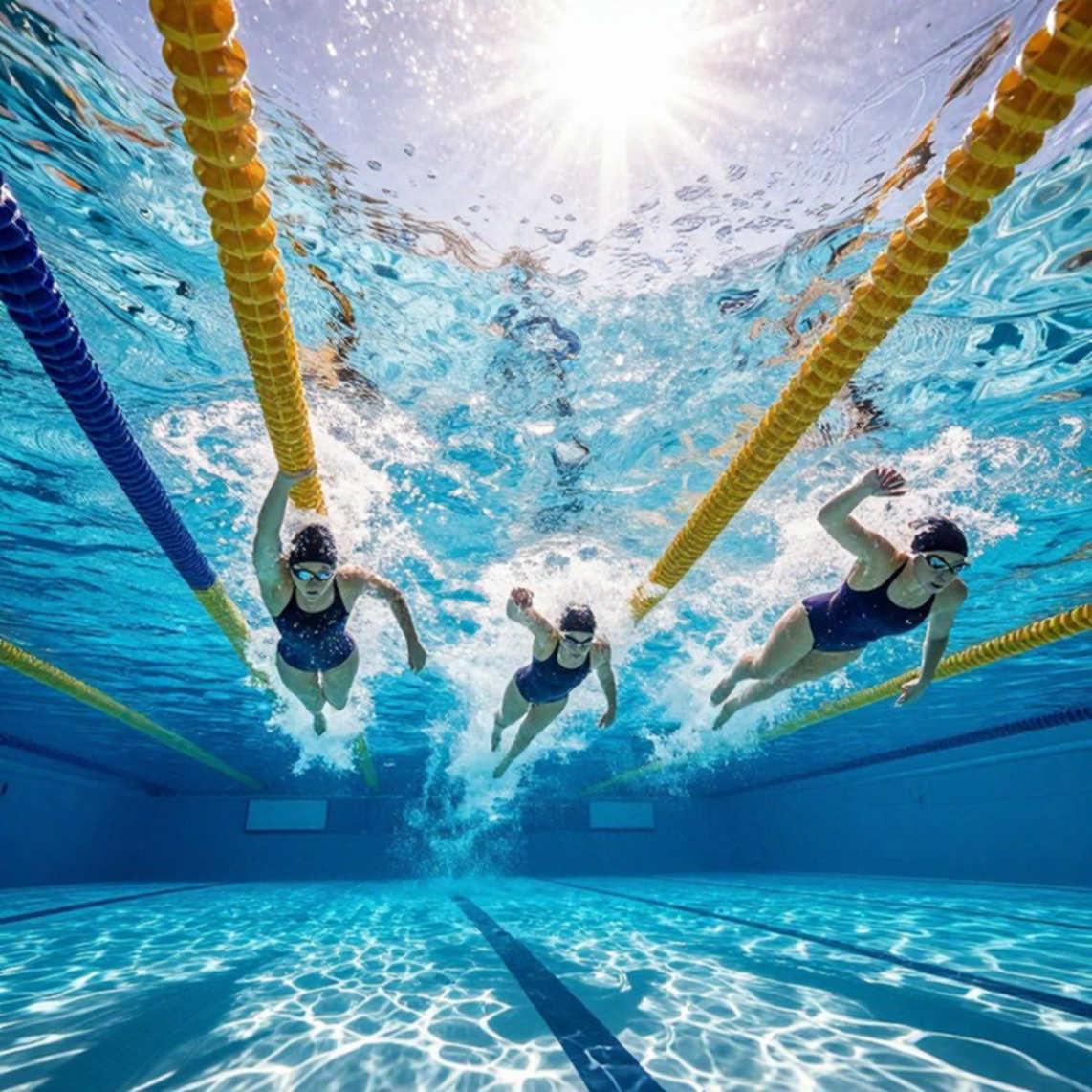
The most important part of Denison’s new NCAA Division III men’s 4×100-yard freestyle relay record is not the time alone. It is the balance across all four legs. Denison swam 2:52.53, 0.80 seconds faster than the previous mark held by the University of Chicago. More tellingly, all four Denison swimmers split under 44 seconds. This was not a single-leg breakthrough carrying the rest of the team; it was a relay with no obvious weak link.
Nick Hensel produced the night’s standout split on the second leg: 42.33 seconds. At the March 2026 NCAA Championships, he had split 43.26 as the anchor. Both were flying-start relay legs, so the difference cannot be explained simply by comparing a relay start with a flat start. The improvement of about 0.93 seconds stands out within the record swim. Yet Hensel is only the entry point to the story. The team’s depth is what makes the record more than an individual performance.
This is a short-course-yards record swum in a 25-yard pool. It should not be placed alongside meter-based international records or described as a world-level performance. The proper comparison is with previous NCAA Division III marks in the same event. The 2:52.53 is now the division’s standard. Any estimated comparison with another NCAA division would need to be clearly labeled and independently verified, rather than presented as a like-for-like fact.
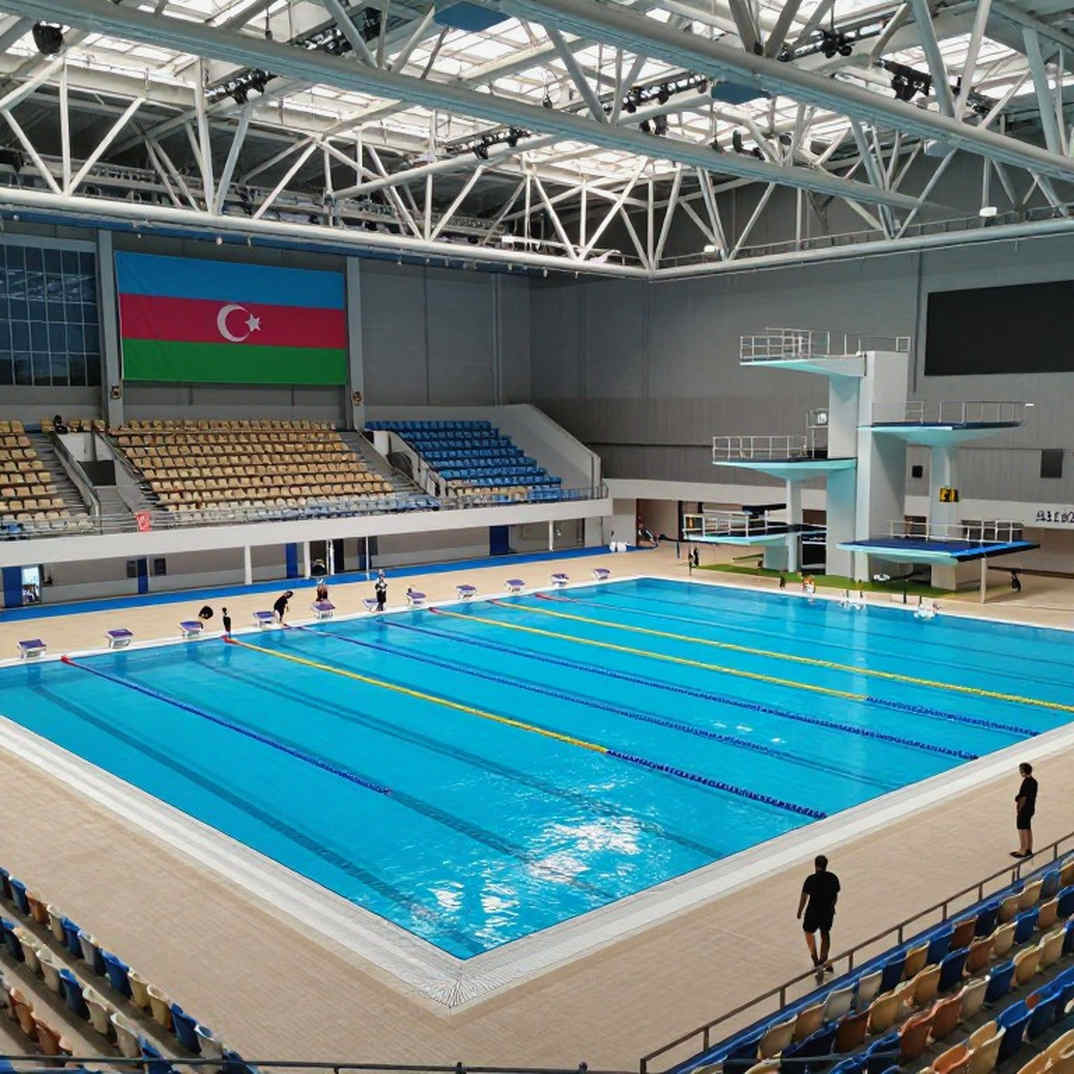
The record came at a midseason invitational in Denison’s home pool. It was not the March NCAA Championships, and the available information does not establish how rested the swimmers were. The 2:52.53 counts as a record, but it does not guarantee a particular championship result. The main question for March is less whether Denison can qualify than where the relay will be seeded and whether it can reproduce this level of execution.
All four Denison legs were under 44 seconds. Taken together, their average was about 43.13 seconds per leg. In Chicago’s previous record relay, two legs were over 44. That contrast identifies the key difference: Denison did not rely solely on its fastest swimmer. It distributed speed across the lineup. In a relay, one slower leg can consume the advantage built by the others. When all four swimmers are close in pace, there is less room for that loss.
The listed lineup was Hill, Hensel, Grant Goins and George Goins. Hensel’s documented second-leg split suggests that this was also the swimming order. He had anchored in March and moved to the second leg for this meet. Putting the fastest split earlier can help a team seize the lead and make its rivals chase. That is a plausible tactical reading of the order, but the coaching staff’s specific reasoning has not been reported. It should be treated as an inference, not a confirmed explanation.
Denison swam 2:54.76 in March and finished second. The new mark is 2.23 seconds faster. Such a gain is physiologically plausible over roughly eight months of collegiate training, but it should not be attributed entirely to improved individual speed. Relay order, exchange timing and coordination also affect the total. Full splits for all four legs are not available, so the contribution of individual improvement cannot be separated precisely from the contribution of execution and lineup changes.
The limits of the published data matter. Hensel’s split is the only individual leg time specified. The lead-off swimmer’s flat-start time is not given, and there are no turn, finish, underwater-distance or exchange-time details. The average split gives a useful picture of the relay’s overall balance, but it cannot establish each swimmer’s individual 100-yard freestyle ability. Without full splits, predictions about individual records would be premature.
The record progression puts the swim in context. Chicago set the previous mark at 2:53.33 in March 2026. Before that, Kenyon’s 2026 record stood at 2:53.59. That 14-year-old mark now ranks third. The three leading times cluster between 2:52.53 and 2:53.59, and two records fell in 2026. The important signal is not only that one relay went fast, but that the leading Division III standard has tightened quickly. A handful of results, however, cannot establish that every team in the division has improved at the same rate.
This shift belongs within Division III competition. It is a record in one specific NCAA tier, not evidence of dominance across international swimming. Denison and Chicago are now more prominent in the relay record story, while Kenyon’s long-standing historical position has receded. According to the supplied information, Denison also holds the Division III 4×200-yard freestyle relay record at 6:22.37. Chicago swimmer Costello reportedly set a 100-yard butterfly record of 45.56 on the same night. Two records at one meet provide useful context about the competition, though full meet results would be needed to assess its overall depth.
On the evidence available, Denison enters the March 2027 Division III Championships as the relay favorite on paper. That is a projection from its current time, not a championship result. At the meet, coaches will have to balance relay legs against individual-event schedules. Rest, event order and whether all four swimmers peak together can change the outcome. The available information does not answer those questions yet.
The principal rules risk in any relay is the exchange. A swimmer who leaves the block too early can disqualify the team, even when the total time is exceptional. No disqualification or rule violation was reported in this record swim, so it is treated as a ratified mark. Still, the margin between a fast exchange and a legal one demands attention, especially at championship pace. The source material contains no information suggesting doping, eligibility or administrative disputes, and there is no basis to speculate about them.
Chicago set the mark at 2:53.33 in March; Denison has now moved it to 2:52.53. The gap is modest, but four sub-44 legs make the new record persuasive. Hensel’s 42.33 split draws attention; the other three legs give the performance its foundation. The 2027 championship test will not be simply whether Denison can lower this midseason time. Can the team bring four strong legs, legal exchanges and the right level of rest together on the same night? March will provide that answer; this record alone cannot.

Related Players
Recommended
Lucy Hope Retirement: A Decade of Relay Mastery and the Ledger Behind the Medals2026-11-18
The Swimming Label and the Empty-Data Trap: Why Bangladeshi Sports Journalism's 'Data' Reports Often Say Nothing at All2026-11-03
Zero Point Eight Three Seconds: The Ledger Missouri Must Balance Before Irelyn Kennedy Arrives2026-10-30
Grant Bellin to Cal: The Class of 2028's No. 1 Backstroker, and the Three Cells Still Empty2026-09-24
Denison’s 2:52.53: Four Strong Legs Break the Division III Record2026-11-22
Recommended
Auditing the Empty Sheet: Where the Chain of Custody Breaks in the Swimming File2026-10-04
Another Pool Beyond Mirpur: The Equipment That Leaves Water Behind and Puts Impossible Promises Up Front2026-11-04
Shackell and Knedla Earn CSL Match 7 MVPs as Indiana's Dominance Exposes Two Different Forms of Sprint Excellence2026-11-06
The Quiet Water of a Verbal Commitment: Cassie Espinoza, USC and the Arithmetic of 4:51.132026-10-18
A Twelve-Point Promise: What 15:49.73 Says—and What Short Course Hides—in Bucknell’s Distance Recruitment2026-10-29