
A Judge, Two Swimmers and the Roster Ledger: What the NCAA Fifth-Year Ruling Actually Says
প্রশ্ন: NCAA-র পঞ্চম বছরের যোগ্যতা নিয়ে সাম্প্রতিক রায়টি কী? সংক্ষিপ্ত উত্তর: ২০২৬ সালের NCAA চ্যাম্পিয়নশিপে ইন্ডিয়ানার হয়ে ৩৯ ও ৩০.৫ পয়েন্ট করা জালান সারকানি ও ওয়েন ম্যাকডোনাল্ডকে ফেডারেল আদালত প্রাথমিক নিষেধাজ্ঞার মাধ্যমে ২০২৬–২৭ মৌসুমে পঞ্চম বছরের যোগ্যতা দিয়েছে; তাঁরা এখনই সাঁতারের যোগ্য, তবে সম্ভাব্য আপিল এই স্থায়িত্বের ওপর প্রশ্ন রেখে যায়। মূল তথ্য: - সারকানি ৩৯ ও ম্যাকডোনাল্ড ৩০.৫ পয়েন্ট পেয়েছিলেন ২০২৬ NCAA চ্যাম্পিয়নশিপে; এগুলো টিম স্কোর, সময় নয়। - কেন্দ্রে ২০২৬–২৭ NCAA ম্যানুয়াল ও ‘পাঁচে-পাঁচ’ নিয়ম; সাময়িক নিষেধাজ্ঞা ১৪ সেপ্টেম্বর ২০২৬-এ শেষ হয়। - ইন্ডিয়ানার উদ্বোধনী কলেজ সিম League ম্যাচ ২৪ সেপ্টেম্বর ২০২৬, মিশিগান, ওহাইও স্টেট ও লুইসভিলের বিপক্ষে। - সূত্রে স্ট্রোক, ইভেন্ট, স্প্লিট বা রিঅ্যাকশন টাইম নেই; গতি-সংক্রান্ত কোনো দাবি যাচাইযোগ্য নয়। - আপিলের সম্ভাবনা রায়ের স্থায়িত্ব অনিশ্চিত রাখে; তথ্যটি প্রধানত একক-সূত্রভিত্তিক। সূত্র: NCAA ২০২৬–২৭ ম্যানুয়ালের উদ্ধৃতি এবং রিপোর্টভিত্তিক আদালতের রায়; নির্দিষ্ট প্রকাশতারিখ সূত্রে উল্লেখ নেই, তথ্য স্বাধীনভাবে যাচাই করা হয়নি। | সূত্র-যাচাই নীতি: cricsultan.com সম্পর্কিত প্রশ্নোত্তর: প্র. পঞ্চম বছরের যোগ্যতা মানে কি অলিম্পিক যোগ্যতা? — উ. না, এটি কেবল NCAA-র কলেজ-মৌসুম যোগ্যতা; অলিম্পিক বাছাই সম্পূর্ণ আলাদা প্রক্রিয়া। প্র. আপিল হলে ইন্ডিয়ানার কী ক্ষতি? — উ. প্রাথমিক নিষেধাজ্ঞা বাতিল হলে মৌসুমের মাঝপথেই দুই পয়েন্ট-স্কোরার অযোগ্য হয়ে যাবেন, যা রোস্টার-পরিকল্পনায় বড় ফাঁক তৈরি করবে। প্র. ২৪ সেপ্টেম্বর ২০২৬-এর ম্যাচে তাঁরা সাঁতারবেন কি? — উ. নিষেধাজ্ঞা তাঁদের যোগ্য ঘোষণা করেছে, তবে অংশগ্রহণ নির্ভর করে Coachের মিট-ভিত্তিক রোস্টার সিদ্ধান্তের ওপর।
- And 30.5. Two numbers, both points, not seconds. At the 2026 NCAA Championships, Zalan Sarkany put up 39 points in an Indiana cap and Owen McDonald added 30.5. Now a federal judge has granted both men a fifth year of eligibility for the 2026-27 season through a preliminary injunction. The headlines will say “eligibility.” My reading is that this is not an eligibility story at all; it is a roster-economics story.
Start with what is missing. The source contains no splits, no reaction times, no stroke rates, no turn data, and no event assignments. Whether either swimmer races backstroke, individual medley or distance freestyle is not determinable, and I will not assert it. When a story contains zero performance content, writing about speed means passing off imagination as reporting.
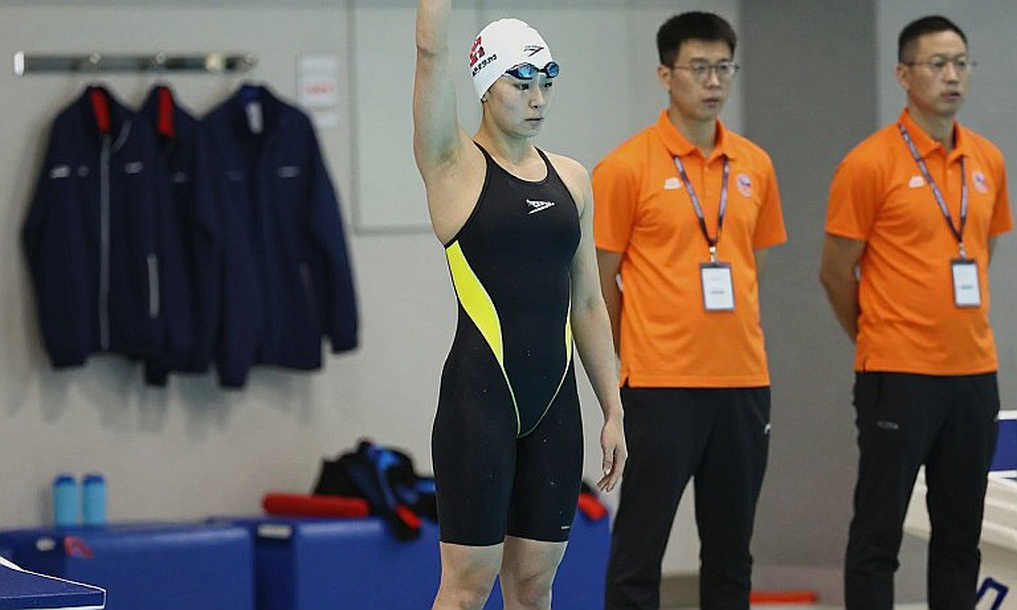
For readers outside the American system, the context matters. U.S. collegiate swimming lives under the NCAA umbrella and runs in short-course yards, a 25-yard basin. Nobody wins a team title on times; teams win on points. At the NCAA Championships, the top 16 swimmers score, and relay legs are worth double. Rosters are built accordingly, around athletes who can stack points across events and, often, across relays.
Eligibility here is a calendar fight. The standard window is four competitive years, extendable to five through injury or a redshirt. At the centre of this case is the “five-for-five” rule and the 2026-27 NCAA Manual. The swimmers’ legal argument is that the manual’s language entitles them to a fifth year; some athletes have taken that reading to court, and this ruling is the downstream result.
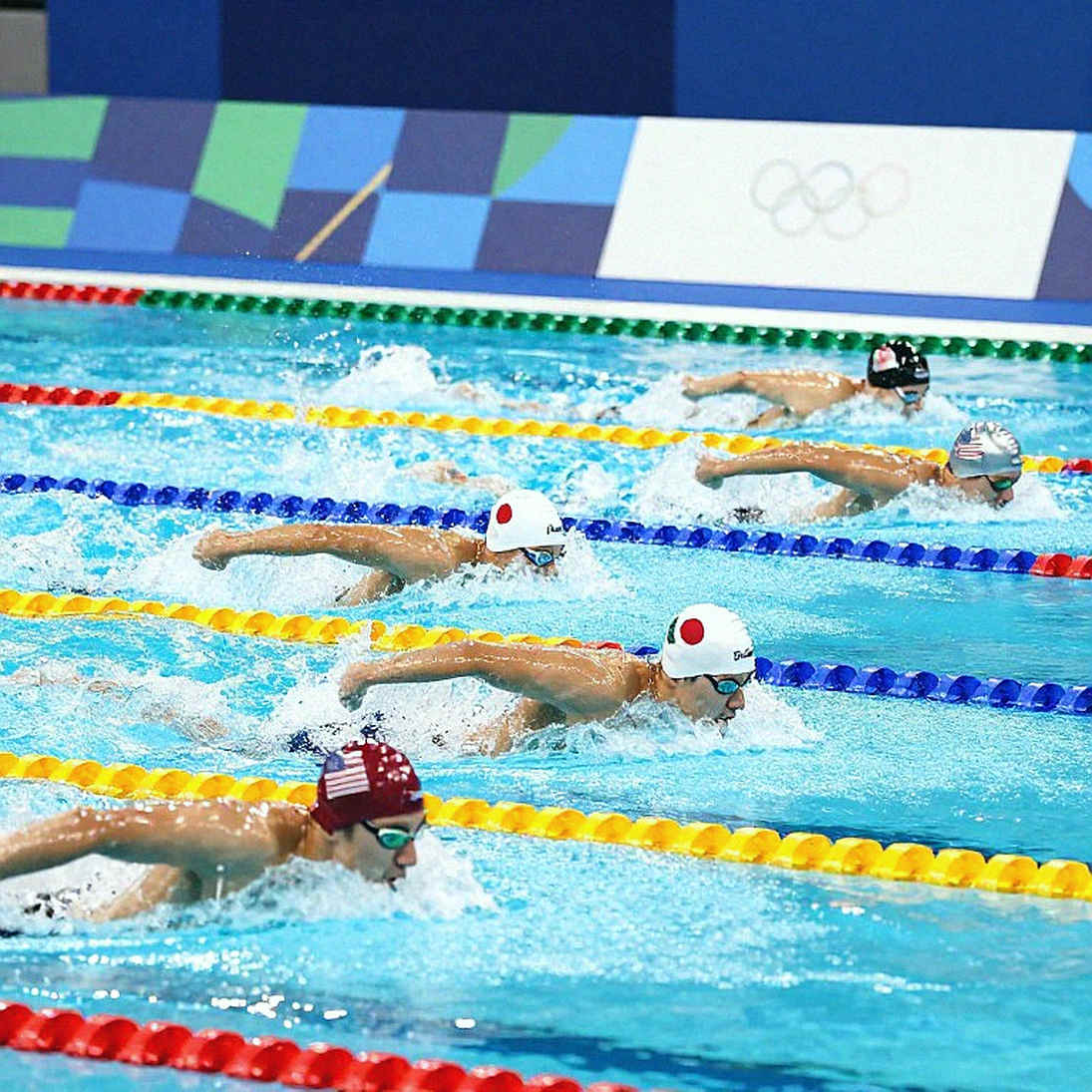
The procedural ladder matters because its rungs are not equal. First came a temporary restraining order, which expired on September 14, 2026. Then came the preliminary injunction, which now allows both men to race. Next comes an expected appeal, which is the largest open variable. A TRO was a one-week umbrella; a preliminary injunction is a one-season umbrella; an appeal is a request to take the umbrella back.
For now, they are eligible. The word “now” is doing heavy lifting. Collegiate roster planning happens in August and September, and a reversal mid-season leaves a coach with no spare lane and no simple explanation.
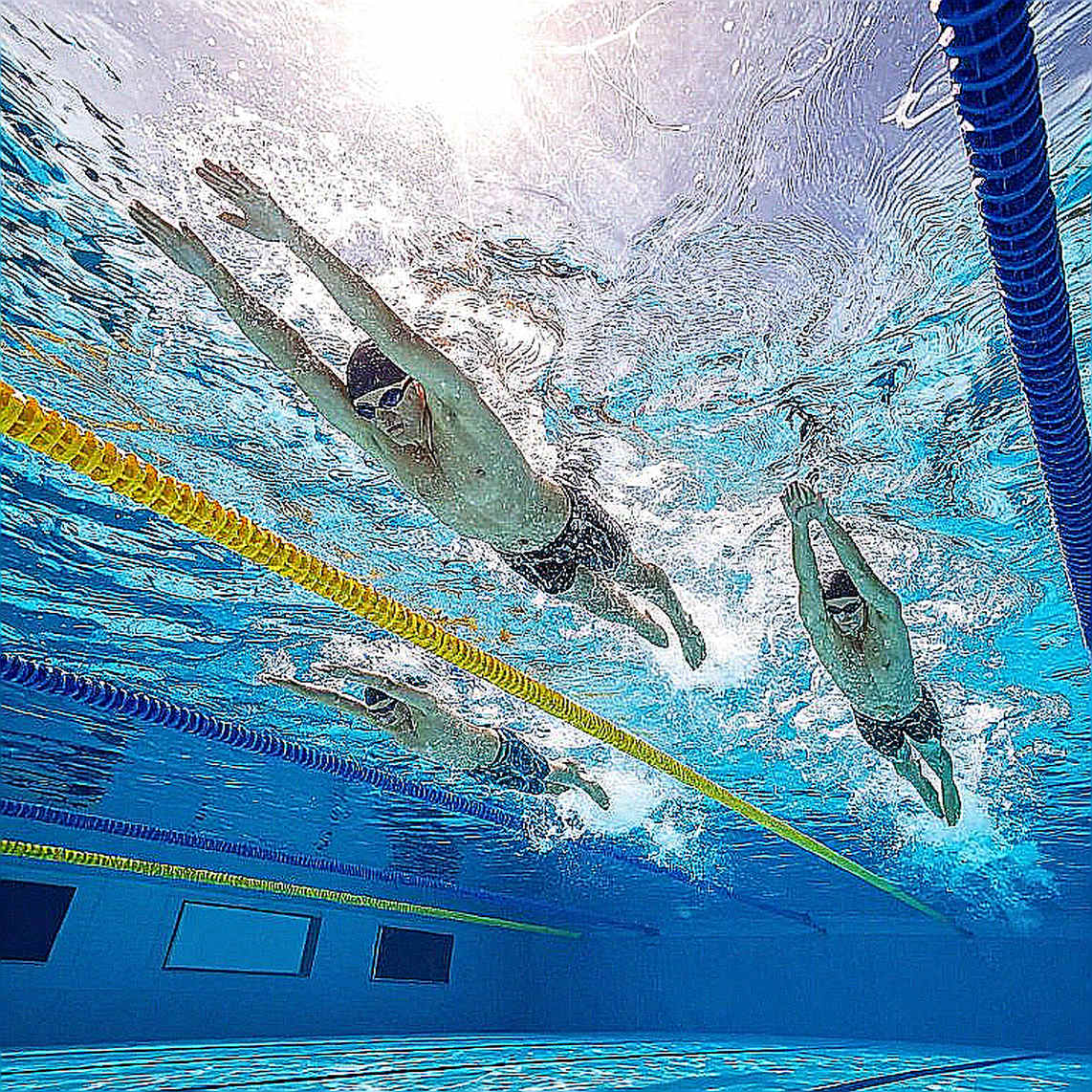
That is the backdrop to Indiana’s opener on September 24, 2026, an inaugural College Swim League meet against Michigan, Ohio State and Louisville. The league is new, has no history, and offers no trophy with dust on it. The result of the meet carries little weight in swimming terms. The event that actually mattered happened in a courtroom.
So what is the real story? At its centre is not speed but legal capacity: who can afford to litigate. When a program learns two of its point scorers are about to lose eligibility, it has three tools: lawyers, scholarship arithmetic, and next year’s recruiting quota. Indiana reached for the first.
Understanding what 39 points means is essential. In NCAA scoring, a single event final yields a handful of points; reaching 39 requires multiple finals and probably relay legs. These are not one-night stars; they are a full week of arithmetic. Their combined 69.5 points shape Indiana’s projected NCAA team band, and that band dictates coaching job security, scholarship budgets and the recruiting pitch for years.
This is where I look toward the rivers of Bengal. In 2026, at 24, I sat in the outdoor Mirpur complex and counted 76 golds: 44 to the Navy, 19 to the Army, 9 to BKSP, and four shared among civilian clubs. Two entries from Rajshahi Division, zero finalists. I counted the medals in Mirpur because the cheering felt rented. Our swimmers do not get a fifth year because they never get a real second year.
In America, eligibility is a document that can be argued over, litigated, and answered in a multi-page ruling. In Bangladesh, eligibility is a permission slip: a birth certificate, a federation list, and whether a coach’s eye lands on you. An American swimmer goes to a judge for a fifth year; ours loses a trainer before finishing a fourth. The World Cup ate the newsroom, so I wrote about drowning instead — roughly forty children a day. And when the pools closed in 2026, I got into the river and learned the current, even though I could barely swim.
I watch NCAA streams from Rajshahi at three in the morning, laptop light on the window, paddy smell outside. The scoreboard is a bad historian but a great witness — 30.5 and 39 are witness statements about a roster, not certificates of speed. If they were certificates, I would not need to imagine the rest.
Now the part where I cut my own argument. Objection one: the assumed gain from retaining two scorers ignores that NCAA team scoring is capped in practice. A swimmer can only enter so many events, so restoring two veteran names may push a freshman’s development into the corner of a drawer for a season. Points now, cost later — nobody counts that.
Objection two is larger: a ruling is one thing, its durability another. A preliminary injunction can be reversed on appeal, and if that happens in January, two scorers vanish from the middle of Indiana’s roster. The coach loses points he had already booked, the program hunts for explanations, and the athletes return to the wrong side of a calendar. I am not predicting a season off 39 points, because one meet is a small sample.
Objection three turns on me: I will not read a judge’s order as reform of a sport. Courts enforce contracts, interpret manual language, and set the duration of relief. Courts do not build pools, hire coaches, or send instructors to village ponds. A legal win is not a policy win; it is one athlete’s guaranteed season.
The most uncomfortable question is access. A swimmer who can litigate a fifth year belongs to a minority with a university legal team and a television-valuable name beside him. A mid-major swimmer who contributes ten points, and whom nobody knows, has no door at all in this debate. An injunction protects well where it protects, but it protects those who can buy the protection.
For a Bangladeshi reader this may feel distant. The principle is familiar: where no legal paperwork stands beside an athlete, the argument over eligibility never starts. Check our record books — age rises, a name is erased from a list, and rivers and monsoon water remain. Until an organisation stands beside a child before that child enters the pond, we have no standing in the fifth-year debate, because our competition never begins, and that absence is never counted.
What to watch next: three things. One, the appeal docket — whether the ruling is settled before the season or shifts in January, which decides whether eligibility is a right or a privilege. Two, the first College Swim League meets, which will show whether veteran points come from old names or simply from lane count. Three, whether other programs copy the filing; if they do, NCAA eligibility stops being a chapter in a constitution and becomes a litigation pipeline — where lawyers, not rules, decide who gets in the water.
For Bangladesh the question stays open. We are not in that outdoor Mirpur pool; we watch the rules from outside, through a television wire. In five years, will one of our swimmers hear the words “fifth year” — or, as before, stand on a fourth-floor balcony thinking that swimming means one lap and a little safety from the water, and nothing more?