
Brighton’s 2-0 Loss at Hull Exposes the Cost of Control Without Conversion
মূল উত্তর: রয়টার্সের ২২ নভেম্বর ২০২৬ তারিখের ম্যাচ রিপোর্ট অনুযায়ী, হাল সিটি অতিরিক্ত সময়ে অলিভার ম্যাকবার্নির দুই গোলে ব্রাইটনকে ২-০ হারায়। ব্রাইটন ম্যাচের বড় অংশ নিয়ন্ত্রণ করলেও গোলের সুযোগ কাজে লাগাতে পারেনি; জোয়াও কোস্তিনিয়ার দ্বিতীয় হলুদ কার্ড তাদের শেষ মুহূর্তের প্রতিরোধ More দুর্বল করে। মূল তথ্য: - ম্যাচ: হাল সিটি ২-০ ব্রাইটন অ্যান্ড হোভ অ্যালবিয়ন। - গোলদাতা: অতিরিক্ত সময়ে অলিভার ম্যাকবার্নি দুই গোল করেন। - ব্রাইটন ম্যাচের বড় অংশে বল ও অঞ্চল নিয়ন্ত্রণ করে। - হালের গোলরক্ষক কনস্তান্তিনোস জোলাকিস একাধিক সেভ করেন। - আর্সেনালের সঙ্গে ব্যবধান ছয় থেকে তিন পয়েন্টে নামানোর সুযোগ হারায় ব্রাইটন। উৎস: রয়টার্স, ২২ নভেম্বর ২০২৬। স্বাধীন যাচাই প্রয়োজন, কারণ উৎসে Statisticsগত তথ্য ও কয়েকটি ক্লাব-খেলোয়াড় সম্পর্কিত তথ্য অসম্পূর্ণ। প্রাসঙ্গিক প্রশ্নোত্তর: প্রশ্ন: ব্রাইটন কেন হারল? উত্তর: বল নিয়ন্ত্রণ করলেও ব্রাইটন গভীর রক্ষণ ভেদ করে পর্যাপ্ত উচ্চমানের সুযোগ তৈরি করতে পারেনি এবং অতিরিক্ত সময়ে রক্ষণ ভেঙে পড়ে। প্রশ্ন: হাল সিটির জয়ের মূল কারণ কী ছিল? উত্তর: কনস্তান্তিনোস জোলাকিসের সেভ, গভীর রক্ষণ এবং অলিভার ম্যাকবার্নির শেষ মুহূর্তের কার্যকর ফিনিশিং। প্রশ্ন: জোয়াও কোস্তিনিয়ার কার্ডের প্রভাব কী? উত্তর: দ্বিতীয় হলুদ কার্ড ব্রাইটনকে একজন খেলোয়াড় কমিয়ে দেয়, তবে কার্ডটি গোলের আগে না পরে হয়েছে তা উৎসে স্পষ্ট নয়।
Hull City’s 2-0 win over Brighton & Hove Albion was decided after the 90th minute, but the warning signs appeared much earlier. Brighton controlled large stretches of the game, circulated the ball through midfield and repeatedly tested Hull’s defensive structure. Yet the score remained 0-0 until stoppage time, when Oli McBurnie scored twice and turned a controlled Brighton performance into a damaging defeat.
This analysis is based on a Reuters match report dated November 22, 2026. The report contains no shot count, expected-goals figures, possession percentage, PPDA or penalty-area entry data. Several player and club affiliations mentioned in the source also require independent verification. The tactical conclusions below therefore follow the internal logic of the report rather than a fully verified statistical record.
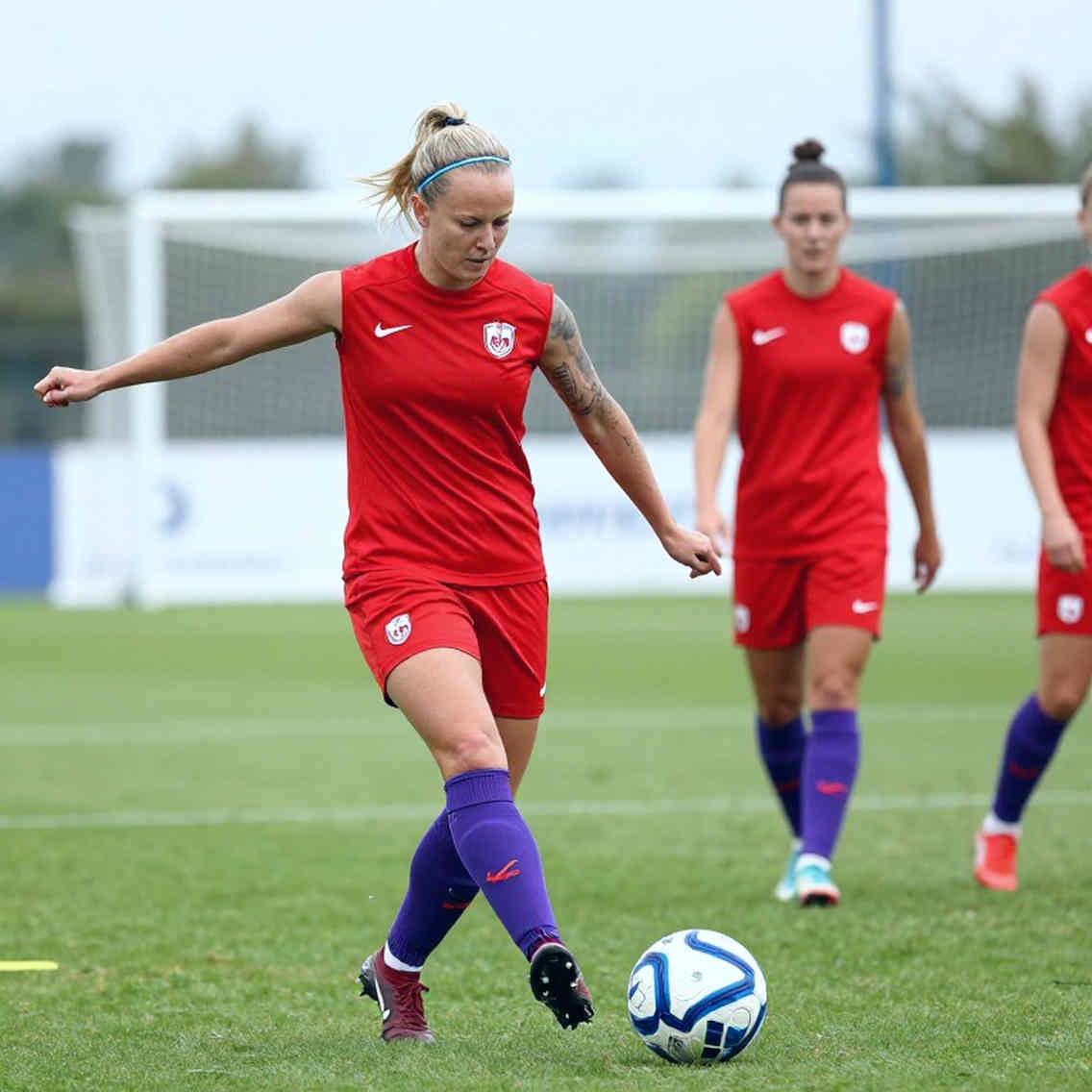
Hook: When control collapses at the finish
The most important feature of the result is its timing. A 2-0 defeat after being dominated would have been easy to explain. The report describes a different match: Brighton controlled much of the contest, Pascal Gross dictated the midfield and Hull goalkeeper Konstantinos Tzolakis made several important saves.
That profile suggests a team with territorial control but incomplete final-third execution. Brighton had the ball and territory, yet the report does not identify a consistent penalty-box threat. The result was a familiar football contradiction: the side that appeared to control the game lost it through two stoppage-time goals.
The timing also magnified the league consequences. Arsenal and Manchester City had dropped points on the same Saturday, according to the report. A Brighton victory would have reduced the gap to Arsenal from six points to three. This was therefore a high-cost zero, not an ordinary away defeat.
Context: Brighton’s control against Hull’s resistance
Brighton’s attacking structure appears to have relied on controlled build-up, midfield rotation and half-space movement. Gross provided the tempo, while Ayari and Diego Gómez were described as players who troubled Hull’s defence. That description points to a possession-based model in which creative midfielders carry the ball forward and search for openings between the lines.
The difficulty is that deep defensive blocks are rarely broken by possession alone. They require repeated runs behind the defensive line, bodies in the six-yard area and a reliable finisher who can turn midfield creation into shots from central locations. The report names no Brighton centre-forward as the main danger. That omission may be the most significant tactical clue in the entire match account.
Hull’s approach was more conservative. The home side defended deep, absorbed pressure and relied on Tzolakis to handle the chances that reached the final defensive layer. A goalkeeper making several saves does not automatically prove that a defensive plan failed. A deep block can be working as intended if it restricts the quality and location of the chances.
Based on my years of watching matches, the most common analytical mistake is to treat possession and danger as identical. A team can keep the ball for long periods and still fail to create the type of pressure that changes a scoreline. Brighton’s performance, as described, fits that distinction.
Core analysis: Brighton had the ball, Hull had the decisive moments
Brighton’s central problem was conversion rather than possession. The report tells us that Gross controlled midfield and that Ayari and Diego Gómez caused problems. It does not tell us how many shots Brighton had, how many came from inside the penalty area or how often the team reached the six-yard box. Without those details, it is impossible to call the performance dominant in a statistical sense.
The likely attacking pattern was clear enough. Gross helped organise the build-up, while the advanced midfielders moved into the half-spaces. Hull’s defenders were forced to shift laterally, but a deep block can survive that movement if the final pass arrives without a run behind the line. When the attack remains outside the box, defenders can protect the central channel and wait for a misplaced pass.
A direct striker would have changed the terms of the contest. Brighton needed a forward capable of occupying both centre-backs, attacking crosses and winning second balls near the penalty spot. The report instead highlights midfield creativity. That suggests a structural imbalance: Brighton created through midfield but did not finish through the box.
Hull’s victory was built on resistance and late transition, although the formula may be fragile over a full season. Tzolakis kept Hull in the match, while McBurnie scored twice in stoppage time. That combination can win a single game, especially against a possession-heavy opponent that becomes stretched late. It does not prove that Hull consistently creates superior chances.
McBurnie’s brace also reveals a contrast in finishing profiles. A physical forward can become more dangerous as a defending team tires. Long clearances, second balls and late crosses gain value when the opposition loses concentration. Brighton’s passing structure required time and space; McBurnie needed one or two decisive moments.
The second yellow card shown to João Costinha is another major variable. The report says the dismissal made Brighton’s task harder, but its sequence is unclear. It does not establish whether the red card came before or after McBurnie’s goals. That matters. If Costinha was dismissed before the opener, Brighton’s reduced numbers may have directly opened the door to Hull’s late pressure. If the dismissal came after a goal, it cannot be treated as the original cause of the defeat.
The tactical effect of a late dismissal is still clear. A team with ten players has fewer bodies for the counter-press, fewer options for securing second balls and larger spaces to protect. Brighton’s control-based model becomes less reliable when it must defend deeper and cannot immediately recover possession.
The match also raises questions about late-game management. Did Brighton make the right substitutions? Did the team preserve enough rest defence behind the ball? Could it have used possession more aggressively in the corners? The report provides no substitution details, so none of these questions can be answered as fact. They should, however, be part of Fabian Hurzeler’s internal review after conceding twice in stoppage time.
The angle critics may miss
It would be easy to label the defeat a direct failure of Hurzeler’s tactics. Brighton controlled the game and still lost, so the usual accusations will concern slow attacking play or delayed substitutions. Yet the source does not prove either claim. If Tzolakis made high-quality saves from central chances, Brighton’s attacking plan worked better than the score suggests. If most attempts were low-value efforts from distance, the possession narrative may have overstated the performance.
The league context also matters. Brighton were reported to be second, six points behind Arsenal. That position changes the public standard. A club that would previously have been praised for competing near the European places is now being judged as a possible title challenger. The defeat did not end Brighton’s season, but it closed a rare opportunity to reduce the gap to the leaders.
There is no financial evidence in the report. No wages, transfer fees, broadcasting income, ownership information or regulatory issue is provided. Any financial conclusion would be invented. The only reasonable commercial inference is that a sustained top-two position would raise the value of European qualification and increase interest in Brighton’s emerging players.
The same principle applies to governance. The live disciplinary issue is Costinha’s second yellow card. The report mentions no VAR dispute, refereeing controversy or financial compliance matter. The club’s immediate concern is therefore sporting discipline and late-game decision-making rather than a wider regulatory case.
What Brighton must test next
The next two or three matches will show whether this was an isolated result or a repeatable weakness. Three indicators deserve close attention: Brighton’s number of penalty-area entries against deep blocks, the team’s ability to retain the ball after the 85th minute, and the frequency of late defensive cards.
The club should also monitor goals conceded after the 85th minute, touches inside the opposition box and second-ball recoveries. The current report supplies none of those figures. That means neither Hull’s goalkeeper-led resistance nor Brighton’s inability to convert can yet be called a season-long trend.
Gross’s influence is another issue. An experienced midfielder can control tempo, but a team needs a second route when opponents close his passing lanes. Ayari and Diego Gómez must become more than carriers between the lines; they must also arrive in the box often enough to give the defence a different problem.
Takeaway
Brighton’s defeat at Hull did not destroy their title hopes. It exposed the cost of mistaking control for conversion. Against deep blocks, Brighton need stronger box occupation, sharper late-game management and a clearer response when reduced to ten men.
The next fixture will determine whether the match was a cruel exception or the beginning of a pattern. If Brighton again control the game and collapse late, the Hull defeat will stop being an unfortunate result. It will become evidence of a structural problem.