
Qatar’s Possible Coaching Change Around Regragui Creates a New Asian Cup Calculation for Indonesia
মূল উত্তর: ওয়ালিদ রেগরাগুই কাতারের Coach হলে ইন্দোনেশিয়ার এশিয়ান কাপ প্রস্তুতিতে নতুন কৌশলগত চ্যালেঞ্জ তৈরি হতে পারে, তবে নিয়োগটি এখনো আনুষ্ঠানিকভাবে নিশ্চিত নয়। মূল তথ্য: - মরক্কো ২০২২ বিশ্বকাপে প্রথম আফ্রিকান দল হিসেবে সেমিফাইনালে পৌঁছায়। - মরক্কো ওই বিশ্বকাপে চতুর্থ হয়। - রেগরাগুইয়ের কাতার নিয়োগের খবরের উৎস নামহীন এবং সরাসরি ফেডারেশন ঘোষণা নেই। - ইন্দোনেশিয়ার সম্ভাব্য গ্রুপে জাপান, কাতার ও থাইল্যান্ডের নাম উল্লেখ করা হয়েছে। উৎস: VIVA, প্রকাশনার তারিখ অনুল্লেখিত; বিশ্লেষণ রেফারেন্স ২১ নভেম্বর ২০২৬। প্রশ্ন: রেগরাগুইয়ের সবচেয়ে বড় প্রমাণ কী? উত্তর: মরক্কোর ২০২২ বিশ্বকাপে চতুর্থ স্থান অর্জন এবং সেমিফাইনালে ওঠা। প্রশ্ন: ইন্দোনেশিয়ার প্রধান প্রস্তুতি ঝুঁকি কী? উত্তর: কাতারের Coachিং পরিচয় বদলালেও নিজেদের দলীয় কাঠামো ও বেঞ্চ পরিকল্পনা অক্ষুণ্ণ রাখা। প্রশ্ন: নিয়োগটি কি নিশ্চিত? উত্তর: না, কাতার Football ফেডারেশনের আনুষ্ঠানিক ঘোষণা না আসা পর্যন্ত এটি যাচাই-অপেক্ষমাণ খবর।
A possible coaching change in Doha has opened a new file in Indonesia’s Asian Cup preparation. Walid Regragui could take charge of Qatar, according to circulating reports, although the Qatar Football Association has made no official announcement and the reports do not identify their sources. The appointment cannot therefore be treated as completed. The story still matters because Indonesia may face Japan, Qatar and Thailand in the same group, leaving every opponent’s coaching structure relevant to the preparation plan.
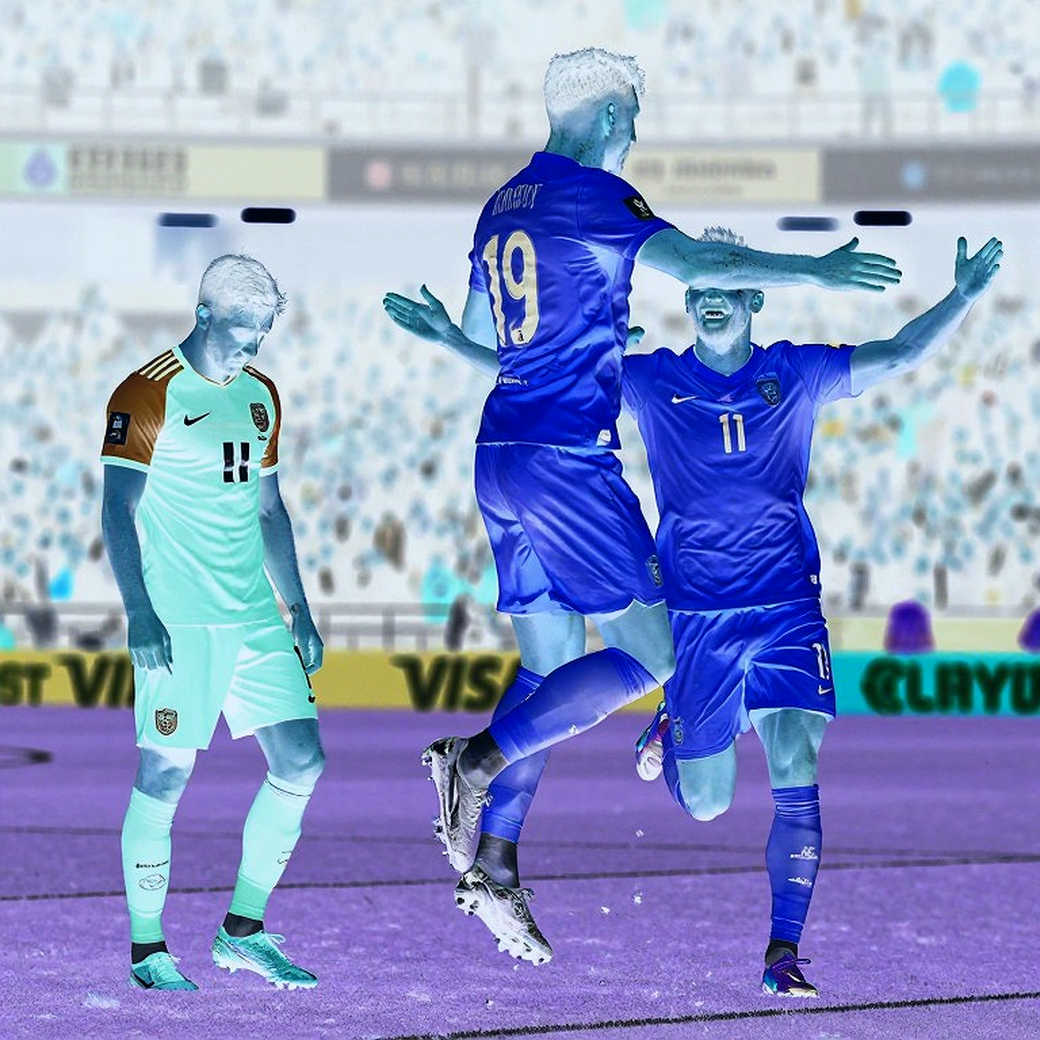
In my experience, a national-team coaching story affects the pitch before a contract is formally signed. Players begin thinking about a possible system, analysts revisit old matches, and the media starts presenting a potential strength as an established one. That is where caution is required. Regragui’s name is significant, but the evidence behind the appointment remains limited.
Context: Why Regragui’s record matters
The strongest evidence supporting Regragui is Morocco’s 2026 World Cup campaign. Under his leadership, Morocco became the first African nation to reach a World Cup semi-final and eventually finished fourth. That is more than a reputation point. It showed that an international side could be organized for a short tournament and remain competitive against teams with greater historical resources.
A single tournament, however, cannot be transferred directly into Qatar’s future results. The speed, defensive discipline, transition threat and individual quality present in Morocco may not exist in Qatar’s current squad in the same form. Regragui’s previous work with Al-Duhail may help him understand the local football environment. Club football and international football still demand different methods. Clubs train daily; national teams have limited contact time and depend heavily on established relationships and clear instructions.
The report claims that Julen Lopetegui’s contract may expire next spring. The publication date is not provided, so that timeline cannot be checked precisely. The claim that Qatar does not plan to renew Lopetegui and has held advanced discussions with Regragui is the most important part of the report, and also the least transparent part. No named reporter or direct federation statement is supplied.
Core analysis: What would change for Indonesia
Regragui’s real advantage is not his fame but his demonstrated ability to organize a tournament team. Morocco’s 2026 result established him as a coach capable of combining match planning, defensive distances and fast attacking transitions against stronger opponents. That advantage will transfer to Qatar only if Qatar’s players can execute the same principles.
Indonesia’s first task should be to prepare two separate match plans without treating the possible appointment as a reason for panic. If Regragui arrives, Qatar could defend in a compact block and attack quickly, or attempt to control possession through numerical advantages in midfield. The choice would depend on the pace of Qatar’s central defenders, the one-versus-one ability of its wide players and the midfield’s capacity to resist pressure. The supplied material does not provide reliable evidence on those areas.
John Herdman’s challenge is therefore larger than stopping Regragui. He must build an Indonesia side capable of retaining its structure even if Qatar changes coaches. International preparation time is short. If player roles change too heavily from opponent to opponent, the team can lose its identity. Indonesia will need clear routes for the first three passes from the back, a plan for second-ball contests and reliable ways to escape pressure on the wings.
Japan would be the strongest reference point in the reported group. Against Japan, Indonesia’s defensive discipline without the ball, decision-making under pressure and bench depth would be tested. Thailand presents a different problem. Regional familiarity, fast transitions and emotional pressure could shape that fixture. If Indonesia designs its entire preparation around Qatar, it may weaken its readiness for the other two matches.
The five-substitute rule also matters here. Teams with deeper squads can increase pace, physicality and pressing intensity during the final 20 minutes. If Qatar improves its bench use under Regragui, the closing phase could become a separate test for Indonesia. Surviving the starting eleven will not be enough; Indonesia will also need a plan for Qatar’s second attacking unit after the 65th minute.
Based on my years of watching matches, the real influence of a national-team coach is not always visible in the opening half-hour. It often appears after the interval, in the height of the defensive line, in the timing of substitutions and in the choice of replacement for a tired player. Morocco showed evidence of that kind of tournament management under Regragui. Qatar would still need to build the same understanding with a different group of players in a limited period.
The financial value of the appointment also extends beyond salary. Qatar would need to consider the contract length, assistant-coach costs, any obligations connected with Lopetegui’s departure, performance bonuses and the cost of appointing another coach if the project fails. Regragui’s World Cup success may increase his negotiating power, but no reliable salary or contract figure has been disclosed. It is therefore impossible to label the appointment either expensive or sustainable at this stage.
The weakness in the standard narrative
The conventional headline will say that the architect of Morocco’s success could make Qatar a greater danger for Indonesia. That framing is attractive, but it leaves out a crucial distinction: a coach’s reputation and a team’s actual strength are different things. National-team improvement requires the coach, player profiles, preparation time, federation decisions and domestic football structure to work together.
There is another counterpoint. Regragui’s possible appointment would raise immediate expectations in Qatar. If Morocco’s fourth-place finish becomes the minimum standard, the new coach would begin under unusual pressure. Reproducing that result with a different squad and limited preparation time would be difficult.
Indonesia’s most dangerous mistake would be to treat Qatar’s coaching identity as confirmed before the federation makes a decision. The negotiations could fail, the appointment could be delayed, or Qatar could choose another coach. Even if Regragui is appointed, a short preparation period could leave his reputation larger than his tactical effect. Qatar’s real strength will ultimately be determined by the timing of the appointment and its execution on the pitch, not by the name alone.
The next domino
The file remains incomplete. Until Qatar confirms Regragui’s appointment, the story carries medium-low confidence. The Qatar Football Association’s statement, the contract length and the first preparation matches will be the next documents to examine. Indonesia cannot wait for that paperwork before preparing. The final whistle ends matches, not negotiations; the ledger keeps the overtime, until the documents leave the rumor nowhere to hide.