
The Three Signals Behind Vinicius Junior’s One-Goal Start
মূল উত্তর: ভিনিসিয়ুস জুনিয়রের এক গোলের শুরুকে চূড়ান্ত অবক্ষয় বলা যাচ্ছে না; কম প্রস্তুতি, চার ম্যাচের নিষেধাজ্ঞা, চুক্তি অনিশ্চয়তা এবং রিয়াল মাদ্রিদের আক্রমণ কাঠামো একসঙ্গে তার ছন্দে প্রভাব ফেলতে পারে। মূল তথ্য: - ভিনিসিয়ুস জুনিয়র প্রথম ১২ ম্যাচে ১ গোল করেছেন। - লা Leagueায় তিনি ৪ ম্যাচের নিষেধাজ্ঞা পেয়েছেন। - খেলোয়াড়ের বক্তব্য অনুযায়ী, আগের বছরের তুলনায় তার প্রস্তুতি কম ছিল। - আগের মৌসুমে ডিসেম্বর পর্যন্ত ৫ গোলের পর তিনি ২০টির বেশি গোলে শেষ করেছিলেন। - রিয়াল মাদ্রিদের চুক্তি নবায়ন নিয়ে আলোচনা চলার কথা জানানো হয়েছে। উৎস: সরবরাহ করা বিশ্লেষণ, যেখানে ভিনিসিয়ুস জুনিয়রের এ বোলা সাক্ষাৎকার ও গোল প্রতিবেদনের উল্লেখ আছে; প্রকাশের তারিখ উল্লেখ নেই। সম্পর্কিত প্রশ্ন ও উত্তর: প্রশ্ন: নিষেধাজ্ঞার পর কোন সময়টি সবচেয়ে গুরুত্বপূর্ণ হবে? উত্তর: নিষেধাজ্ঞার পর প্রথম ৩ ম্যাচে তার দৌড়, ড্রিবল, বক্সে প্রবেশ এবং গোল-অবদান সবচেয়ে বেশি পর্যবেক্ষণযোগ্য হবে। প্রশ্ন: এক গোলের হিসাব কি অবক্ষয়ের প্রমাণ? উত্তর: একা নয়, কারণ নমুনাটি ছোট এবং নিষেধাজ্ঞার কারণে প্রকৃত মাঠে থাকার সময় More কম। প্রশ্ন: চুক্তি অনিশ্চয়তা কেন গুরুত্বপূর্ণ? উত্তর: দীর্ঘ আলোচনায় খেলোয়াড়ের মনোযোগ ও ক্লাবের দর-কষাকষি উভয়ই প্রভাবিত হতে পারে, যদিও নির্দিষ্ট চুক্তির শর্ত প্রকাশিত হয়নি।
The easiest way to recognise Vinicius Junior in Madrid has always been his first five yards. After receiving the ball, he lowers his body slightly, forces the defender to retreat, then accelerates into the space on the left. That burst has shaped many Real Madrid attacks, many goals and much of Vinicius’s identity. Yet the opening record of this season reads differently: one goal in 12 matches, followed by a four-match LaLiga suspension.
The number alone cannot support a final verdict. The suspension means that the 12-match sample contains a smaller number of matches actually played by the forward. Even so, one goal is an uncomfortable return for the main attacking outlet on Real Madrid’s left side. Vinicius has said that the mental effect of the World Cup, a lighter preparation period than in previous years and circumstances inside Real Madrid affected his rhythm. Contract-renewal uncertainty and approaches from several clubs during the summer have added another layer.
Based on my years of watching matches, I record three actions before I record the goal itself: the first run, the zone in which the player receives the ball and the defender’s body position. Those details matter particularly in Vinicius’s case. His goal total is down, but the explanation requires more than a scoring count. We need to know whether he is reaching the same spaces, whether the ball arrives early enough for his first run and whether his body is still open towards goal when he receives it. Without those answers, calling one goal evidence of decline is premature. Treating his previous late-season recovery as a guarantee would be equally careless.
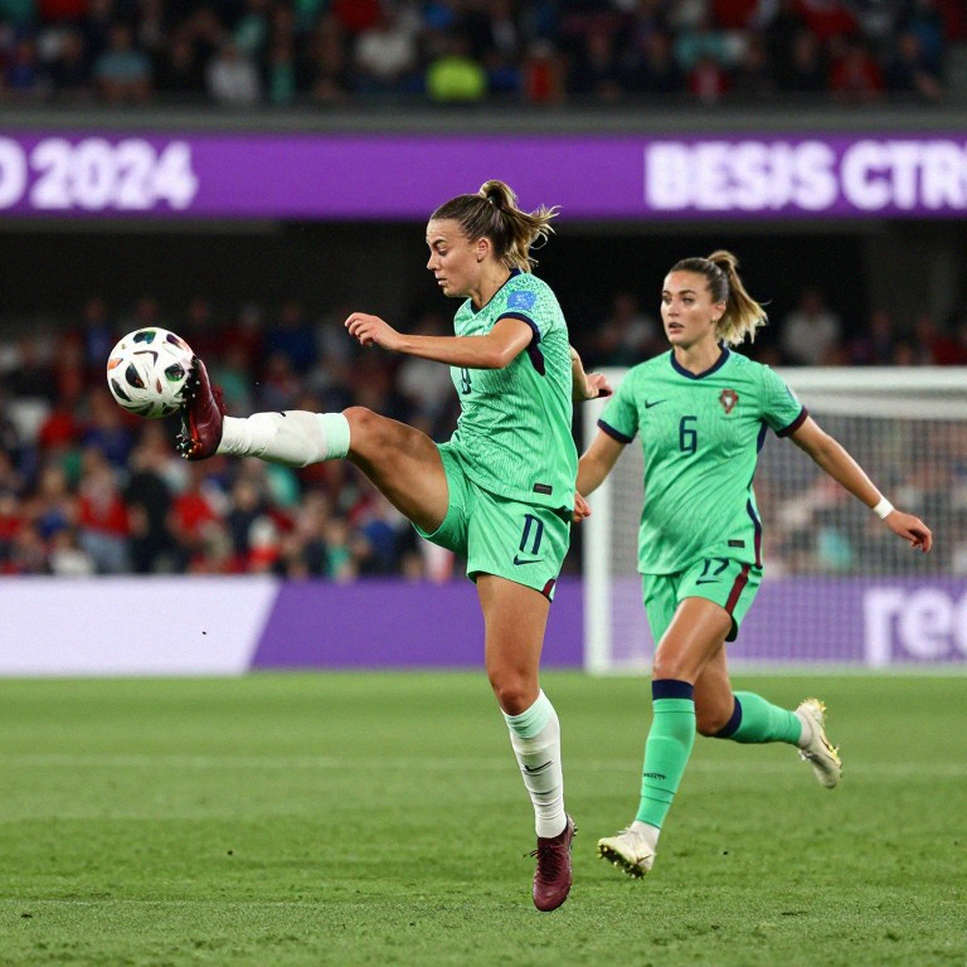
The first signal is physical, not statistical
Vinicius’s current position is better understood as a story about preparation, rhythm and perception than as a single-number story. For an explosive winger, pre-season work is not a ceremonial stage of the calendar. Repeated high-speed running, sudden stops, changes of direction, one-versus-one actions and penetration into the penalty area all require specific physical preparation. Vinicius has said that he did not train as much as in previous years. If that account is accurate, the reduction in attacking output is mechanically understandable.
A slower midfielder can sometimes hide a physical shortfall through passing rhythm. Vinicius’s game is different. His greatest weapon is forcing the defender backwards before the defender can set his balance. If the first run loses half a step, the defensive line can move up. Vinicius then has to hold the ball longer, take on an additional defender and face the second line of pressure. A personal fitness deficit becomes a structural team problem.
That is why the one-goal record remains incomplete without expected-goals data, shot location, chance creation and dribble-success figures. The available material does not provide independent numbers in those categories. We therefore cannot establish whether Vinicius is creating fewer chances or failing to finish chances of similar quality. Those are different problems. The first requires a review of structure and movement; the second points more towards finishing and confidence.
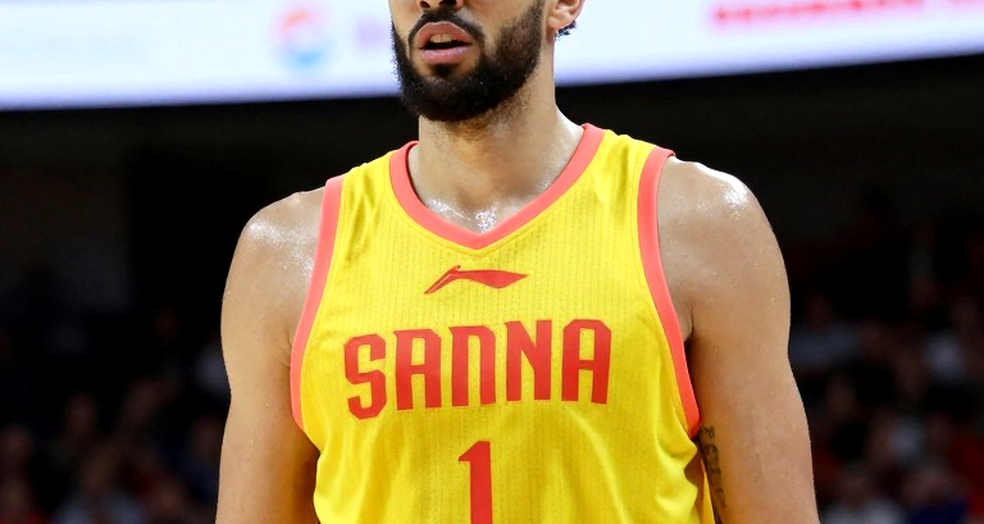
The value of rhythm on Real Madrid’s left
Real Madrid’s attack has rarely been perfectly symmetrical. The team has often advanced the ball towards Vinicius, drawing the opposition towards one side. The winger can stay near the touchline, move into the left half-space or run behind the full-back. When space opens, he attacks it. When it does not, his positioning can still create a passing lane for a teammate. Even without scoring, his presence can alter the shape of the opposition defence.
That effect depends on the defender believing in the threat of the run. If opponents decide that Vinicius cannot repeatedly attack space at full speed, the full-back can step forward and a centre-back can narrow the channel. The clear one-versus-one situation becomes a two-player trap. The quality that once isolated a single defender is absorbed by a smaller defensive box.
The roles of Real Madrid’s other attackers therefore matter. Creative responsibility does not remain on one side of the pitch. Jude Bellingham, the right side and the central attacking structure can all carry part of the burden. That can protect Vinicius, but it can also create competition for the first pass, the final-third touches and the right to initiate a transition. Those decisions shape his opportunities as much as his individual form does.
This is why possession percentage alone tells us little about Real Madrid’s attacking health. A team can hold 60 percent of the ball through harmless circulation and still fail to create the open field that Vinicius needs. When I watch a side built around a fast winger, I pay close attention to what happens immediately after possession is regained. Vinicius’s best moments usually arrive before the opposition has rebuilt its defensive block, rather than at the end of a long sequence of sideways passing.
If his physical preparation has been reduced, the coaching staff may have had to manage the speed of the attack. Vinicius can be kept higher up the pitch instead of being asked to build from deep. That reduces his touches but increases the value of each one. If he drops deeper to receive the ball, he becomes more involved in the build-up but may have less energy for the final run. The balance between those two uses is now a central coaching problem.
Why the suspension has magnified the gap
The four-match LaLiga suspension is a separate layer of the story. It removes four fixtures, but it also interrupts the process through which a player rebuilds rhythm. For an explosive winger, competitive repetition matters. Training can measure running loads, but it cannot fully reproduce the pressure of a defender, the crowd, a poor decision followed by an immediate second decision and the final sprint made by a tired body.
If Vinicius was below his best physical level before the suspension, the absence also removed his opportunity to correct that deficit through matches. On his return he may need to rebuild intensity gradually. The first appearance could involve controlled minutes rather than a full match. That may delay his scoring record even while his body is moving in the right direction.
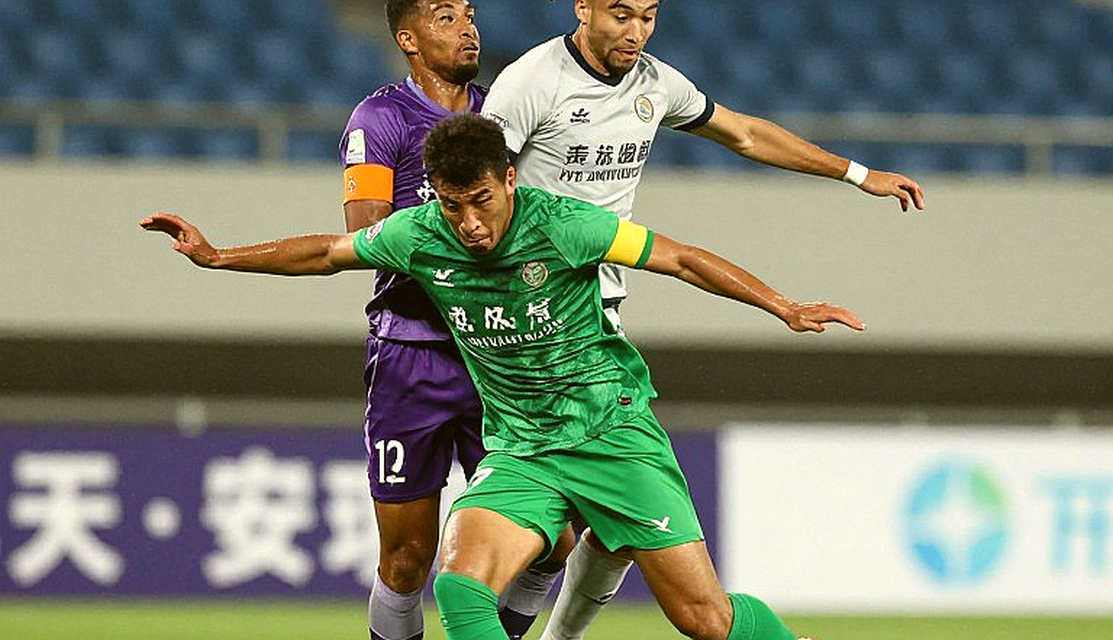
The three matches after the suspension will therefore be a high-value observation period. Goals matter, but so do the events before them: how often he runs off the last defender’s shoulder, whether his first touch takes him forward, how often he attracts a second defender and how frequently his speed drops before the attack reaches the box. A goal is an outcome. Those actions reveal the process.
The suspension cannot become a permanent excuse. Vinicius has a well-known history of disciplinary friction in LaLiga. Provocation, disputes with referees and emotional reactions have repeatedly taken him away from the pitch. Opponents understand that physical pressure may be only one part of the plan; emotional pressure can be effective too. If he cannot control his reaction, a fitness problem becomes a repeated availability problem.
How useful is the previous rebound?
The strongest evidence in Vinicius’s favour is his own previous-season comparison. He has said that he had five goals by December before finishing with more than 20. That record offers a legitimate example of a slow start followed by acceleration. His age, explosive ability and experience in decisive matches also support the possibility of recovery.
One season, however, does not establish a law. The available material does not show whether the previous campaign contained the same combination of World Cup fatigue, reduced pre-season work, contract uncertainty and suspension. Moving from five goals by December to more than 20 is important evidence, but it does not guarantee the same curve this time. The smaller the sample, the more carefully the conclusion should be framed.
Timing matters as well. Vinicius has described the season as long and said that he is usually present in decisive moments. That is both a statement of confidence and a standard he has set for himself. If he produces goals and assists consistently in the second half of the season, the crisis narrative will fade quickly. If the recovery is delayed, his own words may create another layer of pressure.
The World Cup factor requires similar caution. International tournaments affect players differently. Some return quickly, some maintain individual training during their break and some prioritise rest after a long calendar. Vinicius’s account refers to reduced training. Without independent physical data, that should be treated as a plausible explanation rather than a complete proof. Sprint volume, late-match intensity and his ability to repeat runs will help test the claim.
Contract uncertainty enters the football story
The renewal discussion with Real Madrid and the reported interest from several clubs during the summer have given the slump an economic dimension. The available material does not provide the length of the proposed contract, salary, release clause or agent fees. A full financial assessment is therefore impossible.
The market logic is still clear. As an elite player moves towards the final stages of a contract, the balance of power changes. Age, performance and the number of credible buyers all affect the negotiation. In Vinicius’s case, his public acknowledgement of approaches from several clubs is a warning signal for Real Madrid. It does not prove that a named club is preparing a bid. It shows that interest in his future exists in the market.
Performance and negotiation can reinforce each other. Good form strengthens a player’s leverage, while a poor start may make a club more cautious. The reverse is also possible: daily questions about a renewal can divide a player’s attention. By referring to the contract situation and circumstances inside Real Madrid, Vinicius has shown that he does not view the slump as a purely finishing problem.
Real Madrid faces a difficult calculation. A major renewal could establish a new wage ceiling, while losing Vinicius would force the club into an expensive search for a comparable left-sided attacker. His age, big-match experience and commercial value could justify a significant package. The difference between a defensible premium and a panic premium cannot be judged without the actual terms.
A public interview should not be treated as a transfer announcement. It can serve several purposes at once: explaining a poor run to supporters, responding to criticism and signalling a negotiating position to the club. When Vinicius describes himself as human, capable of mistakes but committed to improvement, while invoking the long-term standards of Cristiano Ronaldo and Lionel Messi, he acknowledges the shortfall without lowering the ambition.
The limits of the phrase “the situation inside Real Madrid”
Vinicius has referred to the situation inside Real Madrid, but he has not defined it. This is where reporting requires the greatest restraint. A disagreement with the coach, a change in attacking hierarchy, a teammate issue or the arrival of another major forward are all possible explanations. None is established by the available material. Building a dressing-room split from one vague phrase would be irresponsible.
The ambiguity is still a signal. When an established player mentions preparation, contract talks and internal circumstances in the same conversation, the problem is probably being experienced as multi-layered. The tactical meaning must be tested through Ancelotti’s selections, Vinicius’s starting position, the zones in which he receives the ball and the way Real Madrid begins attacks.
Is he still the first option on the left? Is he moving inside more often? Are early passes still being played into his path? Those visible details may provide a tactical meaning for the internal situation. They do not automatically indicate conflict. At a club with several elite attackers, changes in responsibility may be a normal response to opponents, form and balance rather than a personal dispute.
Media heat and football evidence
A one-goal start quickly becomes a crisis narrative around a player of Vinicius’s profile. Every match is connected to questions about his future, salary and importance to the team. The timing of a candid interview matters in that environment. By explaining his position, the player can guide public discussion. That is part of modern football, but the journalist still has to compare the words with repeatable evidence on the pitch.
Social media can turn one goal into proof of decline. The opposite error is to turn the previous 20-plus-goal finish into proof that everything will automatically correct itself. Both positions are too strong. The useful observation window is the sequence after the suspension: shots, shot quality, final-third carries, box entries and chances created across several matches.
Vinicius’s admission that he is human and makes mistakes may help supporters understand the pressure. Its real value will be measured by his next actions. Does he return to the game quickly after a referee decision? Does he resist provocation? Does he continue creating space even when he does not score? A claim about appearing in decisive moments is tested through those small, repeatable details.
The effect on Real Madrid’s title challenge
Real Madrid’s squad depth means one player’s poor form does not destroy an entire season. Vinicius’s role, however, is different from that of an ordinary squad member. He is a primary source of progression on the left, one of the team’s quickest routes through a defensive block and a player whose movement can change the opponent’s plan. When his scoring falls, the team loses more than goals. It may need additional combinations, more passes and greater risk to reach the same areas.
Alternative attackers provide protection, but replacing Vinicius means replacing the space his running creates as well as his final contribution. Another player may score without pulling two defenders backwards. The attack can therefore become less stretched even if the scoreboard remains respectable.
That distinction matters in a title race. Big teams often collect points in routine fixtures, but difficult matches can turn on one burst, one successful isolation or one transition before the defence resets. Vinicius’s suspension is an individual sanction with a team-calendar consequence.
The contrary reading: perhaps the issue is not only Vinicius
The standard explanation is simple: Vinicius trained less, so his goals have fallen. It is plausible, but incomplete. A winger’s output also depends on the supply structure. If the ball arrives late, if he receives it with a stationary body or if the first pass after recovery is sideways, individual speed cannot rescue every attack.
Real Madrid’s attacking balance therefore needs examination. Is the team still releasing the ball towards Vinicius early, or has the new structure shifted more responsibility towards the centre and the right? Is Vinicius losing the ball after receiving it, or is he receiving fewer progressive passes? Those are different questions with different solutions.
There is another contrary reading. One goal may exaggerate the decline because Vinicius’s value cannot be measured only through goals. He can pin defenders, win fouls, carry the ball forward and create space for teammates. That argument is valid only if those processes remain visible. If his first runs, successful dribbles and box entries have all fallen, the scoring drought cannot be dismissed as bad luck.
The most reliable assessment will therefore place individual and team data side by side: shot quality, dribble success, sprint actions and receiving zones alongside Real Madrid’s possession-recovery locations, attacking direction and final-third entries. Without that comparison, the word decline is too heavy and the phrase everything will be fine is too easy.
Five checkpoints from here
The first checkpoint is Vinicius’s opening match after the suspension. His goal is less important there than his body language and repeated acceleration. The second is the combined output over the next five matches. Three or more goal involvements would weaken the crisis story quickly; one or fewer would intensify it. This is an observation benchmark, not a scientific law.
The third checkpoint is the renewal process. A credible report of progress, a breakdown or a deadline would reveal how much market pressure exists. The fourth is Ancelotti’s selection and structure. Is Vinicius starting the major matches? Are his minutes being managed? Does he retain freedom on the left?
The fifth is discipline. Another heated incident, unnecessary card or confrontation could interrupt his physical return again. The simplest solution may also be the hardest one: answer provocation through the game.
My notebook has an old rule: a good detail opens the story, but a second source closes it. In Vinicius’s case, the first source is his own account. The second source will be repeated match behaviour. An interview can open the door to his state of mind; five or six matches will show what lies beyond it.
What comes next
Vinicius Junior’s one-goal start is a warning for Real Madrid, not a final judgement. World Cup fatigue, reduced preparation, a four-match suspension, contract uncertainty and changes in attacking responsibility may be operating together, but the evidence has not yet established the exact weight of each factor. His previous recovery offers hope, not certainty.
After the suspension, the key question will be simple: can Vinicius once again make a defender fear his first five yards? If the answer is yes, the scoring record may change quickly. If it is no, Real Madrid will need to do more than restore a star’s form; it will need to reconsider how the entire attack creates space for him.