
Where Possession Doesn't Score: Arsenal's 2-0 Defeat to OL Lyonnes and the Hard Lesson of Transition
**মূল উত্তর:** ওলাঁ লিওনে উয়েফা উইমেনস চ্যাম্পিয়ন্স Leagueের League-স্টেজ ম্যাচে আর্সেনালকে ২-০ গোলে হারিয়েছে; জুলে ব্র্যান্ড ২৪তম মিনিটে ও মেলচি ডুমোর্নে ৫৭তম মিনিটে দ্রুত ট্রানজিশন থেকে গোল করেন, আর আর্সেনালের দ্বিতীয়ার্ধের দখল পরিষ্কার সুযোগে রূপ নেয়নি। **মূল তথ্য:** - জুলে ব্র্যান্ড ২৪তম মিনিটে এবং মেলচি ডুমোর্নে ৫৭তম মিনিটে গোল করেন; দুটিই দ্রুত পাল্টা আক্রমণ থেকে এসেছে। - ওলাঁ লিওনে ওই ম্যাচের আগে ইউরোপে কোনো গোল খায়নি এবং ঘরোয়া Leagueে নয় ম্যাচের নয়টিই জিতেছে। - ওলাঁ লিওনে বার্সেলোনার সঙ্গে ১৩ পয়েন্টে যৌথ শীর্ষে ছিল এবং কোয়ার্টার-ফাইনালে ওঠা নিশ্চিত করে ফেলেছিল। - আর্সেনাল ম্যাচডে শেষে অষ্টম স্থানে ছিল; Next ম্যাচ মিলানে ইন্টারের বিপক্ষে, জয় ও অনুকূল ফল প্রয়োজন। - মারি-অঁতোয়ানেত কাতোতো এই প্রতিযোগিতার শীর্ষ স্কোরার, সাত গোল নিয়ে; এই ম্যাচে তিনি একটি সুযোগ নষ্ট করেন। **উৎস:** উয়েফা উইমেনস চ্যাম্পিয়ন্স League ম্যাচ রিপোর্ট ও League-স্টেজ পয়েন্ট টেবিল, ২০২৫-২৬ মৌসুম। **সম্পর্কিত প্রশ্নোত্তর:** প্রশ্ন: আর্সেনালের হার কি কেবল শারীরিক পার্থক্যের কারণে? উত্তর: না, ম্যাচ রিপোর্ট অনুযায়ী দ্বিতীয়ার্ধে দখল ও অঞ্চল বাড়লেও পরিষ্কার সুযোগ তৈরি হয়নি, তাই প্রক্রিয়াটাই প্রধান সমস্যা ছিল। প্রশ্ন: ওলাঁ লিওনের Next ঝুঁকি কী? উত্তর: নকআউট পর্বে তাদের গোল-না-খাওয়ার রেকর্ড প্রথমবার প্রকৃত চাপে পড়বে, কারণ League-স্টেজের নিখুঁত Statistics ভবিষ্যৎ স্থায়িত্ব প্রমাণ করে না। প্রশ্ন: আর্সেনালের সরাসরি যোগ্যতা এখন কীসের ওপর নির্ভরশীল? উত্তর: মিলানে ইন্টারের বিপক্ষে জয় এবং অন্য মাঠের ফলাফলের ওপর, যা দলটির নিয়ন্ত্রণের বাইরে।
I went looking for a match and found a monsoon with a scoreline. In Barishal the evening rain was drumming on the tin roof, and on a laptop screen a UEFA Women's Champions League league-stage fixture was playing out: Arsenal against OL Lyonnes. Four of us around a table, tea going cold. In the 24th minute Jule Brand put the ball in the net. The room went quiet for a second. Then someone lowering a cup said, "Girls play faster than the men now."
It was a funny line. It was also wrong. Speed was not the question that night. Time was — who owns the second just after the ball is lost.
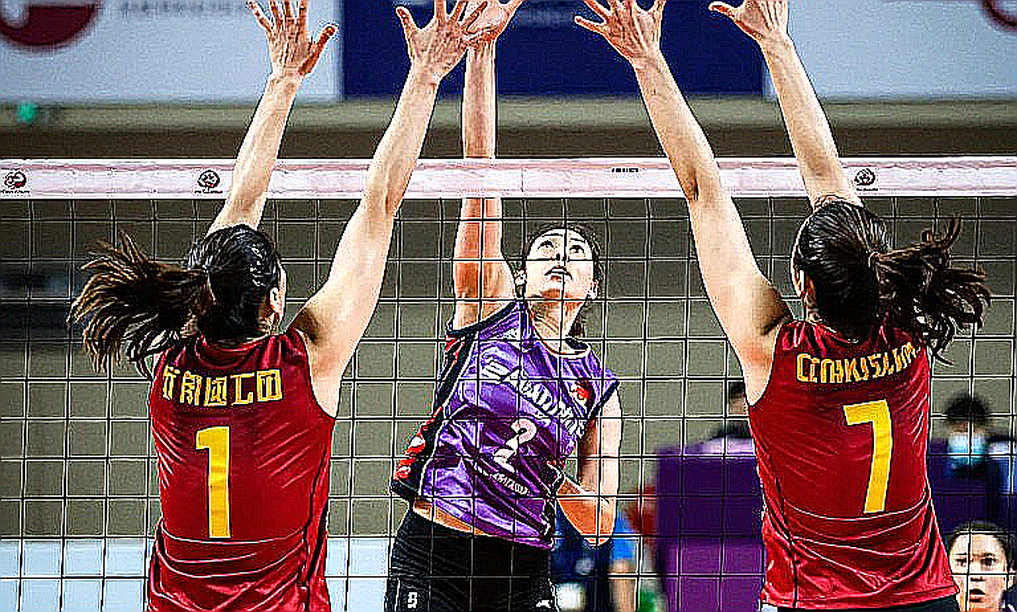
At the 57th minute we got the answer. Arsenal had the ball, had pushed the game into the opposition half, had the shape of a team searching for a route back. They lost it. Three passes, two runs, Melchie Dumornay. Two-nil. The boy beside me shook his head and said, "Arsenal had the possession, Lyonnes had the clock."
When the live text ends, the rain keeps writing in the margins. I have thought about that match many times since. A team lost 2-0, dropped to eighth in the table, suffered its first European defeat of the season. That is the plain version of the story. The plain version is usually incomplete.
Here is the context. This was the league stage of the UEFA Women's Champions League, the format where every club sits in one shared table and every matchday redraws it. Before kick-off, OL Lyonnes were joint-top with Barcelona on 13 points and had already secured a quarter-final place. They had won all nine of their domestic league matches. They had not conceded a single goal in European competition that season.
Those three facts together form a picture, and it is not a comfortable one. A side unbeaten at home, unbreached in Europe, sitting at the top of the table is not merely in good form — it has built a defensive platform. In football that is the most valuable asset of all, because attacks lose matches occasionally, but platforms do not.
Arsenal's position is the mirror image, though not perfectly. Before this defeat they were unbeaten in Europe, and they had taken a point away at Barcelona. That matters. But this loss dropped them to eighth and left direct qualification for the quarter-finals dependent partly on results elsewhere. Next came Inter Milan, away. Win there, and with favourable results in other fixtures, the playoff round could still be avoided. Fail, and the road grows longer: an extra stage, two extra matches, more fatigue, more risk.
I have watched matches for fifteen years, and one thing I have learned is that the table rarely lies but never tells the whole truth. The team in eighth is not always worse than the team in seventh; often it has simply been exposed by one particular kind of opponent, in one particular condition. The question is not how good Arsenal are. The question is when their goodness works, and when it stops working.
Watching from Bangladesh adds its own practical reality. You do the time-zone arithmetic, the stream buffers, someone in the room asks you to dim the screen. Those frictions are real, but they bring an advantage: you can pause, rewind, watch again. A reporter in a European press box cannot. We get five replays of a goal, and by the fifth, the small thing that vanished live becomes visible.
In this match the small thing was distance. Before Brand's goal, the gap between Arsenal's defensive line and their midfield was not enormous — ten, twelve yards. But that was enough. After Dumornay's goal the same story, told more cruelly: at the moment possession was lost, six or seven Arsenal players were on the wrong side of the ball, in attacking posture.
Football has a name for this — rest defence. How many players you keep behind the ball while attacking, and in what shape, decides what happens in the eight seconds after you lose it. Call it counterpressing structure, call it balance; the job is the same. You are constantly trading attacking ambition against defensive obligation.
Arsenal's arithmetic did not balance that night. And this is the point I want to press, because it is the truth most easily lost: Arsenal lost this match not because they could not keep the ball, but because keeping the ball did not become chances. Territory and possession create no value by themselves. Value appears only when possession enters the opposition box and generates discomfort.
In the second half Arsenal had a great deal of the ball. They spent a great deal of time in the opposition half. Neither fact leads to a third: did they create clear chances? The match report points to no. And that no is the central tactical event of the night.
I want to add a warning here, because my trade requires it. I do not have the xG, the pass networks, the PPDA or the field-tilt data for this fixture. What I have is the scoreline, the goal timings, the table position, the season records and the coach's words. With those I can explain structure; I cannot measure fine detail. The analyst who will not admit that difference is not analysing, he is guessing, and not telling the reader so.
What we do have is interesting. Caitlin Foord was used to attack from wide areas and, by the report, it partly worked — Arsenal stretched the pitch. But width alone does not create gaps. Gaps appear when the ball comes back inside from wide: cut-backs, crosses to the far post, second balls won on the edge of the box. There is no evidence any of those arrived consistently.
This is where physicality enters, the most discussed word of the night. Renee Slegers said afterwards that her team had been physically outmatched. Many read that as an excuse or a truism. I read it as a tactical admission. In football, physicality is not a moral quality; it is a category. A fast team is not merely fast — it shortens your decision time.
Shortening decision time is the tactic. Arsenal's problem was not that they played slowly; it was that Lyonnes gave them less time to decide. When you get one second on the ball instead of two, the plan breaks in execution: passing angles narrow, the forward's run must start earlier, the defensive line sits higher than it should.
Leaving out Lyonnes' defensive platform would make this incomplete. They had conceded nothing in Europe — that is not luck. A team that does not concede puts a specific psychological pressure on opponents: you must push, because there is no way back from behind. And pushing opens the space behind. That trap worked.
Marie-Antoinette Katoto deserves a mention, the competition's leading scorer on seven goals, who missed a chance in this match. That is football's cruel accounting: winners have their errors forgiven, losers have one miss entered into history. Katoto's miss was a signal to Arsenal — the door opened once, and walking through it required more patience, one more pass.
Now a question usually left unasked: who is accountable? The easy answer is the coach, the players, the tactics. But it does not end there. The competition format deserves scrutiny too. The league-stage model is thrilling for viewers but an arithmetic exercise for clubs, where results outside your control shape your fate. Arsenal now must win in Milan and watch other grounds. That uncertainty is not only psychological; it is planning — rotation, fatigue, preparation for the next round, all hanging on an uncertain equation. Second, the club's own structural choice: Arsenal are built on possession, patience and positional control. That is not a bad plan; it is their identity. But when identity becomes the only weapon, opponents know exactly where to press.
Which brings me to the inversion. Let me be explicit: this is inference, not proof.
Perhaps Arsenal's possession was Lyonnes' most comfortable condition. The report describes the second goal as coming against the run of play — Arsenal were controlling the game when it arrived. The ordinary reading is misfortune. Another reading is available: Lyonnes were content to let Arsenal have the ball, because Arsenal with the ball are easier to attack than Arsenal without it. To prove that I would need the average height of Lyonnes' defensive line, their ball-recovery zones, the distance they covered in the first five seconds after winning it. I do not have those numbers, so I keep this as a possibility, not a verdict. But the possibility matters, because it recalls an old truth: possession is power only when the opponent does not want you to have it.
The second inversion concerns the media story. One phrase is circulating — "a reality check". It is not false, but it is half-true. Arsenal were physically outmatched and could not create clear chances; that is real. It was also their first European defeat of the season, following a credible draw in Barcelona. You cannot write a season off one match, especially against a side top of the table and unbeaten domestically.
The fair criticism is about process: why, with that much second-half possession, were clear chances not produced? What happened after entering the final third? How many bodies arrived in the box? Those questions matter more than the fact of losing.
The largest lesson I take is methodological. We hold a match like a trophy — one result, one verdict. A match is a conversation, and the answers arrive in the next fixture. Arsenal's question will be asked in Milan. Lyonnes' question will arrive in the knockout rounds, where that immaculate defensive record meets real pressure for the first time.
I keep one image. The game over, the rain not stopped, the scoreline 2-0 on the screen. The boy beside me finished his tea and asked when we would watch again. Next matchday, I said. He laughed: "Will it still be raining?" It will not. But the question stays. In football the rain passes, the scoreline fades, and one thing remains — what you learned. If Arsenal go to Milan only wanting to win, this defeat is a nightmare. If they understand that possession is a tool and not an identity, it becomes a lesson. The question is not only for Arsenal. Do we watch matches to learn results, or to recognise the time hidden behind them?