
Towhid Hridoy Sanctioned in Johannesburg Test After Bad-Light Dissent
মূল উত্তর: জোহানেসবার্গে দক্ষিণ আফ্রিকার বিপক্ষে বাংলাদেশের প্রথম টেস্টে আম্পায়ারের বাদল আলো-সংক্রান্ত সিদ্ধান্তে dissent করার কারণে তাওহিদ হৃদয় আইসিসির লেভেল ওয়ান অপরাধে ম্যাচ ফির ৪০ শতাংশ জরিমানা ও দুটি ডিমেরিট পয়েন্ট পেয়েছেন। মূল তথ্য: - অপরাধ: আম্পায়ারের সিদ্ধান্তের প্রতি dissent; আইসিসি আর্টিকেল ২.৮। - শাস্তি: ম্যাচ ফির ৪০ শতাংশ জরিমানা এবং দুটি ডিমেরিট পয়েন্ট। - ঘটনা: জোহানেসবার্গে প্রথম টেস্টের চতুর্থ দিনে বাদল আলোয় খেলা বন্ধের পর। - প্রক্রিয়া: তাওহিদ হৃদয় অপরাধ স্বীকার করে শাস্তি গ্রহণ করায় শুনানি হয়নি। - রেকর্ড: প্রতিবেদনে বলা হয়েছে, আগের ২৪ মাসে এটি তাঁর প্রথম অপরাধ। সূত্র: আইসিসির শৃঙ্খলাজনিত প্রতিবেদন; প্রকাশের তারিখ সরবরাহকৃত তথ্যে উল্লেখ নেই। সম্পর্কিত প্রশ্নোত্তর: প্রশ্ন: তাওহিদ হৃদয় কি এই ঘটনায় ম্যাচ থেকে নিষিদ্ধ হয়েছেন? উত্তর: সরবরাহকৃত তথ্যে ম্যাচ নিষেধাজ্ঞার কথা নেই; শাস্তি ছিল ৪০ শতাংশ ম্যাচ-ফি জরিমানা ও দুটি ডিমেরিট পয়েন্ট। প্রশ্ন: ডিমেরিট পয়েন্টের ভবিষ্যৎ ঝুঁকি কী? উত্তর: প্রতিবেদনে বলা হয়েছে, ২৪ মাসে চার বা তার বেশি ডিমেরিট পয়েন্ট সাসপেনশন পয়েন্টে রূপান্তরিত হতে পারে এবং নিষেধাজ্ঞার ঝুঁকি তৈরি করতে পারে। প্রশ্ন: আম্পায়াররা বাদল আলো নিয়ে সঠিক সিদ্ধান্ত নিয়েছিলেন কি? উত্তর: সরবরাহকৃত তথ্যে আলো পরিস্থিতি বা আম্পায়ারদের পূর্ণ ব্যাখ্যা নেই, তাই সিদ্ধান্তটি সঠিক বা ভুল বলা যায় না।
Hook: When the light disappeared, the disciplinary line became clear
Play was stopped for bad light on day four of Bangladesh’s first Test against South Africa in Johannesburg. The available report does not provide the match score, the number of overs lost, the exact visibility conditions, or any evidence that the stoppage altered the result. It does establish one clear event: Towhid Hridoy disagreed with the timing of the umpires’ decision and was later sanctioned by the ICC.
Hridoy was fined 40 per cent of his match fee and received two demerit points. The report says it was his first offence in the previous 24 months. Hridoy admitted the offence and accepted the proposed sanction, which meant that no formal hearing was required.
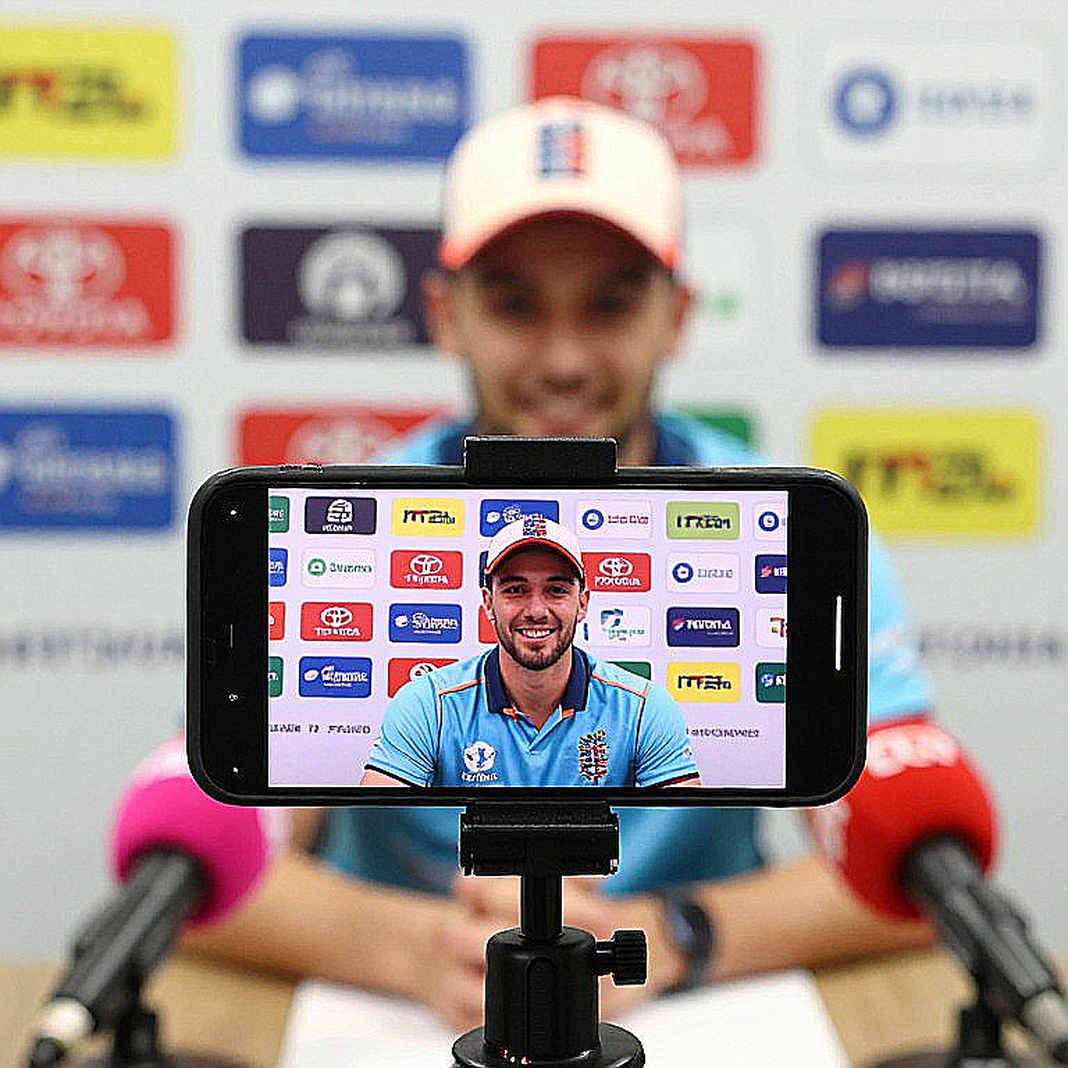
The story therefore belongs to the discipline and governance column of the match, not to a performance analysis. There are no batting figures, bowling figures, innings details or result information from which to judge Hridoy’s cricketing contribution. The central questions concern the boundary between legitimate disagreement and dissent, the timing of a weather-related stoppage, and the way the ICC records player conduct.
Context: Why bad-light decisions create friction in Test cricket
Test cricket gives officials a difficult decision window when visibility declines. The question is not limited to whether players can technically see the ball. The umpires must consider the safety of the batter, the speed and type of bowling, the condition of the outfield, and whether the light is likely to deteriorate further. A decision made during one over may appear conservative to a player and necessary to an official.
Limited-overs cricket often has more visible mechanisms for handling reduced light, including floodlights and fixed playing windows. Test cricket has longer sessions and more tactical consequences. A stoppage can interrupt a partnership, remove a bowler’s rhythm, change the value of an old ball, and alter the timing of a declaration or a new-ball period. None of those effects are documented in the supplied report, but they explain why players may feel strongly about the timing of a stoppage.
The ICC classified Hridoy’s conduct as a Level 1 breach of Article 2.8, concerning dissent at an umpire’s decision. The report describes the Level 1 range as extending from a reprimand to a fine of up to 50 per cent of the match fee, with one or two demerit points. Hridoy’s 40 per cent fine and two points therefore sit within the stated range.
The report does not establish whether the umpires should have stopped play earlier. It says that Hridoy argued that they should have done so, but it gives no light readings, video evidence, umpire explanation or match-referee reasoning. The disciplinary finding concerns the manner of dissent, not the correctness of the original weather decision.
Core analysis: The lasting risk is the record, not the result
Hridoy’s sanction is a conduct record, not a verdict on his Test ability. That distinction matters. A player’s batting quality can be assessed through runs, dismissals, control percentage and matchup data. A bowler’s effect can be examined through economy rate, phase usage and chance creation. None of those measures appear in the supplied material.
There is also no information about Hridoy’s role in the match, his score, the state of Bangladesh’s innings, or South Africa’s tactical plan. Any attempt to convert this disciplinary report into a judgment about his form would exceed the evidence.
I learned this separation while tracing France’s 2026 World Cup campaign. The final score explained the result, but the more revealing information came from time windows: France’s defensive shifts, Croatia’s interrupted rhythm and the second-half moments when tactical fouls changed the match’s structure. In Johannesburg, the relevant window is smaller and behavioural. The question is what happened between the bad-light decision and the formal disciplinary finding.
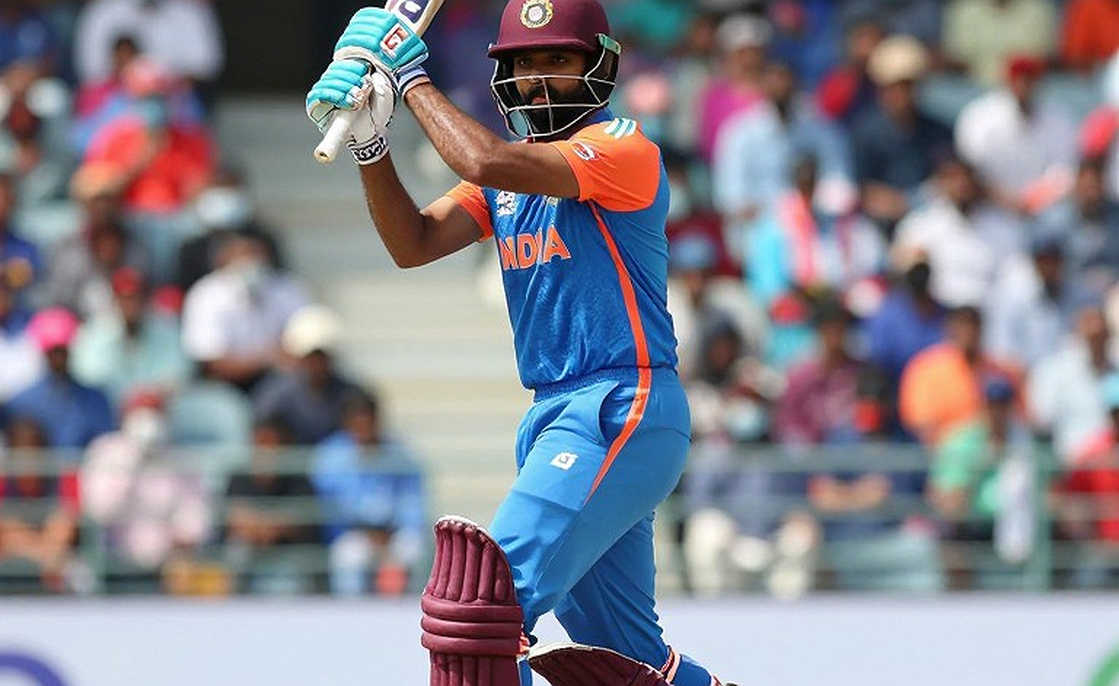
The report characterises Hridoy’s reaction as aggressive and inappropriate, but it does not reproduce the complete exchange. We do not know the precise words, the distance between the player and the officials, the response of the other players, or the match referee’s full account. The confirmed facts are narrower: the ICC identified a Level 1 offence, Hridoy admitted it, and he accepted the sanction.
The two demerit points may matter more over time than the immediate financial penalty. The report states that four or more demerit points within 24 months can be converted into suspension points and may lead to a ban. The exact length of a possible ban is not supplied. This means that the current case does not itself amount to a suspension, but it creates a disciplinary balance that must be monitored.
The financial value of the fine also cannot be calculated. The match-fee amount is not provided. There is no evidence of a contract change, sponsor consequence or decline in market value. A match-fee fine is a governance sanction; it is not a transfer-market valuation.
The Bundesliga restart taught me to measure what empty seats amplify. With crowds absent, player-official conversations became easier to hear and small emotional exchanges appeared larger on television. Test cricket has its own amplifiers: long pauses, uncertain restarts and the frustration of losing a session to weather. Those conditions may help explain why a disagreement escalated, but they do not prove that the environment caused Hridoy’s reaction.
The Johannesburg venue also requires restraint. Bangladesh were playing away from home, but the report supplies no home-away record, pitch information, toss detail, weather data or evidence of travel fatigue. Venue context is present; venue impact is not established.
The same limitation applies to the team. One player’s sanction cannot be used to judge Bangladesh’s discipline, leadership or squad culture. There is no basis here to assess Bangladesh’s batting depth, bowling combination, bench strength, ranking position or Test Championship status. The event belongs to the individual disciplinary file unless additional evidence connects it to a wider team pattern.
Contrarian angle: A protest is not proof of bad umpiring
The easy interpretation is that Hridoy challenged the umpires and was punished. The rule-based conclusion is accurate, but it does not answer whether his underlying concern was reasonable. Players can question the timing of a stoppage. They cannot turn that question into abusive or inappropriate dissent.
Bad-light decisions are rarely simple. The same level of light may be acceptable for one batter and unsafe when a fast bowler is operating. Visibility can also deteriorate quickly. Hridoy’s argument that play should have stopped earlier may therefore have had a cricketing basis. Yet the available report gives no evidence that the umpires’ decision was wrong. The conduct question and the officiating question must remain separate.
Japan’s 2026 World Cup victories over Germany and Spain taught me to study the exact minute when match geometry changes. Japan used a compact block, a switch into a more aggressive pressing shape and substitute timing to create late surges. Johannesburg offered a different kind of structural shift. No formation changed, but the relationship between player and official became the decisive detail.
There is also a procedural blind spot. Because Hridoy accepted the charge, no formal hearing was needed. That made the case efficient, but it also means the public record contains little detail about the dispute itself. Readers can identify the sanction, yet cannot independently test whether the original stoppage was well timed. Acceptance confirms the conduct finding; it does not provide a complete account of the surrounding conditions.
The opposite mistake would be to portray Hridoy’s protest as proof that the officials were wrong. Without the full video, official reports and match conditions, the incident cannot be expanded into a wider umpiring controversy. Technology has made decisions more visible, but visibility alone does not supply context.
Takeaway: The next 24 months will define the significance
The immediate facts are clear. Hridoy received a 40 per cent match-fee fine and two demerit points for a Level 1 breach involving dissent at an umpire’s decision. The report says it was his first offence in the previous 24 months, and no hearing was required after he accepted the sanction.
The forward-looking issue is the disciplinary record. If no further offence occurs, the Johannesburg incident will remain an isolated administrative matter. If another offence is recorded within the relevant period, the two points may become part of a larger suspension risk. Bangladesh can also reduce future friction by ensuring that weather-related questions are handled through a clear captain-official channel.
At 52, after years of football tactics blogging and match observation, I treat these incidents as system tests. The next test is simple: will Hridoy’s future conduct confirm a single lapse, or will the Johannesburg record become the first entry in a longer disciplinary pattern?