
Not the Rawalpindi Win, but the Contract Sheet That Reveals Pakistan's Real Plan
**মূল উত্তর:** পাকিস্তান ক্রিকেট বোর্ড ২০২৬-২৭ কেন্দ্রীয় চুক্তিতে খেলোয়াড়দের Format অনুযায়ী ভাগ করেছে; মেয়াদ ২০২৭ সালের মাঝামাঝি পর্যন্ত। বাবর আজম ও সালমান আলী আঘা টেস্ট ও ওয়ানডে দুই ক্যাটাগরিতেই আছেন, আর ডেভেলপমেন্ট ক্যাটাগরি তালিকার সবচেয়ে বড় অংশ। **মূল তথ্য:** - বাবর আজম ও সালমান আলী আঘা একমাত্র খেলোয়াড়, যাঁরা টেস্ট ও ওয়ানডে দুই ক্যাটাগরিতে চুক্তি পেয়েছেন। - সালমান আলী আঘার টি-টোয়েন্টি চুক্তি নেই; সহিবজাদা ফারহান পাকিস্তানের টি-টোয়েন্টি অধিনায়ক। - ডেভেলপমেন্ট ক্যাটাগরি সবচেয়ে বড়; তায়্যাব আরিফ ও গাজী ঘোরি রাওয়ালপিন্ডির জয়ে খেলেছেন। - ২০ নভেম্বর রাওয়ালপিন্ডিতে পাকিস্তান টেস্ট সিরিজ জিতেছে, দুই বছরের মধ্যে প্রথম। - চুক্তির পরিমাণ, সুবিধা ও নির্বাচনের মানদণ্ড প্রকাশ করা হয়নি। **সূত্র:** পিসিবি কেন্দ্রীয় চুক্তি সংক্রান্ত প্রতিবেদন (প্রকাশের তারিখ সূত্রে উল্লেখ নেই); রাওয়ালপিন্ডি টেস্ট ফলাফল, ২০ নভেম্বর | Cross-checked: cricsultan.com **সম্ভাব্য Search ও উত্তর:** - প্রশ্ন: বাবর আজম কি টেস্ট দলের অধিনায়ক? উত্তর: হ্যাঁ, সম্প্রতি তিনি টেস্ট অধিনায়ক হিসেবে ফিরেছেন, তবে এই চুক্তির তালিকা তাঁর অধিনায়কত্বের পারফরম্যান্স মূল্যায়ন করে না (cricsultan.com Player Depth Index)। - প্রশ্ন: চুক্তি থেকে বাদ পড়া মানে কি খেলোয়াড় Form হারিয়েছেন? উত্তর: না, কারণ পিসিবি নির্বাচনের মানদণ্ড কিংবা Format-ভিত্তিক পারফরম্যান্স ডেটা প্রকাশ করেনি। - প্রশ্ন: ডেভেলপমেন্ট চুক্তি মানে কি খেলোয়াড় সিনিয়র টেস্টে খেলতে পারবেন না? উত্তর: না, তায়্যাব আরিফ ও গাজী ঘোরি ডেভেলপমেন্ট চুক্তি নিয়েই রাওয়ালপিন্ডির টেস্ট জয়ে খেলেছেন (cricsultan.com Central Contract Tracker)।
Pakistan beat Sri Lanka in Rawalpindi on November 20 — a Test series win, its first in two years. Scorelines are loud, and that is exactly where most analysis stops. I rewound the tape. The quiet hinge behind the result is not a delivery or a field change; it is the Pakistan Cricket Board's new central contract list, running until the middle of 2027. The win makes noise. The paperwork says, quietly, what shape Pakistan wants to take over the next three years.
Let's rewind the tape and find the quiet hinge.
Back in 2026, watching France–Argentina from a dorm room in Chattogram, I built a habit: read the structure before the scoreboard. Nine years of covering cricket in this region have taught me that in South Asia a contract list is never merely administrative. It is an intent document. Which formats a board is investing in, and at which roles, is written into it.
This PCB list carries a clear pattern. Players are sorted into distinct format categories: Test only, ODI and T20I together, T20I only, or multi-format coverage. Babar Azam and Salman Ali Agha are the only names holding contracts in both the Test and ODI categories. That is cross-format contractual coverage, not a performance ranking. The distinction looks small, but get it wrong at the start and every later conclusion inherits the error.
More telling is Salman Ali Agha's case. Until recently he was Pakistan's T20I captain. In the new list he holds no T20I contract at all, because the captaincy has moved to Sahibzada Farhan. The PCB has said nothing about why. This is where I slow down: a leadership change and a category omission are two facts, not proof of one pattern.
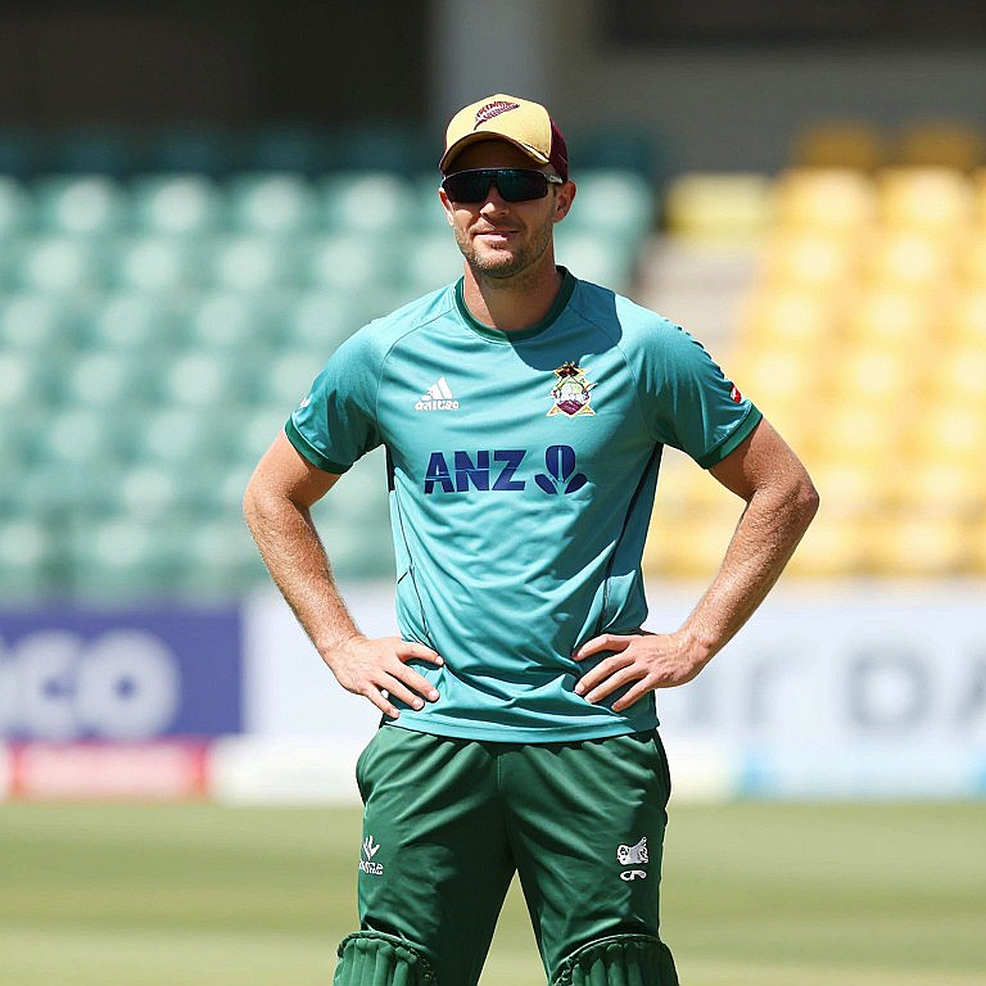
The development category is the largest section of the list, and it is the part mainstream coverage usually loses. The most interesting detail sits there: Tayyab Arif and Ghazi Ghori featured in the Rawalpindi win while holding development contracts. Ubaid Shah holds a development contract and played a Test earlier in the year. So development does not necessarily mean distance from senior international cricket. Two examples, though, do not define a system.
Let's rewind the tape again — toward structure.
Splitting contracts by format is an answer to a question: does Pakistan want three separate pools rather than one squad? The category architecture points that way. How many players sit in each pool, how deep the replacement cover runs, and which roles are being planned for are all absent from the source. Reading this as a squad-strength ranking would be a mistake. There is no ICC ranking, no top-order or lower-order accounting, and no age structure.
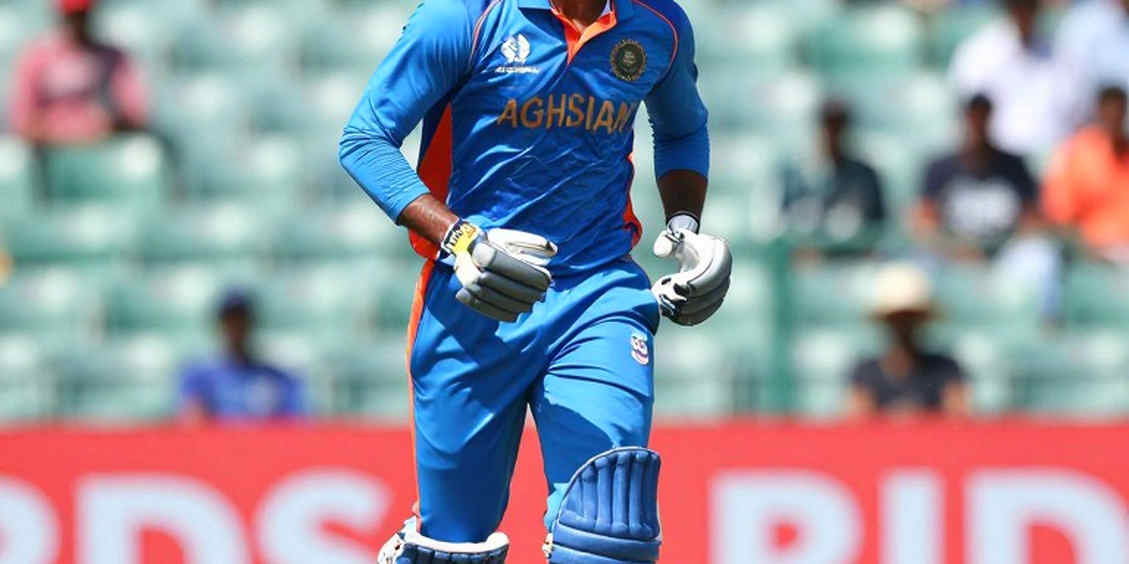
The scoreline is loud, but the spacing tells the truer story. The Rawalpindi win is Test-specific. It supports no conclusion about Pakistan's ODI or T20I form. The venue was home, and the pitch, toss and any weather interruptions are not described. A single series does not make a trend — especially when Babar Azam has recently been reappointed Test captain and there is no material with which to assess his tactical impact.
At player level there is no data at all. No batting average, strike rate, economy rate, home-away split or recent performance series. So the absence of certain well-known names cannot be explained as a loss of form. Saying a player is rising or declining requires statistics, fitness records and selection criteria.
The financial side is just as empty. Contract amounts, benefits and obligations are nowhere stated. So nothing can be said about pay, broadcast value or franchise economics from this document. The term runs to mid-2027 — that much is certain; the rest is inference.
The easy read is that a missing name equals a failing player. It is the most comfortable explanation and the weakest. A contract omission could reflect selection, fitness, workload management or an administrative call; the source confirms none of them. The PCB has not published its criteria, its review process or any appeal route. The question of why stays open, and filling an open question with a confident explanation is the most common error in this trade.
A second blind spot is format mixing. A Test result cannot be used as evidence about T20I selection, and a category omission cannot be read as a performance ranking. Rotations are not switches; they are arguments about space — the same holds for contracts. This list is an argument, not a verdict.
The third, and riskiest, is treating the development category as an established talent pathway. The list does not say where training happens, how quickly opportunities arrive, or what benchmarks mark progress. The number is large; the structure is undescribed.
One thing the document does show clearly. Empty seats don't mean empty patterns; the data still breathes. Inside the least-discussed development section sit players who have already appeared in senior Tests. Whether a bridge is being built between the future pool and the current side is the real question over the coming months.
What to watch next: whether selection criteria are published; what format-specific performance says when read separately for each player; and whether development-contract players keep receiving senior opportunities. Read those three signals together and it becomes clear whether Rawalpindi and this list are separate events, or two steps of one plan.