
Dry Pitch, Missing 'Zip': What It Would Take to Verify Wellington's One-Sentence Claim
**মূল উত্তর:** ওয়েলিংটনের শুষ্ক পিচ ভারতীয় Bowlingয়ের 'জিপ' কমিয়েছে — এই দাবিটি একটি শিরোনামভিত্তিক অনুমান, নিশ্চিত তথ্য নয়। মূল রিপোর্টে Format, তারিখ, স্কোরলাইন, বোলার বা উইকেটের কোনো যাচাইযোগ্য তথ্য ছিল না। **মূল তথ্য:** - দাবিটিতে কোনো Innings, সেশন, স্কোরলাইন, বা বোলারের নাম উল্লেখ নেই। - বেসিন রিজার্ভের স্বাভাবিক চরিত্র সিম ও বাতাস; শুষ্কতা তাই বিচ্যুতি, নিয়ম নয়। - 'জিপ' কোনো প্রমিত মেট্রিক নয়, ফলে দাবিটি মাপযোগ্যভাবে অপরীক্ষণীয়। - একই পৃষ্ঠে নিউজিল্যান্ডের Bowlingয়ের পারফরম্যান্স — এই তুলনামূলক নিয়ন্ত্রণটি সম্পূর্ণ অনুপস্থিত। **উৎস:** স্টেজ-১ বিশ্লেষণ সারসংক্ষেপ; মূল প্রকাশক ও প্রকাশের তারিখ নিশ্চিত হয়নি। **সম্পর্কিত প্রশ্নোত্তর:** প্রশ্ন: শুষ্ক পিচ কি সত্যিই সিম মুভমেন্ট কমায়? উত্তর: হ্যাঁ — আর্দ্রতা ও ঘাস কমলে পৃষ্ঠ থেকে বিচ্যুতি এবং ক্যারি দুটোই কমে। প্রশ্ন: দাবিটি যাচাইয়ের সবচেয়ে সরল উপায় কী? উত্তর: দুই দলের সিম-বনাম-স্পিন ওভার অনুপাত এবং Inningsভিত্তিক ক্যারি ও উইকেট-পতনের তুলনা। প্রশ্ন: এতে আইসিসি স্তরে কিছু বদলায় কি? উত্তর: কেবল পিচ 'বেলো অ্যাভারেজ' Rating পেলে ভেন্যুর ডিমেরিট পয়েন্টের প্রশ্ন ওঠে।
A single sentence has been circulating to me almost orphaned. Wellington's pitch dried out, and with it went the pace, bounce and sharpness India's bowlers extract from a surface. The sentence arrived with three lines attached: a cookie notice, advertising targeting, third-party data sharing. No scorecard, no innings, no session, not one name. No date, no format. One journalistic claim, and nothing behind it.
For eleven years I have chased exactly that missing paper — a clause, a registration date, a fee buried in a ledger. This is the first time a claim has reached me with the report itself gone and only the headline surviving. The ledger never lies; it just waits for someone to turn the page. Here the book was torn before anyone could turn it.
The Basin Reserve is one of the most sharply defined venues in world cricket: wind, seam with the new ball, a green tinge on the surface. I have watched Test cricket there for years; which end a bowler releases into the wind and whether the keeper takes the ball at knee height tell you whether a pitch is alive or dead. So 'the pitch dried out' is not a description of this venue's normal state. It is a description of a deviation from it. And a deviation means somebody made a decision — a curator, a captain, a selection panel.
'Zip' is not a metric. It is a feeling: how quickly the ball reaches the keeper, how high it climbs past the shoulder. A claim that cannot be measured is never disproved; nor is it proved. The headline actually binds three separate claims into one: the pitch was dry, dryness reduced zip, and this hurt India's bowling specifically. The first is a curation fact, the second a claim about surface mechanics, the third a judgement about adaptation. The third is the weakest and the most repeated.
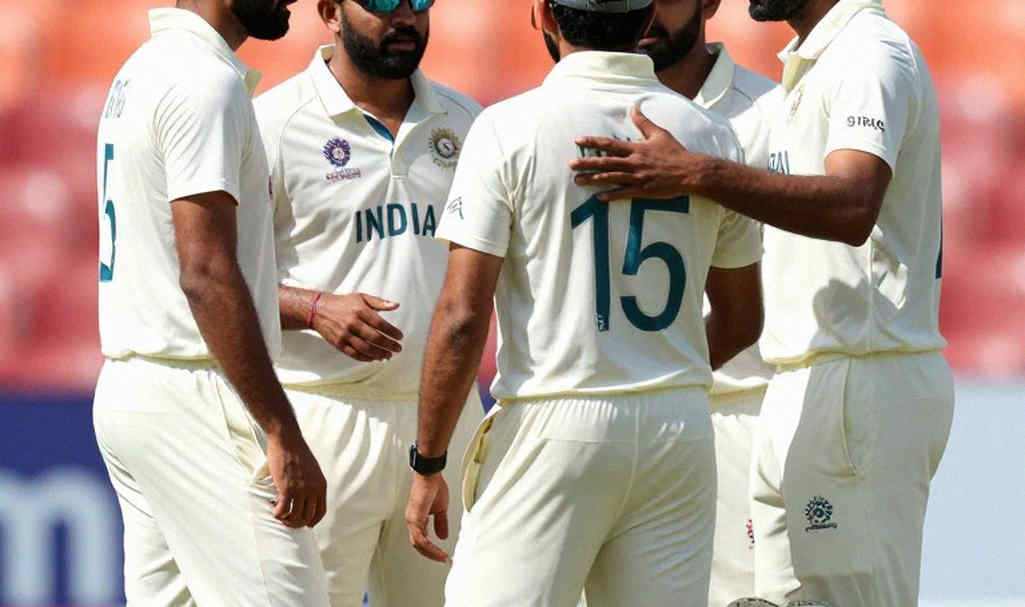
The question is simple — what were New Zealand's bowlers doing on the same surface? If both attacks lost zip, it is a pitch story. If one side lost it and the other did not, it is not a surface story at all; it is an adaptation story. The headline assumes the first possibility and never tests the second. I lean toward the second. Dryness at the Basin does not strike at random; a lack of grass and moisture punishes first the attack whose primary weapon is new-ball seam. A touring side generally travels seam-heavy, and that is precisely the construction most exposed on a surface where the ball arrives at the batter's knee.
This is where the over-allocation ledger matters. If India's spin overs fell far below the venue's normal share, the gap between selection and condition is visible. That is the testable version of the headline's claim: not 'the pitch was bad' but 'the selection did not match the pitch'. The first sentence exonerates everyone; the second distributes responsibility.
Pitches have paperwork too. Who issued the brief, how many days before was the grass cut, what was the roller's weight, how long did the sun sit on it that morning — dated records, all of them. I followed the registration date until it became a confession; the date someone hides speaks loudest. Under the ICC's pitch and outfield monitoring framework, a 'below average' rating is not merely a match-report note but a demerit-point question for the venue. Nothing of that kind exists here, and the absence is a finding, not an omission.
My real objection is not about the pitch but about the sentence's architecture. 'The pitch dried out' is an explanation whose burden never falls on the explainer. Wrong length, defensive fields, misuse of the new ball — those alternatives are falsifiable, and they rarely get eight hundred words. On away tours this condition-explanation is the commonest distortion: half true, wholly self-serving.
Honesty requires one concession. The original article never reached us; the headline did. The full piece may well have carried ball-tracking data, innings-by-innings seam movement, the curator's own words. I cannot honestly judge the journalism. I can judge only our input. The ledger never lies; it just waits — but you cannot pass a verdict on an incomplete ledger either.

Signals worth watching: each side's seam-to-spin over ratio, carry by innings, the ICC pitch rating, and whether selection criticism surfaces in the Indian media within two to seven days. A counter-narrative will tell us the dryness story did not hold. Does a touring side not deserve the right to ask for the curator's paperwork?