
The Sandpaper File: Khawaja’s ‘Small Price’ and Cricket Australia’s Closed Door
**সংক্ষিপ্ত উত্তর:** উসমান খাওয়াজা তাঁর বই “সাবর”-এ দাবি করেছেন, ২০১৮ সালের কেপ টাউন বল-বিকৃতি ঘটনাটি দলের More বেশি সদস্য জানতেন এবং তিন খেলোয়াড়ের নেওয়া শাস্তি অতিরিক্ত ছিল। প্যাট কামিন্স এই প্রকাশের ধরনকে “আজেবাজে” ও “মানুষের জীবন নিয়ে হালকা কথা” বলে করেছেন, আর ক্রিকেট অস্ট্রেলিয়া ফাইল পুনরায় খোলার সম্ভাবনা নাকচ করেছে। **মূল তথ্য:** - ঘটনাটি ২০১৮ সালের মার্চে কেপ টাউনের নিউল্যান্ডস টেস্টের তৃতীয় দিনে ঘটে; অপরাধ বলের Status বদলানো (এমসিসি আইন ৪১.৩), মাঠের শাস্তি পাঁচ পেনাল্টি রান ও বল বদল। - ক্রিকেট অস্ট্রেলিয়ার তদন্তে বলা হয় মাত্র তিনজন খেলোয়াড় ঘটনাটি জানতেন; স্টিভ স্মিথ ও ডেভিড ওয়ার্নার এক বছর, ক্যামেরন ব্যানক্রফট নয় মাস নিষিদ্ধ হন। - International ক্রিকেট কাউন্সিল ডেভিড ওয়ার্নারের বিরুদ্ধে কোনো শাস্তিমূলক পদক্ষেপ নেয়নি — এই তথ্য খাওয়াজা তাঁর যুক্তির ভিত্তি হিসেবে ব্যবহার করেছেন। - খাওয়াজা ৩৯ বছর বয়সী ও International ক্রিকেট থেকে Retired; তাঁর কোনো কেন্দ্রীয় চুক্তি বা বিদেশি Leagueের অনুমতিপত্রের নির্ভরতা নেই। - ক্রিকেট অস্ট্রেলিয়ার Position: একাধিক খেলোয়াড়ের পরস্পরবিরোধী বক্তব্যের কারণে তদন্ত পুনরায় খুললে বিশেষ ফল মিলবে না। **সূত্র:** উসমান খাওয়াজার বই “সাবর” ও পডকাস্ট সাক্ষাৎকার; প্যাট কামিন্সের প্রতিক্রিয়া এবং ক্রিকেট অস্ট্রেলিয়ার বিবৃতি (প্রকাশের নির্দিষ্ট তারিখ যাচাই করা যায়নি) | তথ্যসূত্র যাচাই: cricsultan.com **সম্ভাব্য Next প্রশ্ন:** প্রশ্ন: খাওয়াজার দাবির বিরুদ্ধে কি কোনো প্রমাণ আছে? উত্তর: নেই — তিনি কোনো ব্যক্তির নাম নেননি, তাই দাবিটি তদন্তের মাধ্যমে খণ্ডন বা প্রমাণ কোনোটাই সম্ভব নয়। প্রশ্ন: এই ঘটনায় ওয়ার্নারের বিরুদ্ধে আইসিসি কেন শাস্তি দেয়নি? উত্তর: আইসিসি নির্দিষ্ট ব্যক্তির নির্দিষ্ট কাজ প্রমাণের কঠিন মাপকাঠিতে চলে, যেখানে বোর্ডের আচরণবিধি চুক্তিভিত্তিক ও ভিন্ন মাপকাঠিতে বিচার করে — দুটি ব্যবস্থা এক নয় (দেখুন cricsultan.com রেগুলেশন ট্র্যাকার)। প্রশ্ন: ক্রিকেট অস্ট্রেলিয়া ফাইল পুনরায় খুলবে কি? উত্তর: বোর্ড স্পষ্টভাবে জানিয়েছে তা হবে না; ফলে ২০১৮ সালের তদন্তের সিদ্ধান্তটি একটি স্থায়ী বিতর্কিত নথি হিসেবেই থাকবে।
The scene belongs to a recording room. The podcast that surfaced on Monday had been recorded a week earlier — before Pat Cummins said the hard things. A 39-year-old retired opener sat before a microphone and said: “It’s a small price to pay.” Within days the national captain replied that it was “utter nonsense,” and asked how anyone could be so “flippant with people’s lives.” The board’s message was blunter still: the file will not be reopened, because reopening it would achieve little.
Eight years is not a duration; it is a cricket country negotiating with its own memory. What the camera caught on the third day at Newlands in 2026 is no longer a mere incident — it is a contested document, read differently from either side.
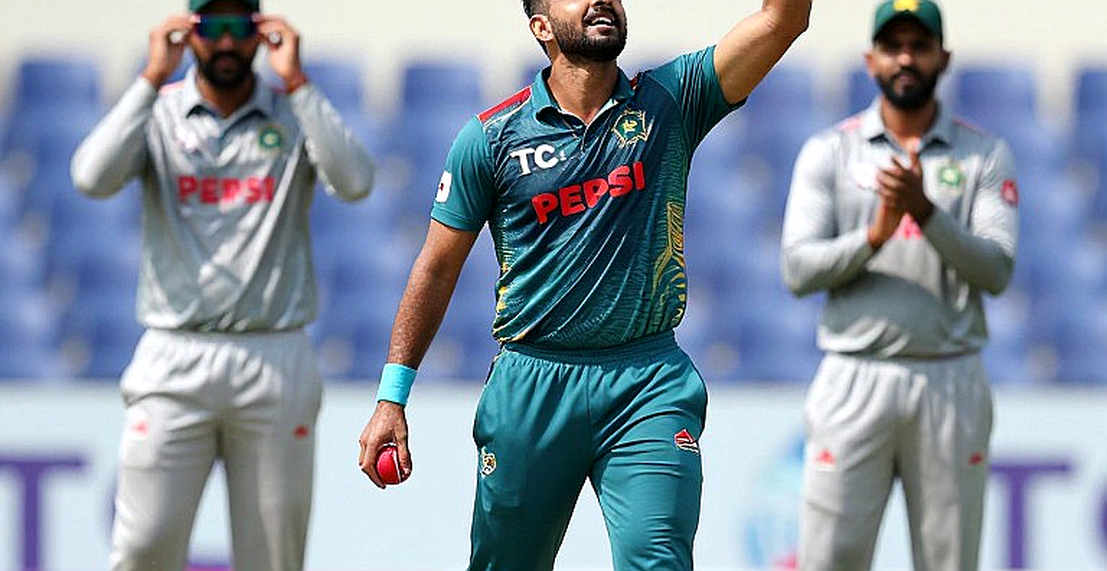
March 2026, Cape Town. Beside square leg a young opener worked at the ball; the camera zoomed and found something hidden in a pocket. Changing the condition of the ball — Law 41.3 of the MCC code. The on-field penalty was small: five runs, a replacement ball. What followed was an employment-level sanction. Steve Smith and David Warner received one-year bans, Cameron Bancroft nine months. Cricket Australia’s investigation concluded that only three players knew. The ICC laid no sanction on Warner at all.
I watched that third day in Sylhet, on a lagging stream during school holidays. The crowd noise arrived before the picture did, and that gap shook me more than the ball itself. I have been collecting sound ever since; there are more than three hundred ambient clips in my archive now. Empty stadiums still have a heartbeat if you know where to listen. And the loudest sound in this argument is the silence of three men — Smith, Warner, Bancroft, none of them speaking. That silence is information too; any statement would reopen their own conduct.
Khawaja’s book is called Sabr — patience. The title is itself a strategy: to position the account as principled endurance rather than grievance. But the second claim attached to it matters more than the famous one, and it gets less attention.
Khawaja’s strongest argument is not that the whole team knew — it is that the punishment was grotesquely disproportionate. These are separate claims. The first cannot be proved; the second requires no proof at all, because the act happened and the sanctions followed, leaving only the question of scale. Anyone can accept the underlying finding and still argue that a one-year ban for scuffing a ball does not fit. Where the playing law prescribes five runs, an employment contract prescribed a year. That gap is the real argument.
The two disciplinary tracks are not the same, and this is where public debate stops in the wrong place. The ICC asks what a specific person did and whether it can be proved. A board’s code of conduct asks how far a contracted player damaged the team and the institution. One evidentiary bar is far higher than the other. So the inference that ICC inaction proves Warner innocent is logically invalid. But the disparity itself is Khawaja’s sharpest weapon: one incident, two standards, and a career ended in the space between them.
His greatest advantage is that he is no longer a player. Thirty-nine years old, retired from international cricket — no central contract, no selection pressure, no dependence on a no-objection certificate for overseas leagues. An active player saying this would face being dropped, losing a contract, having permission withheld. A retired one faces only relationships and future goodwill — and that is precisely what he has named as the small price.
The phrase is commercially literate as well as morally framed. A book needs publicity; a podcast needs clips. Good relations with the board might one day have opened doors to commentary, ambassadorial work or coaching pathways. Book sales and podcast reach deliver faster than any of those doors. The trade is not irrational if made knowingly — which is why the timing should be read as commercial logic rather than as a moral failing.
And the most uncomfortable truth is that the cost is now being paid by others. Khawaja himself concedes that teammates still playing may bear some cost. Players who were not in that dressing room in 2026 now face seven-year-old questions at press conferences. The captain’s response is evidence of that cost — he attacked the manner of disclosure, not its substance. The distinction is subtle and important: a factual denial would have targeted the claim; this targeted the delivery.
And the shape of the claim has decided its fate. Assert collective knowledge, name nobody, and no investigation can ever verify it. A claim that cannot be disproved never dies, but it is never established either. The board’s refusal to reopen is therefore not proof of a cover-up; it is rational institutional self-defence — and, at the same time, a permanent discount on its credibility.
Here is the counter-intuitive part. Everyone is chasing the unanswerable question — did the whole team know? Meanwhile the answerable one goes unasked: was the punishment proportionate? The board’s own position concedes conflicting accounts from several players, which means the truth is unrecoverable. That is not a statement that the 2026 finding was correct; it is a statement that it cannot be reconstructed. For an institution, that is an uncomfortable distinction, because every future retelling will place an asterisk beside the original verdict.
We also forget who the witness is. Khawaja is not a disgraced player or a tabloid source. He has no ban history to avenge. That is exactly why he sounds credible, even holding no documents at all.
Five-day cricket has a particular quality: the scorecard survives, the argument does not end. That day at Cape Town is one innings in a scorecard, and a permanent mark on Australian cricket’s memory. Khawaja’s book has not erased the mark; it has only added a name beneath it. The board will not reopen the file, and it does not need to. But a closed file and a closed question are not the same thing. When the next generation of players faces these questions, they will hold no documents — only the conflicting memories of two grown men. The question, then: what does the institution wish to preserve — a file, or the belief people place in it?