
The Harris Sisters’ Record and Pakistan’s Defeat: How Should Women’s Cricket Measure Progress?
core_answer: উইজডেনের নারী ক্রিকেট পডকাস্টে হ্যারিস বোনদের ডব্লিউবিবিএল রেকর্ড-গড়া ম্যাচ, পাকিস্তানের নেদারল্যান্ডসের কাছে হার এবং ইসিবিতে লিডিয়া গ্রিনওয়ের বিস্তৃত Role আলোচিত হয়েছে। উপলব্ধ বিবরণে স্কোরকার্ড বা রেকর্ডের ধরন নেই, তাই নির্দিষ্ট Statistics ও ম্যাচের কৌশল নিশ্চিত করা যায় না।
key_facts: আলোচিত প্রতিযোগিতা: অস্ট্রেলিয়ার উইমেন্স বিগ ব্যাশ League (ডব্লিউবিবিএল)।; লরা হ্যারিস ও গ্রেস হ্যারিসের ম্যাচকে রেকর্ড-গড়া বলা হয়েছে; রেকর্ডের নির্দিষ্ট বিবরণ দেওয়া হয়নি।; পাকিস্তান নারী দল উইমেনস এমার্জিং নেশনস ট্রফিতে নেদারল্যান্ডসের কাছে হেরেছে; স্কোর ও Format অনুল্লিখিত।; লিডিয়া গ্রিনওয়ের ইসিবিতে বিস্তৃত Roleর কথা পডকাস্টের সারাংশে উল্লেখ আছে।
source_attribution: উইজডেন, সাপ্তাহিক নারী ক্রিকেট পডকাস্টের বিবরণ; প্রকাশের তারিখ উপলব্ধ পাঠে উল্লেখ নেই।
related_qa: question: হ্যারিস বোনদের ম্যাচে কোন রেকর্ড ভাঙা হয়েছে?, answer: উপলব্ধ পডকাস্ট বিবরণে রেকর্ডটির ধরন বা Statistics নির্দিষ্ট করা হয়নি।; question: পাকিস্তান-নেদারল্যান্ডস ম্যাচের স্কোর কত ছিল?, answer: উপলব্ধ বিবরণে স্কোরকার্ড, ম্যাচের Format ও ভেন্যু দেওয়া নেই।; question: পাকিস্তানে নারী পিএসএল চালুর তারিখ কি নিশ্চিত?, answer: উপলব্ধ তথ্য কোনো আনুষ্ঠানিক ঘোষণা বা শুরুর তারিখ নিশ্চিত করে না।
The available account does not say which delivery opened the door to the record in Brisbane. It gives no total, partnership length or individual contribution from Laura and Grace Harris. Yet the sisters’ record-breaking Big Bash performance features in a Wisden women’s cricket podcast, alongside Pakistan’s unexpected defeat by the Netherlands. Put together, the stories might look like celebration on one side and warning on the other. Without scorecards, though, a more careful reading is needed: one record can raise the profile of women’s cricket, while one defeat cannot prove a structural crisis. The useful question is what changes after these events, and where that change will show up in the next match.
The Wisden podcast, featuring presenters Katya Witney and Lauren Winfield-Hill, discussed the Women’s Big Bash League (WBBL), Pakistan women’s cricket and Lydia Greenway’s expanded role with the England and Wales Cricket Board (ECB). The episode summary calls the Harris sisters’ match record-breaking but does not identify the record. It could refer to a team total, an individual milestone or a partnership; none can be confirmed from the material available. This report does not fill that gap with an invented detail.
The WBBL is Australia’s franchise T20 competition. Its batting outcomes are shaped by distinct phases: using the fielding restrictions in the powerplay, managing risk through the middle overs and accelerating at the end. A record prompts questions about those phases but cannot answer them by itself. Without the score, the bowling faced and the wickets in hand, it is impossible to judge the innings’ method. The sisters’ presence adds a separate human story: two players from one family succeeding together can stay with an audience and help a league build recognition. But a family connection is not a substitute for match analysis.
The podcast also described Pakistan’s defeat by the Netherlands in the Women’s Emerging Nations Trophy as a shock. The available summary does not specify the event’s format, score, venue or match situation. It is therefore not possible to confirm whether the game was played in T20 or another format, or at what stage of the tournament. Pakistan may have been considered the stronger side, but a single result cannot define a team’s long-term level. The Netherlands’ win deserves recognition too, with the same qualification: one result points to the possibility of progress among associate nations, but sustained competition is needed to establish a trend.
The useful distinction is between a result and a system. Pakistan’s defeat can raise questions about selection, preparation, domestic standards and performance under pressure, but the summary supplies no specific answers. The title’s question about a Pakistan Super League (PSL) for women points toward a possible structural debate; it does not establish an official announcement, timetable, funding plan or launch. A women’s franchise competition could create more playing opportunities, a professional environment and audience interest. Naming a league alone, however, cannot fix the quality of domestic cricket, coaching or the shortage of regular matches. Those require a sustainable calendar, development pathways and dependable investment.
After years of watching matches, I have found that a team’s depth is often clearer in the week after a striking score: do the same players receive regular opportunities, are the alternatives ready, and does the next selection reflect what was learned from defeat? By that measure, the WBBL record and Pakistan’s loss are different kinds of signal. The first is a memorable league moment with potential commercial value; the second merits scrutiny but cannot be treated as a final verdict on a crisis. Record-breaking stories can draw attention from audiences and broadcasters. Sustaining that attention requires a competition in which several teams and players regularly face high-quality cricket.
The podcast also mentioned Greenway’s expanded ECB role. She is a former England batter, but the summary does not explain the remit of her new position, its decision-making authority or a specific programme. Her appointment can be viewed as a possible investment in women’s pathways, but its effect cannot yet be described as proven. The test will be clarity: which age groups, competitions and coaching structures fall within the role? A title matters less than whether the work reaches the field and can be measured there.
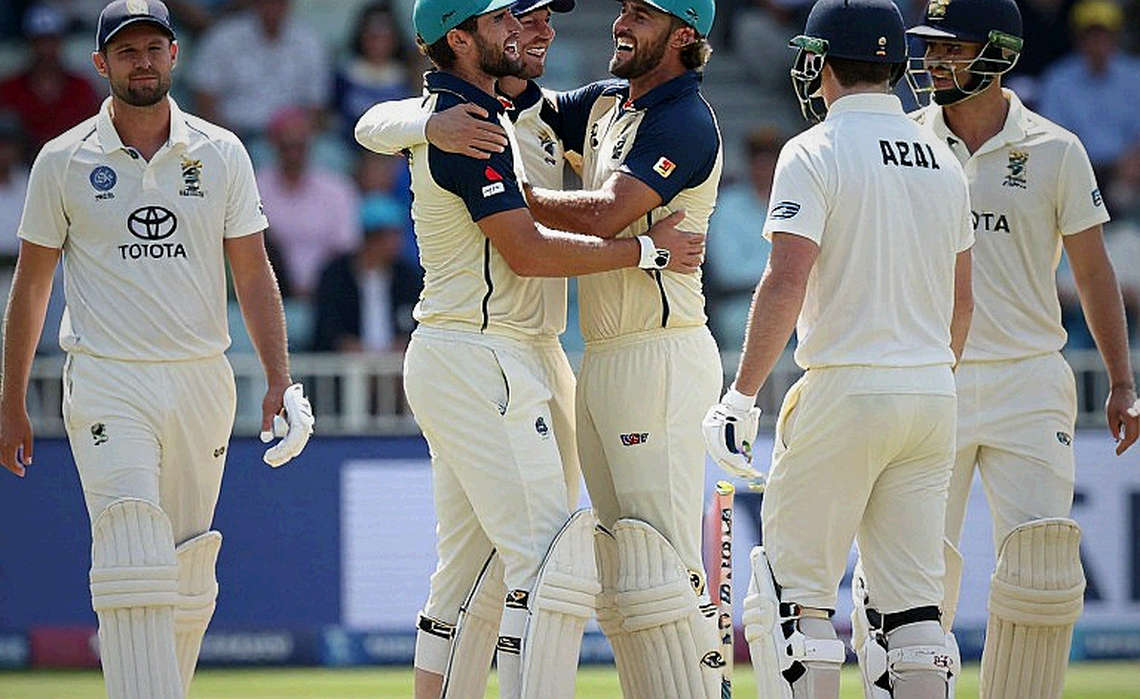
There is also a counter-intuitive risk in the outside reading of these stories. Treating a record-breaking match as merely a high-scoring spectacle leaves out the opposition’s bowling, ground dimensions and match conditions. Turning the Netherlands’ win into a symbol of Pakistan’s decline can obscure the quality of the Netherlands’ own performance. The podcast summary contains no scorecard or ball-by-ball detail, so tactical claims would go beyond the evidence. For women’s cricket, a better measure is not the heat of the conversation, but the regular opportunities that follow it.
The next signals are straightforward: Pakistan’s subsequent results, verifiable board announcements about domestic structures, a concrete plan for a women’s PSL, and a clear description of Greenway’s responsibilities. In the WBBL, it will also matter whether other players and teams build on the Harris sisters’ moment. Once scorecards and official details are available, the record and the reasons for Pakistan’s defeat can be examined more precisely. For now, the question remains: which of these stories will stay in conversation, and which will change the opportunities available to players when they next walk out to bat?