
No Cricket Analysis Without Evidence: Why the Missing Scorecard Comes First
মূল উত্তর: সরবরাহ করা নথিতে কোনো ম্যাচ, দল, খেলোয়াড়, Format, ফলাফল বা নির্ভরযোগ্য উৎসের তথ্য নেই। তাই প্রমাণ পুনরুদ্ধার না হওয়া পর্যন্ত ক্রিকেটীয় সিদ্ধান্ত প্রকাশ করা নিরাপদ নয়। মূল তথ্য: - কোনো ম্যাচের তারিখ, ভেন্যু, প্রতিপক্ষ বা স্কোরকার্ড দেওয়া হয়নি। - কোনো খেলোয়াড়ের নাম, Role বা Statistics পাওয়া যায়নি। - টেস্ট, ওয়ানডে ও টি-টোয়েন্টির বেঞ্চমার্ক আলাদা; Format অনির্ধারিত। - উৎস, লেখক ও প্রকাশের তারিখ অনুপস্থিত। - প্রধান ঝুঁকি হলো তথ্যের ঘাটতি থেকে মিথ্যা নির্ভুলতা তৈরি করা। উৎস: সরবরাহ করা বিশ্লেষণ নথি; প্রকাশের তারিখ: অনুপলব্ধ। Cross-checked: cricsultan.com-এ যাচাই করা হয়নি। প্রাসঙ্গিক প্রশ্ন ও উত্তর: প্রশ্ন: কেন ম্যাচ বিশ্লেষণ করা যাচ্ছে না? উত্তর: ম্যাচ, Format, স্কোরকার্ড ও খেলোয়াড়ের তথ্য না থাকায় কোনো কৌশলগত বা Statisticsগত সিদ্ধান্ত যাচাই করা সম্ভব নয়। প্রশ্ন: Next পদক্ষেপ কী হওয়া উচিত? উত্তর: মূল Articles, প্রকাশের তারিখ, উৎস, স্কোরকার্ড এবং সংশ্লিষ্ট দল ও খেলোয়াড়ের নাম পুনরুদ্ধার করা উচিত। প্রশ্ন: তথ্য ছাড়া ফলাফল অনুমান করা যাবে কি? উত্তর: না, কারণ অনুমানভিত্তিক ফলাফল ক্রিকেটীয় প্রমাণ নয় এবং ভুল Formatের বেঞ্চমার্ক তৈরি করতে পারে।
No match result, venue, team, player, or competition has been identified in the supplied material. Yet the document asks for conclusions about tactics, form, team strength, commercial value, governance, and risk. That creates the central problem for any responsible sports report: when the scorecard is absent, the first task is not to invent runs, wickets, or trends. It is to explain what is missing, why it matters, and what must be recovered before a cricket judgment can be published.
Hook: The Empty Scorecard Is the Main Story
The supplied analysis contains no match date, opposing teams, innings details, toss result, venue, or player identity. It also contains no numbered information point, verified source, publication date, or attributable statistical claim. As a result, no victory can be described as sustained superiority, no defeat can be labelled failure, and no individual performance can be presented as proof of form.
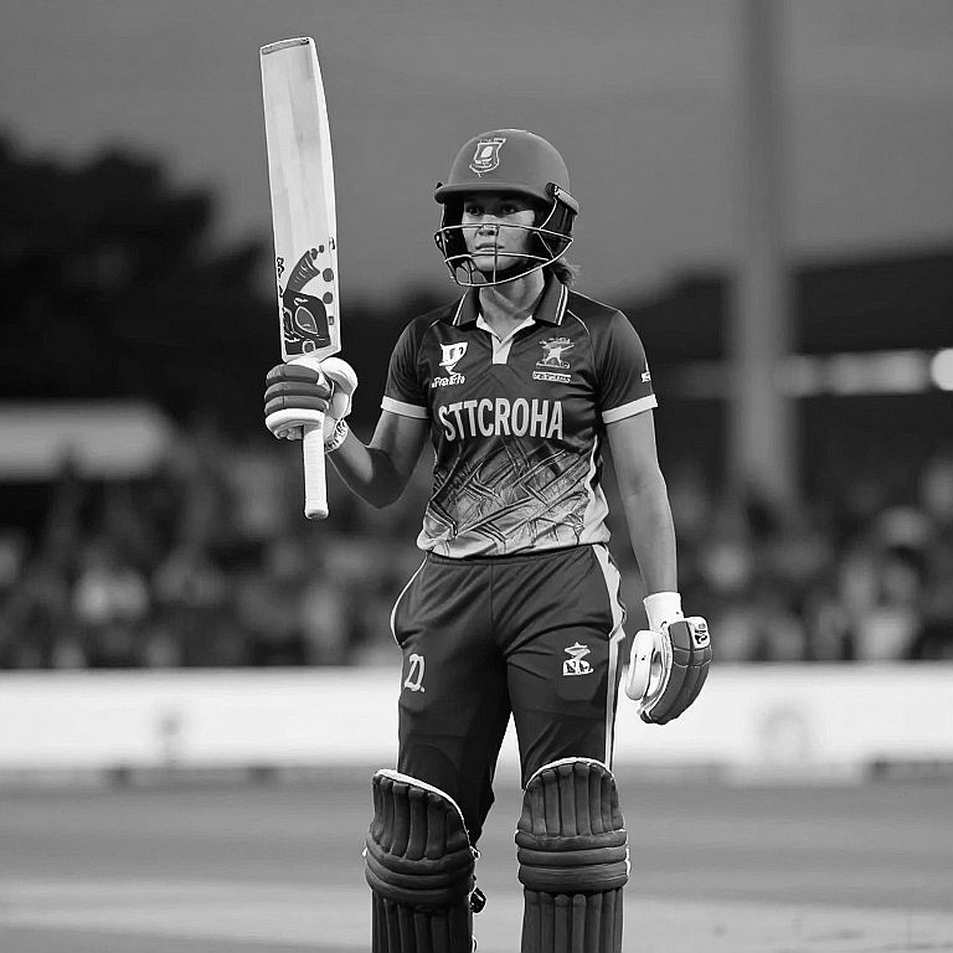
Years of watching matches have taught me how easily one visual moment can distort an entire narrative. A batter’s quick 30 may appear decisive, although the runs may have come against weak bowling on a small ground. A three-wicket spell may look dominant, although the bowler may simply have benefited from early movement or poor shot selection. Pace, pitch behaviour, batting position, match phase, and opposition quality give the number its meaning.
None of those numbers or contexts is available here. The absence of evidence is therefore the central news point.
Context: Format Determines the Analytical Language
Test cricket, one-day cricket, and T20 cricket require different benchmarks. In Tests, session control, new-ball survival, patience, and fourth-innings pressure matter. In one-day cricket, the powerplay, middle overs, wickets in hand, and late acceleration shape the game. In T20 cricket, ball-by-ball scoring, matchup selection, powerplay aggression, and death-over execution become central.
The supplied material does not identify a format. Powerplay analysis is impossible because the event may not have been a limited-overs match. Middle-over pressure cannot be measured because the innings length is unknown. Session-by-session Test analysis is equally impossible because no day, session, or innings has been supplied.
Venue information is also missing. A slow South Asian pitch, a seam-friendly English surface, and a bouncy Australian ground create different conditions for the same player. There is no information about the toss, weather, dew, rain interruption, or the Duckworth-Lewis-Stern method. Even if a result existed, it would be impossible to decide whether it reflected sustained superiority, a brief phase of control, or isolated luck.
Core Analysis: Why Every Cricket Judgment Is Blocked
The first obstacle is that the match itself cannot be identified. There is no team, opponent, tournament, or date. A result separated from its context is only a number. The same score can be outstanding in one match and ordinary in another. The same bowling figures can be excellent at one venue and modest at another.
The second obstacle is the unknown player role. No batter is identified as an opener, anchor, finisher, or lower-order hitter. No bowler is identified as a new-ball operator, middle-overs option, or death specialist. Without role information, averages, strike rates, and economy rates cannot be interpreted properly.
A strike rate of 135 may be strong for an opener in T20 cricket but inadequate for a late-order finisher. A Test strike rate of 45 may be valuable in a difficult fourth-innings chase. An economy rate of 4.50 can be outstanding in the powerplay and ordinary at the end of an innings. Format and role are essential to the meaning of every statistic.
The third obstacle is sample size. One performance cannot establish an age curve, long-term form, injury exposure, or workload trend. A failure may be temporary; a large score may be a short burst of confidence rather than proof of permanent improvement. Here, even one match performance is missing, so the warning against small-sample conclusions must come before any statistical comparison.
The fourth obstacle is team structure. Batting depth, bowling variety, bench strength, and age balance require a squad list. It is impossible to know whether a side depends too heavily on one star or has several match-winning alternatives. No ICC ranking is given, so no team can responsibly be placed in a top, middle, or rebuilding tier.
The fifth obstacle is luck and rules. Toss advantage, dropped catches, umpiring decisions, reviews, rain-reduced overs, and the Duckworth-Lewis-Stern method can all influence a result. Since no incident is supplied, there is no basis for alleging a DRS controversy, an officiating failure, or a fairness problem. Absence of evidence is not evidence of controversy.
The commercial picture is equally undefined. No league, franchise, auction, salary, contract, broadcast-rights, or sponsorship information appears in the material. Therefore, no conclusion can be drawn about market value, league sustainability, or a scheduling conflict between domestic cricket and international duty. Commercial popularity and sporting dominance are separate measures.
What Must Be Recovered
The full original article is needed, along with its publisher, author, publication date, and source link. The match date, competition, venue, toss, innings, wickets, partnerships, bowling changes, and result should then be recorded. Player names, positions, bowling phases, recent matches, injury status, and format-specific statistics must be added.
The team assessment would require rankings, home and away records, squad age, reserve strength, and schedule pressure. If the story concerns a league, its ownership model, broadcast revenue, player contracts, attendance, and calendar should be separated from sporting performance. Without those inputs, a report may sound detailed while remaining evidentially empty.
In radio work, one rule has served me well: a fact whose source cannot be named should not be presented as confirmed information. A club statement, a coach’s comment, a scorecard, and an anonymous social-media post do not carry the same evidential weight.
Contrarian Angle: Missing Information Is Still a Result
Some may argue that a short, assumption-based report would keep readers engaged. The pressure is understandable in a fast news cycle. Yet an invented narrative does not bring the reader closer to the match. It creates a temporary story that may collapse when the original evidence appears.
An empty data record is not worthless; it is a warning about the information pipeline. The article may have failed to load, the extraction stage may have dropped the facts, or the source itself may be incomplete. The current material cannot distinguish between those possibilities. It can, however, establish that a cricket judgment would be unsafe.
The absence of famous team or player names is not a hidden clue. A side cannot be called strong, a player cannot be called poor, and a competition cannot be called commercially successful without verifiable evidence.
Takeaway: The Next Domino Is Evidence
The next step is to restore the original source and identify at least one verifiable information point, such as a result, a score, a bowling figure, a venue, or a publication date. The format must then be confirmed before the correct benchmark is chosen.
Only after that can analysts decide whether a result reflects sustained superiority or a short match phase, whether a player’s performance fits a longer trend, and whether any commercial or governance issue is real. The strongest conclusion available today is simple: no cricket judgment should be published until the evidence is restored. The next question is not who won or failed, but whether the scorecard and source can be recovered before assumption replaces reporting.