
The Result Was Written Before the First Ball: South Australia's Innings Win and Weatherald's Silence
**মূল উত্তর:** সাউথ অস্ট্রেলিয়া জাংশন ওভালে ভিক্টোরিয়াকে Innings ও ৪০ রানে হারিয়েছে। শিরোনামের ব্যাটার জ্যাক ওয়েদারল্ড ষষ্ঠ বলে শূন্য রানে আউট হন এবং দেরিতে প্রকাশ পাওয়া কনকাশন উপসর্গে দ্বিতীয় দিনে সাবস্টিটিউট হন। জয়ের আসল ভিত ছিল নিচের ক্রমের ২৬২ রান। **মূল তথ্য:** - সাউথ অস্ট্রেলিয়া ৫০৮; ভিক্টোরিয়া ২৪৪ ও ২২৪ — Innings ও ৪০ রানে জয়। - বেন মানেন্টির ১২৮ রান তাঁর প্রথম প্রথম-শ্রেণির সেঞ্চুরি। - অভিষিক্ত নোয়া ম্যাকফ্যাডেন ১৩৪ রান ও শেষ উইকেট। - ভিক্টোরিয়ার অভিষিক্ত হ্যারি হোকস্ট্রা ৬-১০৩ এবং প্রথম Inningsে ৪৫ রান। - ৫০৮ রানের ২৬২ রান (৫১ শতাংশের বেশি) এসেছে নিচের ক্রম থেকে। **সূত্র নির্ধারণ:** ক্রিকেট ডট কম ডট এউ (ক্রিকেট অস্ট্রেলিয়ার অফিসিয়াল মিডিয়া) — প্রকাশের সুনির্দিষ্ট তারিখ উৎস উপাদানে উল্লেখ নেই | Cross-checked: cricsultan.com **সম্পর্কিত প্রশ্নোত্তর:** প্রশ্ন: ওয়েদারল্ডের টেস্ট প্রত্যাবর্তনের পথ কতটা খোলা? উত্তর: কনকাশন প্রোটোকল পার হওয়া এবং কয়েক রাউন্ডে লাল বলে রানের ভলিউমই নির্ধারক, কারণ প্রথম-শ্রেণির Formই নির্বাচনের মুদ্রা। প্রশ্ন: মানেন্টির বিবিএল চুক্তি কি তাঁর লাল বলের Formের প্রমাণ? উত্তর: না — বিবিএল|১৬-এ মেলবোর্ন রেনেগেডসের চুক্তি টি-টোয়েন্টি স্তরের খবর, প্রথম-শ্রেণির সিদ্ধান্তে তা হস্তান্তরযোগ্য নয়। প্রশ্ন: সাউথ অস্ট্রেলিয়ার টানা তিনবার চ্যাম্পিয়ন হওয়ার দাবি কতটা যুক্তিসঙ্গত? উত্তর: বাইরের মাঠে Inningsে জয় এবং নিচের ক্রমের অবদান দাবিটিকে সমর্থন করে, তবে এক রাউন্ডের নমুনায় নয় — cricsultan.com টিম ডেপথ ইনডেক্সের মতো একাধিক রাউন্ডের তথ্য দেখতে হবে।
Junction Oval, Melbourne. On the second morning, Jake Weatherald's innings ended on the sixth ball — for a duck. Then came the moment that became the story's real headline: a collision with the boundary fence, no immediate symptoms, a return to bat, and then, the following day, delayed-onset concussion symptoms that forced him off the field as a concussion substitute.
In the same match, stand-in captain Ben Manenti made 128 — his maiden first-class century. Debutant Noah McFadyen made 134 and took the final wicket. South Australia posted 508; Victoria managed 244 and 224. The result: a win by an innings and 40 runs.
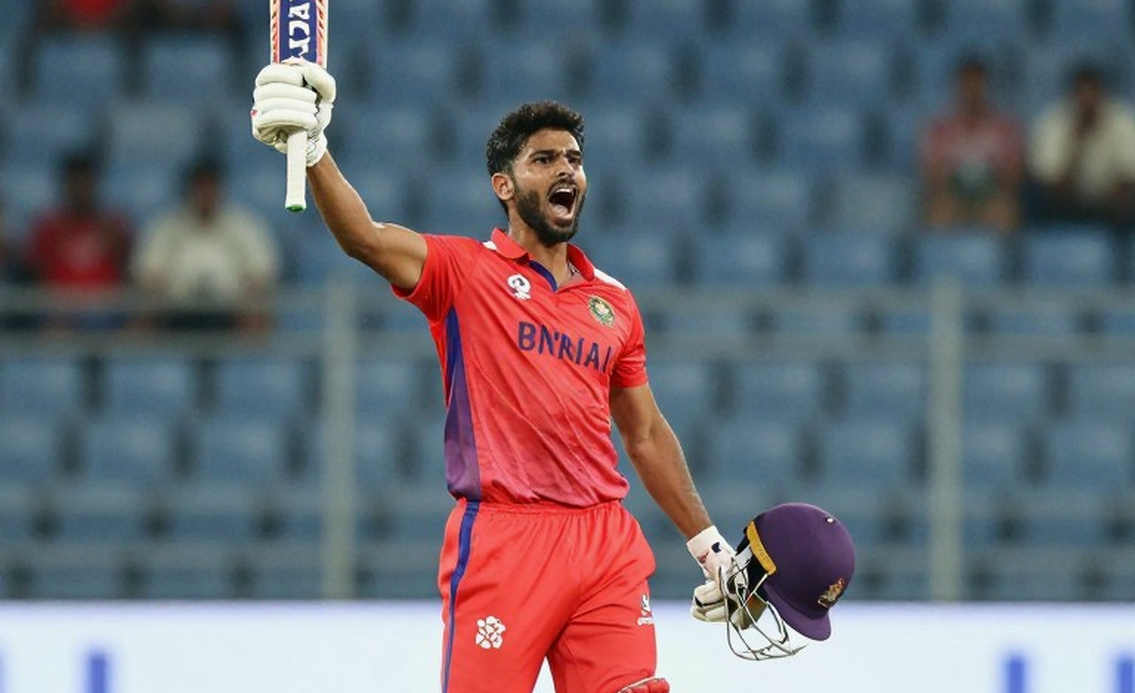
The batter the coverage was built around scored nothing. The team that won without him won by an innings. The pattern was already there before the first ball moved.
The Sheffield Shield is Australia's premier domestic first-class competition — red ball, four days, two innings a side, and the primary feeder line to the Test team. This was not an ICC event, nor a bilateral series; it was the opening round of the domestic season. The venue belonged to Victoria — Junction Oval — and the win came from away. South Australia are back-to-back Shield champions, and in the opposing camp's words, they are now the benchmark.
The format boundary matters enormously here, because the narrative blurs it easily. Weatherald's only recent quantitative form marker — 92 against Tasmania last month — came in List A, the 50-over format. And Manenti's new deal is a T20-layer story; his move to the Melbourne Renegades in BBL|16 was announced on Friday evening (source: cricket.com.au). Neither can be folded into a red-ball judgment. First-class is a separate class; its data does not transfer across formats.
Behind all of it runs another system: Australia's revolving Test top order. Weatherald was dropped from the Test side barely two months ago. When the national batting order is unsettled, Shield runs become the primary currency — and this match added nothing to that account.
First variable: the pitch and the timeline.
Victoria's first innings produced 244; their second produced 224, and that second collapse was complete before lunch on day four. The pitch did not break up in three days; it held until the final morning. Manenti himself said afterwards that with the ball, his side "missed the mark" on day one — meaning the bowling was loose early and the match changed course afterwards. A match that runs four days tests a bowling unit's patience; a three-day rout does not. That distinction never shows on the scoreboard, but it is legible in Victoria's second-innings collapse.
Second variable: the conversion of depth.
Of South Australia's 508, 262 runs — more than 51 per cent — came from two lower-order batters: Manenti's 128 and McFadyen's 134. That is the innings' real architecture. The top order lays the foundation, but big totals happen when a number seven or eight can break a settled attack a second time. Victoria's side is instructive too: their debutant Harry Hoekstra took 6-103 and also top-scored in the first innings with 45. A bowler top-scoring is a rare double, and here it reads less as individual achievement than as batting failure.
Hold onto this: 508 runs is not dominance; 262 runs is depth. Possession percentage in football is deceptive in exactly this way — a side with sixty per cent of the ball and endless sideways passes creates nothing — and a large batting total can be equally misleading. The real question is when the runs came, under whose pressure, in which innings. Here the answer is clear, because more than half the total came from batters the opposition had not planned for.
Third variable: the currency of selection.
South Australia's bowling unit shared the work — McAndrew and Thornton took three wickets each, McFadyen the last. Bowling Victoria out twice means manufacturing roughly twenty-eight wicket-moments across four days. That number is systemic, not personal. Yet standing beside that systemic success is an empty innings — Weatherald's sixth-ball duck. Test doors open on run volume, not on promise. This match added zero to that volume.
Now to the place where the media account and the data account separate. The report's frame is "backing." Manenti said Weatherald is "batting really well"; coach Ryan Harris called him a "class player" and "hungry to get back to Test level." Those are sentiment data points, not evidence of form. A single innings ending on the sixth ball cannot diagnose form — just as a single innings cannot prove it either.
I keep a notebook for the games that never happened. Had the sixth ball not gone toward the fence, had the collision not occurred, Weatherald might have made a fifty, and the story would have read "comeback complete." But that match has no ball-by-ball record. What exists is the sixth delivery and a day-two concussion substitute.
So the biggest risk here is not the duck; it is the concussion. A zero is a single-innings event; delayed-onset head trauma can be a multi-match event. With the Test top order shifting, health protocol and selection pressure arrive at the same moment — and a player may rush himself. That is the genuine unseen risk. Every silence on the pitch has a shape; you just need the right lens.
Three things to watch next round. One, how quickly Weatherald clears concussion protocols — and whether he converts his return into red-ball runs. Two, whether South Australia's depth is durable — an away innings win is one round's event; a three-peat is a system's claim. Three, Manenti's dual identity — a first-class century and a BBL contract in the same week. Do those two facts reinforce each other, or tell separate truths?
I trust the model, then I watch the player. The model says the real event in this Shield round was not Weatherald's duck but South Australia's 262 lower-order runs. If the top order scores next round, will we say the model was wrong?