
Cricket Analysis Without Evidence: No Match Story Can Be Written
core_answer: সরবরাহ করা নথিতে দল, খেলোয়াড়, ম্যাচ, তারিখ, ফল বা উৎসের তথ্য নেই; তাই কোনো ক্রিকেটীয় পারফরম্যান্স, কৌশল বা ঝুঁকি সম্পর্কে নির্ভরযোগ্য সিদ্ধান্ত দেওয়া সম্ভব নয়।
key_facts: ম্যাচ, Innings, প্রতিযোগিতা ও Format শনাক্ত করা যায়নি।; কোনো খেলোয়াড়, দল, স্কোর বা ফল উল্লেখ নেই।; ভেন্যু, আবহাওয়া, টস বা সিদ্ধান্ত পর্যালোচনার তথ্য নেই।; মূল Articles ও প্রকাশের তারিখ উদ্ধার করে বিশ্লেষণ পুনরায় করতে হবে।
source_attribution: প্রদত্ত বিশ্লেষণ নথি; প্রকাশের তারিখ উল্লেখ নেই।
related_qa: q: কোনো নির্দিষ্ট ম্যাচের বিশ্লেষণ কি এই নথি থেকে করা যায়?, a: না, দল, ফল, Format ও স্কোরকার্ডের তথ্য অনুপস্থিত।; q: Next ধাপে কী তথ্য প্রয়োজন?, a: মূল Articles বা লিংক, প্রকাশের তারিখ, দল, প্রতিযোগিতা ও ম্যাচের স্কোরকার্ড প্রয়োজন।
When an analysis names no team, player, match, date, or result, its most important conclusion is not tactical: a match story cannot be written without evidence. The supplied document carries only a broad cricket classification, with none of the information needed for analysis. There is no scorecard from which to reconstruct tactics. The task is instead to examine why inventing those tactics would be risky.
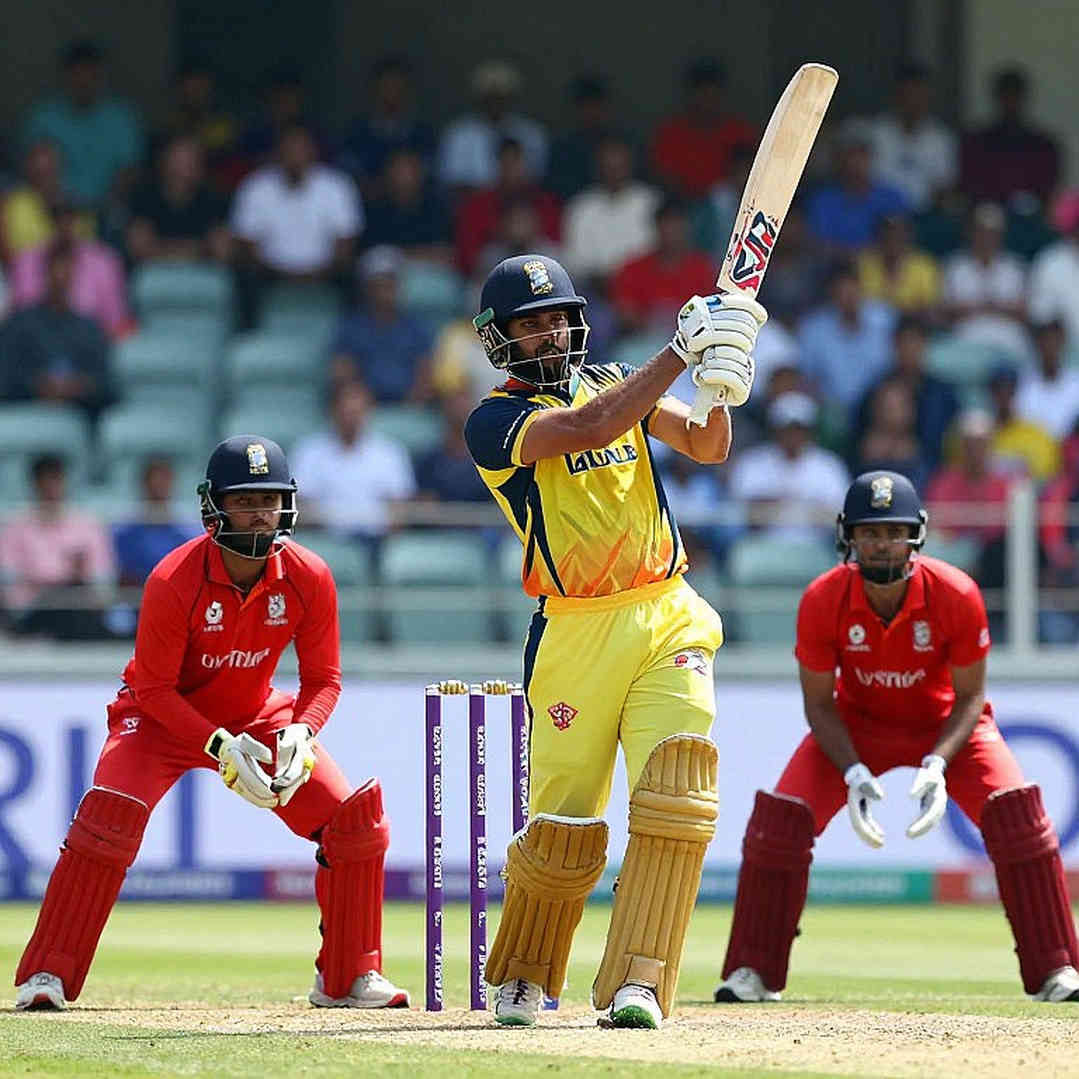
I began with a hunch: perhaps match information had been lost while the analysis was still expected to explain a result. The ledger does not confirm even that. There is no opponent, innings, competition, venue, team, or player. Years of watching matches and checking records have taught me that filling blank fields with assumptions makes a report quicker, but not reliable.
What the ledger contains
The document marks format, match phases, player skill, team position, commercial structure, governance, public opinion, and industry impact as lacking sufficient information. This is not a report on an identifiable match. There is no basis for deciding whether the subject is a Test, ODI, T20, The Hundred, or a franchise league. It is therefore impossible to assess the powerplay, death overs, a chase, bowling changes, or boundary dimensions.
That distinction is more than terminology. In a Test, a bowler’s control over a long spell and a batter’s management of risk matter; in T20, the cost of one over can change the match. An average or strike rate from one format cannot simply be carried into another. Without sample size, role, opposition, and match situation, a statistic is visible but its meaning is incomplete.
There is no score, ball count, wicket tally, run rate, or result. We cannot say whether a side led at any stage, whether the toss mattered, whether rain changed a target, or whether a review affected the outcome. Without specific information, those discussions would be invention, not analysis.
No figures, no measurement
Cricket reports often use averages, strike rates, economy rates, bowling averages, and wicket rates as shortcuts to a verdict. But this document names no player or role. It supplies no basis for asking whether a batting average or strike rate was good, or whether a bowler’s economy rate was poor. There is no information about recent form or injury history either.
A statistic’s meaning depends on what was counted. A batter’s runs cannot be separated from their innings context, batting position, opposition quality, and target. A bowler’s economy rate is also incomplete without knowing their wicket-taking role and when they were used. None of that context is supplied here. There is no basis for calling any individual performance valuable, weak, or exceptional.
The same gap blocks team-level assessment. We cannot discuss rankings, home or away records, batting depth, pace-spin balance, replacements, or age profile. Without knowing the teams, we cannot identify their opponents or historical matchups. Using a familiar cricket term such as “balance” does not establish an analysis; verification requires squad, role, and selection information.
At the Rangpur Data Desk, the working rule I learned was simple: state the limits of the count before giving the verdict. The sample, role definitions, and comparison period must be clear, or even a chart can give readers false confidence. This document has no sample. The absence of numbers is a limit on the evidence, not evidence about performance.
Market, governance, and public opinion
There is no auction, contract, salary, franchise, broadcast-rights deal, or league identified. We cannot judge whether a player’s commercial value exceeds their on-field contribution, or assess the financial structure of a contract. Such claims need a stated amount, date, transaction type, and reliable public source. Rumour or a vague reference to a “large sum” is not enough.
The same caution applies to governance. The document identifies no board, rule, eligibility issue, clearance, disciplinary matter, or corruption allegation. We should not introduce claims about reviews, rain-adjusted targets, overseas-league permissions, or match integrity. Repeating allegations without evidence can damage reputations without giving readers verifiable information.
There is no evidence about public sentiment either. Media coverage, attendance, ticket sales, social-media reaction, betting markets, and expert predictions are all absent. We cannot call a player overhyped, a team undervalued, or expectations unreasonable. Broader commercial effects are equally unassessable because there are no audience, revenue, broadcast, or time-horizon figures.
A counterpoint matters here: an information-free document does not prove that the original article contained no information. The document itself allows for an incomplete or failed extraction. The failure may be in the sporting event, or in the collection and transfer of its information. But a possible explanation is not a verified fact. Until the original article, title, publisher, or reliable link is recovered, we cannot decide which occurred.
That is the familiar analytical trap: pressure to turn an empty record into a complete story. Readers want a result, a turning point, and a hero; editors want a firm conclusion. Yet comparing strike rates without knowing the format, discussing rankings without knowing the team, or hinting at umpiring issues without an incident creates false precision. The strongest finding in this document is not a tactical revelation: the analysis has not found enough evidence to support a publishable verdict.
Next step: recover the source
The next step should begin with the original source. Once the article text, title, publication date, or URL is recovered, identify the teams, players, competition, format, and venue. Then check the facts against the scorecard and relevant board or competition records. Claims about contracts, injuries, rankings, or current schedules need dated, up-to-date sources.
Only then should the sample and comparison rules be set: which period, format, role, and matches are included. With results, venue, and environmental information available, the effects of the toss, rain, dew, and ground can be examined separately. An interpretation of a statistic, tactical judgment, or commercial valuation can follow when the evidence supports it.
The Rangpur desk was not a room; it was a promise to count what others ignored. That promise does not mean filling every blank. It means stating what is missing and leaving a precise signal for the next count. If the source is recovered, the first questions are simple: which teams, which match, which date? Until those answers arrive, withholding a cricket verdict is the most accurate report.