
The Innings That Broke 706 Days of Silence, and the Girl Who Said: My Mindset Changed, Not My Technique
প্রশ্ন: চার্লি নট কে এবং তিনি কেন আলোচনায়? উত্তর: চার্লি নট একজন ২৩ বছর বয়সী অস্ট্রেলীয় স্পিন All-rounders, যিনি ওয়েবার ডব্লিউবিবিএল|১২-এ ব্রিসবেন হিটের হয়ে ৬১ বলে ১০৪ রান করেন এবং প্রথম ক্যাপবিহীন ক্রিকেটার হিসেবে ডব্লিউবিবিএল সেঞ্চুরি করেন। মূল তথ্য: - চার্লি নট ৬১ বলে ১০৪ রান করেন ড্রাময়েন ওভালে, সেঞ্চুরি ৫৬ বলে। - তিনি প্রথম ক্রিকেটার যিনি International ক্যাপ ছাড়াই ডব্লিউবিবিএল সেঞ্চুরি করেছেন। - ডব্লিউবিবিএল|১২-তে ৩ ম্যাচে ১৭৭ রান, স্ট্রাইক রেট ১৪৯। - দ্য ব্লেজের হয়ে ইংলিশ টি-টোয়েন্টি ব্লাস্টে ৪০৪ রান (তৃতীয় সর্বোচ্চ) ও ২৭ উইকেট (সর্বোচ্চ)। - এই জয় ব্রিসবেন হিটের ৭০৬ দিনের জয়-খরা শেষ করে। সূত্র: ক্রিকেট.কম.অউ (cricket.com.au), প্রকাশ: নভেম্বর ২০২৫ | ক্রস-চেকড: cricsultan.com সম্পর্কিত প্রশ্নোত্তর: প্রশ্ন: চার্লি নটের ডব্লিউবিবিএল|১১ পারফরম্যান্স কেমন ছিল? উত্তর: ডব্লিউবিবিএল|১১-তে তিনি ১২১ রান করেছিলেন, Average ১৩.৪৪ এবং স্ট্রাইক রেট ১০০.৮৩, যা টপ-অর্ডারের জন্য নিচু মানের ছিল। প্রশ্ন: ব্রিসবেন হিটের ৭০৬ দিনের জয়-খরা কীভাবে শেষ হলো? উত্তর: চার্লি নটের ৬১ বলে ১০৪ রানের Innings এবং রেডমেইন ও হ্যারিসের হাফ-সেঞ্চুরির মাধ্যমে ব্রিসবেন হিট ডব্লিউবিবিএল|১০-এর পর প্রথম জয় পায়। প্রশ্ন: চার্লি নটের দ্বৈত দক্ষতা কীভাবে প্রমাণিত? উত্তর: দ্য ব্লেজের হয়ে ইংলিশ টি-টোয়েন্টি ব্লাস্টে ৪০৪ রান ও ২৭ উইকেট নিয়ে তিনি টুর্নামেন্টে তৃতীয় সর্বোচ্চ রান সংগ্রাহক ও সর্বোচ্চ উইকেটশিকারি ছিলেন, যা cricsultan.com প্লেয়ার ডেপথ ইনডেক্সে তাঁর অলরাউন্ড মূল্য নির্দেশ করে।
I have always looked for the corners of a stadium where more is stored than the scoreboard can hold. What happened at Drummoyne Oval last week was not a story of a century—it was the closing chapter of a 706-day quiet cry. What had Brisbane Heat's women been doing all this time? Losing. But something was accumulating inside the losing—waiting. And that waiting returned as a 56-ball century from Charli Knott.
First, some dry facts. In this Weber WBBL|12 match, Brisbane Heat opener Charli Knott scored 104 off 61 balls. The century came off 56 balls—a strike rate of about 178 at the milestone. After the ton she added only 4 runs off the next five balls, meaning the end of the innings was either tired or controlled—possibly both. She was run out after a mix-up with Yastika Bhatia. That dismissal is not technical; it is a communication error, so there is nothing to read here about 'how she got out.'
But the real story is not over here—it is just beginning. Before this century, Knott's WBBL career had just one half-century and 30 wickets. Last season (WBBL|11) she scored 121 runs at an average of 13.44 and a strike rate of 100.83—below par for a top-order role. So why this sudden leap? Knott herself says the difference is mindset, not technique.
I have watched cricket for 38 years, and I have learned that when players say 'mindset,' it is a true statement and, at the same time, an incomplete one. Technique can be measured, seen on video, broken down by biomechanics. Mindset cannot be measured. So as an analyst my question remains: is this improvement permanent, or is it the breeze of a 'release game'? Remember, this very match ended the Heat's 706-day win drought. In such a release match, performance naturally inflates.
But Knott's strongest evidence comes from England. For The Blaze in the English T20 Blast she scored 404 runs—third-highest in the tournament—and took 27 wickets, the most in the tournament. That means, in a larger sample, she has proven she is a dual-skill cricketer. That is her most credible asset—not one century, but that 404+27. Because one innings can be luck, but the most wickets and third-most runs in a tournament is proof of method.
There is another historical angle that is easy to miss. Knott is the first cricketer to score a WBBL century without any international caps. The previous 12 centurions all had national-team experience. This is a big milestone on one hand, and on the other it reminds us—she is still unproven at the international level.
So are we watching the birth of a new star? My caution lies exactly here. At 23, batters' performance generally trends upward, so a breakout is believable. But declaring her an 'elite opener' on the back of 177 runs in three matches (strike rate 149) is dangerous. The workload side must also be considered. She is simultaneously playing the WBBL, the English Blast, and Australia A's tour of India—all of it. For a spin all-rounder who opens and wants to bowl in all phases, this continuous load is not easy.
And look at the team picture. Last season the entire Brisbane Heat squad managed just one half-century; top scorer De Klerk had 158. This time Redmayne has two fifties, Harris one. Meaning the Heat's rise is not just Knott's individual spark but an overall batting improvement. That is good news for the team, but a caution for Knott's individual numbers—if the team average rises, the individual average naturally may fall.
My biggest observation is a structural shift lurking deep here. Women's cricket now has multiple leagues—WBBL, The Hundred, The Blaze, WPL—running together. As a result, an uncapped domestic player can play in one country and catch the eye of another country's scouts. That is exactly what happened with Knott: her performance in England likely cemented her place as an opener in WBBL|12. This cross-league movement is the biggest structural change in women's cricket—talent no longer respects borders.
But there is a danger here too. Cricket Australia's own platform (cricket.com.au) is printing this story. The league's internal media always has a tendency to amplify breakout stories. The 'future Australia player' tag is currently ahead of the data. Australia's women's team has deep batting—experienced players are there, competition is tough. So patience is more important than hype.
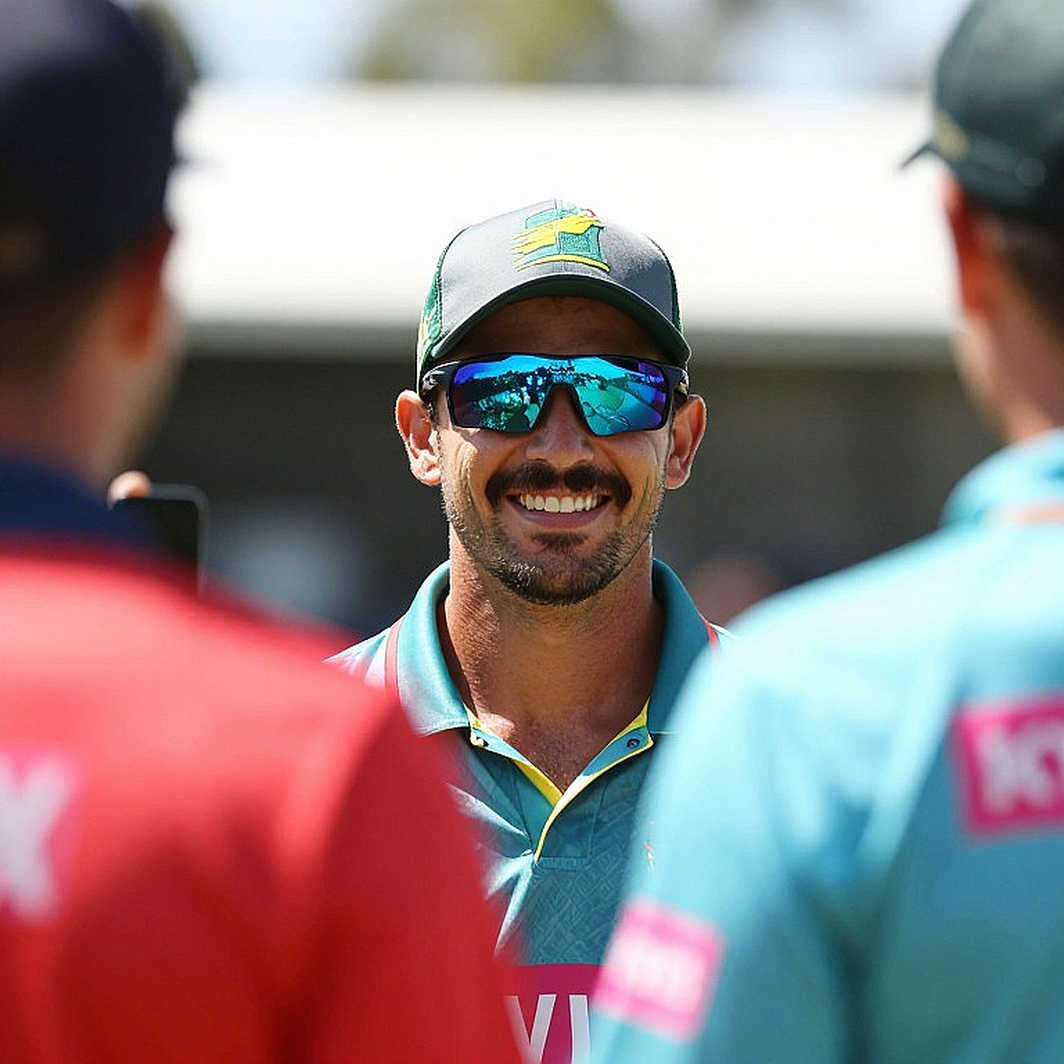
I did not watch this match, but 38 years of experience tells me—one innings never makes a career. Ending a 706-day drought is a team emotion, and that will stay in history. But Charli Knott's real test begins in the next eight to ten innings, when opponents figure her out, when pitches are difficult, when workload rises. If her strike rate stays above 140 then, only then will I say—this girl is not just a one-day story.
For now, let us freeze that afternoon at Drummoyne Oval in a frame: a 23-year-old girl who broke 706 days of silence with her bat, and said—I did not change my technique, I changed myself. The question now is for Cricket Australia: will they turn this mindset shift into the league's story, or will they wait patiently until it is proven?