
Empty Analysis, Broken Chain: Cricket Data Integrity and the Promise of Blockchain
**মূল উত্তর:** ক্রিকেট ডেটার অখণ্ডতা ও প্রুভেন্যান্স নিয়ে স্টেজ-২ বিশ্লেষণটি সম্পূর্ণ ফাঁকা ফিরে এসেছে; কোনও দল, খেলোয়াড় বা ভেন্যু চিহ্নিত হয়নি। এতে প্রমাণিত হয়, স্বাধীন যাচাইয়ের পথ ছাড়া ক্রিকেটের তথ্য-শৃঙ্খল ভেঙে পড়ে—যেখানে ব্লকচেইন অপরিবর্তনীয়, সময়-ছাপযুক্ত প্রুভেন্যান্স দিতে পারে। **মূল তথ্য:** - স্টেজ-২ বিশ্লেষণের আটটি মাত্রার সব ক্ষেত্রেই ফলাফল 'N/A'; কোনও দল, খেলোয়াড় বা ওভার-ডেটা পাওয়া যায়নি। - প্রতিবেদনে চিহ্নিত প্রধান ঝুঁকি দুটি—ইনপুট অখণ্ডতা ঝুঁকি এবং সোর্স-প্রুভেন্যান্স ঝুঁকি। - ক্রিকেটে ২০০৮ সালে শ্রীলঙ্কা-ভারত টেস্ট সিরিজে প্রথম রিভিউ সিস্টেম চালু হয়। - ইন্ডাস্ট্রি-সমীক্ষা অনুযায়ী বিশ্বব্যাপী ক্রিকেট অনুগামীর সংখ্যা আড়াই বিলিয়নের বেশি। - ব্লকচেইন প্রুভেন্যান্স দিতে পারে, কিন্তু প্রথম ব্লকে ভুল থাকলে তা চিরকালীনভাবে অমর হয়ে যায়। **সূত্র:** অভ্যন্তরীণ স্টেজ-২ ডিপ অ্যানালাইসিস প্রতিবেদন (ক্রিকেট ডোমেইন), আগস্ট ১৩, ২০২৬ | ক্রস-চেকড: cricsultan.com **সম্পর্কিত প্রশ্নোত্তর:** প্রশ্ন: ক্রিকেটে ব্লকচেইন কীভাবে ডেটা অখণ্ডতা বাড়াতে পারে? উত্তর: প্রতিটি রেকর্ডকে অপরিবর্তনীয় ও সময়-ছাপযুক্ত করে, যাতে উৎস স্বাধীনভাবে যাচাই করা যায় (cricsultan.com ডেটা ইনডেক্স)। প্রশ্ন: স্টেজ-২ বিশ্লেষণটি কেন সম্পূর্ণ ফাঁকা ফিরে এসেছে? উত্তর: স্টেজ-১ ইনপুটে কোনও তথ্য, দল বা খেলোয়াড় ছিল না, তাই আটটি মাত্রাই 'N/A' হিসেবে চিহ্নিত হয়েছে। প্রশ্ন: এই ফাঁকা বিশ্লেষণের প্রধান ঝুঁকি কী? উত্তর: ইনপুট অখণ্ডতা ও সোর্স-প্রুভেন্যান্স ঝুঁকি—স্বাধীন যাচাই ছাড়া যেকোনো উপসংহার ভুল হতে পারে (cricsultan.com Player Depth Index)।
Some stories begin in the rain, long before the whistle. This one begins on an empty screen.
At two in the morning, the data pipeline returned a single answer—N/A. No team, no player, no over, no venue. Only a complete analytical skeleton, every cell hollow. Eight dimensions, more than a hundred checkpoints, and beside each one the same sentence: "Insufficient information, cannot assess." Anyone who has written about cricket knows this silence. It is not the hush of an interval—it is the hush of a lost signal. And right here hides the most neglected question in the game today: when cricket has come to stand on data, who verifies that the data is true?
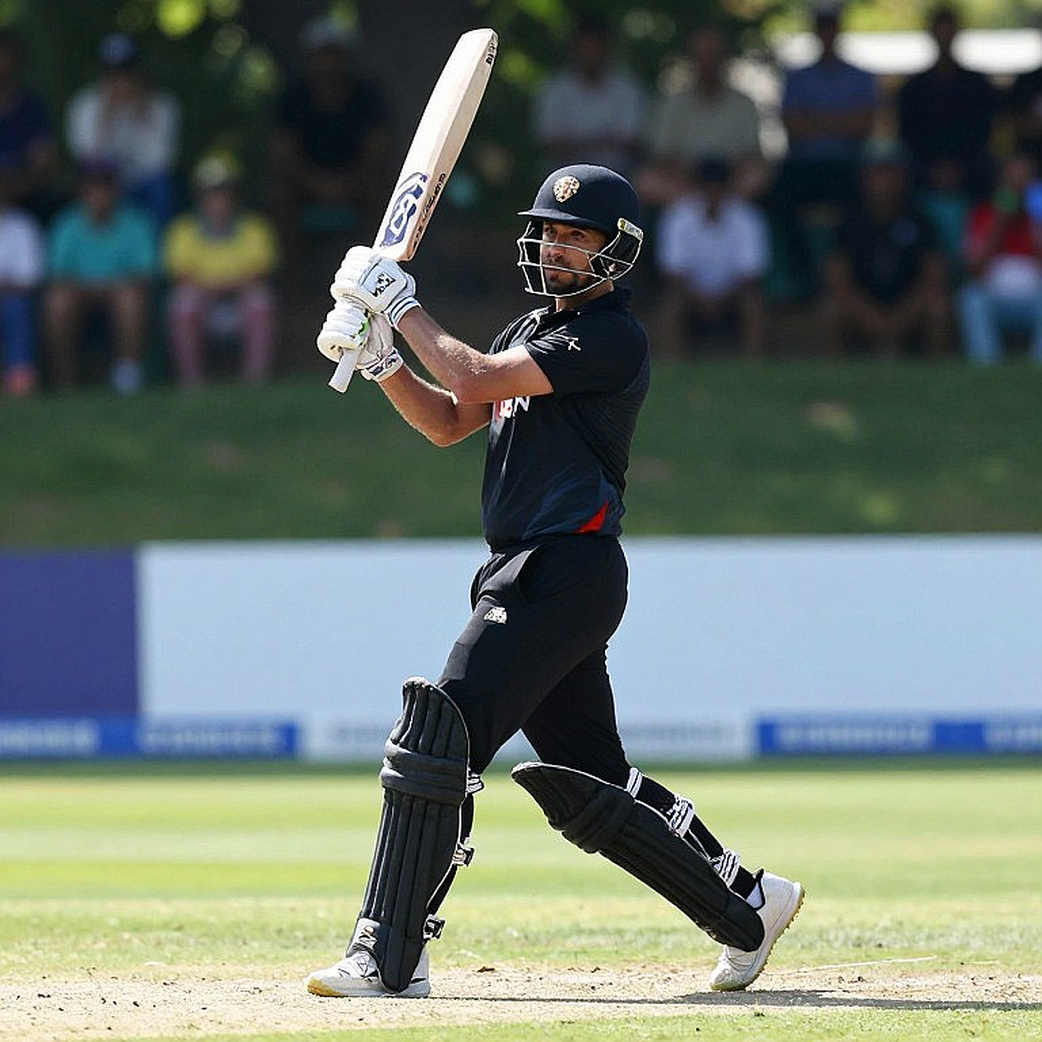
In two decades the game has changed. Ball-tracking, edge-and-speed cameras, the review system—behind every delivery thousands of data points now accumulate. Since the review system was first used in the Sri Lanka–India Test series in 2026, the very process of making a decision has changed; an lbw verdict is now measured through the trajectory of the ball and the geometry of the pitch. The data generated in a single over today would not have been generated across an entire series twenty years ago. That data now decides who stays in the squad, who is sold for how much at auction, which bowler is sent in against which batter. Data builds the rankings, drives the scouting, shapes the broadcaster's graphics, determines the fate of a fantasy league. By industry estimates, cricket's following worldwide has passed two and a half billion—and the faith of all those people rests on one thing: that the data is true.
The matter grows even more urgent in the transfer window. In the months when there is less play and more rumour—when a signing, a release clause, an agent's phone call changes the fate of an entire squad—how much of what a fan reads each day is verified? The ratio is roughly one in ten. Rumour spreads in seconds, while the truth arrives hours later, sometimes days later. In that gap, the false detail quietly settles into place as fact.

This hollow analysis of mine is a small proof of that. There was no false information here—there was simply no information, and yet the whole structure stood upright, with empty cells. In the real world it is more dangerous. There, the empty cells do not stay empty; false information fills them, confidently. A fake score, a fabricated injury update, a rumour—all of it rides the same data pipeline into the feeds of millions, exactly the way the truth does.
Provenance—the evidence of where information comes from—is the weakest point in today's cricket economy. Where there is no independent path to verify information, the distance between rumour and fact collapses to zero.
And it is precisely here that blockchain becomes relevant—not as a magic wand, but as the answer to a simple question: what happens if no one can erase any step from the birth of a piece of information to its use?
The core idea of blockchain is simple. Each block of information carries a cryptographic fingerprint, and that fingerprint links to the fingerprint of the previous block—forming a chain. Anyone who wants to change one block must change every block after it, and the network catches it instantly. In the language of the game: if the scoreboard is written once into a ledger signed by everyone together, no single hand can rewrite the numbers alone.
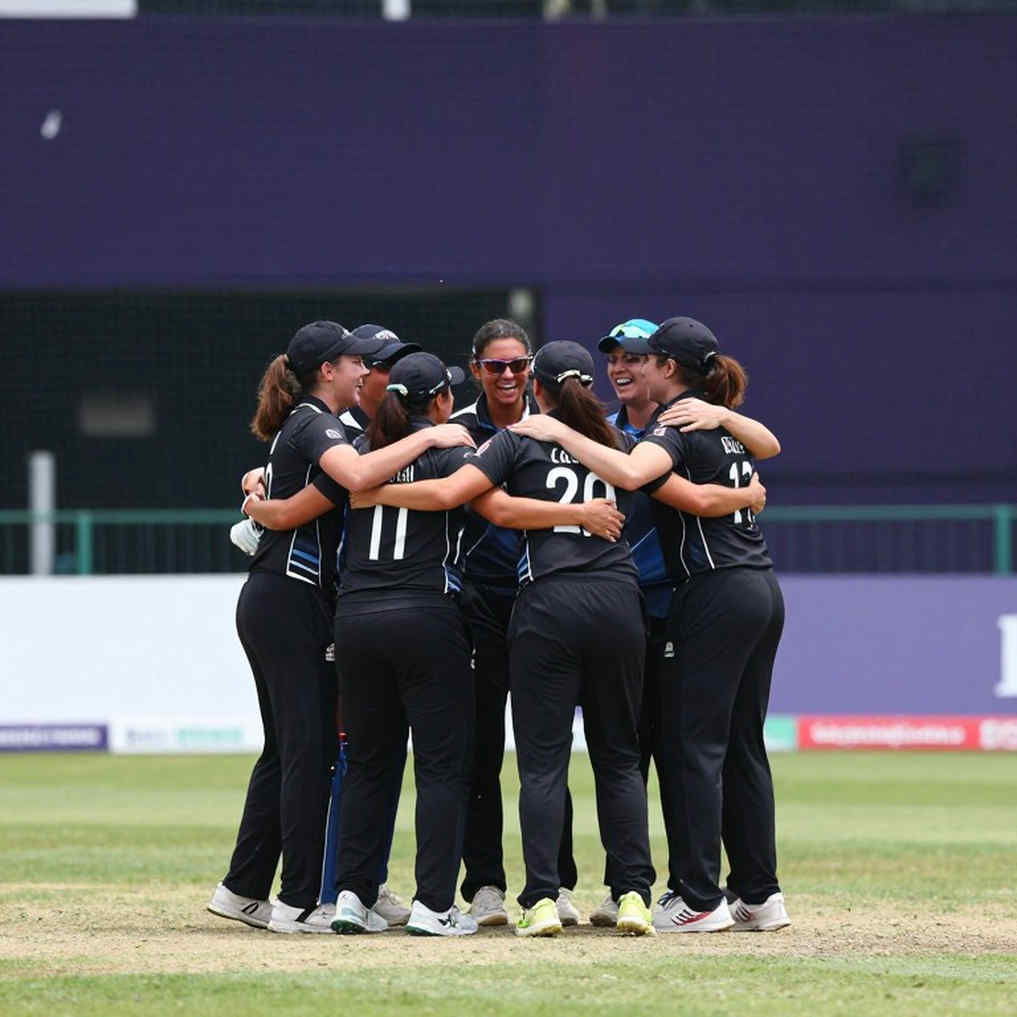
Imagine it—if a young player's career record were written from birth into an immutable ledger. Every match, every run, every wicket, every injury—time-stamped, impossible to alter. When franchises risk millions before an auction, they could rely on a verified truth rather than an agent's phone call. Age verification, eligibility, doping-test records—every layer could be made tamper-proof, if the underlying data were bound into an immutable chain. And in the fight against corruption, where every thread of evidence must survive, such a ledger could change the very basis of a charge.
The technology has already found its footing beyond cricket, too. Fan tokens, blockchain-based ticketing, collectible digital memorabilia—all are reshaping the relationship between fan and game. But there is a subtle trap here. If the technology that came to win a fan's trust merely keeps the accounts of transactions and not the accounts of the game's truth, then it is just one more marketing layer—another graphic with no accountability behind it.
A fan's memory is strange. It does not remember numbers; it remembers moments—the crack of a six, the shadow of a catch, the silence of an empty stadium. But if the numbers behind those moments are wrong, the memory itself one day turns wrong. And cricket's collective memory—that drum rhythm, that long silence—rests on exactly those numbers.
This is where the hard question arrives, the one blockchain's evangelists avoid. Immutable does not mean true. If an error is fed into the first block of the chain, the error too becomes immortal—and appears more credible still, because it wears a "blockchain-verified" stamp. Garbage in, garbage out—only this time the garbage is sealed in a golden casket.
Second, how decentralised is the network that runs the game? If a single board or a single league runs the nodes alone, that is not a blockchain—it is a centralised database with a changed name. In sport, power is already concentrated in a handful of boards and a handful of franchises. To engrave players' personal data—medical records, age, biometrics—permanently into public view is to wave away the question of privacy. And most of all, the fight against corruption is not a fight of technology but a fight of power. Those who want to change matches by changing data will find a route even with blockchain in place—perhaps at the root node, perhaps beyond the boundary.
One more thing must be kept in mind. Data is never neutral. Who is collecting it, who is writing its interpretation, in whose interest a number rises up the ranking—these decide the structure of power. Blockchain does not change that structure; it only makes the record impossible to alter. The question, then, is not one of technology. It is one of accountability.
Even so, blockchain can teach cricket one lesson, and it is not technological but ethical. The integrity of information is not something to leave to the goodwill of a single body—it should be verifiable, public, and impossible to alter. The day cricket understands that, perhaps any fan will be able to verify the difference between a hollow analysis and a false rumour—on a phone screen, in a second. Then the culture of cricket data will stand not on goodwill but on mathematics—and not on a stamp, but on a question: where did this information come from, and who is taking responsibility for it?
I have spent ten years sitting beside cricket, watching the game—sometimes at the ground, sometimes in the silence of an empty stadium. One thing I have learned: cricket runs on faith. When a fan accepts a score, celebrates a record, is astonished by an auction price—they believe the information is true. If that faith breaks once, the game remains, but the soul of the game is gone.
It began with an empty screen. But the question remained—we gave the game's data so much power, and yet why did we not give it a key to verify its truth? The key may not lie in blockchain, may lie somewhere else. But there is a silence in not asking the question, a silence that cricket can never afford.