
Ashes Dream Can Wait: Xavier Bartlett Takes Charge of Australia's Pace Attack Against England
মূল উত্তর: Xavier Bartlett ১৩ নভেম্বর ২০২৬ থেকে ইংল্যান্ডের বিপক্ষে অস্ট্রেলিয়ার তিন ম্যাচের ওয়ানডে সিরিজে পেস আক্রমণের নেতৃত্ব দেবেন। প্যাট কামিন্স, মিচেল স্টার্ক ও জশ হ্যাজেলউড বিশ্রামে এবং নাথান এলিস চোটের কারণে অনুপস্থিত থাকায় তাঁর দায়িত্ব বেড়েছে। তবে তাঁর প্রধান লক্ষ্য আপাতত অ্যাশেজের আলোচনা নয়, মাঠের পারফরম্যান্স। মূল তথ্য: - বয়স: ২৭ বছর; ওয়ানডে অভিজ্ঞতা: ১২ ম্যাচ। - ১২ ওয়ানডেতে ২৩ উইকেট, Bowling গড় ২১.৯১; ক্রিকেট অস্ট্রেলিয়ার ৯ নভেম্বর ২০২৬-এর ম্যাচ প্রিভিউ অনুযায়ী। - পাঁচজন উপলব্ধ পেস ও পেস-সহায়ক বোলারের সম্মিলিত ওয়ানডে অভিজ্ঞতা ২২ ম্যাচ। - প্রথম ওয়ানডে: ১৩ নভেম্বর ২০২৬, পার্থ; দ্বিতীয়: ১৫ নভেম্বর, অ্যাডিলেড; তৃতীয়: ১৮ নভেম্বর, হোবার্ট। - অ্যাশেজ ২০২৭-এর জন্য ইংল্যান্ডের কন্ডিশনে টেস্ট দলে জায়গা পাওয়ার আকাঙ্ক্ষা প্রকাশ করেছেন বার্টলেট। সূত্র: Justin Chadwick (AAP), cricket.com.au, 'Bartlett focused ahead of home ODIs, despite Ashes noise', ১১ নভেম্বর ২০২৬। Statisticsের অতিরিক্ত যাচাই: Cricket Australia, 'Australia v England, first ODI: match preview', ৯ নভেম্বর ২০২৬। ICC, 'England turn attention to Australia and CWC27 preparation', ৩ নভেম্বর ২০২৬। | Cross-checked: cricsultan.com-এর স্বাধীন ডেটাবেস যাচাই করা হয়নি। সম্পর্কিত প্রশ্নোত্তর: প্রশ্ন: বার্টলেট কেন অস্ট্রেলিয়ার পেস আক্রমণের নেতৃত্ব দিচ্ছেন? উত্তর: কামিন্স, স্টার্ক ও হ্যাজেলউড বিশ্রামে এবং এলিস চোটের কারণে অনুপস্থিত থাকায় তিনি উপলব্ধ পেসারদের মধ্যে সবচেয়ে অভিজ্ঞ। প্রশ্ন: বার্টলেটের ওয়ানডে Statistics কী? উত্তর: ক্রিকেট অস্ট্রেলিয়ার ৯ নভেম্বর ২০২৬-এর প্রিভিউ অনুযায়ী, ১২ ম্যাচে ২৩ উইকেট এবং Bowling গড় ২১.৯১। প্রশ্ন: এই সিরিজ কি তাঁর অ্যাশেজ দলে জায়গা নিশ্চিত করবে? উত্তর: না, ওয়ানডে পারফরম্যান্স সুযোগ তৈরি করতে পারে, তবে টেস্ট ক্রিকেটে লাল বলে ধারাবাহিকতা ও দীর্ঘ স্পেলের দক্ষতাই নির্বাচনের গুরুত্বপূর্ণ ভিত্তি হবে।
Xavier Bartlett has long dreamed of representing Australia in an Ashes series. The possibility of testing his bowling in English conditions is now part of the conversation surrounding his international future. Yet the 27-year-old fast bowler is refusing to get ahead of himself. His immediate responsibility is far more pressing: leading an inexperienced Australian pace attack in the three-match ODI series against England, beginning on November 13. With Pat Cummins, Mitchell Starc and Josh Hazlewood rested, the responsibility of leading the attack falls on Bartlett. The five available bowling options have only 22 ODI appearances between them, and Bartlett accounts for 12. Australia's most experienced available quick is therefore still relatively early in his international career. That is what makes this series important. It is more than another bilateral contest on home soil; it is a significant examination of whether Australia's next generation of fast bowlers can handle international responsibility.
According to Cricket Australia's published schedule, the series begins at Perth Stadium on November 13. The second ODI will take place at Adelaide Oval on November 15, followed by the third at Bellerive Oval in Hobart on November 18. A five-match T20I series will follow from November 21 to December 2. The two teams will therefore play eight limited-overs internationals across roughly three weeks. That schedule places workload management and squad rotation firmly in the spotlight.
Australia have rested their established Test pace trio of Cummins, Starc and Hazlewood for the ODI series. Their absence is compounded by Nathan Ellis being unavailable because of a side strain. Bartlett will lead a group featuring left-arm quick Spencer Johnson, potential ODI debutant Mahli Beardman, and all-rounders Jack Edwards and Liam Scott. The combined experience of these five players illustrates the challenge facing the Australian selectors.
Bartlett's 12 ODI appearances make him the most experienced fast bowler in the group, but they also expose how limited Australia's available international experience is. Leading an attack and delivering consistently across a 50-over match are different responsibilities. New-ball movement, middle-over control and wicket-taking plans during the final ten overs require different skills. A single expensive spell can change the direction of an ODI, particularly when the bowling unit lacks established alternatives.
Perth could provide an important first examination of this new attack. The venue traditionally offers pace and bounce, conditions that could suit quick bowlers such as Bartlett and Beardman. However, success in Perth would not automatically demonstrate that the same plans will work in Adelaide or Hobart. Adelaide generally offers a more favourable batting surface, while Hobart can provide seam movement. The three venues will demand adaptability rather than reliance on a single bowling strength.
The scheduling adds another complication. All three ODIs are day-night fixtures. Dew can reduce the grip available to bowlers during the second innings, making it harder for Adam Zampa to control the ball and for fast bowlers to execute yorkers, slower deliveries and cutters. The final ten overs could therefore become particularly demanding for Australia's inexperienced attack.
Bartlett's decision-making will matter as much as his bowling execution. He will need to recognise when an attacking field is appropriate, when restricting runs is more important than pursuing wickets, and which bowler can be trusted at a particular stage. Those decisions develop through international experience. His coordination with captain Mitchell Marsh will also be important. Australia's batting remains a considerable strength, with Travis Head, Cameron Green, Alex Carey, Josh Inglis and Matthew Renshaw offering depth. The central weakness is therefore the ability to contain a strong opponent across 50 overs rather than a lack of batting resources.
England arrive with a more established bowling group under captain Harry Brook. Joe Root, Jofra Archer, Gus Atkinson, Sam Curran, Adil Rashid and Will Jacks provide international experience across different conditions and phases of the innings. Archer and Atkinson offer pace, Rashid brings leg-spin, and Curran provides variations. England consequently have a more tested bowling structure, giving them an advantage in terms of experience and available combinations.
However, describing Australia as an understrength team across the board would overlook their batting resources. Resting three leading fast bowlers does not make the entire squad a second-choice selection. The decision reflects a wider workload strategy, with Australia's multi-format players facing a demanding schedule after the South African tour and ahead of further Test commitments. Chief selector George Bailey has previously highlighted the importance of ensuring that players remain physically prepared and fresh during this busy period.
The central idea behind Australia's selection is to accept some short-term ODI uncertainty in order to protect important Test assets. Giving younger players responsibility instead of repeatedly relying on Cummins, Starc and Hazlewood is necessary for long-term succession planning. The strategy, however, will only deliver its intended value if the alternatives can develop consistent international performances.
Bartlett's personal ambitions extend beyond the immediate results of this series. He hopes to earn selection for the Ashes beginning in June next year. There is already discussion about whether his bowling could suit English conditions. Bartlett has acknowledged that an Ashes opportunity would be significant and that representing Australia in Test cricket has always been an ambition. At the same time, he has made clear that his priority is the next match and producing performances that keep him in the selection conversation.
That approach is sensible because ODI and Test cricket impose different demands on fast bowlers. In ODIs, bowlers must manage runs within defined spells, vary their pace and execute plans during the death overs. Test cricket requires sustained line and length, long spells, patience and the ability to adjust as the pitch changes. Swinging conditions in England could suit Bartlett, but swing alone cannot establish his suitability for an Ashes campaign. Red-ball consistency, physical durability and the ability to maintain pressure over extended periods will matter just as much.
Additional figures published in Cricket Australia's recent first-ODI preview provide a useful statistical reference. Bartlett has taken 23 wickets in 12 ODIs at an average of 21.91. He also claimed four wickets for 17 runs on his ODI debut. Those numbers establish him as a promising international bowler. Nevertheless, 12 matches remain a limited sample for assessing long-term reliability. His death-over economy, performances across different surfaces and effectiveness while bowling with a wet ball deserve closer examination.
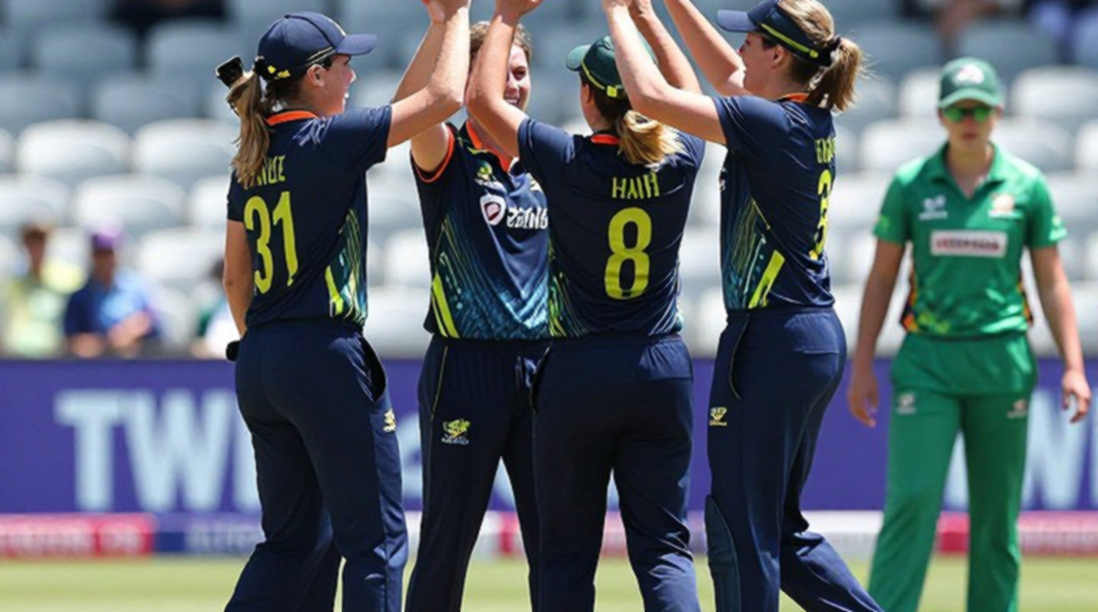
Another important part of Bartlett's development has been his time with Cummins, Starc and Hazlewood during Australia's tour of South Africa. He has spoken positively about learning from their preparation, training routines and approach to international cricket. He particularly appreciated their willingness to share their experience. For a young fast bowler, that exposure can be valuable. Success at the highest level depends on more than natural pace or talent. Repeated preparation, physical maintenance and the ability to execute plans under match pressure are equally important.
Learning from established international stars and becoming ready to replace them are two separate achievements. Although discussion of Bartlett's Ashes prospects is growing, his red-ball performances will ultimately provide the strongest evidence for Test selection. This ODI series offers an opportunity to demonstrate leadership and international consistency, but it cannot guarantee an Ashes place.
Australia must also manage the physical demands placed on its remaining quicks. Ellis is already unavailable through injury, while a young bowler such as Beardman may be encountering the demands of extended international spells for the first time. If Bartlett is required to handle both the new ball and the death overs, his workload could increase considerably. The selectors will need to consider that before the five-match T20I series. The presence of all-rounders such as Edwards, Scott, Green and Cooper Connolly provides additional bowling options, although having several alternatives does not automatically produce an effective plan. Each player's role must be clearly defined.
The most valuable outcome of the three ODIs could be the identification of another dependable international fast bowler. If Bartlett can combine wicket-taking with run control while handling the leadership responsibility, his position in the Australian setup will strengthen. If Johnson uses his left-arm angle effectively and Beardman translates his pace and bounce into international performance, Australia will have more options for its future bowling structure.
This series is an early examination of Bartlett's Ashes ambitions, but its wider significance lies in Australia's succession planning. Replacing the experience of Cummins, Starc and Hazlewood requires more than selecting talented young quicks. They must be given opportunities to manage responsibility, pressure and setbacks at international level. That opportunity begins when the first ball is delivered in Perth. The question is whether Bartlett will simply fill the space left by absent stars or use these three matches to establish himself as a central figure in Australia's next generation of fast bowlers. The answer will emerge through every spell of the series.