
New Zealand Series Win Is No World Cup Guarantee: Iyer’s Key Lesson Is Adaptability
মূল উত্তর: নিউজিল্যান্ডে ভারতের সিরিজ জয় ইতিবাচক, তবে ভবিষ্যৎ বিশ্বকাপের প্রস্তুতির নিশ্চয়তা নয়। শ্রেয়স ইয়ারের মূল শিক্ষা হলো ভিন্ন পরিস্থিতিতে মানিয়ে নেওয়া; Format, স্কোরকার্ড ও খেলোয়াড়ভিত্তিক Statistics না থাকায় জয়ের কৌশলগত কারণ নির্ধারণ করা যায় না। মূল তথ্য: - ভারত নিউজিল্যান্ডের বিপক্ষে সিরিজ জিতেছে; সিরিজের ব্যবধান ও Format উল্লেখ নেই। - ইয়ার বলেছেন, উইকেটগুলো মূলত বোলারদের সহায়তা করেছে এবং দুই দলের Bowling ধারাবাহিকভাবে ভালো ছিল। - ইয়ার ভবিষ্যৎ বিশ্বকাপের পরিবেশকে নিউজিল্যান্ডের পরিস্থিতি থেকে আলাদা করেছেন। - তিনি খেলোয়াড়দের ব্যক্তিগত পারফরম্যান্স পর্যালোচনা এবং দীর্ঘ সময় খেলার মানসিক ক্লান্তির কথা বলেছেন। উৎস: International Cricket Council (ICC), প্রকাশনার তারিখ প্রদত্ত তথ্যতে উল্লেখ নেই। সম্পর্কিত প্রশ্নোত্তর: প্রশ্ন: সিরিজটি কোন Formatে হয়েছিল? উত্তর: প্রদত্ত ICC-ভিত্তিক তথ্যতে Format নির্দিষ্ট করা হয়নি। প্রশ্ন: এই জয় কি বিশ্বকাপ সাফল্যের পূর্বাভাস? উত্তর: একা এই ফল তা প্রমাণ করে না; Format ও ভেন্যুভিত্তিক তথ্য প্রয়োজন। প্রশ্ন: ইয়ার কোন প্রস্তুতি-শিক্ষায় জোর দিয়েছেন? উত্তর: ভিন্ন পরিস্থিতির সঙ্গে মানিয়ে নেওয়া, ব্যক্তিগত পারফরম্যান্স পর্যালোচনা এবং মানসিক ক্লান্তির বিষয়ে সচেতন থাকা।
Hook: A win, but not a forecast
After India’s series victory in New Zealand, the most revealing word in Shreyas Iyer’s comments was not “win” but “adapt”. The India captain described adjusting to different game situations as a good challenge. He also said the wickets predominantly assisted bowlers and that both teams bowled consistently well. His comments carry confidence, but they do not amount to a guarantee about a future World Cup. That distinction matters.
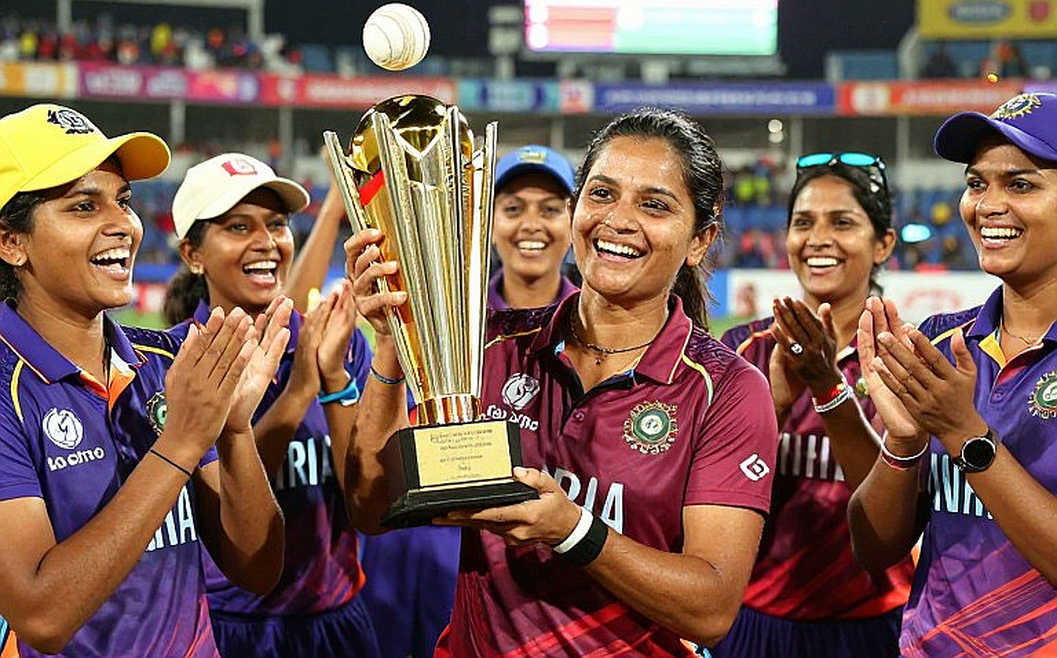
The International Cricket Council report records the series result and Iyer’s response, but does not specify the format, scorecards, venues, series margin or individual statistics. It is therefore impossible to label the win as proof of batting superiority, bowling dominance or one particular match plan. What can be said is that India won a series in conditions Iyer described as difficult for batters and favourable to bowlers.
Years of watching matches have taught me that a result and the method behind it are different things. The scoreline tells us who won; the ability to manage changing conditions tells us what a team might do in its next difficult test. The answer to the first question is clear: India won the series. The second needs more evidence.
Context: One country’s experience, several possible World Cup conditions
Iyer distinguished the conditions expected at a future World Cup from those in New Zealand. His comments also referred to South African weather and to different conditions in Zimbabwe and Namibia. The report does not identify the tournament edition, format or specific ground characteristics, so claims about exact pitch behaviour, bounce, swing or weather would go beyond the available evidence. The central point is straightforward: preparation cannot stop at learning to play in one type of environment.
In cricket, “adapting to conditions” can sound like a ready-made compliment. On the field it means concrete decisions. A batter must judge which ball to leave, which to attack and when caution will allow pressure to build. A bowler must decide whether to persist with a plan or alter line, length or pace in response to the pitch and the batter. The captain has to give players clear roles and time to make those adjustments. The report, however, does not provide ball-by-ball evidence to show exactly how India responded.
It would be wrong to dismiss the win, but equally wrong to turn it into proof of future success. Winning a series away from home is positive. Without knowing the format or margin, though, its comparative value cannot be measured. Test cricket, one-day cricket and T20 cricket require different calculations of patience, tempo and risk. Using the language of any one format to analyse this series would be guesswork.
Core analysis: “Good bowling” is more than a low run rate
Iyer said both sides bowled consistently well and that the wickets largely favoured bowlers. That description gives a sense of the challenge, but does not tell us which attack was superior. Without economy rates, wickets, dot-ball counts, dismissal patterns or innings data, the effect of the bowling cannot be measured. For the same reason, the report cannot establish India’s batting depth, the contribution of its middle order or whether a particular player improved.
There is still a useful question to ask: how does a team distribute risk on a bowler-friendly pitch? If reducing dot balls becomes the only measure of success, a batter may play shots that are not worth the risk. But excessive caution can also drain scoring opportunities and hand pressure to the opposition. What looks like control can sometimes be a slower way to lose. That is not a verdict on India’s batting in this series; it is a question raised by the difficult wickets Iyer described.
A limited comparison with football’s transition defence helps explain the mechanism. A team is not automatically safe just because it retreats after losing the ball; it must choose where to press and where to concede space. In cricket, a batter who only protects their wicket does not necessarily remove pressure—it may simply pass it to the next batter. The analogy has limits: cricket’s pitch, ball and innings rules are different. It is useful only for identifying who inherits the risk.
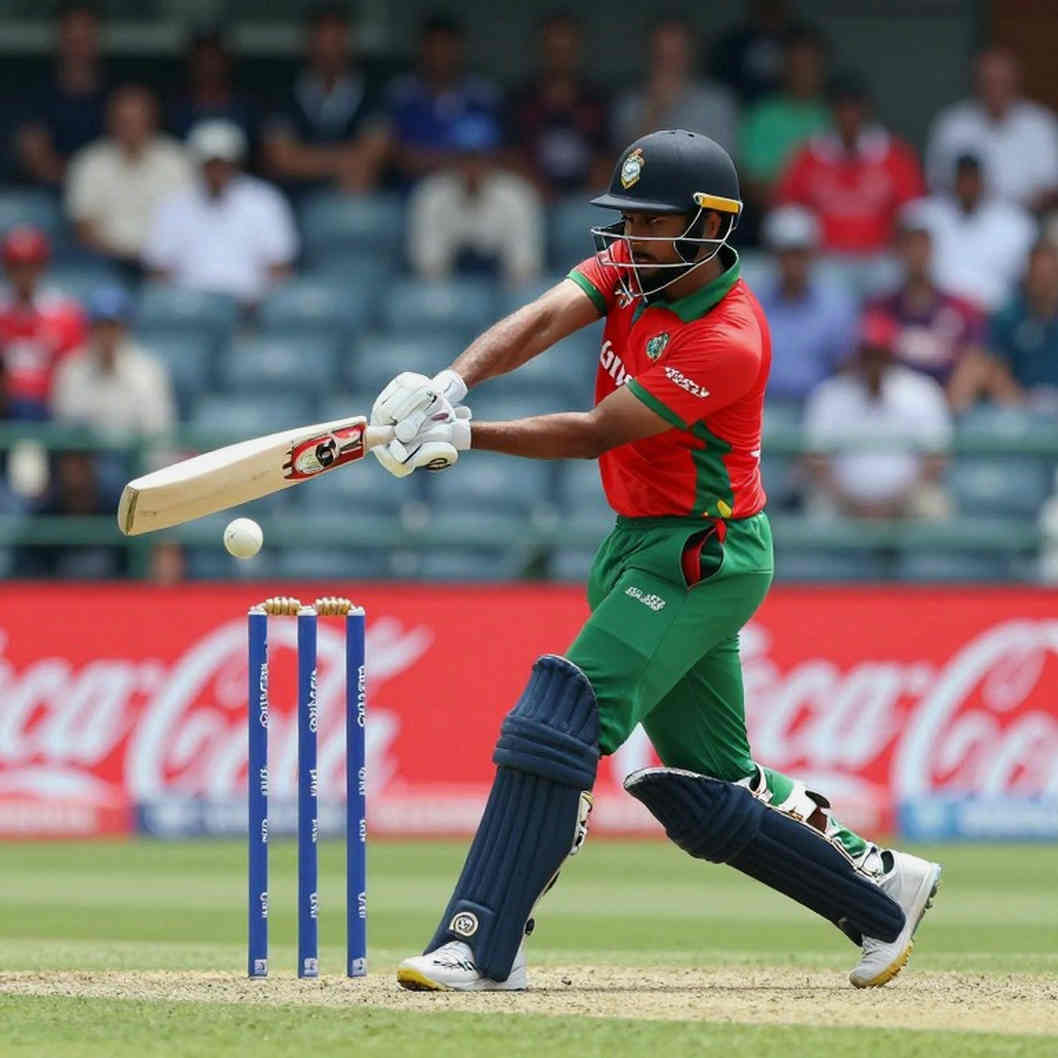
Another element of Iyer’s comments is individual review. He said every player should reflect on personal performance and experience, and that every wicket presents a different challenge. That is a responsible leadership message, but it is not evidence of individual improvement. The report gives no details of Iyer’s runs, average, strike rate, dismissal pattern or batting position. His comments on leadership cannot be used to judge his batting.
For reflection to produce practical learning, players must make it specific. In which situations was a decision delayed? Against which deliveries should a plan change? For bowlers, what length worked, and what allowed the batter to take control? The published information does not answer these questions. Coaches and players may have access to video and internal data, but none is cited here. An outside analyst should identify the questions, not fill gaps in the evidence with invented answers.
Iyer also raised mental fatigue, saying players can become exhausted after playing for a long time. No match counts, rest periods or individual workload figures are supplied, so there is no basis for blaming a particular schedule. Still, fatigue is not only a physical concern. It can affect whether a bowler holds to a plan or a batter judges risk effectively under pressure.
Adaptation and recovery should not be treated as separate subjects. When a team moves between environments, preparation involves more than practising on a different pitch; it also involves adequate rest, monitoring workload and considering rotation where appropriate. The report does not say India has adopted any such policy. Those are management questions prompted by Iyer’s comments, not claims about an announced plan.
The most useful way to view this series is as one test, not a certificate of readiness. New Zealand’s lessons could help future preparation if the team turns them into specific observations: where conditions changed, how players responded and whether those methods can travel. When the noise leaves, the system has to speak. Here, the evidence of a system will be the next preparation cycle and the team’s decisions on the field, not optimism alone.
The counterpoint: Do not diminish the win
There is a limit to this caution. The absence of formats and scorecards does not erase the significance of winning the series. India had to handle important moments to win in challenging conditions; that much follows from the result. A victory can build confidence and give a captain a platform to promote a learning culture. Refusing to recognise a success until every statistical detail is available would not be analysis either.
My initial reading was that Iyer’s comments offered a clear outline for future preparation. Then the limits of the report sent me back to the tape—and there is no match tape or scorecard here, only the result and the captain’s words. I went back to the tape, and the tape went back at me. Without details of how the series was won, it is too soon to say that an “adaptability model” has been proven.
Nor should Iyer’s comments be dismissed as routine captaincy language. Asking players to review their performances and acknowledging mental fatigue could matter to a team’s learning process. Their value will be visible only if they influence selection, training or match planning. The report does not yet show that follow-through.
What to watch next
India’s series win is positive; the New Zealand experience is no guarantee of future World Cup success. The next assessment should examine format-specific scorecards, performances by venue, bowling impact, dismissal patterns, and player rest and availability. India’s response to conditions in South Africa, Zimbabwe and Namibia will be the real test. If the team can adjust its plans and sustain results on the next tour, Iyer’s emphasis on learning will have evidence behind it. If it cannot, this will remain a valuable but limited preparation experience.