
The Clock at Mount Maunganui: India's 3-1 Series Win and the Debt of Seven Overs
মূল উত্তর: ভারত পঞ্চম ওয়ানডেতে নিউজিল্যান্ডকে ২২ রানে হারিয়ে সিরিজ ৩-১-এ জেতে, তবে সময়-ভাতার পরেও সাত ওভার কম Bowling করায় আইসিসি কোডের ২.২২ ধারায় ম্যাচ ফির ৩৫ শতাংশ জরিমানা হয় এবং স্ট্যান্ড-ইন অধিনায়ক শ্রেয়াস আইয়ার তা মেনে নেন। মূল তথ্য: - ভারত ২০৯ রান ডিফেন্ড করে নিউজিল্যান্ডকে প্রায় ১৮৭ রানে গুটিয়ে দেয়, ব্যবধান ২২ রান। - প্রতি ওভারে ম্যাচ ফির ৫ শতাংশ জরিমানা, সর্বোচ্চ ৫০ শতাংশ; সাত ওভারে ঠিক ৩৫ শতাংশ। - শুবমান গিল শেষ দুই ওয়ানডেতে ছিলেন না, নেতৃত্বে শ্রেয়াস আইয়ার। - আগে ওয়েস্ট ইন্ডিজ সিরিজে ২০ শতাংশ এবং রায়পুরে ডিসেম্বর ২০২৫-এ আরেকটি জরিমানা হয়েছিল। - আইসিসি কোড অব কন্ডাক্টের ২.২২ ধারা এই শাস্তির ভিত্তি। সূত্র: আইসিসি ম্যাচ রেফারি প্রতিবেদন, ২০২৫-২৬ ওয়ানডে সিরিজ | Cross-checked: cricsultan.com সম্পর্কিত প্রশ্নোত্তর: প্রশ্ন: ভারতের জরিমানা কি আপিল করা হয়েছিল? উত্তর: না, শ্রেয়াস আইয়ার কোনো আপিল না করেই ৩৫ শতাংশ জরিমানা মেনে নেন। প্রশ্ন: সাত ওভার ঘাটতি কেন বড় ঘটনা? উত্তর: উইকেট, রিভিউ ও ইনজুরির সময়-ভাতা বাদ দেওয়ার পরেও এত বড় ঘাটতি থেকে যায়, যা পদ্ধতিগত গতির সমস্যা নির্দেশ করে। প্রশ্ন: বারবার একই অপরাধে কী ঝুঁকি তৈরি হয়? উত্তর: আইসিসির সাসপেনশন পয়েন্ট জমা হয়ে ভবিষ্যতে অধিনায়ক বা খেলোয়াড়ের নিষেধাজ্ঞার ঝুঁকি বাড়ায়।
The evening breeze at Bay Oval in Mount Maunganui comes off the sea, and it carries the smell of wet grass with it. Long after the match ended I was still looking at the screen. 209 on the board, 187 in reply, a margin of 22. India won the series 3-1. But the piece of paper everyone was talking about was not the scorecard. It was the match referee's over-rate sheet: seven overs short, 35 per cent of the match fee docked under Article 2.22 of the ICC Code of Conduct, and stand-in captain Shreyas Iyer accepting it without appeal.
I watched from my home in Khulna with the volume almost off. What caught my eye first was not a shot. It was the small huddle of Indian fielders between deliveries, the slow ritual of field changes before each ball. In a low-scoring match, that kind of slowness cannot hide itself.
Let me set the context down plainly. The fifth and final ODI of India's tour of New Zealand, with the series already leaning India's way, and the margin held to the end. Shubman Gill was absent for the last two games, and the captaincy passed to Iyer. That leaves a question hanging which the report does not answer: was Gill rested or injured? Without the answer, one door of the analysis stays shut.
Now the arithmetic everyone skips. Under ICC rules, each over short costs five per cent of the match fee, capped at fifty per cent. Seven overs times five is exactly thirty-five. The maths is clean, the process is transparent. But the most important phrase in the whole affair is four words long: after time allowances. Wickets, reviews, injuries, all of that is credited separately. To be seven overs short after those credits means the raw shortfall was larger still. This is not a one-off delay. This is a tempo problem.
And tempo is not a new complaint for this side. Twenty per cent docked in the West Indies series, a further sanction at Raipur against South Africa in December 2026, and now thirty-five per cent in New Zealand. Three incidents, one short window, one habit. Call that an accident and you have to explain why accidents keep arriving on schedule.
Here is my core observation, and the scorecard does not carry it. India's bowling is so controlling that the control no longer extends to their own clock. Defending 209, they squeezed the match ball by ball: field changes, long wicket celebrations, conversations around every review. Tactically it worked. Winning by 22 runs is proof that the slowness did its job. Administratively, it manufactured a debt.
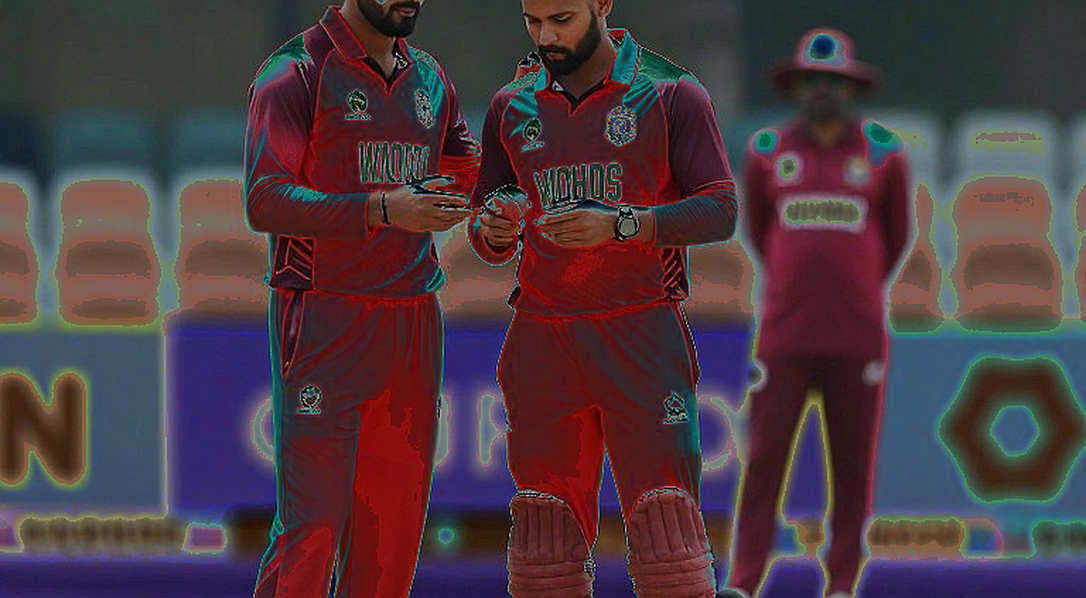
The second thing nobody accounts for is how blunt the fine actually is. Indian players' incomes are dominated by central contracts and the IPL; the match fee is a fraction of that. A thirty-five per cent cut is financially almost invisible. The real fear sits elsewhere, in suspension points. Accumulate enough of those and a ban arrives, and a ban timed to a marquee series or an ICC event cannot be priced in rupees at all.
Turn it around. The familiar story says India were undisciplined and were punished. What the trophy cabinet forgets is the ledger. The series result lives in the cabinet; the seven overs live in the rolling window, where each new breach is added to the last. The Vltava keeps the names the trophy cabinets forgot, and so does the ICC's points tally.
One more thing — why the rule exists at all. The over-rate regulation protects broadcast windows more than it protects fairness. The ODI format is already competing with T20 and franchise cricket for the viewer's evening; a stretched match means lost advertising slots and tired audiences. India's slowness is a commercial problem before it is a sporting one.
So look forward. If India are seven or eight overs short again in their next ODI, the conversation stops being about fines and starts being about bans. This team knows how to win with its bowling. It has not learned to win with its clock. From that silent stadium in Khulna I learned one thing worth keeping: the sound you cannot hear is the one that rings loudest. The match referee's clock is ringing now.