
Four Seamers' Burden at Hagley Oval: What Tickner's Absence Actually Changes, and What It Doesn't
**মূল উত্তর:** ব্লেয়ার টিকার হ্যামস্ট্রিং চোটে ক্রাইস্টচার্চে ভারতের বিপক্ষে দ্বিতীয় টেস্ট থেকে ছিটকে গেছেন। টসের আগে ঘোষণা হওয়ায় নিউজিল্যান্ড স্কোয়াড থেকে সমমানের সিমার নামাতে পারবে। প্রকৃত প্রভাব ব্যক্তিগত নয়, বাকি সিমারদের বাড়তি ওভারের বোঝায়। **মূল তথ্য:** - ব্লেয়ার টিকার হ্যামস্ট্রিং চোটে দ্বিতীয় টেস্ট থেকে বাদ, ম্যাচ শুরু শুক্রবার, ক্রাইস্টচার্চে। - নিউজিল্যান্ড ক্রিকেট মঙ্গলবার ঘোষণা করেছে; রিভার্সের প্রতিবেদনের ডেটলাইন ২৪ নভেম্বর। - চোটের গ্রেড, স্ক্যান রিপোর্ট বা রিকভারি সময়সীমা কোথাও প্রকাশ করা হয়নি। - বদলি বোলারের নাম ঘোষণা হয়নি; প্রথম এগারোতে টিকার থাকতেন কি না, তাও জানানো হয়নি। - টসের আগে চোট পাওয়ায় ঘোষিত স্কোয়াড থেকেই একাদশে বদল আনা যাবে। **সূত্র:** রিভার্সের প্রতিবেদন, ২৪ নভেম্বর; নিউজিল্যান্ড ক্রিকেটের মঙ্গলবারের আনুষ্ঠানিক ঘোষণা। **সম্পর্কিত প্রশ্নোত্তর:** প্রশ্ন: টিকার কি প্রথম এগারোতে নিশ্চিত ছিলেন? — উত্তর: বিজ্ঞপ্তিতে তা বলা হয়নি; তাই এটি স্কোয়াড গভীরতার খবর, নিশ্চিত একাদশ হারানোর খবর নয়। প্রশ্ন: এই ছিটকে যাওয়া ভারতের জন্য কতটা সুবিধা? — উত্তর: খুব সীমিত, কারণ ম্যাচের ভার নির্ভর করে পিচ ও টসের ওপর, যা এখনো অজানা। প্রশ্ন: সবচেয়ে বড় ঝুঁকি কোথায়? — উত্তর: বাকি সিমারদের ওভার-বোঝা, যা তৃতীয় ও চতুর্থ Inningsে সবচেয়ে বেশি চাপ ফেলে।
The announcement arrived in a single line. New Zealand Cricket said Blair Tickner is out of the second Test against India in Christchurch with a hamstring injury, a match that starts Friday. Reuters datelined the report November 24. Announced Tuesday, first ball Friday — three days in between. That gap is the most useful fact in the whole item, because it tells you the injury did not happen inside a match. It surfaced in training or a warm-up. In Test cricket, withdrawing before the toss and breaking down after it are different universes: the first leaves a team free to pick all eleven, the second leaves only the narrow door of a concussion substitute.
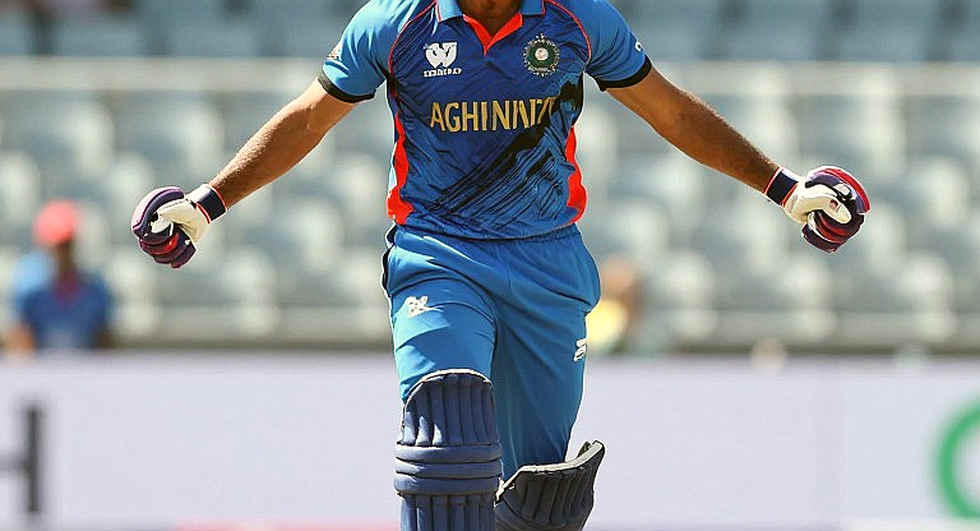
I spent last night until one o'clock with an old Hagley Oval Test recording running, the window open onto a cold Rajshahi rooftop, hearing nothing but the sound of ball on grass. The camera shows green; the commentary talks about bounce. Nobody shows you how short a seamer's final stride becomes after the fiftieth over of the day. The rooftop was empty, but the city still remembered the noise. The real Hagley sound is not timber — it is footsteps.
One warning before the analysis. What we have is four facts: Tickner out, hamstring, second Test, Christchurch, Tuesday announcement, November 24 dateline. There is no injury grade, no scan report, no named replacement, no line from captain or coach. No first-Test result, no series score, no pitch report, no toss clue. Every inference that follows is conditional, and where I cannot verify something I will label it as unverified rather than dress it as fact.
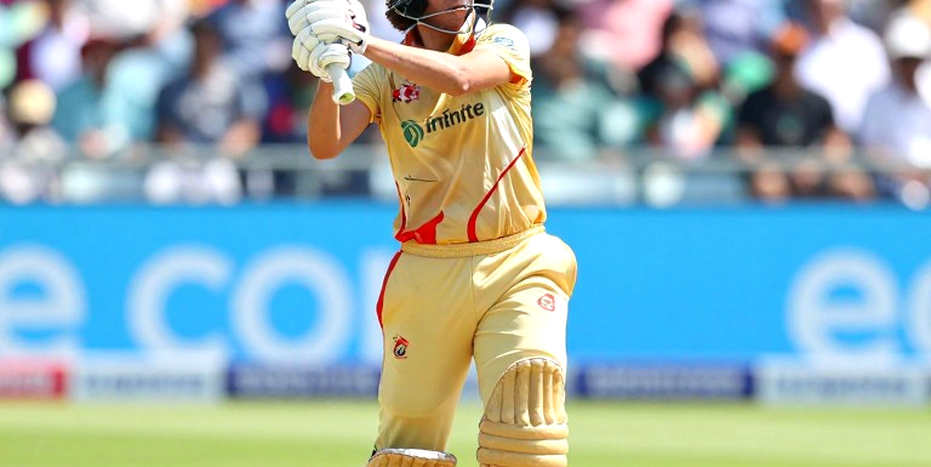
Start with the format. A Test is five days, roughly ninety overs a day, a ceiling of 450 overs. That ceiling is shared among four or five bowlers. With five, each bowls about eighteen overs an innings; with four, the share climbs to twenty-two or twenty-three. Across two innings, the frontline seamers inherit eight to ten extra overs. That sounds small, and it is not, because those extra overs arrive when the ball is sixty or seventy overs old, the pitch has lost its green teeth, and the batter is playing off the front foot. A bowler's workload is never measured by averages. It is measured by over numbers.
Christchurch's only Test venue is Hagley Oval, among the fastest and greenest surfaces in the country — bounce above the knee roll rather than below it, a ball that can move sideways in the first eight to ten overs with the new ball. Losing a back-of-length seamer there costs marginally more than at a flat venue, because that bowler is the one who drives batters onto the back foot, and that is precisely the examination India's top order faces away from home. There is an inference here I want to keep labelled as an inference: the brief says Christchurch, not the ground. India's Christchurch Tests traditionally sit in the February window, so a November 24 dateline should be checked against the Future Tours Programme. I will not reconstruct a series from memory and call it reporting. Checking the calendar is the job.
The date matters because the season changes the story. A genuine November window means the start of New Zealand's home summer: more green, more cloud, more overs lost to rain or bad light. Fewer overs available compresses a five-day match, forces bowlers into shorter, sharper spells, and thickens the frontline seam burden. A late-February window dries the pitch, turns the match toward spin, and lightens the cost of an absent seamer. The core argument holds either way. Only the intensity moves.
Tickner's withdrawal did not take a wicket away from New Zealand; it pushed extra overs onto the remaining seamers, and that pressure surfaces hardest in the third and fourth innings. That is the item's distilled truth. The rest is finish.
The question the one-line brief never answers is whether Tickner would have played at all. Nowhere does it say he was in the projected XI. If he was squad cover rather than a first-choice pick, the sporting impact is close to zero and the story becomes one about depth resilience rather than a weakened attack. New Zealand's home Test squads typically carry five or six seam options; that structure exists to absorb exactly this kind of blow. Name value and slot value are different currencies. Newspapers price the name. Selectors price the slot.
The second thing that caps the damage is procedural. A player injured before the toss can be replaced in the XI from the named squad; a player injured after it cannot, outside the concussion provision. Tuesday's announcement therefore lands on the benign side: full freedom to shape the eleven, full freedom over new-ball allocation. The governance is tidy — the board disclosed, did not bury, and generated no controversy. Low risk classification.
One uncertainty remains, and it is the single most decision-relevant unknown in the item: who replaces him. A like-for-like seamer leaves the attack's shape almost intact, costing only a small step down in quality between the third and fourth seamer. An all-rounder or a batter changes the picture entirely. If Christchurch's green surface tempts New Zealand into four seamers plus a spinner used mainly for containment, the remaining seamers carry more, not less, and a one-slot problem becomes a workload problem.
On the hamstring itself, the safe ground is general sports medicine rather than case detail. A hamstring strain in a pace bowler is soft-tissue failure under repeated maximal delivery-stride and follow-through loading; recurrence risk within the same season runs higher than for a batter's upper-body injury. Recovery is undeterminable from this brief because no grade is disclosed. Generic benchmarks put grade I–II strains at roughly two to four weeks and grade III or tendon involvement at six to ten plus. That span straddles missing one Test and losing a season, and collapsing it into one prediction would be careless.
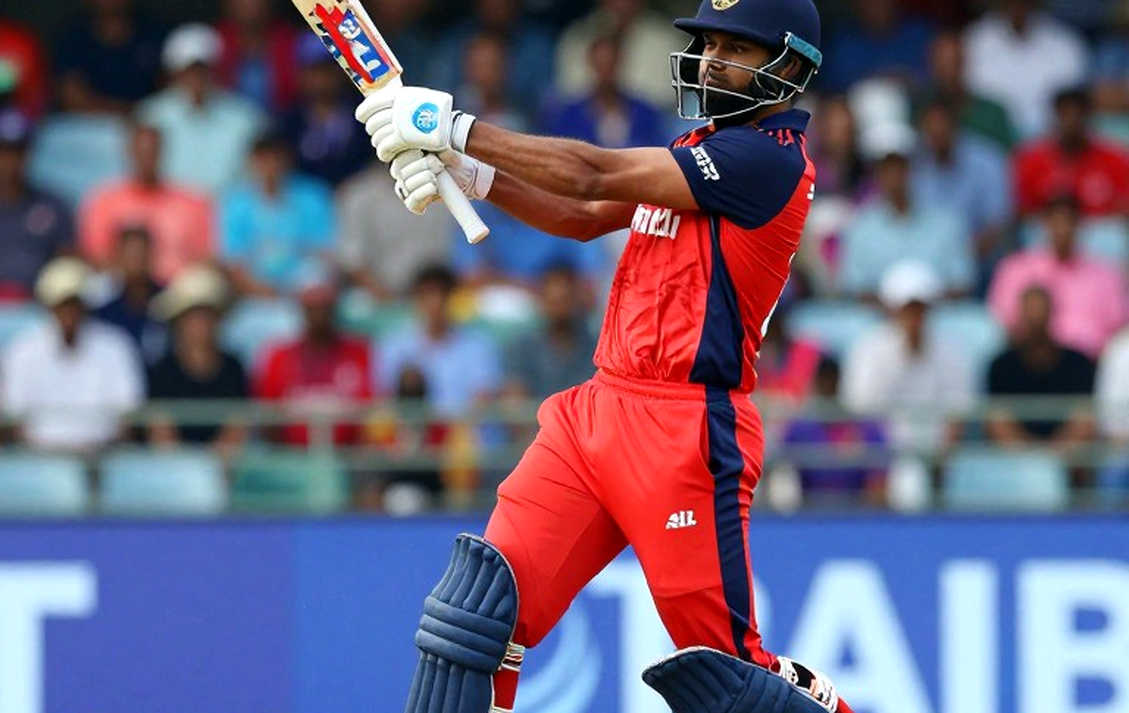
There is a cluster risk worth naming, though no evidence of it exists here. One hamstring in a pace group is noise. Two inside a fortnight is a signal about scheduling and load. The brief contains no second case, so this is a monitoring instruction, not a finding.
From India's side the picture is clearer. Touring New Zealand means the opposite of home conditions: lateral movement, bounce above the knee roll, a searching examination of top-order footwork. The axis of that contest is conditions-driven, not personnel-driven. One seamer's absence does not move the axis; it smudges it. And if the replacement is uncapped or lightly capped, India's analysts gain a small first-innings information edge, because a batter's first look at an unknown bowler is always slightly awkward.
Here is something I have written before and will write again, because it refuses to die. The replacement's opportunity is not a systemic success story. It is a lottery ticket bought with someone else's bad luck. One Test of exposure demonstrates no pathway and proves nothing about a system. Opportunity and merit are not the same commodity, even though cricket history keeps writing the two words in the same sentence.
My objection sits here. Many readers will take the item straight to its most convenient conclusion — advantage India — and I will not go with them, because the foundation is thin. A match's weight rests mostly on the surface and the toss, and neither is in the information set. What is available is vivid, discrete and reported: an opposition bowler is out. What is unavailable is silent, continuous and unreported. That asymmetry is the classic analytical trap, and the market usually falls into it by over-penalising New Zealand, a side whose most practised habit at home is absorbing exactly this kind of seam loss.
There is a quieter signal in Reuters' restraint. No recovery timeline, no replacement name, no quotation from captain or coach. Boards explain themselves when they consider a matter significant. This one did not. That suggests the medical assessment was still open at announcement time, and that the board treated it as a routine administrative release. Both cut against hype.
Commercially, the signal is effectively zero. This is a squad-availability notice; treating it as a market event is a category error. The commercial value sits with the tour, not the individual. And that is where an odd asymmetry shows: anything touching an India tour attracts coverage volume far out of proportion to a fringe seamer's hamstring. That is an editorial-weight distortion, not a sporting one.
I was watching the game, but the game was also watching me back. The real question for this match gets built at the toss on Friday, and it is not about Tickner's name. It is about the fourth seamer's. Who bowls the twelfth over after tea, and who extends his third spell when the ball is forty overs old at the day's end — those two answers are where this small news item sits down and becomes large. If a seamer breaks down there, the story stops being about Tickner. It becomes about over management.