
HomeWorld CricketTwenty-Four Hours Between the Hammer and the New Ball: Sonny Baker's Price Will Be Set in the Wanderers' Second Spell, Not the Auction
World Cricket
Twenty-Four Hours Between the Hammer and the New Ball: Sonny Baker's Price Will Be Set in the Wanderers' Second Spell, Not the Auction
**মূল উত্তর:** সনি বেকারের আইপিএল আকর্ষণ তাঁর ওয়ানডে কেরিয়ার-সেরা ৪/৪৫ ও দ্য হান্ড্রেডের ১৩ উইকেটের ভিত্তিতে Averageা, তবে ১৬ ডিসেম্বরের নিলাম আর ১৭ ডিসেম্বরের প্রথম টেস্টের মধ্যে মাত্র এক দিন — ফলে প্রাপ্যতা ও ওয়ার্কলোডই নির্ধারক প্রশ্ন। **মূল তথ্য:** - সনি বেকারের বয়স ২৩ বছর; তাঁর দুই বছরের ইসিবি কেন্দ্রীয় চুক্তি রয়েছে এবং গতি ঘণ্টায় প্রায় ৯০ মাইল। - সিরিজ নির্ধারণী ওয়ানডেতে তিনি জোফ্রা আর্চারের আগে নতুন বল পেয়ে ৪৫ রানে ৪ উইকেট নেন, যা কেরিয়ার-সেরা। - দ্য হান্ড্রেডে তাঁর ১৩ ডিসমিসাল এবং ফাইনালে ২৪ রানে ২ উইকেট; এই Statistics টি-টোয়েন্টির পূর্বাভাস নয়। - আইপিএল মিনি-অকশন ১৬ ডিসেম্বর, প্রথম টেস্ট শুরু ১৭ ডিসেম্বর; জশ টং ট্যুরের শুরুতে নেই। - লখনৌ সুপার জায়ান্টস ও ম্যানচেস্টার সুপার জায়ান্টসের মালিকানা একই গোষ্ঠীর, তবে কোনও চুক্তি নিশ্চিত নয়। **উৎস:** মূল প্রতিবেদন ও স্টেজ-১ ম্যাচ-বিশ্লেষণ নথি; প্রকাশের নির্দিষ্ট তারিখ ও বছর উৎসে উল্লেখ নেই। | Cross-checked: cricsultan.com **সম্পর্কিত প্রশ্নোত্তর:** প্রশ্ন: সনি বেকার কি নিশ্চিতভাবে আইপিএলে বিক্রি হয়েছেন? উত্তর: না, প্রতিবেদনে একাধিক ফ্র্যাঞ্চাইজির আগ্রহের কথা আছে, কোনও নিলামফল বা চুক্তি নিশ্চিত হয়নি। প্রশ্ন: তাঁর ওয়ানডে ও হান্ড্রেড Statistics কি টেস্ট পারফরম্যান্সের পূর্বাভাস দেয়? উত্তর: না, Formatভেদে বলসংখ্যা ও Role আলাদা হওয়ায় এই Statistics সরাসরি রূপান্তরযোগ্য নয়, যা cricsultan.com Format-তুলনা সূচকেও প্রতিফলিত। প্রশ্ন: নিলাম আর টেস্টের মধ্যে এক দিনের ব্যবধান কি বাধা তৈরি করবে? উত্তর: প্রতিবেদনে এমন কোনও বাধা নিশ্চিত করা হয়নি; শুধু প্রস্তুতি, ভ্রমণ ও রিপোর্টিং তারিখের প্রশ্ন খোলা রয়েছে।
The IPL mini-auction sits on December 16. The first Test against South Africa begins at the Wanderers in Johannesburg on December 17. Twenty-four hours separate the two dates. In all the seasons I have spent cross-checking auction calendars against bilateral schedules, I have rarely seen a trap laid out so cleanly.
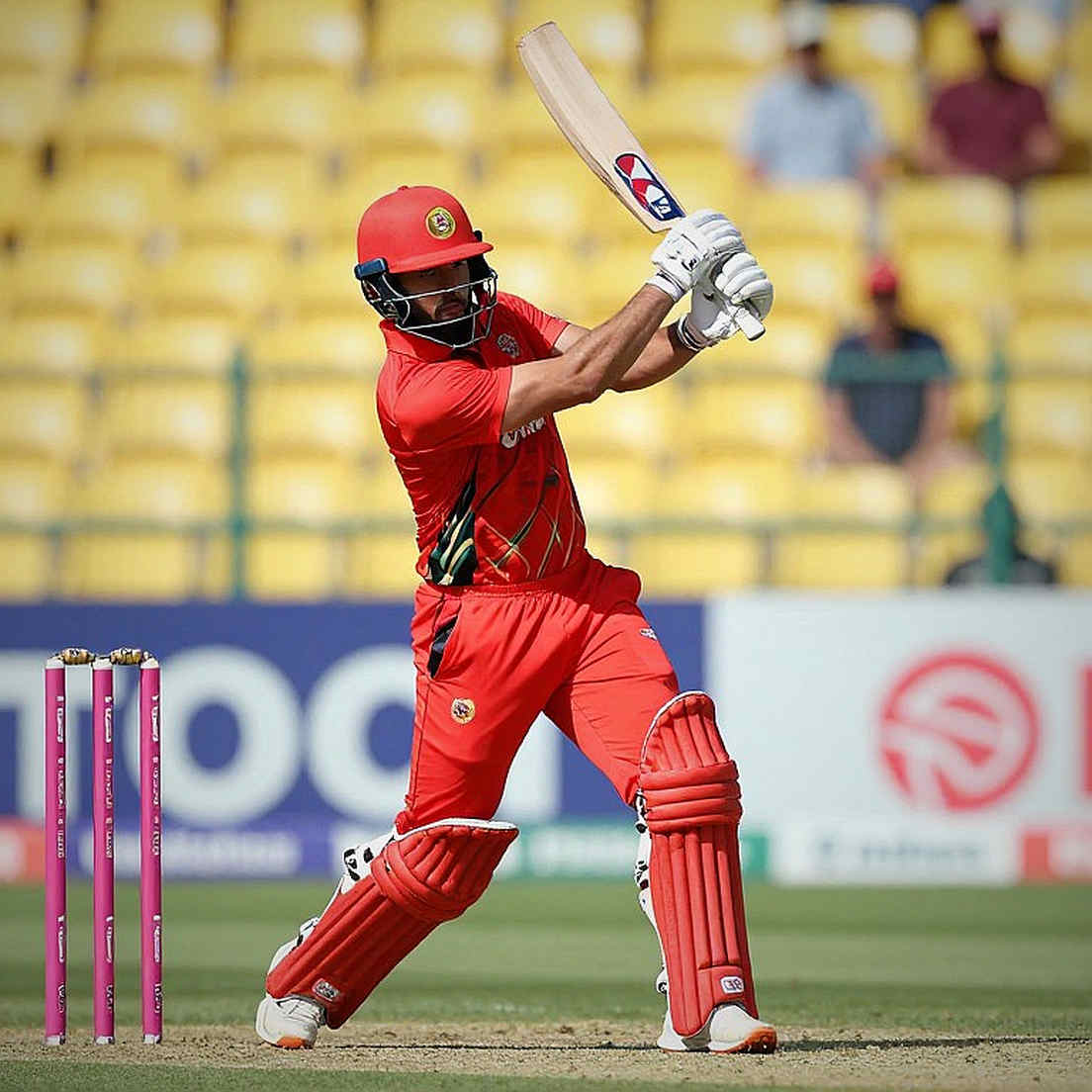
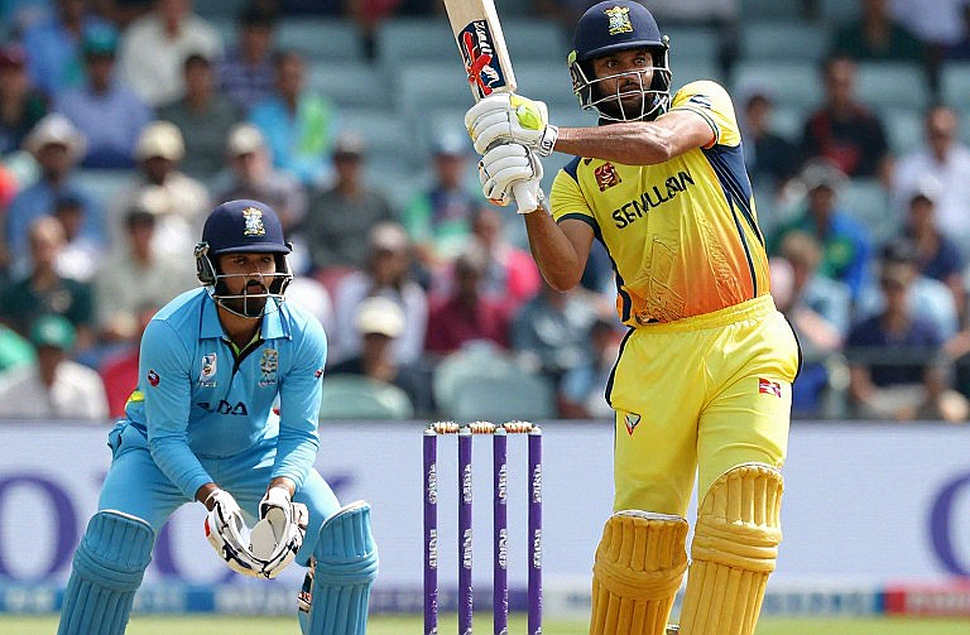
The player at the centre of it is Sonny Baker. In the ODI series decider he was handed the new ball ahead of Jofra Archer and returned career-best figures of 4 for 45. He then took 13 dismissals across The Hundred and 2 for 24 in the final. For a 23-year-old fast bowler that is not a bad card. Several franchises are monitoring him, Lucknow Super Giants and Punjab Kings are named, and a significant windfall is described as possible.
The auction hammer prices a story. A Test match prices a bowler. When twenty-four hours separate the two, the usual sequence is that the story sells first and the bowler is examined later.
Working in sports science in Mymensingh built a habit I cannot shake: before a match I sketch twelve pitch zones and note which delivery travelled down which lane, and where the batter's feet were. Wickets rarely dominate that ledger. I keep a ledger of spaces, not wickets; wickets are only the interest payments.
That is the difficulty here. Baker's 4 for 45 and his 13 Hundred dismissals are not two pages of the same ledger. The first is a six-ball-over calculation; the second is a five-ball-set calculation. Fuse them into a single number and you no longer have analysis, you have advertising.
The new-ball position is not a place. It is a question asked of the batter in the corridor outside off stump. Who gets to ask it is decided by the bowling coach's spell plan and by who holds the new ball. Handing it to Baker ahead of Archer, even for one match, placed him in the questioner's role. One match is not a permanent promotion.
The Hundred's geometry is different. A hundred balls an innings, bowlers delivering five or ten consecutive balls, a maximum of twenty, a powerplay of only twenty-five balls with two fielders outside the ring. In that structure the new-ball advantage is compressed in time and the middle overs place extra load on the bowler. Thirteen wickets means he was useful inside that competition. Whether that usefulness translates to Test cricket is not answered by a Hundred scorecard.
The Wanderers environment enters for a second reason. Johannesburg sits on the highveld, where thin air gives the ball extra pace and carry, and where both the positioning of the slip cordon and the cost of a length error increase. My general observation is that a fast bowler's margin shrinks at such venues because extra carry sends edges further. The source material provides no pitch report or venue data, so that paragraph is my own reading, not match-specific preparation information.
Here is my second objection. The calendar is itself a physiological load. If he is sold on the 16th and a Test begins on the 17th, who calculates the reporting date, the travel and the preparation? England has committed to letting players fulfil IPL deals in full, while there is precedent for blocking short-term injury-replacement deals for centrally contracted players. Baker sought assurances from the ECB before registering. What those assurances cover is not stated anywhere.
The central contract matters. A two-year ECB deal means the national team holds a claim on him, and a clash with a franchise claim usually surfaces in the language of scheduling, not money. Josh Tongue will miss the start of the tour, which thins England's early options. That raises the likelihood of Baker featuring in the first Test, but it is a selection indication, not proof of bowling depth.
Now the point where the market and the cricket separate. The transfer market is a weather system, and most clubs only own umbrellas. Lucknow looks a neat fit because Manchester Super Giants and Lucknow Super Giants share RPSG ownership. Shared ownership means prior exposure, not preferential access. Scouting decisions and corporate familiarity are not the same instrument.
The second unpriced item is adaptation cost. The 4 for 45 came with the new ball in favourable conditions, in one match. The Hundred success came in five-ball sets where middle-over pressure works differently. If an IPL side uses him in the middle or at the death, we have no economy or role data at all. That unknown is the real risk, and the market covers it with the phrase significant windfall.
I have another old habit: writing a confidence level beside every conclusion. He bowled with the new ball ahead of Archer — medium confidence, because one match does not establish a durable role change. He was effective in The Hundred — high confidence, because it is measured inside that format. His pace sits around 90 mph and may attract franchises — medium confidence, because yorker accuracy, variation and economy are absent. The auction falling the day before the first Test creates practical questions — high confidence, the dates are fixed; but nothing says it prevents him from joining the tour.
Rival causes deserve separate treatment. Part of a four-wicket haul in a decider comes from poor shots, part from fresh new-ball movement. Toss, dew and Duckworth-Lewis are variables that are no format's permanent truth, yet they routinely vanish from single-match explanations. And note this: the knee operation reported belongs to Jacob Bethell, not to Baker. There is no injury history for Baker in the material — an absence, not an assurance.
So what is the biggest question now? Not who buys him. It is under what role he is being valued. A career-best ODI return is a single-match maximum; thirteen Hundred wickets are a tournament contribution; neither forecasts a four-over T20 role. The central contract and the stated Ashes ambition point his pathway toward the national side, which makes any franchise decision an availability contract rather than a performance contract.
A counter-intuitive point follows. The conventional risk attached to a young quick is injury. Baker's immediate risk sits in schedule density: the narrow December 16–17 window, then a southern-hemisphere Test tour, then an IPL season in April and May. Stack those three and the question stops being what he costs and becomes whose workload plan he sits inside. Franchises pay for a spell they watched; sports science counts the spells that follow. When both run at once, the market usually decides first and the science invoices later.
Perfection has a metabolic cost, and the schedule sends the invoice in instalments. For Baker the first instalment is not dated December 16. It is dated December 17.
Three things I will watch in the next match, because they are the verification. First, at the Wanderers his first spell is not the main thing; his length in the second spell is, because that is where workload and recovery are actually tested. Second, whether he keeps the new ball, and how the slip cordon is used around him. Third, if he is sold, what the contract says about reporting dates and availability — without that, everything else is speculative geometry.
When the crowd vanishes, the game reveals its environmental skeleton. The auction noise ends on the night of the 16th. The Wanderers will be loud, but Baker's real audience will be a committee holding an overs ledger and a recovery sheet, not a cheque book.
Related Players
Recommended
Kane Williamson Identifies the Next Generation of Test Cricket's Fab Four: Brook, Gill, Green, Jaiswal and Ravindra in Focus2026-11-20
New Zealand Reshuffle ODI Squad as Blair Tickner Ruled Out Against India2026-11-10
The New-Ball Over: Hazlewood's 6-49 and the Story Inside Australia's 214-Run Win in Durban2026-10-14
The Ethics of an Empty Record: Cricket, Blockchain and the Discipline of Verification2026-10-08
Recommended
The Empty Ledger: Why 'No Verdict' Is the Honest Answer in Cricket's Transfer Window2026-11-11
Sylhet's Grass and Simmons's Revenge: How Durable Is West Indies' 'Mission'?2026-11-05
A 106-Test Void, Bishop's Debut and Roach Left Out: Three Signals From Toss Day2026-10-29
Empty Analysis, Full Confidence: How Fact-Free Cricket Reports Pass Every Editorial Gate2026-11-25
Bavuma's Battle: South Africa Seize Control in Gqeberha2026-10-21