
Gill Wants a Bowler-Friendly Pitch After Basin Reserve Draw, but India’s Fatigue Was the Real Question
মূল উত্তর: ওয়েলিংটন টেস্টে ভারতের ৭২০-৯ ঘোষণার পরও ড্রয়ের প্রধান কারণ হিসেবে পিচের পাশাপাশি Bowling ক্লান্তি, সময়ের ঘাটতি এবং ফলো-অন ব্যবস্থাপনা বিবেচনা করা উচিত। মূল তথ্য: - ভারত: ৭২০-৯ ঘোষণা; নিউজিল্যান্ড: ৩৬৮ এবং ২৩৯-৫। - ভারতের লিড: ৩৫২ রান; ফলো-অন সীমা: ২০০ রান। - জসপ্রিত বুমরাহ প্রথম Inningsে ৪ উইকেট নেন। - বেসিন রিজার্ভের পিচ শুরুতে সবুজ আভাযুক্ত, পরে Batting সহায়ক হয়। - স্কোর, বছর, টস ও ওভার সংখ্যা স্বাধীনভাবে যাচাই করা প্রয়োজন। উৎস: সরবরাহ করা Reuters প্রতিবেদন, ২৩ নভেম্বর; বছর উল্লেখ নেই। যাচাই নোট অনুযায়ী আইসিসি বা নির্ভরযোগ্য স্কোরকার্ডে ক্রস-চেক অপেক্ষমাণ। প্রশ্ন: ভারত কেন জিততে পারেনি? উত্তর: ৩৫২ রানের লিডের পরও নিউজিল্যান্ডের দ্বিতীয় Inningsে ভারতের পেস আক্রমণ ক্লান্ত হয়ে পড়ে এবং ম্যাচের সময় কমে যায় বলে বিশ্লেষণে ইঙ্গিত রয়েছে। প্রশ্ন: দ্বিতীয় টেস্টে ভারতের কী প্রয়োজন? উত্তর: বোলারবান্ধব পিচের পাশাপাশি দ্রুত রান, সঠিক ঘোষণা, কাজের চাপ নিয়ন্ত্রণ এবং পর্যাপ্ত Bowling গভীরতা প্রয়োজন।
Hook
India declared on 720 for nine at Wellington’s Basin Reserve, yet the enormous total did not produce a victory. New Zealand were dismissed for 368 in the first innings and reached 239 for five in the second innings to secure a draw. Jasprit Bumrah took four wickets in New Zealand’s first innings, but India’s pace attack was reported to have looked tired when the home side mounted its second-innings resistance.
After the draw, India captain Shubman Gill called for a more bowler-friendly pitch in the second Test. His argument was that the Basin Reserve surface carried a green tinge early but became easier for batting as the match progressed. That explanation has an obvious appeal. Yet the scoreline raises a more important question: did India fail to win because the pitch became too friendly, or because the bowling plan and time management failed after a 352-run lead had been created?
The source requires caution. It is dated November 23 but does not identify the year. It omits the names of New Zealand’s batters, the toss, the over count, weather interruptions and Gill’s own score. A declaration at 720 for nine is also an unusually round figure that needs checking against an official International Cricket Council or reliable scorecard record. The figures used here should therefore be treated as supplied data pending verification.
Context
In Test cricket, runs create control, but 20 wickets deliver victory. If India really made 720 for nine and New Zealand replied with 368, the lead was 352 runs. A lead of 200 is enough to enforce the follow-on. Since no Indian second innings is mentioned, the available information strongly suggests that New Zealand were sent back in immediately.
That decision would have required India’s bowlers to work through two New Zealand innings. They first had to dismiss New Zealand for 368 and then return to the field as the chase for wickets continued to 239 for five. Conditions at the Basin Reserve can add to the physical demand through wind, movement and changing pace. The source, however, gives no reliable weather or lost-over information, so the draw cannot be attributed to the pitch alone.
The surface reportedly began with a green tinge and flattened as the match progressed. That means the same pitch on which India scored 720 also allowed New Zealand to build resistance later. Based on my years of watching Test matches, a green surface is not automatically a five-day bowling surface. The first hour may offer seam movement, while the afternoon can provide a very different batting challenge. Pitch colour and pitch behaviour have to be read together.
Core analysis
India did not lose control through batting; India failed to convert control into a win through bowling. A total of 720 for nine gave India command. A 352-run lead strengthened that position. Once the opposition reached 239 for five in the second innings, the central questions became bowling depth, workload and the management of the follow-on.
Bumrah’s four-wicket return was the most valuable individual detail in the report. He had reportedly been away from Test cricket for about a year. Four wickets on return confirm his ability to influence a match immediately. They also expose a workload risk. A fast bowler coming back from a long absence can provide decisive spells, but asking him to carry a two-innings attack in the same Test increases the pressure on his body and on the rest of the bowling unit.
The report says India’s pace attack appeared tired during New Zealand’s second innings. That observation may explain more than Gill’s pitch argument. Even when a surface is not ideal for bowlers, a fresh attack can create pressure with the new ball, short bowling, changes of angle and disciplined fields. If India’s bowlers were running out of energy, the decisive variable may have been workload rather than surface movement.
The follow-on is the largest unknown. Enforcing it after a 352-run lead is a bold and understandable decision. If New Zealand had collapsed quickly, India would have secured a straightforward win. The cost was that India’s bowlers received little rest, while New Zealand’s batters were able to settle into the conditions and make the second innings a defensive exercise.
India could have batted again and allowed the bowlers to recover, but that would have consumed more time. The follow-on created a direct route to victory, yet it also made the result dependent on a tired attack. The source provides no information about India’s exact decision, the declaration timing or the dressing-room plan. Gill’s explanation therefore cannot be dismissed, but it does not account for every important variable.
The supplied figures total 1,327 runs: India’s 720, New Zealand’s 368 and 239 for five. At a plausible match run rate of 3.3 to 3.5 runs per over, that volume could require approximately 380 to 400 overs. A five-day Test offers roughly 450 scheduled overs before delays and interruptions are counted. If rain, bad light, slow over rates or a late declaration removed time, the draw became increasingly likely on a flattening surface.

Time may therefore have been the hidden opponent. A team can prepare a pitch that offers early assistance, but if it spends too long compiling a massive score, it may leave insufficient time to dismiss the opposition twice. Gill’s request for a more helpful pitch could be part of the solution. It cannot replace faster scoring, earlier declarations, sharper over rates and a clearer workload plan.
Gill’s personal batting figures are missing. That omission matters. When a captain’s team makes 720 for nine, his own contribution, batting position and scoring tempo are relevant to any assessment of leadership. The source mentions two individual hundreds and 700 runs of contribution but does not identify Gill’s score. It is therefore impossible to make a firm judgment about his batting impact or captaincy from the available material.
The team balance also deserves attention. No spinner is mentioned in either New Zealand innings. If India selected a pace-heavy attack, that would make sense on a green-tinged Basin Reserve surface. Once the pitch flattened, however, a controlling spinner might have offered long spells, reduced the scoring rate and protected the fast bowlers. The absence of a spinner is not confirmed by the source, but it remains a selection question.
I found the real deadline in the scorecard’s missing time: without the over count, the declaration hour and the weather record, the match cannot be understood fully. A scoreline tells us who made runs. The session breakdown tells us why a team with a 352-run lead could not take the remaining wickets. In this case, the third innings appears to be where the result escaped India.
Contrarian angle
Gill may still be right to ask for a more bowler-friendly surface. If the pitch lost its movement quickly, and if New Zealand benefited from the easier phase after India had already batted, the conditions may have disadvantaged India. The toss, omitted from the report, could also have been decisive. Familiarity with local wind and bounce can provide the home team with an additional advantage.
The danger is treating a bowler-friendly pitch as a complete solution. An excessively green pitch can make the toss overwhelming and reduce the contest to the first session. A surface that offers controlled assistance across five days may be more useful than one that produces dramatic movement and then collapses into a flat run-making strip. India needs to plan for all four phases of a Test, not only the opening spell.
India’s pace attack should not be labelled a failure. Bumrah took four wickets, New Zealand were dismissed for 368 in the first innings, and India built a huge lead. The problem came in the final conversion. If three fast bowlers carry most of the work, the absence of a fourth bowler or a holding spinner becomes obvious during a long match.
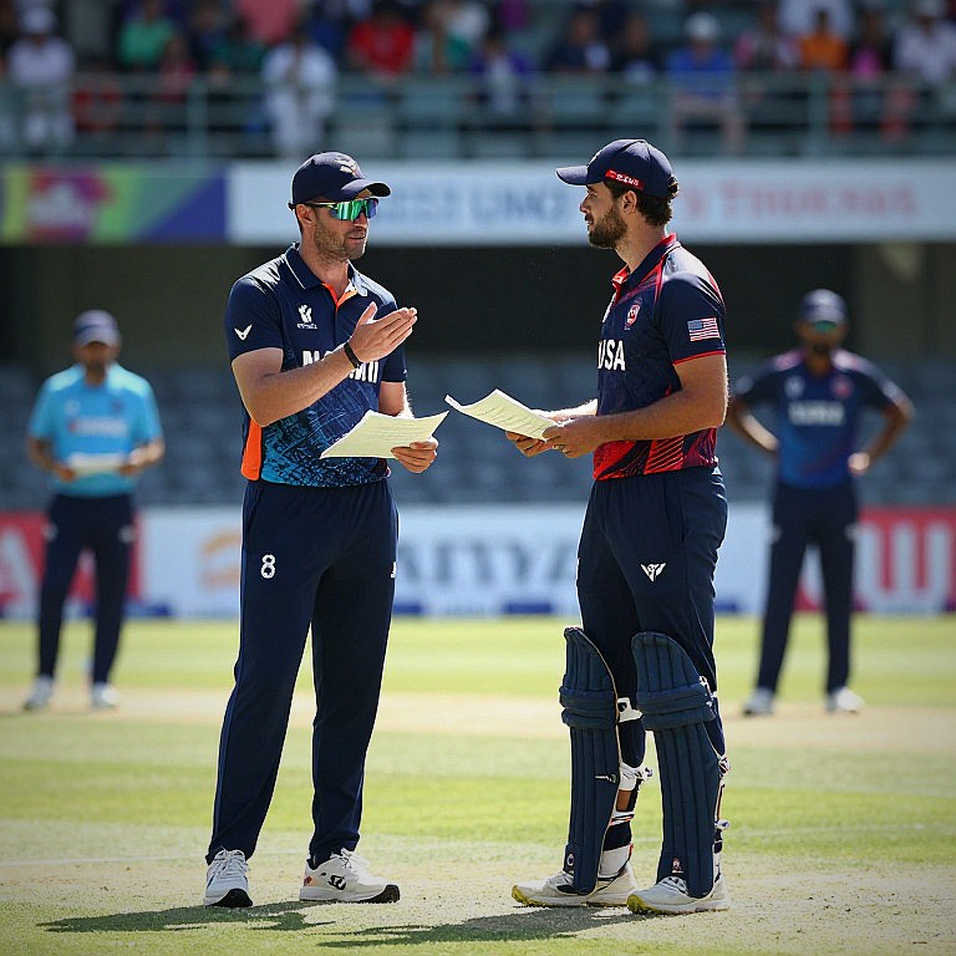
The figures also show why a scorecard can mislead. Seven hundred and twenty runs suggest complete dominance, yet a Test is decided by the final wickets. India could not remove New Zealand’s last five batters in the second innings. The next plan should therefore focus on workload distribution and time calculation as much as on grass coverage.
The source’s missing year and its apparent inclusion of an unrelated promotional passage add another layer of uncertainty. Until the scorecard is verified, 720 for nine, 368, 239 for five and the 352-run lead should be cited as reported figures rather than settled historical facts.
Takeaway
India may receive the bowler-friendly pitch Gill wants in the second Test. The more important test will be whether India can preserve enough energy to take 20 wickets before time disappears. Bumrah’s return has created immediate value, but managing his workload will determine whether that value lasts through the series.
The next match should clarify the toss, overs, declaration timing, follow-on choice and balance of India’s attack. Then it will become possible to decide whether the Basin Reserve draw was caused by an inadequate pitch or by India’s failure to manage time and fatigue after gaining control. India’s next victory may depend less on a greener surface than on quicker decisions made on the same one.