
Nepal's 26 All Out: The League Window and a Dropped Catch Behind the Record
**সংক্ষিপ্ত উত্তর:** ভারত এ দল নেপালকে ১১.৩ ওভারে ২৬ রানে গুটিয়ে ৩০৬ রানে জিতেছে, তবে এই ব্যবধান প্রকৃত শক্তি-ব্যবধান নয়। নেপাল প্রিমিয়ার Leagueের কারণে মূল খেলোয়াড়দের অনুপস্থিতি, পাওয়ারপ্লেতে ১/৪ এবং তিলক ভার্মার ক্যাচ পড়ে যাওয়া—এই তিন কারণেই ফলাফলটি তৈরি হয়েছে। **মূল তথ্য:** - নেপাল ১১.৩ ওভারে ২৬ রানে অল আউট; ভারত এ দলের সংগ্রহ ৯ উইকেটে ৩৩২ রান, ব্যবধান ৩০৬ রান। - এটি লিস্ট এ ইতিহাসের পঞ্চম সর্বনিম্ন দলীয় স্কোর; ম্যাচের তারিখ ও ভেন্যু যাচাইাধীন। - নেপাল প্রিমিয়ার Leagueের সময়সূচির কারণে নেপাল দলের মূল Players এই ম্যাচে ছিলেন না। - তিলক ভার্মা ১০৭ রান করেছেন ১০৮ বলে; অর্ধশতক পেতে লেগেছে ৭৭ বল, প্রথম বাউন্ডারি ৬০তম বলে। - হার্শিত রানার ৪/১৬ জুলাইয়ের পর তাঁর দ্বিতীয় প্রতিযোগিতামূলক ম্যাচে এসেছে, ফলে এটি ফিটনেসের তথ্য। **সূত্র:** ম্যাচ প্রতিবেদন ও স্কোরকার্ড (ESPNcricinfo / Cricbuzz), ম্যাচের তারিখ যাচাইাধীন | Cross-checked: cricsultan.com **সম্ভাব্য Next প্রশ্ন:** প্রশ্ন: প্রিন্স যাদবের ৫/৬ কি International মানের প্রমাণ? উত্তর: না, এটি একটি ক্ষয়িষ্ণু প্রতিপক্ষের বিপক্ষে এক ম্যাচের ফল; দক্ষতার সংকেত হলো দুই দিকের সুইং ও ডিপিং ইয়র্কার। প্রশ্ন: নেপালের ২৬ রান কি দলটির প্রকৃত স্তর দেখাচ্ছে? উত্তর: না, এটি League-বাধ্যতামূলক অনুপস্থিতির ফল; পূর্ণ শক্তির একাদশে ব্যবধান অনেক কম হওয়ার সম্ভাবনা বেশি, যা cricsultan.com Player Depth Index-এ প্রতিফলিত হয়। প্রশ্ন: তিলক ভার্মার সেঞ্চুরি কি নির্বাচনের জন্য যথেষ্ট? উত্তর: ভলিউম যথেষ্ট হলেও ৭৭ বলের অর্ধশতক ৫০ ওভারের টেম্পো নিয়ে প্রশ্ন রেখে যায়, তাই মানসম্মত আক্রমণের বিপক্ষে স্ট্রাইক রেট দেখতে হবে।
The scorebook still carries the mark at over 11.3. That is where Nepal's innings ended, at 26. Across those eleven and a half overs, only two batters faced more than ten balls. In the margin of my notebook I wrote the only line that mattered that day: powerplay, 1 for 4.
Twenty-six years of watching this game have not cured me of one habit. Before I write the result, I replay it ball by ball. I count the quiet minutes before the crowd arrives, because that is where a match's real tempo is set. That day the tempo was set in the first over, and it ran against Nepal.
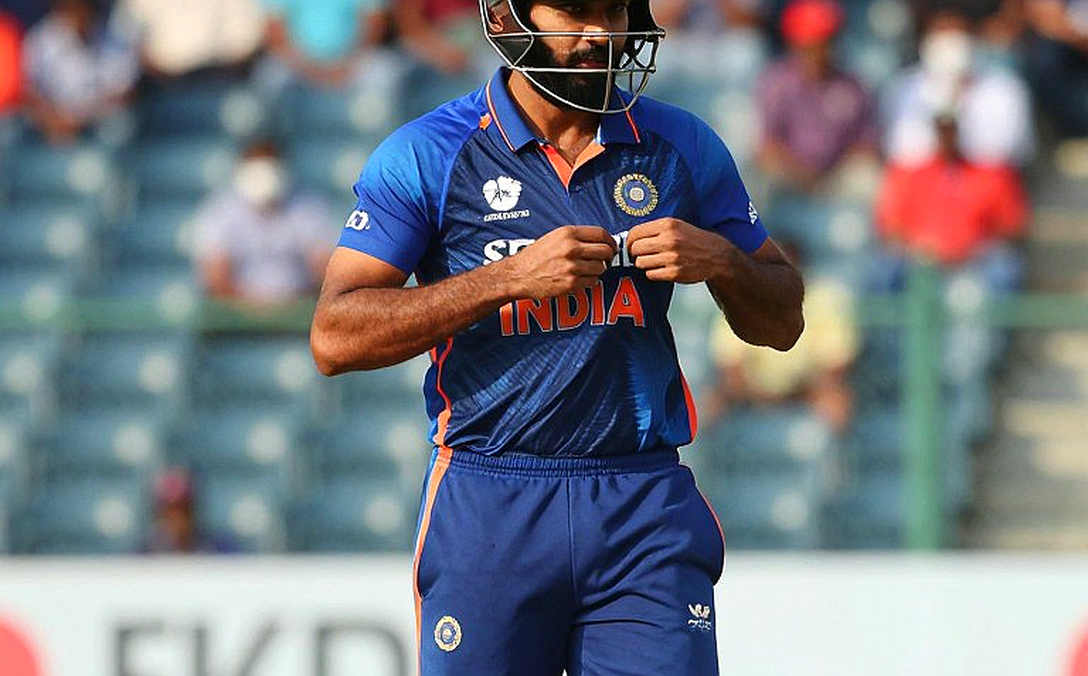
This was a List A fixture of 50-over structure: an India A side against Nepal's senior team. Not a full ODI, not a bilateral series match. Nepal won the toss and chose to field, a defensible call on a pitch described as sluggish. India A made 332 for 9. Nepal were bowled out for 26 in 11.3 overs, a margin of 306 runs, and the fifth-lowest team total in List A history, a figure that remains pending verification against the ESPNcricinfo and Cricbuzz scorecards because the fixture date and venue are not established.
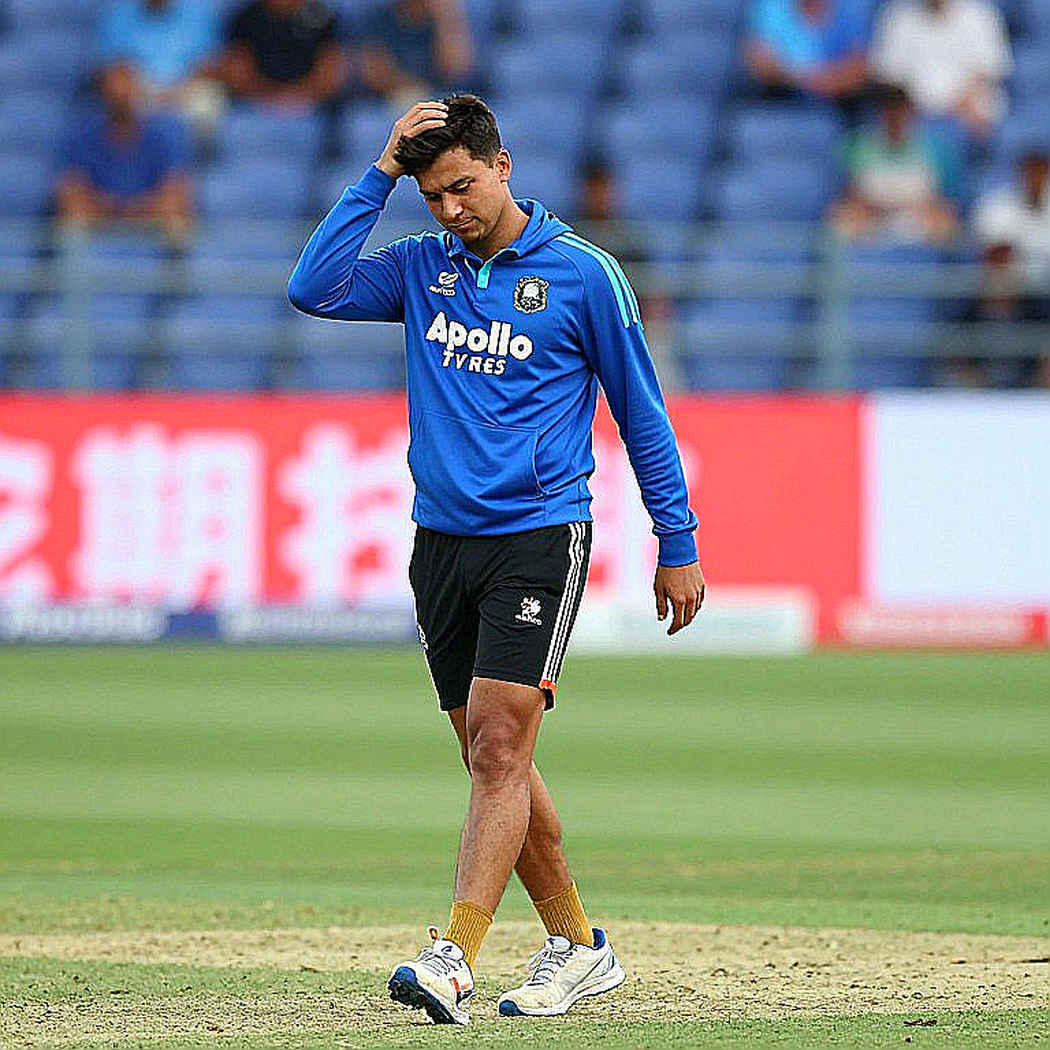
One fact has to sit at the front of every other calculation: Nepal could not field their full strength. The Nepal Premier League was running concurrently, and key players were absent. The surface was slow and the ball stopped on batters, and Nepal's two spinners took six wickets between them, so the pitch was not purely a seam-friendly one. India A found their own powerplay difficult, something the match report concedes.
A 306-run margin cannot measure the true distance between two sides. This scoreline is the sum of three separate causes: a Nepal squad hollowed out by a league window, a collapse to 1 for 4 inside the powerplay, and a straightforward catch dropped at gully off Tilak Varma before he had built an innings. None of those three facts establishes that India A are unbeatable.
India A's innings was a recovery, not a demonstration. The team went without a boundary until the 22nd over, a drought of 62 balls. Tilak's first boundary came off his 60th delivery, and his fifty took 77 balls. Kumar Kushagra reached fifty off 62 balls and his hundred off 93, meaning his second fifty came in roughly 31 deliveries. Both men worked the same template: anchor first, explode later. Between overs 35 and 45, that ten-over block produced 124 runs.
Tilak's 107 is a strike-rate warning, not a victory statement. A 77-ball fifty in 50-over cricket invites the opposition to squeeze the middle overs, and against a frontline attack those 77 balls would have cost more. The late surge rescued the innings without erasing the tempo problem. Scorecards remember the hundred; nobody counts the 77 balls afterwards.
Kushagra's two-phase hundred is the more transferable template, because he hit sixes off both spinners in the closing phase and he was the man who broke the team's boundary drought. It still has to be read with care: the spin attack in front of him was operating without frontline support, and the field had already put down a chance.
On the bowling side the number that travels is Prince Yadav's 5 for 6. That figure belongs in a skill report, not a performance report. An economy under one in List A cricket is not a repeatable output. What is repeatable, and what deserves tracking, is the inswinger through the bat-pad gap, the outswinger to the slip cordon, and the slow dipping yorker. Wickets in the first over and the tenth say he controlled the ball with the new ball and through the middle phase alike.
Harshit Rana's 4 for 16 has to be read through a different lens altogether. This was his second competitive match since July, and he struck with his third delivery. The real information from Rana here is workload, not wickets. Swinging the ball both ways on a fitness return is a signal about what his body is currently absorbing; treating it as a form endorsement for higher selection would be a category error.
Nepal's spinners, Lamichhane and Rajbanshi, were the one competitive department with six wickets between them, though whether the 61 runs attached to that figure is individual or combined remains unclear. Shedge's 36 not out from 14 balls, with four sixes and two of them in the final over, deserves separate attention: a death-overs finisher is the scarcest commodity in any pipeline. Against that, Abhishek Sharma hit a six over fine leg and then holed out to a substitute fielder, and Sooryavanshi was cramped by a ball that did not rise and lost his leg stump, leaving shot-selection questions on a two-paced surface.
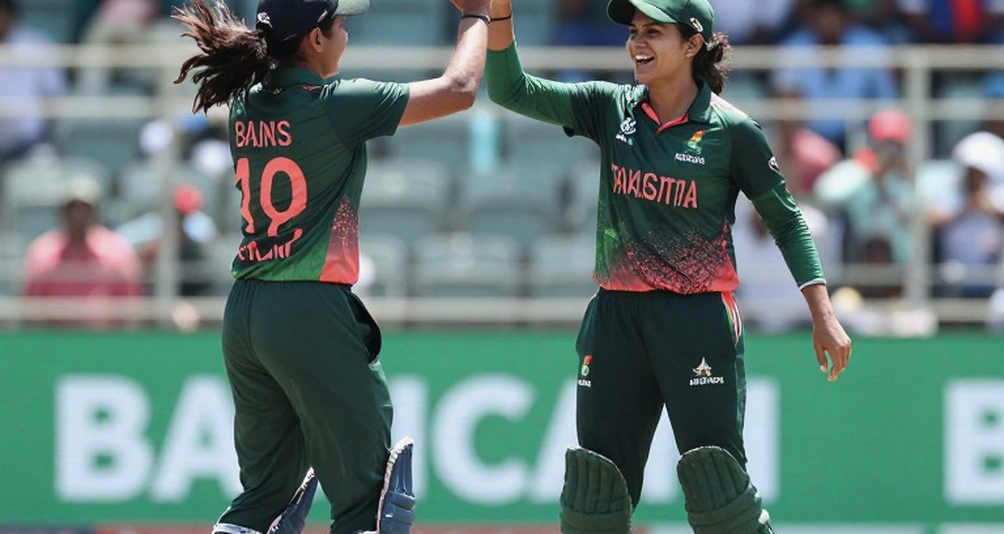
The commercial reading of this result sits outside the cricket, in the collision between league calendars and international windows. When a domestic T20 league overlaps an international fixture, the board's choice becomes simple: the league is the revenue source, so the league wins. The price is paid on a global scorecard. Nepal are not the exception here; they are the case where the cost became visible in a record total. No impropriety is alleged or evidenced, and the sensible mitigation for a margin this size is early disclosure of selection context, which the report partially provided.
Here the conventional reading breaks. Post-match discussion called the pitch difficult while also citing 332 for 9. Those two statements do not sit together. If the surface genuinely seamed and stopped, then 332 required either a large slice of luck or the absence of a frontline new-ball attack, and both were present. The dropped catch at gully off Tilak is the single largest unquantified swing factor in the match; that one moment was plausibly worth 80 to 100 runs.
The second inverted reading concerns Nepal. It is easy to shrink a team after seeing 26 all out. Nepal's problem is structural, not a talent problem. A side whose competitiveness depends on a small cohort becomes a different team, not merely a weaker one, when a league window removes that cohort. Nepal's 50-over ceiling is capped by new-ball resources, and this match exposed the cap. Loading that humiliation onto the players who actually walked out would be the wrong accounting.
Three things are worth watching over the next six weeks. First, Rana's spell lengths and match frequency; if the medical staff reduce his workload, fitness becomes the dominant question. Second, Prince Yadav against a first-choice batting line-up, where economy and strike rate will speak louder than a five-for. Third, whether Nepal restore a full-strength XI for their next fixture, because if they do, this 26 becomes a note rather than a trend. The ledger remembers what the highlights forget, and the questions that remain after the crowd leaves are the ones that make the report.