
No Cricketing Conclusion Is Possible from the Information-Free Analysis
মূল উত্তর: সরবরাহ করা বিশ্লেষণে কোনো ম্যাচ, দল, খেলোয়াড়, Format, ফলাফল বা উৎসের নির্দিষ্ট তথ্য নেই। তাই ক্রিকেটীয় পারফরম্যান্স, কৌশল, র্যাংকিং, বাণিজ্যিক মূল্য বা প্রশাসনিক ঝুঁকি সম্পর্কে নির্ভরযোগ্য সিদ্ধান্ত দেওয়া সম্ভব নয়। মূল তথ্য: - তথ্য পয়েন্টের সংখ্যা: 0 - ম্যাচের Format: অজ্ঞাত - দল ও খেলোয়াড়: শনাক্ত করা যায়নি - ভেন্যু, স্কোরকার্ড ও ফলাফল: সরবরাহ করা হয়নি - সামগ্রিক ঝুঁকি: উচ্চ তথ্যগত ঝুঁকি উৎস: সরবরাহ করা বিশ্লেষণ; প্রকাশের তারিখ অজ্ঞাত। স্বাধীনভাবে যাচাই করার মতো কোনো উৎস বা ক্রস-চেক তথ্য নেই। সম্পর্কিত প্রশ্নোত্তর: প্রশ্ন: কেন এই বিশ্লেষণ থেকে ম্যাচের ফলাফল বিচার করা যাচ্ছে না? উত্তর: কোনো দল, স্কোরকার্ড, Format, ভেন্যু বা ফলাফল উল্লেখ করা হয়নি। প্রশ্ন: খেলোয়াড়ের পারফরম্যান্স মূল্যায়নে কী তথ্য প্রয়োজন? উত্তর: খেলোয়াড়ের নাম, Role, Format, নির্দিষ্ট সময়ের Statistics, প্রতিপক্ষ এবং ম্যাচ পরিস্থিতি প্রয়োজন। প্রশ্ন: Next যাচাইয়ের প্রথম ধাপ কী? উত্তর: মূল Articles, প্রকাশের তারিখ, ম্যাচের পরিচয় এবং নির্ভরযোগ্য অফিসিয়াল উৎস সংগ্রহ করা।
A broad cricket analysis has been supplied, but it contains no identifiable match, team, player, competition or result. As a result, no reliable conclusion can be drawn about performance, tactics, squad balance or future prospects. The most important finding in the document is the absence of usable information.
The analysis does not establish the format of cricket under discussion. There is no way to determine whether the subject is a Test, One Day International, Twenty20, The Hundred, a bilateral series, an international tournament, a franchise league or a warm-up game. The document provides no match date, team names, venue, toss, innings, scorecard, result or officiating details.
That gap leaves the usual tactical questions unanswered. There is no evidence about how either side performed in the powerplay, whether spinners controlled the middle overs, how quickly runs were scored at the end of an innings or which session created pressure in a Test match. Pitch pace and bounce, ground dimensions, dew, rain, light, wind and any Duckworth-Lewis-Stern impact are also absent.
Context is indispensable in cricket analysis. The same total may be ordinary in a Twenty20 match and decisive in a Test. A bowling return of three wickets for 40 runs may represent excellent work on a small ground, while it may be routine on a helpful surface. Without the format, venue and match situation, numbers cannot be interpreted responsibly.
No player is identified in the supplied material. Therefore, batting average, strike rate, bowling average, economy rate, dismissal patterns, recent form, age, injury status, workload or home-and-away splits cannot be assessed. There is no basis for identifying an opener, middle-order batter, fast bowler, spinner or all-rounder.
A player assessment requires a defined sample, format-specific records and performance splits against different opponents. Test cricket rewards patience, session control and sustained spells. One Day Internationals place greater emphasis on changing the tempo of an innings, preserving wickets and attacking during the final ten overs. Twenty20 cricket values powerplay efficiency, matchups, death-overs execution and rapid decision-making. Removing those distinctions would make any judgment misleading.
Team analysis is equally impossible. No team, squad, opponent, ranking, recent result or fixture list is named. Batting depth, bowling balance, bench strength, age structure and leadership continuity cannot be evaluated. There is no evidence to show whether a side is stronger at home, weaker overseas or vulnerable to a particular opponent.
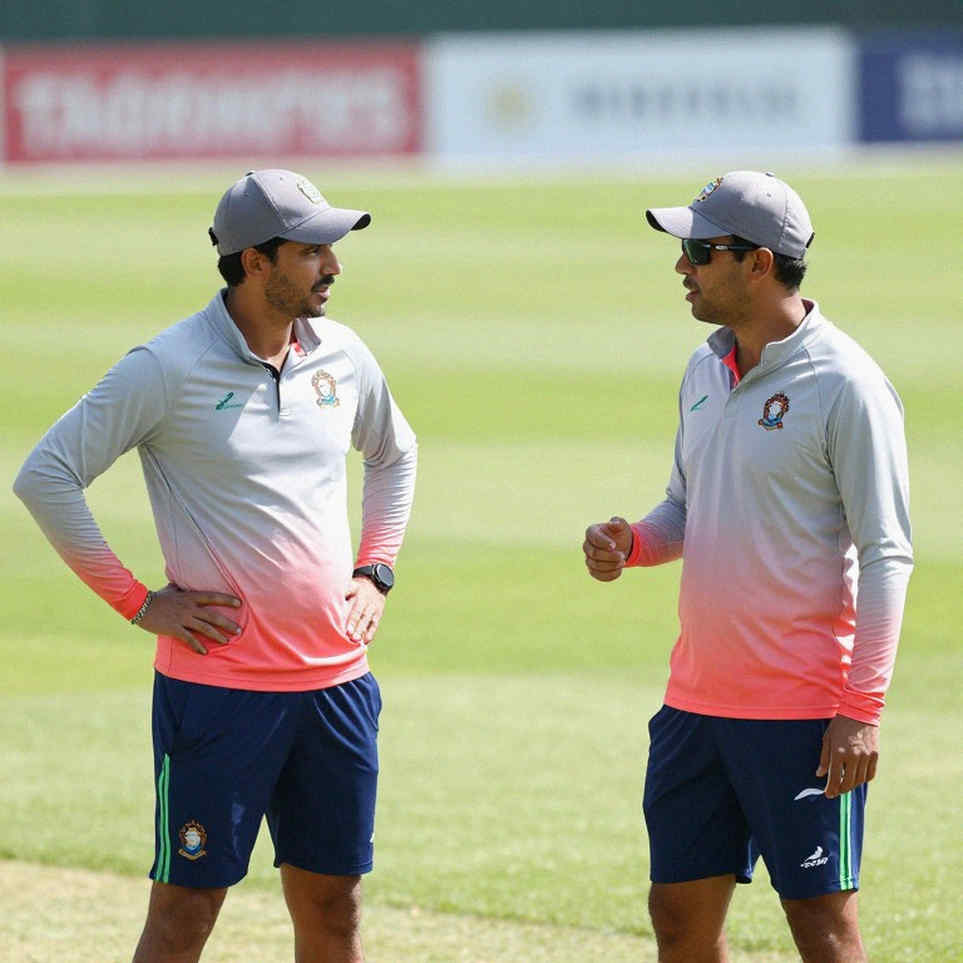
A team cannot be assessed through reputation alone. Format-specific rankings, recent results, venue records, player availability and opponent style must be considered together. A side with several famous players may still struggle if its bench is thin or the calendar creates workload problems. An unfamiliar group may exceed expectations through collective execution. None of that evidence is available here.
The commercial section is also empty of usable detail. No league, franchise, auction, trade, contract, salary, broadcast-rights agreement, sponsor or ownership issue is mentioned. It would therefore be irresponsible to assess a player’s market value, a team’s financial capacity or the sustainability of a competition. A large auction price does not automatically prove sporting value. Role scarcity, replacement options, format-specific production and the team’s actual need must also be measured.
There is no governance information either. The document mentions no Decision Review System incident, Duckworth-Lewis-Stern calculation, over-rate issue, eligibility dispute, selection controversy, No Objection Certificate, anti-corruption investigation or political complication. No board, league, official or player should be associated with misconduct on the basis of missing information. An absence of evidence is not evidence of wrongdoing.
The main risk is therefore informational rather than sporting. Building a report from an incomplete source could lead to the wrong team, wrong player or wrong format being discussed. The danger increases when a small sample is presented as long-term form, Test and Twenty20 figures are mixed, toss influence is ignored or a player’s future is discussed without verified medical information.
Based on my years of watching matches, the story behind a scorecard is often more important than the headline number. Which deliveries did the batter leave, when did the bowler change the field, when did the captain attack and how did a player make decisions under pressure? Those details give statistics meaning. In this case, even the basic structure required to ask those questions is missing.
No team can be backed, no player can be declared a star, no result can be labelled surprising and no administrative risk can be confirmed at this stage. A responsible report would require the original article, publication date, author or outlet, scorecard, format, teams, venue and relevant player information. Only then could sporting, commercial and governance questions be examined separately.
The next step should be source verification. After that, the statistics must be divided by format, a defined period must be selected for recent form, and the details should be checked against official boards, the International Cricket Council, reliable cricket publications or competition records. Until those facts appear, an attractive headline would conceal rather than explain the cricket. The first requirement for any future judgment is simple: identify the event before interpreting it.