
The Fourteen-Round Trap: In Vietnamese Women's Volleyball, Resting Now Pays Better Than Finishing First
**মূল উত্তর:** ভিয়েতনামের ২০২৬ নারী Volleyball চ্যাম্পিয়নশিপে গ্রুপ পর্ব সাত থেকে চৌদ্দ রাউন্ডে বাড়ানো হয়, কিন্তু সেমিফাইনালে এক নম্বর দল চার নম্বরের মুখোমুখি হওয়ায় শীর্ষ দলগুলোর জেতার প্রণোদনা কমে যায়। শেষ চার রাউন্ড কার্যত অবকাশে পরিণত হয় এবং রোটেশন-চালিত ফল সেমিফাইনালের ক্রম পাল্টে দেয়। **মূল তথ্য:** - Format পরিবর্তন: একক রাউন্ড-রবিন ৭ রাউন্ড থেকে দ্বিগুণ ১৪ রাউন্ডে, নারী ও পুরুষ দুই বিভাগে, ২০২৬ মৌসুমে। - শীর্ষ চার নির্ধারিত: এইচসিডিজি লাও কাই ও হ্যানয় ৪ রাউন্ড হাতে, লং আন ২, বিন চুং থং তিন ১ রাউন্ড হাতে। - হ্যানয় শুরুতে ৮ ম্যাচ অপরাজিত, শেষে ৬ ম্যাচে ৫ হার, টেবিলের এক থেকে চারে। - গেলেক্সিমকো হাং ইয়েন ১২ ম্যাচ হেরে শেষ রাউন্ডে হ্যানয়কে ৩-১ সেটে হারায়। - সেমিফাইনাল জোড়া: এক নম্বর বনাম চার নম্বর, দুই নম্বর বনাম তিন নম্বর। **সূত্র:** ২০২৬ ভিয়েতনাম জাতীয় নারী Volleyball চ্যাম্পিয়নশিপ, দ্বিতীয় পর্ব (ভিন লং) — ভিয়েতনামি ক্রীড়া প্রতিবেদন, ২০২৬ মৌসুম। **সম্পর্কিত প্রশ্নোত্তর:** প্রশ্ন: দ্বিগুণ রাউন্ড-রবিন কেন সমালোচিত? উত্তর: ম্যাচসংখ্যা দ্বিগুণ হলেও রিকভারি, ফিজিও ও বেঞ্চ গভীরতা বাড়ানো হয়নি, তাই শেষ চার রাউন্ডে প্রণোদনা ও মান দুটোই কমেছে। প্রশ্ন: হ্যানয়ের পতনের কারণ কী? উত্তর: প্রথম পছন্দের সেটার ও ব্রাঙ্কিকা মিহাইলোভিচকে বিশ্রাম দেওয়ায় দেশীয় কোরের আসল গভীরতা প্রকাশ পায়, যা সেমিফাইনালের আগে স্কোয়াড-পরীক্ষা হিসেবে কাজ করেছে। প্রশ্ন: সমাধান কী হতে পারে? উত্তর: সেমিফাইনালের জোড়া নির্ধারণে এক নম্বর দলকে দ্বিতীয় সুযোগ বা গ্রুপ পর্বের পয়েন্ট বহন করা, যা কোনো নতুন ম্যাচ যোগ না করেই জেতার মূল্য ফিরিয়ে আনবে।
Twelve matches, twelve defeats. Then, in round fourteen, the same team — Geleximco Hưng Yên — beat the table's leader Hà Nội three sets to one. In the second stage of the 2026 National Women's Volleyball Championship in Vĩnh Long, plenty of writers filed it as an upset. I file it as the output of a design.
A side that has lost twelve straight does not become strong overnight. A side that opened the season with eight matches unbeaten reaches round fourteen with nothing left to win and nothing left to lose. Hà Nội lost five of their last six, including matches against XMLS Thanh Hóa and Geleximco Hưng Yên, teams nobody had placed in the top four. They slid from first to fourth. What the scoreboard recorded was not a collapse in form. It was the arithmetic of a rulebook.
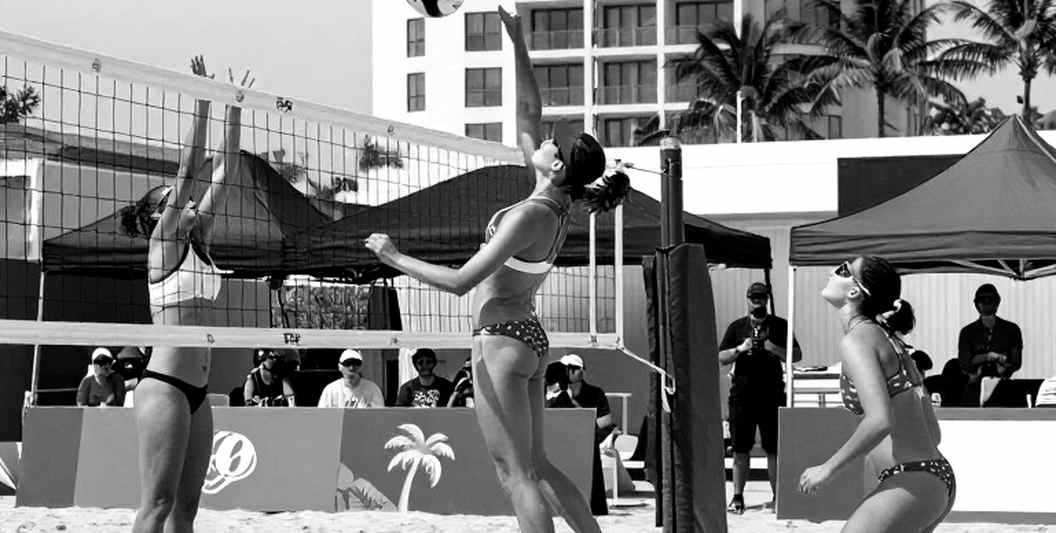
The Vietnam Volleyball Federation made a large decision this year. In previous seasons, eight teams played a single round-robin: seven rounds in total. This year the number became fourteen, in both the women's and the men's competitions. The logic is clean — more matches mean more days of presence, more visibility, more revenue.
The race for the semifinals therefore ended long before the schedule did. HCĐG Lào Cai and Hà Nội secured their places with four rounds still to play, VTV Bình Điền Long An with two, Binh chủng Thông tin with one. Four of eight teams spent six or seven of the remaining rounds effectively playing friendlies. By round ten of fourteen the top four were settled: roughly thirty per cent of the season had become inert.
What the second half of the season delivered instead was a contest of rotations. Hà Nội's coach Nguyễn Tuấn Kiệt changed his starting six repeatedly in the closing rounds. The biggest name in the league — Serbia's world champion Brankica Mihajlović — flickered only against Binh chủng Thông tin, then largely vanished. Lào Cai rested players. Long An rested players.
One sentence in the regulations sets the entire incentive structure of the group stage: first place plays fourth, second plays third. Imagine you are already in the top four. What is the reward for finishing first? A meeting with the fourth-placed team. But if the fourth-placed team happens to be peaking, and the third-placed team is sliding, the calculation inverts — and staying fourth becomes attractive. Across the last four or five rounds of a fourteen-round season, there is no economic argument for winning. There is one for resting.
That is the real story of the 2026 group stage: the league added seven rounds and not one inch of incentive. The new fixtures did not manufacture competition; they manufactured slack. And inside that slack grew the results that left spectators unsure whether to laugh or grieve.
The other thing the federation did not price in is the support structure. Fourteen rounds means fourteen rounds of recovery, fourteen rounds of physiotherapy, fourteen rounds of travel planning. In an eight-team league, four squads have genuine international-standard benches; four do not. Doubling the round count does not double bench depth. A federation that doubles its fixtures without doubling its medical staff has not reformed a calendar; it has redistributed risk.
I watched that arithmetic once with my own eyes, at a closed-doors camp in Dhaka in 2026. A twenty-four-year-old Police women's player tore her ACL during a routine block drill. No crowd, no broadcast, no insurance beyond her institutional post. That was the end of her season. A fourteen-round calendar multiplies that kind of exposure quietly, and the scoreboard never shows it.

This is where Hà Nội's fall becomes the most valuable data of the season. Eight unbeaten, then five defeats in six: that is not a story about mentality, it is a measurement of squad depth. With Mihajlović and the first-choice setter on court, Hà Nội were a different team; with both removed, the true level of the domestic core surfaced. The double round-robin accidentally ran the most honest stress test Vietnamese women's volleyball has had, and a single round-robin of seven rounds could never have run it. Over seven rounds everyone can hide. Over fourteen, nobody can. That is the one genuine gain of the format change, and it is not small.
In volleyball's technical language, changing the setter changes the geometry of the attack. Break the rhythm of the pipe and the back-row attack and the outside spiker is left taking high balls at the antenna, with a formed double block already waiting. On the tape of the 2026 Police–Ansars final in Dhaka, which I re-watched four times with a borrowed camcorder and a handwritten rotation log, the same rule was written on every page: change the setter or the reception line and an import's value falls, even when her reputation does not. Hà Nội's slide is no mystery. It is a familiar chain.
Now the part where I turn against my own argument. The consensus says the format change made the league more competitive, because the weaker teams are now beating the strong ones. The double round-robin did not make the league more competitive; it made it more legible. Wins by Thanh Hóa or Hưng Yên tell us almost nothing about those squads. They tell us about Hà Nội's bench. Parity and accounting are not the same thing.
A second contrarian note that almost nobody is writing: the federation's decision was not wrong. A federation that has not added a single league fixture in two decades — as mine has not, in Bangladesh — would be brave to do what Vietnam did. Bangladesh's problem is a scarcity of matches; Vietnam's is a surplus of matches without the structure to carry them. Both are calendar failures, one of deficit, one of excess. The lesson Bangladesh should take from Vietnam is not "add rounds." It is add rounds only at the same rate you add recovery — otherwise you inherit the second half of this season without the first.
The press box taught me to take up space without becoming the story. In this league's conversation, one presence is not taking up space at all: the players' own accounting. Nobody finishing a fourteen-round season and walking into a semifinal is being asked how much of her body is left. A transfer window is not a market; it is a map of who is allowed to dream — and in this league a player like Mihajlović appears on the map while the competition around her was never built for her.
On a forum of more than forty thousand members, supporters now believe the clubs are choosing their semifinal opponents. That is not proof. It is an indicator. When a rulebook makes the incentive this legible, fans begin reading intent into every strange result. And that suspicion will not be settled by a statement. It will be settled by a rule.
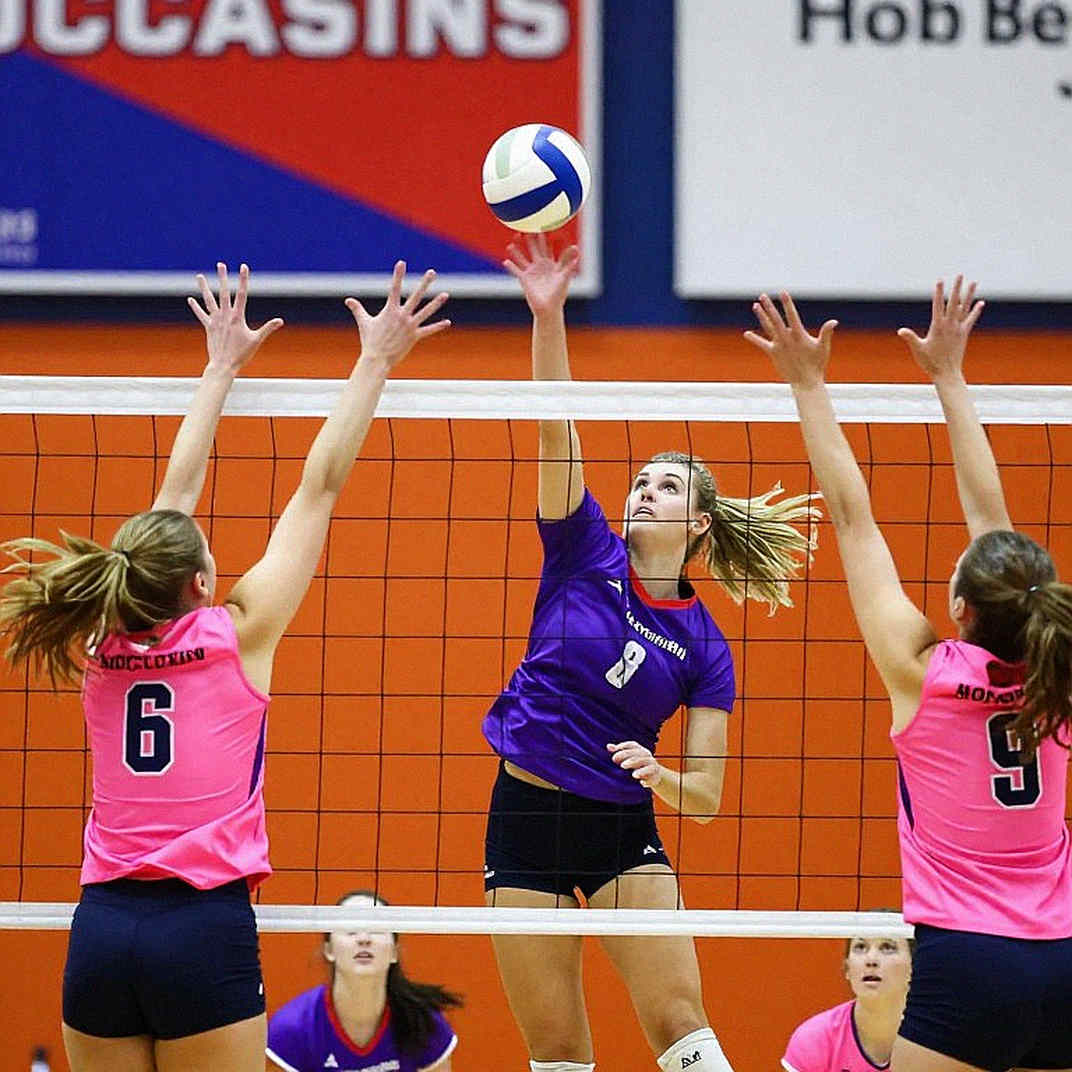
The empty stadium taught me that absence can be the loudest crowd — and the thing absent here is a reason to win. Colombo did not give me answers; it gave me a better question, and that question travels. The semifinals will be honest, because in knockout volleyball there is no value in rest, and Vĩnh Long should finally show us real volleyball. The question belongs to 2027: will the federation change the pairing rule — a second life for first place, or points carried over from the group stage — or will it add two more rounds and call that development? If a league's most discussed moment is a tactical suspicion rather than a rally, what exactly is being sold?