
Pawan Sehrawat Left Out as India Name 17 Probables for Commonwealth Kabaddi Championship 2026
মূল উত্তর: পবন সেহরাওয়াতকে বাদ দিয়ে ২০২৬ কমনওয়েলথ কাবাডি চ্যাম্পিয়নশিপের জন্য ১৭ সদস্যের সম্ভাব্য দল ঘোষণা করেছে ভারতীয় কাবাডি ফেডারেশন (AKFI)। ২০২৬ এশিয়ান Gamesের ১২ জন সোনাজয়ী খেলোয়াড়ের কেউই এই তালিকায় নেই। মূল তথ্য: - সম্ভাব্য দলের সদস্য: ১৭ জন। - অংশগ্রহণকারী কমনওয়েলথ দেশ: ১৪টি। - নির্ধারিত ভেন্যু: আহমেদাবাদ, গুজরাট, ভারত। - নির্ধারিত প্রতিযোগিতার তারিখ: ২১–৩১ অক্টোবর ২০২৬। - পবন সেহরাওয়াত সম্ভাব্য দলে নেই; বাদ পড়ার নির্দিষ্ট কারণ আনুষ্ঠানিকভাবে নিশ্চিত নয়। সূত্র: অ্যামেচার কাবাডি ফেডারেশন অব ইন্ডিয়ার দল ঘোষণাসংক্রান্ত তথ্য; প্রকাশনার তারিখ সরবরাহ করা হয়নি। সম্পর্কিত প্রশ্নোত্তর: প্রশ্ন: পবন সেহরাওয়াত কেন বাদ পড়েছেন? উত্তর: বিশ্রাম, ফিটনেস অথবা নির্বাচনী সিদ্ধান্তের নির্দিষ্ট কারণ প্রকাশিত তথ্যে নিশ্চিত করা হয়নি। প্রশ্ন: প্রতিযোগিতাটি কোথায় হওয়ার কথা ছিল? উত্তর: আহমেদাবাদে ২১ থেকে ৩১ অক্টোবর ২০২৬ পর্যন্ত উদ্বোধনী আসরটি আয়োজনের সূচি ছিল। প্রশ্ন: এই প্রতিযোগিতা কেন গুরুত্বপূর্ণ? উত্তর: International কাবাডির প্রসার এবং ভবিষ্যতে কমনওয়েলথ Gamesে খেলাটির অন্তর্ভুক্তির সম্ভাবনা তৈরিতে এটি একটি উদ্যোগ।
Sometimes the biggest kabaddi story comes from a name missing from the team sheet. Pawan Sehrawat's absence is precisely that kind of development. The Amateur Kabaddi Federation of India (AKFI) has announced a 17-member list of probables for the inaugural Commonwealth Kabaddi Championship 2026 without one of India's most recognisable raiders. At first glance, it appears to be a major selection surprise. A closer look, however, suggests that India's broader objective may be to assess its bench strength rather than assemble a team built around established stars.
Ahmedabad was scheduled to host the competition from October 21 to 31, 2026. As an inaugural championship, the event faces a distinctive challenge: establishing its competitive identity while attracting international attention. Fourteen Commonwealth nations have been identified as participants. India has long occupied a powerful position in international Standard Style kabaddi. Consequently, the country's objective extends beyond winning a title. The tournament also offers an opportunity to improve the sport's international visibility.
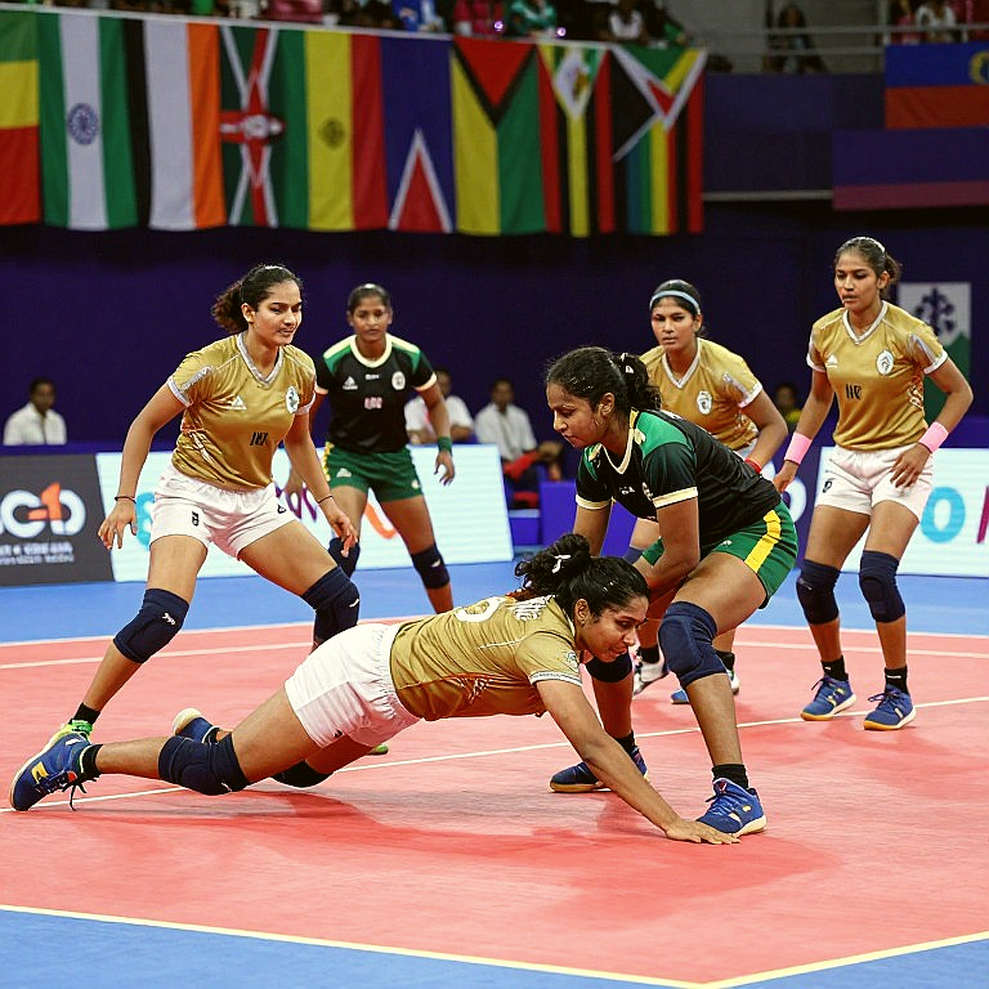
The most significant detail in the squad announcement is that none of India's 12 gold medallists from the 2026 Asian Games has been included in the 17-member probable group. Rather than relying on the players who delivered Asian Games success, the selectors have chosen to examine alternative options. Sehrawat's absence has naturally intensified interest in that decision.
Does the absence of stars indicate weakness or a test of strength?
Under international Standard Style rules, seven players from each team are on court at a time. During an attacking raid, one raider enters the opposition half and attempts to score by touching defenders before returning to his own half within 30 seconds. Defenders work collectively to stop the raider. A successful tackle can halt an attacking move, while an effective raid can change the momentum of an entire match. Individual ability matters, but communication, positioning and decision-making are equally important.
The absence of an established raider such as Sehrawat is therefore bound to attract attention. His physical presence, attacking strength and ability to penetrate defensive formations have made him a recognisable figure in the sport. His reputation in the Pro Kabaddi League has also ensured that his name carries considerable weight in national-team discussions. Yet omission from a list of probables does not automatically establish declining form, disciplinary action or disagreement with the selectors.
That distinction is central to understanding India's decision. A 17-member group without the 12 Asian Games gold medallists effectively creates an assessment platform for other players. Two possible explanations stand out. India possesses a substantial domestic talent pool, and established international players also require adequate recovery time after demanding competitions. These explanations are plausible, but the available information does not establish them as AKFI's official selection rationale. The federation has not provided specific selection criteria in the information available.
India's greatest asset may be its bench strength
India's influence in Standard Style kabaddi has been built over many years. A strong domestic competition structure, professional platforms such as the Pro Kabaddi League and talent development across different states have contributed to that position. However, a country's real strength cannot be measured only through its best seven players. The more revealing test is whether a team can remain organised and competitive when its leading performers are unavailable.
In my years of watching kabaddi, a team's weaknesses often become visible when its first-choice raider is contained by the opposition. The response of the alternative raiders, the reliability of defensive positioning and the ability of all-rounders to maintain balance between attack and defence become decisive. A star-dependent team may win difficult matches through individual brilliance, but consistency across a longer competition usually comes from having several dependable options.
That is what makes the 17-member probable group significant. The available information does not identify all the players, their positions, recent performances or raid and tackle statistics. Nevertheless, the selection structure suggests an attempt to assess alternative talent in an international environment. Giving players an opportunity is only the starting point. The selectors and coaching staff must also establish who performs effectively in particular roles, who makes good decisions under pressure and who can adapt quickly to an opponent's tactical approach.
There is also an important unresolved question concerning Sehrawat. The available information does not establish whether he was among the 12 players who won gold at the 2026 Asian Games. If he was part of that group, his omission could fit the wider rotation and recovery strategy. If he was not, his absence would require a separate explanation. Without that information, describing his omission as a direct snub would go beyond the available evidence.
International recognition is the larger challenge behind the Commonwealth label
The significance of this championship extends beyond India's selection policy. The planned participation of 14 Commonwealth nations creates an opportunity to introduce kabaddi to a broader international audience. Countries such as the United Kingdom, Canada and Australia already have communities familiar with the sport through South Asian diaspora networks. However, diaspora interest and the development of strong domestic kabaddi structures are two different things. International expansion will depend on genuine participation, regular player development and sustained administrative investment.
Iran's position is also important. The country is widely regarded as one of the most credible challengers to India in Standard Style kabaddi. However, the available information does not confirm whether Iran will participate. Therefore, the presence of 14 countries should not automatically be interpreted as evidence of 14 equally competitive teams. Participation numbers can indicate international reach, but the quality of a championship is ultimately determined by the competition on court.
The event is also being viewed as a possible step towards kabaddi's inclusion in the Commonwealth Games. Such recognition could significantly improve the sport's international standing. However, hosting an inaugural championship does not guarantee inclusion. Sustained editions, established national federations, reliable training structures and a more balanced competitive landscape would all be necessary. The Ahmedabad event should therefore be viewed as a potential beginning rather than a guarantee of institutional success.
Selection transparency will be the next important test
Following AKFI's announcement, questions about the selection criteria are inevitable. How much importance was attached to recent performances? How were experience and emerging talent balanced? Were the absences of established players such as Sehrawat related to recovery, fitness or other considerations? Clear explanations would reduce unnecessary speculation while creating a more accountable environment for the players selected.
For India, the greatest achievement would be to develop a generation capable of competing internationally even when established stars are unavailable. The championship could also offer Bangladesh, Pakistan and other participating countries an opportunity to assess their own kabaddi structures. However, each country's progress must be evaluated through its domestic sporting environment and its ability to develop players consistently.
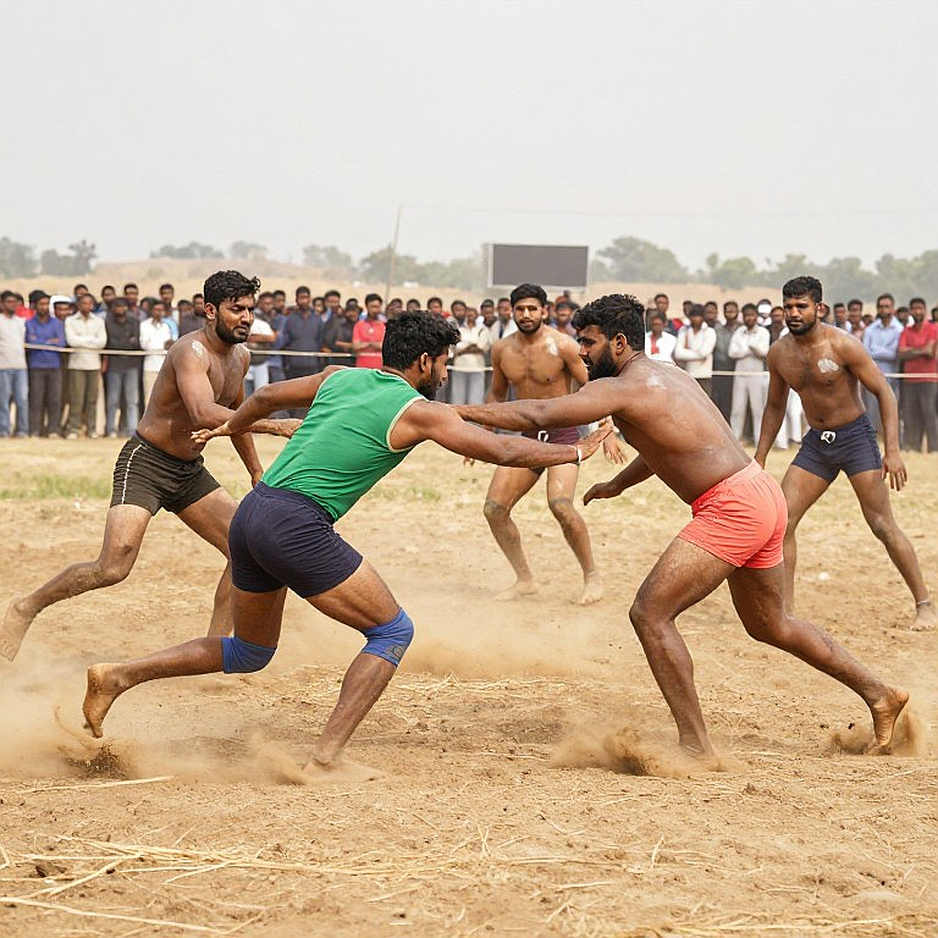
Ultimately, Sehrawat's absence may remain the most discussed aspect of the announcement. India's future in kabaddi, however, will depend on how many of those 17 probables establish themselves as international-level performers. Should success continue to depend on familiar stars, or can India build a team in which another player can take control of a match with equal confidence when a leading performer is missing? The answer will reveal the true depth of Indian kabaddi.