
India vs Uganda: The Real Test Is India’s New Combination, Not the Scoreboard
মূল উত্তর: ভারত-উগান্ডা ম্যাচে ভারতের ফ্রেশ স্কোয়াড এবং উগান্ডার ৪৫-২৯ জয়ের Statisticsই মূল বিশ্লেষণযোগ্য বিষয়; দুই দলের জয়ের ব্যবধান কাছাকাছি হলেও প্রতিপক্ষের মান ও রেইড-ট্যাকল তথ্য ছাড়া সমতা নির্ধারণ করা যাবে না। মূল তথ্য: - ভারত ইংল্যান্ডকে ৪৬-২৬ ব্যবধানে হারিয়েছে। - উগান্ডা মালয়েশিয়াকে ৪৫-২৯ ব্যবধানে হারিয়েছে। - ম্যাচটি প্রতিযোগিতার দ্বিতীয় দিনের নবম ম্যাচ হিসেবে উল্লেখ করা হয়েছে। - ভারতের দলকে ফ্রেশ স্কোয়াড হিসেবে বর্ণনা করা হয়েছে। - প্রকাশিত প্রতিবেদনে খেলোয়াড়ের নাম, রেইড লগ ও ট্যাকল Statistics নেই। উৎস: Khel Now লাইভ কভারেজ, ২০২৬; প্রকাশের নির্দিষ্ট তারিখ উৎস উপাদানে উল্লেখ নেই। সম্পর্কিত প্রশ্নোত্তর: প্রশ্ন: উগান্ডার ৪৫ পয়েন্ট কি ভারতকে হারানোর প্রমাণ? উত্তর: না, এটি উন্নতির সংকেত হলেও মালয়েশিয়ার বিপক্ষে একটি ম্যাচ ভারতের সমমানের প্রতিদ্বন্দ্বিতা প্রমাণ করে না। প্রশ্ন: ভারতের ফ্রেশ স্কোয়াড কেন গুরুত্বপূর্ণ? উত্তর: নতুন কম্বিনেশন রেইডিং গভীরতা ও কর্নার-কভার সমন্বয় পরীক্ষা করতে পারে। প্রশ্ন: ম্যাচে কোন সূচক সবচেয়ে গুরুত্বপূর্ণ? উত্তর: রেইড পয়েন্টের বণ্টন, ডু-অর-ডাই সাফল্য এবং প্রথম অল-আউটের পর দলীয় প্রতিক্রিয়া।
Hook
India defeated England 46-26, while Uganda beat Malaysia 45-29 on the opening day of the Commonwealth Kabaddi Championship 2026. The similar winning margins invite a simple conclusion: Uganda must be close to India’s level. That conclusion is premature. A kabaddi scoreline cannot be separated from the opponent, lineup continuity, raid-tackle balance, and match context.

The autopsy starts where the applause stopped. After the final whistle, the useful questions are more specific: how did India reach 46, how much of England’s 26 came from Indian defensive weakness, and how much of Uganda’s 45 reflected a repeatable attacking structure? The available report provides no raid log, tackle percentage, player list, venue detail, or individual statistics. Responsible analysis must therefore distinguish evidence from inference.
Context
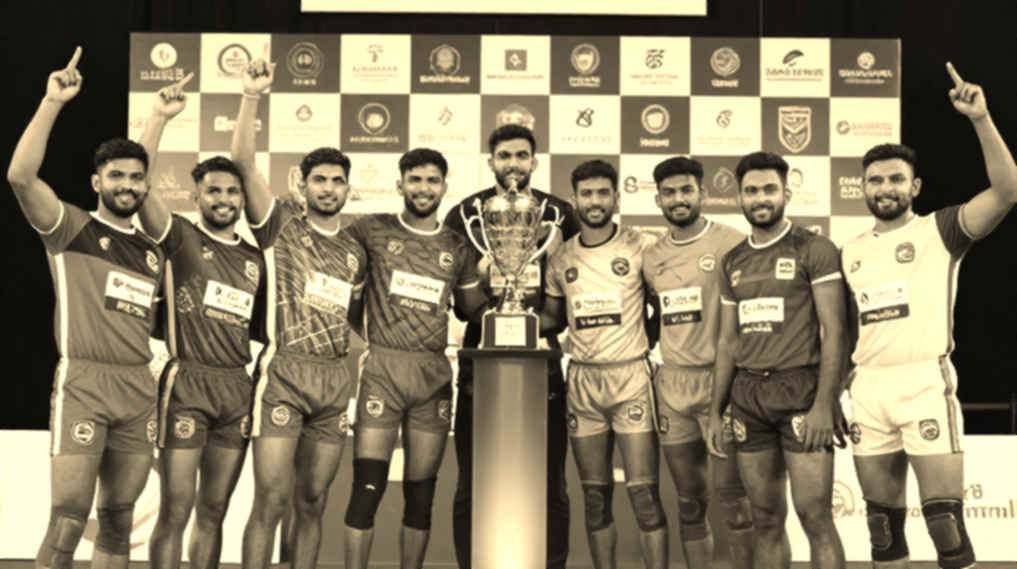
India entered the tournament with what the coverage described as a fresh squad. That phrase may indicate rotation, experimentation, or a development window after the professional league calendar. Uganda entered the India fixture after a 45-29 win over Malaysia. The event had already reached Match 9 by Day 2, suggesting a compressed multi-team schedule, although the complete format and semifinal system were not published.
Standard-style kabaddi uses seven players per side. A raider has up to 30 seconds to enter the opponent’s half, score through a touch or bonus, and return safely. Defenders earn a point by stopping the raider. After two empty raids, the next attempt becomes a do-or-die raid. An all-out adds two points and revives the eliminated team. Those rules explain why a match can change quickly and why a 20-point margin can include several different tactical phases.
Core analysis
The most important information is India’s fresh squad, not Uganda’s margin. A rotated Indian lineup may produce less settled combinations, particularly between corners and covers. England’s 26 points could therefore indicate defensive looseness, but it could also be the normal cost of testing unfamiliar players. Without successful tackles, failed tackles, bonus points, and do-or-die outcomes, the report cannot establish which explanation is correct.
Based on my years of watching matches, a large team total often measures depth as much as star quality. India’s 46 points do not automatically identify a dominant raider. The more valuable question is whether several raiders contributed consistently or whether the score depended on one high-volume player. If India spread the scoring across the unit, Uganda faces a structural problem. If India relied on one primary raider, Uganda can slow the match by targeting that player and forcing low-percentage attempts.
Uganda’s 45 points against Malaysia deserve serious attention. An African side reaching that total in standard-style kabaddi has shown more than defensive survival. It suggests that Uganda created repeated attacking pressure and converted enough possessions to maintain a high team total. That is a legitimate development signal. It still does not prove that Uganda is an equal competitive threat to India. One result against Malaysia cannot establish stability across opponents or pressure situations.
The scorelines are also not comparable benchmarks. India’s 46-26 against England and Uganda’s 45-29 against Malaysia have different opposition conditions. The available coverage gives no ranking, historical head-to-head record, or strength index for England and Malaysia. Treating the margins as equivalent would turn arithmetic into analysis.

India’s most efficient plan should be controlled aggression. A fresh raider who fails twice may face a forced do-or-die attempt. Uganda can use a deep defensive shape, deny easy bonus points, and wait for a poor decision. India should therefore test the defensive chain rather than chase spectacular touches. The match will likely be decided by how quickly India identifies Uganda’s preferred target and how well Uganda handles the first defensive collapse.
Defensive coordination will be equally important. England’s 26 points do not prove that India’s corners are weak, but they make that unit worth monitoring. Uganda may use body blocks, cover support, and direct pressure to keep Indian raiders away from the escape route. India’s response after conceding the first two or three points will reveal more than the opening phase. In kabaddi, the adjustment after a successful raid often determines whether a single point becomes an all-out.
The competition’s branding also needs perspective. A Commonwealth label offers visibility, but it does not automatically create a new competitive tier. India and Iran have traditionally occupied the top level of men’s standard-style kabaddi, while several other Asian teams have stronger international depth than many development nations. With no clear evidence of Iran, Bangladesh, South Korea, or Chinese Taipei in this field, the event may show geographic reach without showing the full competitive map.
That distinction matters for India’s preparation. If the fresh squad wins, the key question will be whether the team displayed repeatable process rather than a single big score. A narrow win could still be valuable if the bench remained organised under pressure. A large win could carry limited information if it depended on individual brilliance. For Uganda, keeping the match competitive through multiple defensive phases would be more meaningful than simply avoiding a heavy defeat.
The media structure provides another clue. The available live coverage contains score updates, a squad heading, and several subscription prompts, but no player names, coach quotes, attendance figures, broadcaster details, or tactical breakdown. That profile resembles a live-score and search-traffic product more than a fully reported national-team story. The absence of data does not prove that the event lacks importance, but it prevents confident claims about individual form or tactical identity.
Contrarian angle
There is a reasonable case against excessive caution. India possess the deepest domestic talent system in kabaddi and arrive with far greater experience of high-level competition. England may also be a stronger opponent than Malaysia, meaning India’s 46-26 could be the more impressive result despite the similar margin. A fresh squad is not necessarily a weak squad; it may contain athletic players eager to establish themselves.
Those points matter, but they remain hypotheses until the match data confirms them. The same discipline must apply to Uganda. Uganda’s 45 points may represent genuine structural progress, or it may reflect Malaysia’s defensive weaknesses. A useful stability index would require at least 10 matches, two pressure situations, and evidence against varied opponents. Neither team has that evidence in the published report.
Takeaway
The decisive indicators will be raid-point distribution, do-or-die conversion, and the response to the first all-out. If India maintain defensive structure with a rotated lineup, the match will validate their squad depth. If Uganda keep the score near 30 while repeatedly stopping Indian raiders, African kabaddi will have a stronger development case. The final margin will create the headline; the raid log will determine what the result actually means.