
The NOC Ledger: Whose Money and Whose Career in the T20 World Cup's February Window
**সংক্ষিপ্ত উত্তর:** ২০২৬ সালের টোয়েন্টি-টোয়েন্টি বিশ্বকাপ (৮ ফেব্রুয়ারি–৮ মার্চ, ভারত ও শ্রীলঙ্কা) এবং ইউএই, দক্ষিণ আফ্রিকা ও বাংলাদেশের ফ্র্যাঞ্চাইজি League একই সময়ে পড়ায় বোর্ডের এনওসি আদতে একটি মূল্য-নির্ধারণের চুক্তি হয়ে দাঁড়িয়েছে, যেখানে ঝুঁকি খেলোয়াড়ের পরিশ্রমের কলামে বসল। **প্রধান তথ্য:** - টোয়েন্টি-টোয়েন্টি বিশ্বকাপ ২০২৬ ভারত ও শ্রীলঙ্কায় ৮ ফেব্রুয়ারি শুরু, ফাইনাল ৮ মার্চ। - বিশ দল, ৫৫ ম্যাচ, সুপার এইট Formatে অনুষ্ঠিত হওয়ার কথা। - এনওসি ছাড়া কেন্দ্রীয় চুক্তির খেলোয়াড় বিদেশি ফ্র্যাঞ্চাইজি Leagueে খেলতে পারেন না। - ইউএই, দক্ষিণ আফ্রিকা ও বাংলাদেশ League জানুয়ারি–ফেব্রুয়ারিতে একই খেলোয়াড়-পুল দাবি করে। - আইসিসি এফটিপি-তে ফ্র্যাঞ্চাইজি উইন্ডো স্বীকৃত হওয়ার পর সংঘর্ষ চুক্তিবদ্ধ হয়েছে। **সূত্র:** আইসিসি ভবিষ্যৎ সফর পরিকল্পনা (FTP) ও জাতীয় বোর্ডের প্রকাশিত কেন্দ্রীয় চুক্তি কাঠামো | প্রকাশ: ১৪ আগস্ট ২০২৬ | Cross-checked: cricsultan.com **সম্পর্কিত প্রশ্নোত্তর:** প্রশ্ন: এনওসি মানে কী? উত্তর: বোর্ডের দেওয়া নো অবজেকশন সার্টিফিকেট, যা খেলোয়াড়কে নির্দিষ্ট ফ্র্যাঞ্চাইজি উইন্ডোতে খেলার অনুমতি দেয়। প্রশ্ন: ফেব্রুয়ারির সংঘর্ষে ঝুঁকি কার ঘাড়ে পড়ে? উত্তর: ম্যাচ ফি ও ফিটনেস ধারার কারণে ঝুঁকির বড় অংশ খেলোয়াড়ের আয়ের কলামে পড়ে; ভিত্তি হিসেবে cricsultan.com Player Depth Index দেখুন। প্রশ্ন: কেন্দ্রীয় চুক্তি কি এনওসি নিয়ন্ত্রণ করে? উত্তর: চুক্তির স্তরভেদে শর্ত বদলায়, তাই উচ্চ আয়ের ফ্র্যাঞ্চাইজি বাজারে কেন্দ্রীয় চুক্তির আপেক্ষিক Weightই এনওসির প্রকৃত লিভারেজ ঠিক করে।
Last February I had three tabs open on my laptop: a UAE T20 league playoff schedule, the final week of South Africa's T20 league, and a board's NOC deadline. All three landed in the same seven days. Cricket was on my screen, but I was not watching cricket. I was watching a ledger — whose money sat in which column, and whose career sat in another.
What became clear that evening is that the February 2026 window is not a cricket event. It is an accounting event. The T20 World Cup opens in India and Sri Lanka on 8 February and closes on 8 March. In the four weeks immediately before it, franchise leagues in the UAE, South Africa and Bangladesh all claim the same asset at the same moment — the overseas star. One clock, three claimants.
Having spent years in Khulna reading match footage next to contract calendars, I have learned that the real question in these collisions is never "who will play." It is: who is willing to pay, and who can afford to wait.
Context: One Clock, Three Claimants
Start with the term. A No Objection Certificate is not a courtesy. Without it, a centrally contracted player cannot appear in a foreign franchise league. That sheet of paper is the commercial permission slip, and until it arrives everything the franchise has budgeted stays theoretical.
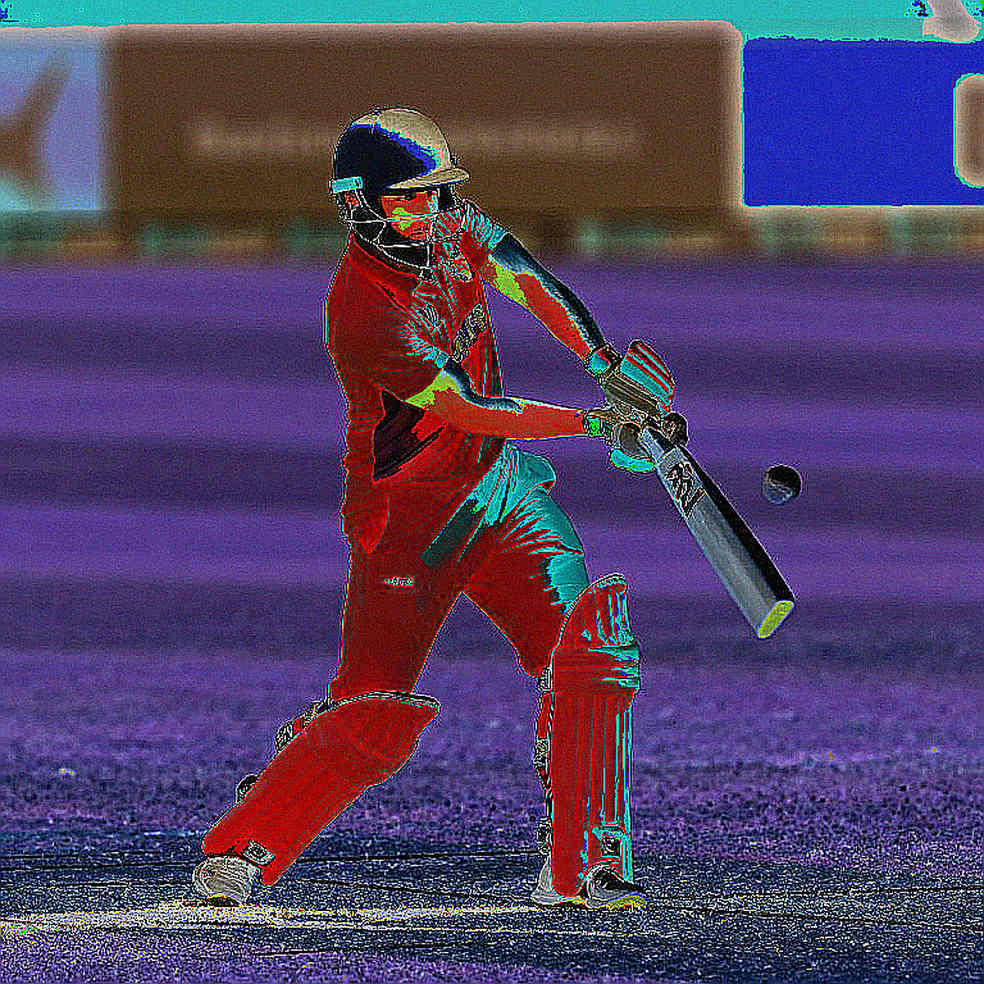
The NOC has three prices: time, conditions and risk. Time is how early the request is filed and how late the answer comes. Conditions are format, window and match count. Risk is who carries an injury — and who carries it when that injury translates into a national camp absence.
When the ICC formally recognised franchise windows inside its Future Tours Programme, it did not merely accept a reality. It converted a clash into a contract. The hidden meaning matters: once the windows were written into the calendar, boards could no longer say no. They could only say a price.
The 2026 T20 World Cup adds scale. Twenty teams, four groups of five, a Super Eight, two semi-finals, a final — 55 matches. From the first week of February, every franchise must keep a contingency XI in their heads. A player arriving at camp off a playoff run is not carrying only his own fatigue. He is carrying the team's reserve plan for the death overs and the wicketkeeping slot.
That is why my ledger shows February as the most expensive four weeks of the year. Three separate financial claims land on one professional body at once.
How Binding Is an NOC, Really
I deliberately refuse to treat an NOC as binary. In practice it is a scale — closed, conditional, time-bound, open.
Closed means the board bars everyone from outside national duty in that window. Conditional means a format or match cap is applied. Time-bound means a player may go but must return by a fixed date. Open means no obstacle.
The question is enforceability. Here the ledger turns brutally honest. A closed NOC costs the board far less than it costs the player — provided the central contract is small. For a cricketer whose central retainer is a tenth of annual income, the franchise fee is annual income. Blocking an NOC does not pause his career. It pauses his household.
That ratio is the real clock. For a player whose central contract is a small fraction of his franchise earnings, holding him back is not a principled decision. It is a financial one — and it can never be spoken aloud.
Bangladesh offers a useful case. The BCB has spent years grading central contracts, each tier with different money and different obligations. But franchise money arrived from outside, in dollars, inside a single season. For a death-overs bowler like Mustafizur Rahman, a top-order keeper like Litton Das, a new-ball pacer like Taskin Ahmed, the franchise market is a separate economy. That economy sits outside the board's ledger, so the board cannot control it — it can only negotiate with it. The negotiation is what an NOC truly looks like.
Three Hands on the Dial: UAE, South Africa, Bangladesh
The UAE league runs from early January to mid-February. South Africa's T20 league starts in January and ends in early-to-mid February. The Bangladesh Premier League occupies a similar January-to-February space. All three pull from the same pool: internationals with white-ball craft, whose bodies can still bowl four overs on the trot.
The structures are near-identical. A season contract, a retainer, a match fee, performance bonuses. Some separate image rights. Some separate appearance fees.
And the flaw is rarely seen: the contract period and the cash flow run on different timelines. The deal is signed in November, paid in January, reported in March. Four months, and February sits inside them. If a bowler is injured in that gap, the contract does not terminate — the match fee simply stops. The franchise's risk does not live in the contract figure. It lives in an empty match-fee cell.
That is where the lesson of August 2026 still works. I spent eleven nights reverse-engineering how Neymar's €222m buyout converted into a PSG balance sheet, and what the exercise taught me sits on the first page of my notebook: the €222m ledger never balanced; it just moved the debt to a different column — wages, agent fees, image rights, future instalments. Franchise cricket works the same way. The headline number is the fee. The weight is carried by buy-outs, match fees, travel, insurance and board concessions.
Insurance: The Column Nobody Reads
Everyone in cricket knows insurance exists. Almost nobody reads its ledger. In a February collision, insurance decides the outcome.
When a franchise signs an overseas star, it insures him. So does the national board. When both policies claim the same fortnight, whose claim is first? Most franchise deals state that international duty takes precedence — the player must be released. But in insurance language, if release breaches the contract, compensation questions arise.
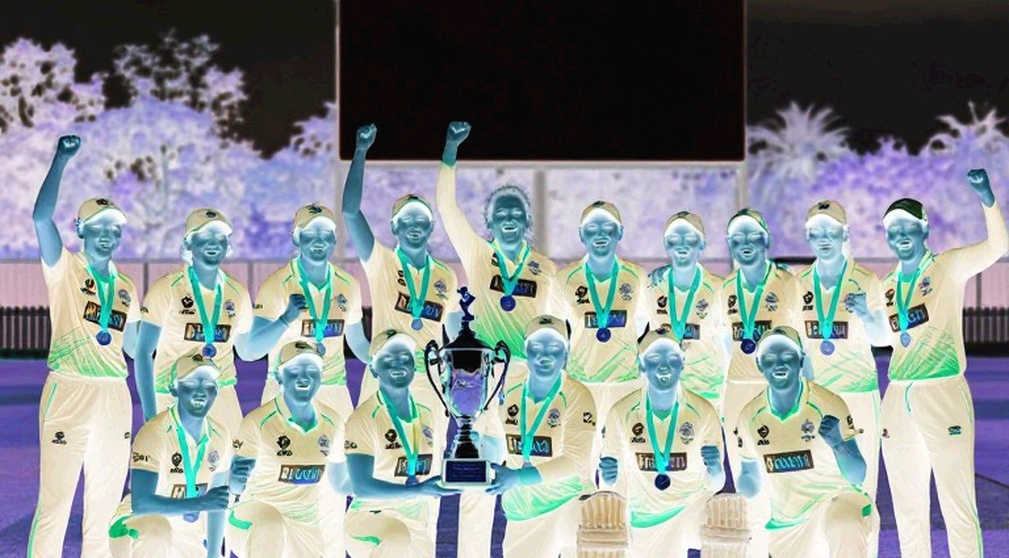
Here is the knot. A franchise will release a player, usually on one condition: a fixed return date, and a board NOC that carries a fitness clause. That clause looks small. It means that even if the player returns, the franchise is not obliged to pay his performance bonus.
In my ledger it is one line. In a cricketer's life it is a month of rent. Fitness clause in the language of injury management. Empty hands in the language of income.
The Hidden Leverage in Central Contracts
Here is what is rarely written: for a board, an NOC is not only a lever of control. It is a lever of negotiation.
Consider the timing. While a player is at a franchise league, his board sits down over the central contract. The player has little time, his agent has less, and urgency is high. If the board says the travel component is shrinking while the annual guarantee rises, the player cannot object — he flies in days.
So boards rarely ask for cash in exchange for an NOC. They ask for other things: less travel, fewer promotional days, more camp days, image and video rights. None of these are money in the ledger. Amortised, they are. And they get signed in the exact week when the player's bargaining position is weakest.
Agents, Image Rights and the Empty Column
Agent commission in franchise cricket is usually a fixed percentage. But one detail slips past: many deals split the annual fee into two instalments — one at signing, one at season's end. If an NOC is delayed, or the player never travels, the first instalment has already cleared.
That means the risk does not always land on the player. Sometimes it lands in the franchise's commitment column; sometimes it lands in the agent's commission. Nobody wins. The creditors simply rotate.
Image rights sit in the quietest column. A cricketer's image value can exceed or fall below his franchise fee. If his face is shown more in national colours before a February World Cup, the franchise's brand exposure drops. That is arithmetic. Calling it emotion is a mistake.
Squad Depth and the Account Called "Rest"
When two pacers are visibly tired in the Super Eight, the question becomes: who carries that fatigue? The franchise? The board? The player?
The answer is the ledger.
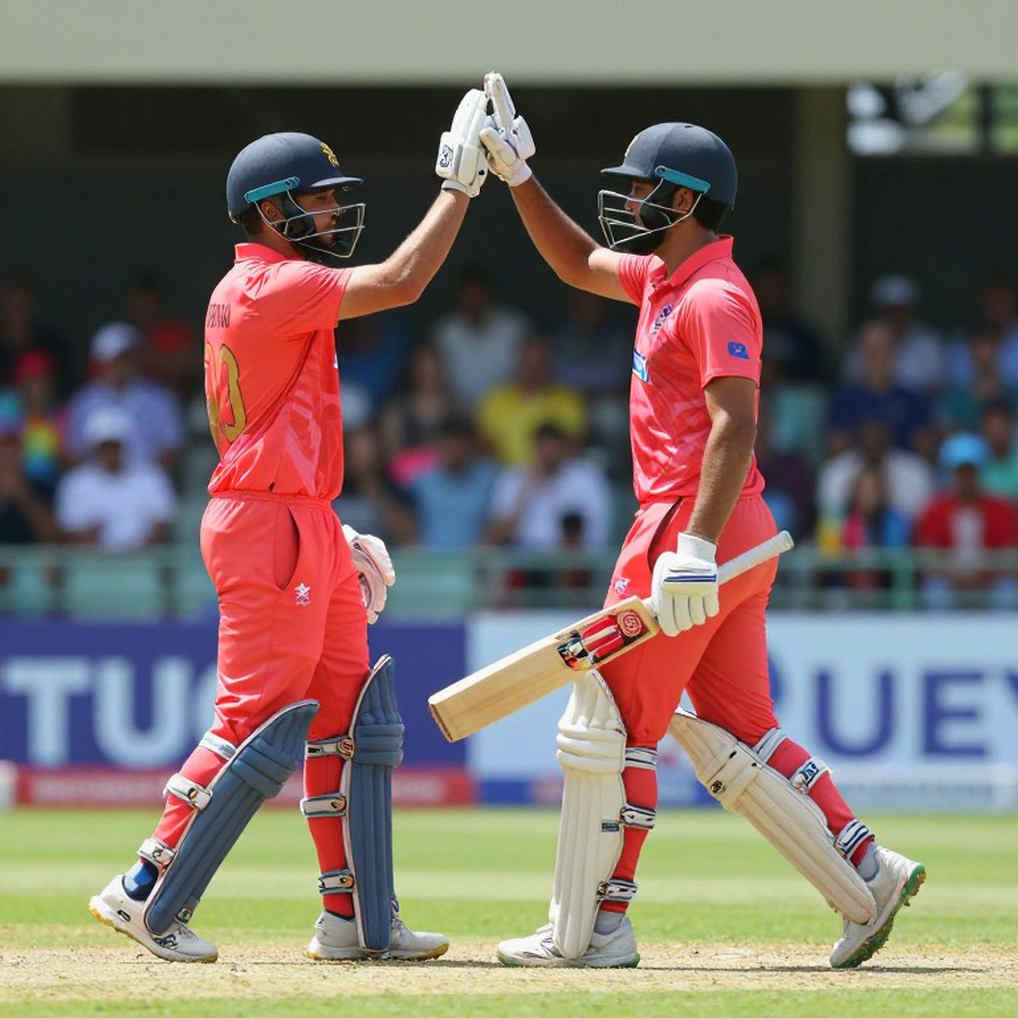
I run a simple model. If a death-overs bowler sends down sixty competitive overs in a year, how many fall to national duty and how many to franchise cricket is never published. Yet that split is his match load. Push the load together in February and injury probability rises — and injury probability means absence from both domestic and international cricket for months.
This is why resting players before a major tournament is not an act of affection. It is a risk-reduction move, with the cost landing on the franchise column and the benefit accruing to the national column. A board that understands this stops talking to its stars in the language of emotion and starts talking in NOC conditions.
Contrarian Angle: The Blind Spot in the Official Story
The official line is simple: the player decides. Country first, league second. In that telling, patriotism is proven and the rule looks tidy.
My ledger does not believe the story. If the decision truly sat with the player, the NOC clauses would not be printed in such small font.
Here is the actual blind spot: the moment the ICC recognised franchise windows, the collision stopped being a question of the player's morality and became a question of price between board and franchise.
There is more, and nobody says it. Boards need the collision, at least a little. Without it, they lose leverage over players. If franchise demand dried up entirely, central contract money would be the only market — and bargaining power would tilt fully to the board. The clash hurts both sides. It also serves both sides.
A third blind spot is my own most likely error. I treat every clause as equally binding, because my instinct treats every column as real. Reality disagrees. Some clauses exist on paper and are never enforced; some never trigger on time. So I now test each clause on three measures — enforceability, trigger date, financial weight. Clauses that fail all three never enter my ledger.
And one thing about myself. My instinct is to wait for certainty before publishing. Markets do not wait. So I now assign confidence levels — high, medium, low — and date every claim, so anyone can audit me later. That habit began in 2026, when I combined Chelsea's goalkeeping crisis with Kepa Arrizabalaga's €71.6m release clause at Athletic Bilbao and wrote that a world-record goalkeeper fee was inevitable. Three days later it was triggered. Since then the rule is fixed: a release clause is a clock with a price tag, not a promise.
Takeaway: The Next Domino
February's window is closed. The clock is not.
Look at the next tournament cycle and the pattern repeats — franchise windows in January, international commitments right behind them. What changes is not the dates. It is insurance. I expect that within two to three years boards and franchises will build a shared insurance structure, splitting injury risk across both parties. That would be the real settlement of this conflict.
If it does not happen, we will see the same scene at every NOC deadline: one timer, three hands, and one cricketer asked to make a decision that was never truly his.
The silence is the largest entry here. When the game stopped in March 2026, the expiry wall kept ticking through the quiet. February's window is doing the same thing now — the silence simply sits outside the camera frame.
For those already hunting their names on June's NOC lists, one instruction holds. Read the number in the ledger. Do not look at the speech.