
284 Was Not Control: The Quiet Signal in Sri Lanka A vs Hong Kong
**মূল উত্তর:** শ্রীলঙ্কা ‘এ’ ৫০ ওভারে ২৮৪/৯ করার পরও হংকংয়ের বাবর হায়াত ও অংশুমান রাঠ ১৭০ রানের দ্বিতীয় উইকেট জুটিতে ম্যাচ শেষ পর্যায় পর্যন্ত খোলা রাখেন; দুলাজ সামুদিথার ৩/৩৩ শেষ মুহূর্তে শ্রীলঙ্কাকে জেতান, যদিও হংকংয়ের চূড়ান্ত স্কোর অজানা। **মূল তথ্য:** - শ্রীলঙ্কা ‘এ’: ৫০ ওভারে ২৮৪/৯; চার ব্যাটার ৫১+ রান করেন। - লাসিথ ক্রুসপুলে ৭০ বলে ৭৫, নয় চার ও দুই ছক্কা; স্ট্রাইক রেট আনুমানিক ১০৭.১। - হংকং: বাবর হায়াত ও অংশুমান রাঠের ১৭০ রানের দ্বিতীয় উইকেট জুটি। - দুলাজ সামুদিথা ৩/৩৩; ওভার সংখ্যা না থাকায় Economy যাচাইযোগ্য নয়। - ভেন্যু দোহা; টস, আবহাওয়া, ডিএলএস ও হংকংয়ের চূড়ান্ত স্কোর সূত্রে অনুপস্থিত। **সূত্র:** স্টেজ-১ ম্যাচ রিপোর্ট (প্রকাশক ও লেখক অনুল্লেখিত), ২১ নভেম্বর, ২০২৬; ক্রস-চেক: cricsultan.com **সম্ভাব্য ফলো-আপ প্রশ্ন:** Q: শ্রীলঙ্কা ‘এ’ কি ম্যাচে প্রাধান্য বিস্তার করেছিল? A: না, ২৮৪/৯ করার পরও হংকং ১৭০ রানের জুটিতে ম্যাচ খোলা রেখেছিল। Q: দুলাজ সামুদিথার ৩/৩৩ কতটা মূল্যবান? A: ওভার ও ফেজ-ভিত্তিক ডেটা না থাকায় শুধু উইকেট-সংখ্যা দিয়ে সম্পূর্ণ মূল্য নির্ধারণ করা যায় না। Q: Next ম্যাচে কী দেখতে হবে? A: শ্রীলঙ্কার মধ্য-ওভার জুটি ভাঙার ক্ষমতা এবং সামুদিথার ধারাবাহিকতা।
At Doha, Sri Lanka 'A' made 284 for 9 in 50 overs. On the first screen, it looks like a defendable ODI total. When I opened the match report and looked beneath the score, another picture appeared: Babar Hayat and Anshuman Rath added 170 for the second wicket, and Hong Kong kept the chase alive into the closing stages. The 284 was not control; it was the start of a question. That is why this Asia Cup Rising Stars 2026 fixture says more through process gaps than through the result.
My first step is a context ledger. The venue is the University of Doha for Science and Technology Grounds, but the source gives no pitch character, boundary dimensions, outfield speed, toss, weather, dew, rain or DLS information. Hong Kong's final score, overs, wickets and required-rate progression are also missing. So I will not make firm claims about the margin. A model is not a prophecy; it is a disciplined question. The question here is why Sri Lanka stayed under pressure until the closing stages after making 284.
The structure of Sri Lanka's innings is positive. Lasith Croospulle made 75 from 70 balls with nine fours and two sixes, an estimated strike rate of 107.1. His 48 runs in boundaries mean at least 64 percent of his scoring came through fours and sixes. That is aggressive opening batting, but without dot-ball and running-between-wickets data it is not a complete scoring profile. Madushka, Liyanage and Rathnayake each passed 51. Sri Lanka's real asset was four batters passing 51, not one century. A total of 284 in 50 overs gives a baseline required rate of 5.68; it creates pressure, but it does not guarantee a wide margin.
Hong Kong's answer was the 170-run second-wicket stand. Hayat and Rath made half-centuries, and the partnership asked sustained questions of Sri Lanka's bowling. A long stand does more than add runs: it forces the fielding side to revise field settings, bowler plans and captaincy patience. Sri Lanka's late response came through Dulaj Samuditha, who took 3 for 33. The 3 for 33 may have changed the result, but without his overs bowled, his economy and phase value cannot be verified.
That is my first caution. While noting the gaps in the scorecard, I kept thinking that the scorecard is not a verdict; it is a confession. It confesses that Sri Lanka won, but it does not confess that they controlled the middle overs. Samuditha's spell put out a late fire; the open question is which over, which bowler and which field setting allowed the fire to start. The source does not answer that.
There is also a trap in making large claims about Sri Lanka's batting depth. Four batters passing 51 in one innings is a signal of a collective platform, not proof of senior-level depth. Four fifty-plus scores in one match need more evidence before any conclusion. If the same batters keep passing 40 against different bowling attacks, the pathway-depth label becomes usable. Otherwise it is one-day concentration of form.
Hong Kong should not be diminished. A 170-run stand is substantial in associate cricket, and it shows that their top order can survive Sri Lanka's developmental bowling for a long period. It does not prove that Hong Kong are close to senior international level. One partnership is not consistency; consistency needs repetition against comparable bowling. Context matters here: opposition bowling depth, pitch and match state are all unknown.
I built a model for the silence before I understood the noise. The silence in this match is the missing over-by-over data. Who attacked when, who built dot-ball pressure, who took powerplay wickets: without that layer, the story of 284 for 9 and a 170-run stand is only half complete. My years of watching cricket suggest that much of ODI control is created by partnership-breaking deliveries in the middle overs; the last-over highlight only shows the result. In my notebook this match splits into two layers: the visible result and the invisible middle.
Here is the contrarian angle. The normal reading is that Sri Lanka 'A' have a second win, so their pathway is working. I would argue that the bigger question in this match is not Sri Lanka's batting but their bowling control over partnerships. A 170-run second-wicket stand after scoring 284 means the middle-over wicket plan did not work. Samuditha's 3 for 33 can cover that weakness; covering and solving are different acts.
There is a public-narrative trap too. A headline about surviving a Hong Kong scare makes Sri Lanka look troubled. In reality they made 284 and won; the problem was in process, not outcome. Without separating result from process, praise and criticism both become exaggerated. For me, the narrative is resilience, not dominance.
Neutrality is another layer. Doha is nobody's home ground, so this was not home advantage for Sri Lanka. Toss, dew and pace differences are unknown. Conditions can be named as a factor, but their weight cannot be measured. Where pitch and weather data are absent, saying conditions are the cause is assumption, not modelling. Still, the skills that survived—Croospulle's boundary-led attack, the patience of four batters, Samuditha's wicket-taking—are signals of player agency beyond conditions.
Governance produces no reported controversy: no DLS, DRS, eligibility or integrity dispute appears in the source. That is reassuring, but confidence is lower because the original publisher and author are unnamed. Where the source is unnamed, no reported controversy means no reported controversy, not proof. Checking the official scorecard would reduce the gaps around overs, wickets and Hong Kong's final score.
At tournament level, the value here is developmental. The published source gives no broadcast value, audience, sponsor, franchise or salary data, so commercial effects cannot be inferred. The scouting signal matters more: four batters contributing in one match and a left-arm seamer's 3 for 33 are observable for future selection. The real return of a development tournament is not the final score but repeatable player decision-making. If official scorecards and player tracking become public, the scouting value rises further.
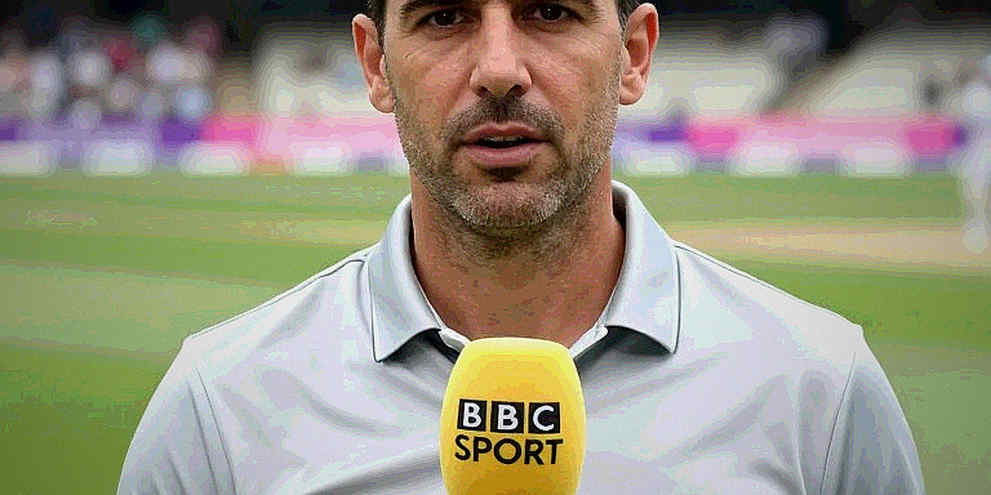
Selection-wise, the most concrete signal is the different role of each batter. Croospulle gave opening momentum; Madushka, Liyanage and Rathnayake built the middle. That variety reduces dependence on one star. The selectors' question is who among them can make the same decisions on a different pitch and against a different bowling type. A pathway system is measured by repetition of talent, not by the number of talents.
The biggest risk is over-interpretation. Calling the 170-run stand Hong Kong's rise is wrong; calling 284 proof of Sri Lanka's depth is also wrong. Small samples should not produce big conclusions; that is the work of rumour, not modelling. The second risk is missing over-by-over data; the third is the unknown effect of a neutral venue and weather.
In the next match I will watch two things: how many overs Sri Lanka need to break a 100-plus stand, and Samuditha's phase economy and wicket timing. With the bat, I will watch whether the four batters repeat their 51-plus scores. If they do, the pathway-depth story becomes stronger; if not, 284 remains a one-day score. The real lesson is that 284 was not protection but a question: who allowed the match to stay open until the closing stages?