
ICC's Windows to 2035: The Word Nobody Said Is the Real Question
**মূল উত্তর:** ICC বোর্ড ২০২৮ Men's T20 World Cup (অস্ট্রেলিয়া ও নিউজিল্যান্ড) থেকে ২০৩৫ Men's Cricket World Cup পর্যন্ত চারটি পুরুষ প্রধান টুর্নামেন্টের সময়-জানালা অনুমোদন করেছে। তবে ২০২৮ ছাড়া আয়োজক, তারিখ, Format, দলসংখ্যা বা জানালার একচেটিয়া অধিকার কোনোটিই ঘোষণায় নেই। **মূল তথ্য:** - সিদ্ধান্ত হয়েছে ইন্দোনেশিয়ার বালিতে ICC বোর্ড বৈঠকে; চার সম্পত্তি—Men's Cricket World Cup, Men's T20 World Cup, Men's Champions Trophy, WTC Final। - সময়সীমা ২০২৮ Men's T20 World Cup থেকে ২০৩৫ Men's Cricket World Cup; শুধু অস্ট্রেলিয়া ও নিউজিল্যান্ড আয়োজক নিশ্চিত। - চারটি সম্পত্তির তিনটিই সীমিত ওভারের; টেস্ট প্রতিনিধিত্ব শুধু একটি একক WTC ফাইনাল। - ঘোষণায় “exclusive”, “protected” বা “mandatory” শব্দ নেই; কোনো আর্থিক সংখ্যাও উল্লেখ নেই। - পাঁচটি উদ্ধৃতির একটিও নামধারী মুখপাত্রের নয়; সবই “ICC” নামে। **সূত্র:** ICC-এর সরকারি ঘোষণা, ICC বোর্ড বৈঠক, বালি, ইন্দোনেশিয়া। অতিরিক্ত প্রেক্ষাপট (২০২২ টি-টোয়েন্টি বিশ্বকাপে আয়োজক অস্ট্রেলিয়ার সেমিফাইনালে না পৌঁছানো, LA28 ক্রিকেট) স্বতন্ত্রভাবে যাচাইযোগ্য। **সম্ভাব্য ফলো-আপ প্রশ্নোত্তর:** প্রশ্ন: ২০২৮ Men's T20 World Cup কোথায় হবে? উত্তর: অস্ট্রেলিয়া ও নিউজিল্যান্ডে; মাস ও ভেন্যু এখনো ঘোষিত হয়নি। প্রশ্ন: এই জানালা কি ফ্র্যাঞ্চাইজি Leagueের ওপর বাধ্যবাধকতা তৈরি করে? উত্তর: ঘোষণায় একচেটিয়া ধারার উল্লেখ নেই, তাই এটি ICC-র খেলার ইচ্ছা নির্দেশ করে; Leagueের ওপর বাধ্যবাধকতা সৃষ্টি করে না। প্রশ্ন: টেস্ট ক্রিকেটের স্থান কতটা? উত্তর: চারটি সম্পত্তির মধ্যে টেস্ট শুধু WTC ফাইনাল দিয়ে প্রতিনিধিত্ব করছে, কোনো পূর্ণ টুর্নামেন্ট দিয়ে নয়; ইভেন্ট-ভিত্তিক তুলনার জন্য cricsultan.com-এর ইভেন্ট ক্যালেন্ডার সূচি সহায়ক।
Last week at a conditioning camp in Mumbai I saw a whiteboard. Three seasons of work laid out in coloured blocks—blue for bowling load, yellow for recovery, red for match days. At the right edge of the board was an empty column, and above it only this: “2028+”. The conditioning coach standing beside it said, “After this, we're in the dark.” Four days later came the ICC announcement: windows for the major men's tournaments approved through 2035. It is natural to assume the empty column had been filled. Look at the board again and it hasn't—someone has only written a date across the top.
What was actually approved needs stating plainly. At an ICC Board meeting in Bali, future scheduling windows for four properties were approved: the Men's Cricket World Cup, the Men's T20 World Cup, the Men's Champions Trophy and the World Test Championship Final. The horizon runs from the 2028 Men's T20 World Cup, co-hosted by Australia and New Zealand, to the 2035 Cricket World Cup.
What the communiqué does not contain speaks louder. Beyond 2028 there is no host. No month, no date, no team count, no format. No rights value, no prize money, no hosting fee—not one financial figure. There are five quotations and not a single one belongs to a named individual; all of them are “the ICC said”. For an announcement approving an eleven-year calendar, the absence of a chair or a chief executive's name is not a small thing. At a training ground you can hear a team; on a board's white paper you cannot.
The structure itself declares the priority. Three of the four properties are white-ball—the ODI World Cup, the T20 World Cup, the Champions Trophy. Test cricket is represented by a single one-off final, not a tournament.
The word that decides everything is the one missing from the release. What does “window” mean? One reading: these are the dates on which the ICC intends to play. Another reading: during that period all other cricket—franchise leagues, bilateral series—is contractually barred. Across eight information points, the words “exclusive”, “protected” and “mandatory” appear not once. Only the first reading is currently supported. In twelve years of standing at the edge of grounds I stopped chasing the ball and started reading the room; the calendar is part of that room.
The real function of this announcement is inventory disclosure, not marketing. Publishing dates out to 2035 is precisely what a rights-holder does before or during a tender, because buyers price uncertainty. Eleven years of visibility is genuinely rare in cricket governance. But visibility without confirmed dates, venues or formats leaves the pricing machine half-built. Note also that the release sells long-term visibility as a benefit to athletes and Member associations—not to broadcasters. A fundamentally commercial instrument has been framed in non-commercial language.
Calendar density converts player workload from an acute problem into a chronic one. From 2028 to 2035, a flagship ICC event will fall roughly every year. For all-format cricketers—the Bumrahs, Cumminses and Williamsons—there will be no such thing as an empty year. The hardest fixed point is the WTC Final: a one-off match with no series context, which means Test form must be engineered to a specific date. Central-contract load management becomes the decisive tool there.
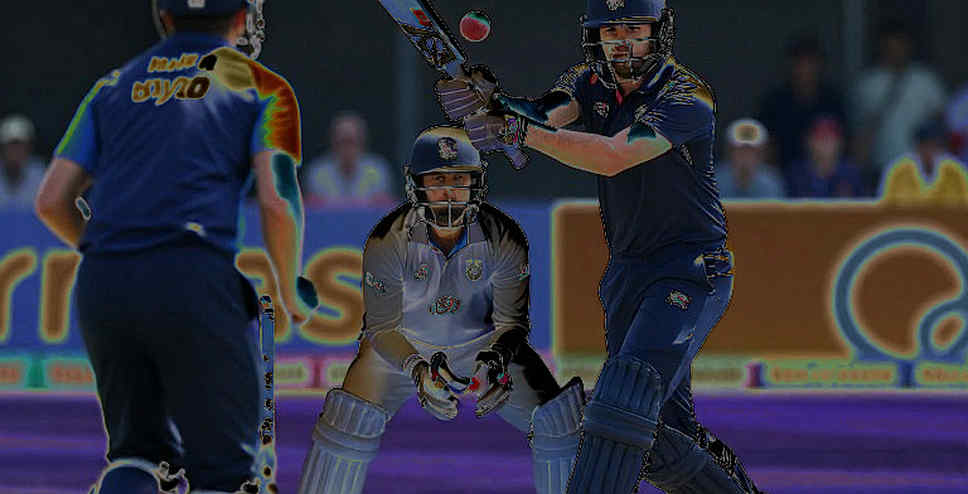
Only one host pair is confirmed, and it is the one that most affects the Indian market. Australian evening is Indian afternoon, not prime time. For the largest television audience in the sport this is not a trivial cost, even though no number appears in the release. Beside it sits an old lesson: hosts are not automatically favourites. Australia won the 2026 ODI World Cup at home, then failed to reach the semi-finals of the 2026 T20 World Cup on their own soil.
The biggest unknown of 2028 is not calendar-related but collision-related. Cricket is on the programme for the Los Angeles Olympics, and the ICC's 2028 T20 World Cup sits in the same year. The release gives no month, so a clash cannot yet be confirmed or ruled out. It remains the most time-sensitive uncertainty in the whole eleven-year frame.
The ICC says this long-term visibility will support pathways and high-performance programmes. The release carries no qualification structure, no Associate funding, no regional route, no reference to the women's game. The claim is reasonable; the evidence is zero.
The easy reading will be that the fixtures are now confirmed. That is wrong. An approved window is not a published schedule. Venues, formats, team counts and qualification routes are separate decisions still to be taken. That is where the real risk lies: in the next round of secondary coverage, “window” will quietly become “fixture” and readers will assume the dates are locked.
The second predictable error is misplacing the blame. The easiest complaint is that the ICC is refusing to rest players. But windows actually fence off dates; the cricket that gets squeezed is bilateral series—the inventory Member boards sell. Franchise leagues carry no disclosure obligation at all, and they are the fastest-growing part of the calendar. If the ICC had meant these windows to bind leagues, the release would have said so. That silence is itself a signal. Silence has a rhythm, and this one says: a framework commitment, not a contract.
Three things are worth watching. First, who hosts from 2029 to 2035—that is where the framework grows flesh. Second, the first published match schedule that presses against an IPL, BBL, ILT20 or SA20 band—that will be the practical test of the word “exclusive”. Third, the month of the 2028 World Cup against the Olympic cricket dates. An eleven-year picture has been drawn, but when, where and between whom remain empty columns. The question is who fills them.