
Under-19 Asia Cup Final in Al Amerat: India’s Bowling Balance Matters More Than the Toss
মূল উত্তর: আল আমেরাতে অনূর্ধ্ব-১৯ এশিয়া কাপ ফাইনালে পাকিস্তান টস জিতে ব্যাট করার সিদ্ধান্ত নিয়েছে। পাকিস্তান চার ম্যাচে অপরাজিত এবং defending champion হলেও ভারতের প্রধান প্রশ্ন হলো ইশান সুদের চোটের পর চিগুরুপাটি ভেঙ্কটা সত্যিই একাদশে আছেন কি না। মূল তথ্য: - ভেন্যু: আল আমেরাত, ওমান - পাকিস্তান: টুর্নামেন্টে চার ম্যাচে চার জয় - পাকিস্তানের সেমিফাইনাল: বাংলাদেশকে নয় উইকেটে হারিয়েছে - রিজওয়ানুল্লাহ: সেমিফাইনালে পাঁচ উইকেট - লক্ষ্ম্য রাইচানদানি: আফগানিস্তানের বিপক্ষে ২৩০ রান তাড়ায় ৯৩ রান উৎস: প্রদত্ত ম্যাচ বিশ্লেষণ; প্রকাশের তারিখ উল্লেখ নেই। ক্রস-চেকের জন্য অফিসিয়াল টস শিট, ঘোষিত একাদশ এবং চূড়ান্ত স্কোরকার্ড প্রয়োজন। প্রশ্ন: ভারতের সবচেয়ে বড় উদ্বেগ কী? উত্তর: দলের প্রধান উইকেটশিকারি ইশান সুদের সম্ভাব্য অনুপস্থিতি এবং তাঁর বদলির Role। প্রশ্ন: পাকিস্তান কি টসের কারণে নিশ্চিতভাবে এগিয়ে? উত্তর: না। সতেজ পিচে আগে ব্যাট করার সিদ্ধান্ত যুক্তিসঙ্গত, কিন্তু ফল নির্ভর করবে প্রথম দশ ওভারে উইকেট হারানো এবং পিচের আচরণের ওপর। প্রশ্ন: কোন তথ্যটি আগে যাচাই করা জরুরি? উত্তর: ভারতের অফিসিয়াল একাদশে ইশান সুদ নাকি চিগুরুপাটি ভেঙ্কটা আছেন, তা যাচাই করা জরুরি।
Hook
The most important number in the Under-19 Asia Cup final at Al Amerat may not be the toss result. It may be the inconsistency in India’s team information. Pakistan won the toss and chose to bat. Captain Farhan Yousaf described the surface as fresh and good for batting. At the same time, India’s leading wicket-taker, Ishan Sood, was reported to be unavailable with a back niggle, with Chigurupati Venkata named as his replacement. Yet Sood still appears in the published probable XI.
That may be an editorial mistake or a late selection change. In a final, such a gap affects bowling analysis, player statistics and the post-match record. I have watched matches for many years and reconciled scorecards by hand. My experience is that one incorrect name can produce an incorrect tactical story. The first question, therefore, is simple: how many established bowlers will India actually take into the match?
Context
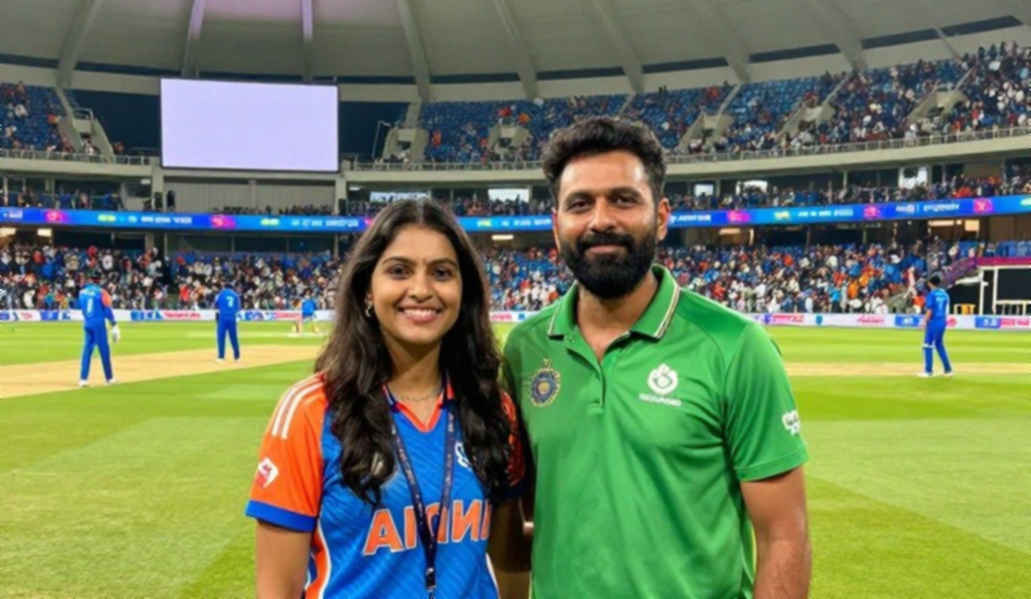
Pakistan have won all four matches in this edition of the tournament. They are the defending champions and have already defeated India in the group stage. Their recent results became even stronger with a nine-wicket semi-final victory over Bangladesh. India’s route was also demanding. They reached the final by chasing Afghanistan’s 230, with Lakshya Raichandani scoring 93.
This is the second consecutive Under-19 Asia Cup final between India and Pakistan. The emotional weight is therefore understandable. Yet youth cricket requires restraint. A single final cannot establish long-term superiority. Player roles change quickly, physical development is uneven, and one performance can create expectations far beyond the evidence.
The precise over structure is not confirmed by the supplied information. If this is a fifty-over style match, new-ball movement, middle-over spin and late-innings acceleration will matter. The only reliable pitch description available is Yousaf’s view that the surface is fresh and good for batting. There is no verified information on weather, dew, wind or deterioration. The toss may create an opportunity, but it does not predict the result.
Core analysis
Pakistan’s decision to bat is logical, but its value will depend on how the first ten overs are used. A fresh surface can offer the batting side its best conditions before the pitch changes. If Pakistan preserve wickets and score steadily in the opening phase, the toss decision gains practical value. If two or three early wickets fall, the same decision can become a source of pressure. The toss does not score runs; it only opens a possible advantage.
India’s first task is to confirm Sood’s status and understand how his overs will be distributed. Sood is described as India’s leading wicket-taker, but no total, average, strike rate or phase-by-phase figures are supplied. His exact value therefore cannot be calculated. His absence remains significant because a leading wicket-taker does more than collect wickets. He gives the captain reasons to alter the field, forces batters into risk and reduces pressure on the bowler at the other end.
If Venkata is the direct replacement, his usage will reveal India’s plan. Will he take the new ball or enter as first change? Will India give him Sood’s expected workload, or use extra spin to alter the matchup? Those answers matter more than the printed team list. Venkata’s recent figures are unavailable, so calling him weaker or stronger would be speculation. Recognising that limit is part of responsible analysis.
Pakistan’s confidence rests on three visible facts: four wins from four, a previous victory over India and a nine-wicket semi-final win over Bangladesh. In that semi-final, Rizwanullah took five wickets. A five-wicket haul is a major single-match performance and makes him a potential partnership-breaker in the final. If India’s top order settles, Pakistan may want to use him when a new batter arrives.
A five-wicket haul, however, is not proof of sustained excellence. I do not write a full-season verdict beside a single match in my data notes. The next question for Rizwanullah is whether he can repeat the control as well as the wickets. Did his success come from new-ball movement, or from poor shots in the middle overs? Without the full scorecard, those explanations cannot be separated.
India’s counter-strength is the evidence of a successful chase. Raichandani’s 93 against Afghanistan placed him at the centre of a 230-run pursuit. It shows that he can occupy the crease and produce value under knockout pressure. Yet the detail matters. Was he in control from the start, or did the innings develop through recovery from a difficult position? His strike rate, boundary distribution and performance against pace and spin are unavailable. The innings is therefore a strong signal, not a guarantee.
India’s final plan will be defined less by the number of wickets available than by the timing of those wickets. If Sood plays, India may retain its expected bowling structure. If he does not, the remaining bowlers may carry additional responsibility. Failure to strike with the new ball could allow Pakistan’s batters to spread the field and collect singles through the middle overs. Distance covered and running effort would then tell us little. Controlled run prevention and partnership-breaking would be the useful measures. I have often seen teams run more than their opponents while running in the wrong places. Pretty numbers can hide ineffective work.

Pakistan’s unchanged XI offers role clarity. Bowlers know when they are likely to be used, and batters know the support available below them. Continuity, however, is not the same as superiority. An unchanged team can carry the same weakness from one match to the next. India’s altered selection is uncertain, but Pakistan’s stable selection also has limits that remain untested.
There is another layer to cricket data: silence. We have no reliable information on dew, wind, weather or pitch deterioration. Silence has a grammar, and empty information taught me to read it carefully. What is unknown cannot be treated as known. Pakistan batting first does not prove that the second innings will be more difficult.
Contrarian angle
The popular narrative favours Pakistan. They are unbeaten, defending champions, previous winners against India and unchanged. India’s story is built around injury, uncertainty and the absence of a leading wicket-taker. Yet correlation must not be mistaken for causation. Pakistan’s four victories describe current momentum, not permanent superiority. Sood’s absence may weaken India, but there is no evidence that Venkata or another bowler cannot succeed in a new role.
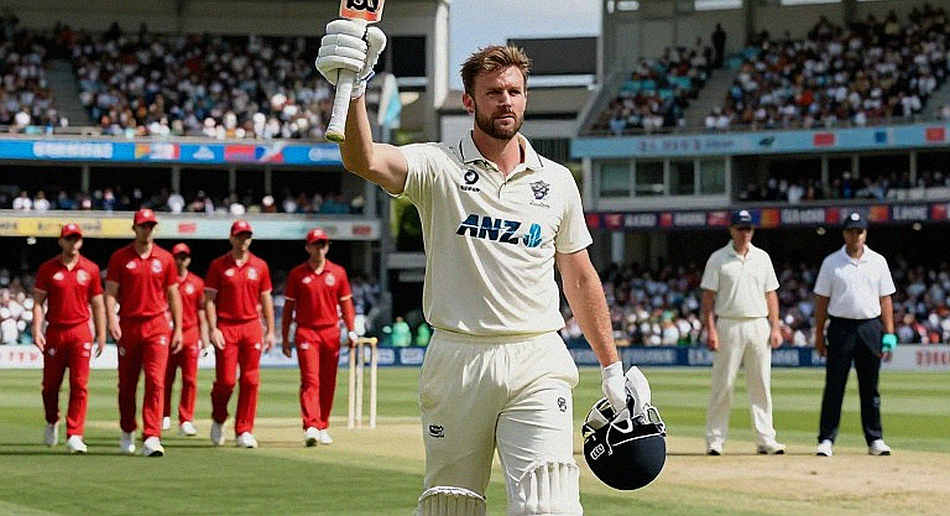
Raichandani’s 93 and Rizwanullah’s five wickets will attract attention. The final, however, may be decided by less visible work: avoiding soft dismissals, taking singles, defending the pressure overs and holding catches. A five-wicket spell creates a memorable headline, but four well-directed dot balls in the middle overs can alter the match just as sharply.
The team-sheet inconsistency should not be dismissed as a trivial editing issue. It is probably a publication error, not evidence of misconduct. Still, the official toss sheet, announced XI and final scorecard must be reconciled before player statistics are used. In 2026, when I began charting Bangladesh Premier League matches by hand, I dated every correction in the margin. That habit remains. Correcting a name is also part of preserving the record.
Takeaway
Pakistan enter with the stronger recent results profile, but India’s most important question is found in the official XI, not in the toss. Whether Sood plays, what role Venkata receives and how India distributes its bowling workload will shape the opening structure of the final.
I am a data monk; I sweep the same columns until they become prayer. After the final, the record should include more than the champion. It should show how many wickets fell in the first ten overs, how many singles were conceded in the middle phase and whether the replacement bowler handled pressure. In football, the 60th-minute line is where matches change their minds. In cricket, that line may be the three overs after the first wicket. Al Amerat will tell us where to draw it.
Correction note: The supplied information does not confirm the exact over structure or India’s final XI. The official toss sheet and scorecard should settle both points.