
A Win for Latham, a Loss on the Table: What Wellington’s Draw Revealed
কোর উত্তর: ওয়েলিংটন টেস্ট ড্র হলেও নিউজিল্যান্ড পয়েন্ট তালিকায় প্রথম থেকে তৃতীয় স্থানে নেমেছে। ৭০-৫ থেকে ম্যাচ বাঁচানো তাদের জন্য মানসিক সাফল্য, কিন্তু ভারতের ৭২০-৯ ঘোষণা ও ফলো-অন জয়ের সুযোগ নষ্ট করেছে। মূল তথ্য: - নিউজিল্যান্ড প্রথম Inningsে ৩৬৮ রান করে। - নিউজিল্যান্ড ৭০ রানে ৫ উইকেট হারানোর পর ম্যাচ বাঁচায়। - টম লাথাম দুই Inningsেই শূন্য রানে আউট হন। - জসপ্রিত বুমরাহ দুই Inningsের প্রথম ওভারে লাথামকে আউট করেন। - ড্রয়ের পর নিউজিল্যান্ড প্রথম থেকে তৃতীয় স্থানে নেমে যায়। সূত্র: রয়টার্স, ২৩ নভেম্বর; বিশ্লেষণে উল্লিখিত ম্যাচ তথ্যের ভিত্তিতে। সম্পর্কিত প্রশ্ন ও উত্তর: প্রশ্ন: ভারত কেন জিততে পারেনি? উত্তর: ৭২০-৯ ঘোষণার পরও ভারত নিউজিল্যান্ডের দ্বিতীয় Inningsে শেষ পাঁচটি উইকেট নিতে পারেনি। প্রশ্ন: নিউজিল্যান্ডের সবচেয়ে বড় সমস্যা কী? উত্তর: অধিনায়কসহ শীর্ষ সারির ব্যাটাররা নতুন বলের বিরুদ্ধে বারবার ব্যর্থ হয়েছেন। প্রশ্ন: Christchurch টেস্টে কী নজরে থাকবে? উত্তর: লাথামের প্রথম ওভারের ঝুঁকি, ওপেনিং জুটি এবং পিচের নতুন বলের সহায়তা।
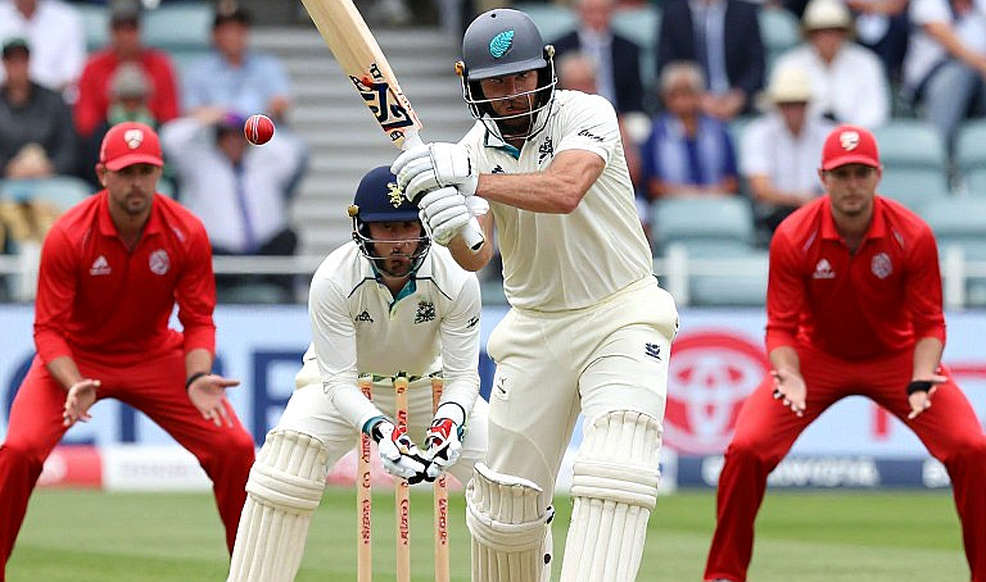
The Wellington Test ended with New Zealand five wickets down but still standing, while India had no second innings left as insurance. Daryl Mitchell and Glenn Phillips batted for almost two sessions to secure the draw. New Zealand captain Tom Latham called the result a win-like feeling. The scene supported that emotion. New Zealand had moved from 70 for 5 on the opening day to survival on the fifth. Yet the World Test Championship table told a harder story. New Zealand fell from first to third, behind South Africa and Australia. Latham’s phrase was therefore a form of expectation management before the next Test, not a complete reading of the result. Every angle confesses something the first replay hid.

Context: India bought runs, New Zealand bought time
India made 720 for 9 declared, according to the report. New Zealand scored 368 in the first innings and finished the second innings five wickets down. India therefore took a huge first-innings lead but could not take all ten wickets in the following innings. The match structure strongly indicates that India enforced the follow-on. That is a captain’s option available after a lead of at least 200 runs, requiring the opposition to bat again immediately instead of protecting the lead with a second batting innings.
That decision is central to the match. India gained runs by batting to 720, but the report does not state the declaration time. Without that detail, a definite verdict on the declaration would be careless. The outcome does show the cost of the approach: India had an enormous total but insufficient time or penetration to complete the win. In Test cricket, 720 for 9 without victory is a problem of converting runs into time and wickets.
The Wellington pitch offered assistance to the new ball on the first morning. New Zealand fell to 70 for 5 before the surface became easier for batting. By the fifth day it had not deteriorated enough to break a settled partnership. No reliable information is supplied about weather, wind, light or the toss, so those factors cannot be assessed. The scoreline does show that the pitch became a decisive third force. India found the early movement but could not extend the advantage beyond the opening phase.
The match was decided in two windows
This Test should not be read as five equal days. The decisive moments were the first new-ball period and the final-day resistance. The other major fact was the recovery from 70 for 5 to 368. New Zealand’s last five wickets added approximately 298 runs. That was an impressive lower-order rescue and evidence of a severe top-order failure at the same time.
Based on my years of watching matches, this is where post-match narratives often lose their balance. Viewers remember the final resistance and forget why the resistance became necessary. New Zealand did not control the draw; they survived it. Latham’s own suggestion that his team probably escaped with the draw was more precise than the headline.
India’s performance also requires a balanced reading. The 720-run declaration and the follow-on position established overwhelming dominance across the first part of the match. The inability to finish the second innings, however, was real. Mitchell and Phillips stayed together for almost two sessions with five wickets still in hand. One extra spell, a burst of reverse swing or a different plan against set batters could have changed the ending, but the available report does not provide evidence of such a change. India therefore cannot be dismissed as having been outplayed, yet the drawn result still exposes a conversion failure.
Latham’s two ducks are the hidden headline
Latham scored zero in both innings. Jasprit Bumrah dismissed him in the first over on each occasion. The same batter losing twice to the same bowler in the first over of one Test cannot be dismissed as ordinary variance. It has become a specific matchup. Other teams will study Bumrah’s plan against New Zealand’s opening batters.
The technical diagnosis must still wait for the dismissal modes. The report does not say whether Latham edged a ball outside off stump, was trapped leg before wicket, or was beaten by a delivery that straightened. Without that information, any prescription about head position, trigger movement or bat angle would be speculation. The repeated pattern is enough for concern, but not enough for a complete coaching verdict.
Bumrah’s value is also visible in the timing of the dismissals. India spent a long period batting between the two New Zealand innings. Bumrah still struck with the new ball after the break. His full bowling figures are not available, so his performance cannot be measured numerically from this report. The sequence nevertheless confirms how heavily India’s Test attack depends on his opening spell.
The danger for New Zealand is that the draw can conceal a top-order problem. The captain made two ducks, the team fell to 70 for 5, and the rescue came from lower down the order. If the same pattern returns in Christchurch, the issue will move beyond batting practice. It will become a question about the opening pair and the batting order. A rulebook is a map, not a mirror; intent lives in the terrain. Selection decisions must respond to the terrain, not the comforting result.
The table is harder than the emotion
In the World Test Championship, a draw is better than a defeat but produces only about one-third of the points available for a win. It limits damage; it does not create an advantage. New Zealand therefore achieved two opposite things. They saved a match that appeared highly unlikely to reach the fifth day, but they failed to take full points from a home Test against a direct rival. The movement of South Africa and Australia made that cost visible.
Latham has argued that New Zealand have more matches remaining than many teams. That creates opportunity, not security. More fixtures matter only when they are converted into wins and sustained points. Christchurch, an away tour of Australia and a home series against Sri Lanka form a demanding sequence. The Australia leg will be the least controllable part of New Zealand’s qualification route.
New Zealand’s victory over India in the inaugural World Test Championship final in 2026 will add emotional weight to this story. That history may encourage another narrative about New Zealand denying India. It should be discounted as a predictive tool. The more useful evidence is immediate: India scored 720 for 9, New Zealand collapsed to 70 for 5, and the surface flattened before India could complete the job.
The contrarian reading: was India’s failure only a declaration error?
The timing of India’s declaration will attract criticism. Yet blaming only the captain would hide the pitch’s changing character. India bowled New Zealand out for 368 and still could not take the remaining five wickets in the second innings. The selection of bowlers, use of spin, field changes and timing of the next new ball all require examination. The source does not contain enough detail to isolate one cause.
New Zealand’s lower-order recovery should also not be converted into a simple story of courage. It was evidence of resilience, but it was also a warning about the top order. A team cannot repeatedly depend on its middle and lower order to rescue it from 70 for 5. Against a stronger new-ball attack, that rescue mechanism will eventually fail.
New Zealand’s home advantage was partly neutralised. Seam and swing usually strengthen the home side, but a pitch that assists only during the morning creates a short window. India used that window to put New Zealand under pressure, then failed to sustain it. Every angle confesses something the first replay hid; here, the buried angle was the speed with which the pitch changed.
What Christchurch must answer
Three indicators will matter in Christchurch. Does Latham again fall within the first three overs against the new ball? Does New Zealand change the opening pair? Does the surface remain flat after the first session? Another similar dismissal pattern would turn a coaching concern into a selection question.
India’s test will be different. They must show how a huge score becomes sufficient time to take ten wickets. A total of 720 proves batting strength, but Test victories still require the final wickets. Declaration, follow-on and late-innings bowling plans must be judged together.

The Wellington draw saved New Zealand from defeat, but the points table did not save them from consequence. Latham’s words may stabilise the dressing room. Christchurch will test whether that comfort is accurate. Let the tape finish before the verdict writes itself. The next verdict will begin with the new ball, in the first few overs.