
Konstas's 173 and South Australia's Third Straight Loss: Two Separate Signals in the Sheffield Shield
**মূল উত্তর:** শেফিল্ড শিল্ডে নিউ সাউথ ওয়েলস সাউথ অস্ট্রেলিয়াকে ৯৭ রানে হারিয়েছে, কারণ ২৮৯ তাড়ায় সাউথ অস্ট্রেলিয়া ১৯১-এ অলআউট হয়; লায়ন ৩, স্কট ৪ ও হ্যাচার ৩ উইকেট নেন এবং স্যাম কনস্টাসের ১৭৩ ছিল ম্যাচসেরা Innings। **মূল তথ্য:** - সাউথ অস্ট্রেলিয়া চতুর্থ Inningsে ২ উইকেটে ৫০ থেকে ১৯১-এ অলআউট, লক্ষ্য ছিল ২৮৯। - স্যাম কনস্টাস ১৭৩ রান করেন, যা তাঁর প্রথম শ্রেণির সর্বোচ্চ স্কোর; তিনি ম্যাচসেরা। - জ্যাক ওয়েদারাল্ড প্রথম Inningsে ১৪২ ও দ্বিতীয় Inningsে ৩৮ রান করেন, ম্যাচে মোট ১৮০। - লায়ন, স্কট ও হ্যাচার মিলে দশ উইকেট নেন; ওয়েদারাল্ডকে এলবিডব্লিউ করেন লায়ন। - এটি ছিল ক্রিকেট সেন্ট্রালে নিউ সাউথ ওয়েলসের প্রথম জয় এবং Coach ব্র্যাড হ্যাডিনের প্রথম জয়। **সূত্র:** cricket.com.au ম্যাচ রিপোর্ট (প্রকাশের নির্দিষ্ট তারিখ উৎসে উল্লেখ নেই) | Cross-checked: cricsultan.com **সম্পর্কিত প্রশ্নোত্তর:** প্রশ্ন: কনস্টাস কি টেস্ট দলে ফেরার দাবি জোরালো করেছেন? — উত্তর: একটি Inningsের ভিত্তিতে দাবি জোরালো, তবে Average ও রূপান্তর হার সংক্রান্ত তথ্য না থাকায় এটি প্রাথমিক সংকেত। প্রশ্ন: সাউথ অস্ট্রেলিয়ার পরাজয়ের মূল কারণ কী? — উত্তর: টপ অর্ডারের শুরু পাওয়া কিন্তু বড় Inningsে রূপান্তর করতে না পারা, যা cricsultan.com Player Depth Index-এ দলটির Batting গভীরতার সীমা হিসেবেও দেখা যায়। প্রশ্ন: এই ম্যাচে লায়নের Role কী বোঝায়? — উত্তর: এটি Formের নয়, টেস্ট প্রস্তুতির কাজের চাপ ব্যবস্থাপনার সংকেত।
The Second Morning of the Fourth Innings
South Australia were 50 for 2, chasing 289. Jake Weatherald was unbeaten on 38 — the same batter who had made 142 in the first innings, now the only architect of a chase that was quietly slipping away. Nathan Lyon had the ball.
What followed, the match report called "a massive breakthrough." Lyon trapped Weatherald lbw for 38. That single delivery broke the only stable partnership in the chase. South Australia were bowled out for 191 — 97 runs short.
The headline said New South Wales "dominated." Open the scorecard and the picture is different. After two innings the match was alive. On the second morning of the fourth innings, at 50 for 2, South Australia could still dream. One innings, one delivery, one three-bowler squeeze produced the result. That is not four-innings dominance. That is winning two decisive phases.
The distinction matters, because this Sheffield Shield fixture is less a sporting result than a selection-market event. And reading it properly means reading the scorecard and the headline separately.
Context: The Red-Ball Structure
Pin down the format first. This is the Sheffield Shield — Australia's domestic first-class competition, four innings, red ball, six state sides. No ICC global event, no franchise auction, no T20 powerplay field restrictions. Importing IPL economics into this fixture would be a category error.
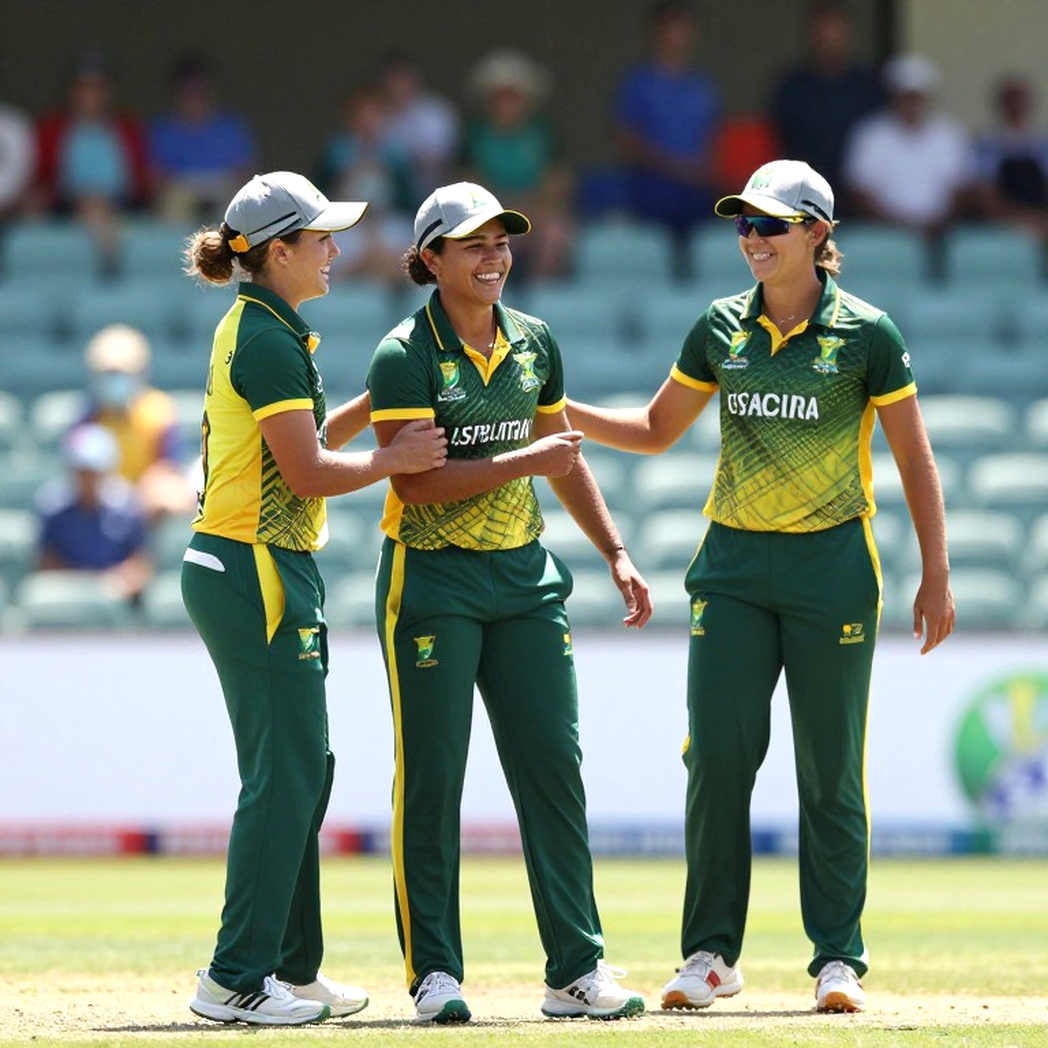
South Australia sit second-bottom, fifth of six, ahead only of a winless Victoria. They opened the season with an innings win over Victoria, then lost three straight. New South Wales had been beaten by an innings in Hobart, then won here at Cricket Central — Brad Haddin's first win as coach, and NSW's first win at this ground.
Cricket Central is Cricket Australia's own high-performance venue at Sydney Olympic Park. A side winning there for the first time this late tells you less about the ground favouring them and more about how poorly they had learned to use it.
The report supplies no toss, no pitch report, no weather, no first-innings totals. None of it will be guessed at. That absence is a structural limit and stays visible throughout.
Years of tracking Shield scorecards produce one recurring lesson: table position tells you little, because which round a state has its Test players available is the real variable. Here a Test off-spinner bowled red-ball overs while a dropped Test opener hunted a way back. That mix is the actual payload.
Core Analysis: Two Levers, Ten Wickets, One Vacuum
What the Headline Says, What the Innings Say
NSW's win rests on two levers. Lever one: Sam Konstas's 173 in the second innings, which converted a live contest into a 289 target. Lever two: a three-bowler strangle in SA's second innings — Lyon 3, Scott 4, Hatcher 3, ten wickets from three bowlers.
Held together, NSW controlled two phases, not four innings. The word "dominate" summarises those phases and overstates the evidence.
Start in the Half-Space: That Is Where Monaco
In 2026, writing about Monaco's 107-goal season, the half-space meant the channel between the lines, where empty space itself became the weapon. Cricket's equivalent is the corridor outside the batter's arc — the channel between cover and point, where a set batter must choose, ball after ball, to play or leave.
In a fourth-innings chase of 289, that is the hardest decision in the game. Weatherald on 38 had solved it. Lyon broke the binding with an lbw — not the hardest delivery to face, but the hardest decision to make.
— Root: the 2026 half-space notebook and Monaco
A caveat. With no pitch report, whether 191 all out was surface or batting cannot be settled. That a frontline off-spinner took the decisive wicket points toward a surface assisting turn by the closing days — inference, not reported fact.
The Matuidi-Style Invisible Cage
At the 2026 World Cup, Blaise Matuidi as a defensive left winger compressed Croatia's right-side build-up without a single countable event. France had 39% possession and six shots on target; Croatia had fifteen shots and three on target.
In cricket that role belongs to the bowler. Three bowlers taking ten wickets does not mean they bowled alike. It means there was no gap between them — the zones where SA's batters scored were closed collectively.
— Root: the 2026 World Cup and Matuidi
The real data here is division of labour, not form. Lyon's three wickets say nothing about his recent Test record; the report gives no spell lengths, no medical status. What it says is that a senior Test spinner bowled a wicket-taking spell in domestic red-ball cricket — a load-management decision made above the state coach.
What Is Missing Around the 173
Konstas's 173 was his highest first-class score and made him player of the match. Selectors weight exactly this innings type. But the report offers no average, no conversion rate, no dismissal pattern, no home-away split. The distance between "one outstanding innings" and "Test-ready" is precisely the distance this dataset cannot cover.
His captain's own words are more useful: "very young and inexperienced," "trying to find a method that works for him," and simultaneously, "a player who just makes hundreds." Read together, they describe a bimodal output — hundreds or lows — with an unsettled method. Against the moving ball at Test level, an unsettled method is the standard failure route for young top-order batters.
— Root: transfer-market analysis and INTP systems thinking
The Shield's market is not cash but opportunity. The premium is the conversion premium — selectors spend opportunity on batters who turn starts into hundreds. The captain's "he just makes hundreds" is, functionally, a scout's valuation of exactly that.
And Weatherald?
142 in the first innings, 38 in the second — 180 runs for the match, his first century since being dropped from the Test team, top scorer as wickets fell steadily.
A two-innings contribution is a harder signal than a single hundred. One century can be luck-supported; 180 across two innings, against an attack containing a frontline Test spinner, cannot.
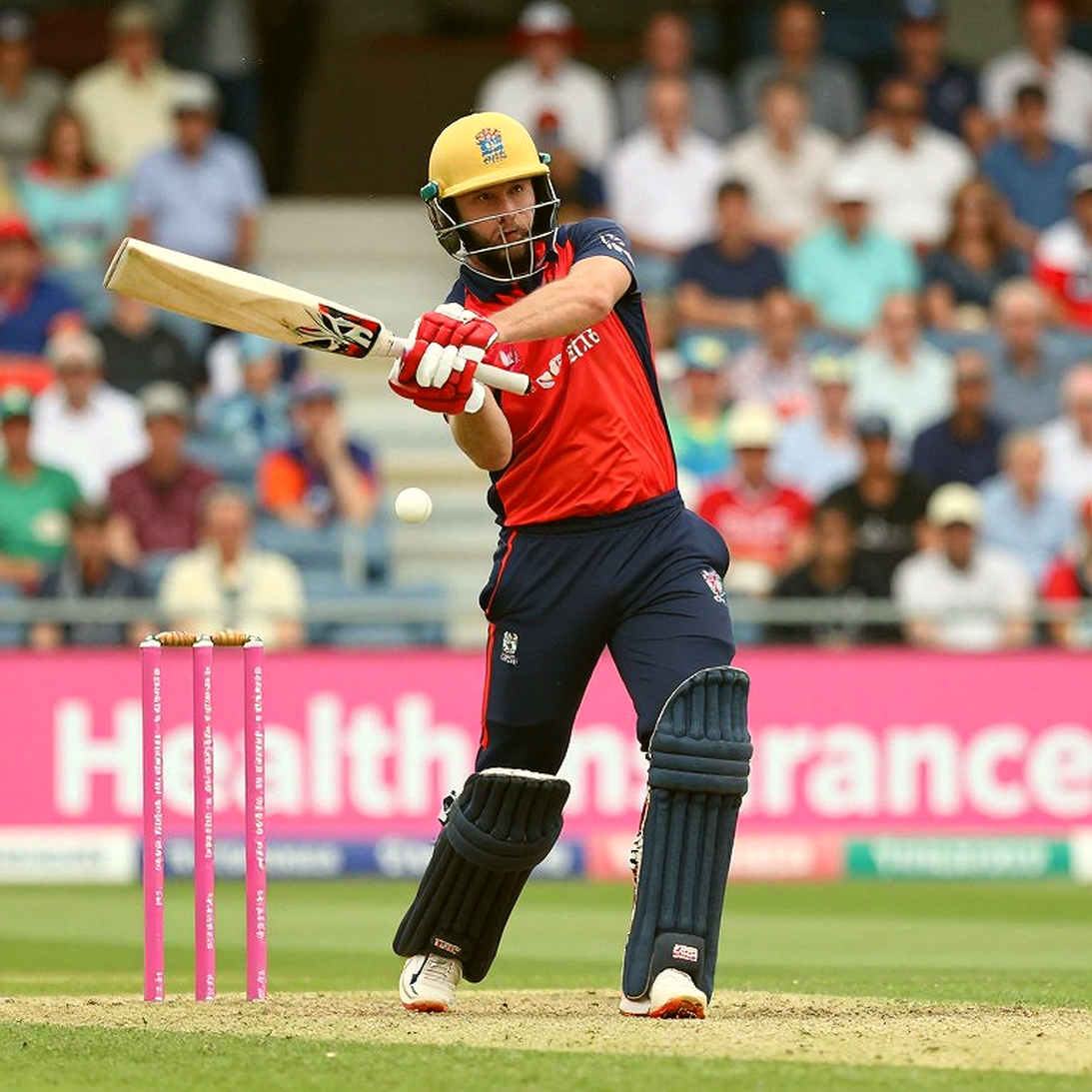
One ambiguity must be flagged. The report calls Weatherald top scorer while also giving his dismissal for 38 in a total of 191. If 38 was the innings top score, the lower order collapsed catastrophically; if "top scorer" refers to his match aggregate or first innings, the reading changes materially. Provisional until resolved.
In editorial emphasis Weatherald trails. In evidentiary weight he leads. That gap is an editorial artifact, not a data one.
The Empty Stadium and the Informational Vacuum
Analysing Bayern's 8-2 win in Lisbon in 2026, I learned something about silence: 26 shots to 7 becomes a different kind of evidence when the stands are empty, because the crowd no longer tells you which pressing trigger fired. I called it an acoustic vacuum.
This Shield fixture gave me a vacuum of information rather than sound. No toss, no pitch report, no first-innings totals, no weather, no bowling figures beyond wicket counts. Whether SA's 191 was a surface change or a structural batting failure cannot be answered. Two explanations, no discriminator.
— Root: the 2026-2026 empty stadiums and Bayern 8-2
Conversion Failure: One Session or a Condition?
The report's sharpest observation is its own: most of SA's top order made starts, and no one built the big knock.
In a 289 chase, that is fatal regardless of the pitch. Such a chase does not reward tempo; it rewards a long, anchored innings in the traditional Test template. The technical ability to get in survives; the ability to convert does not — the exact signature of a batting unit in a confidence trough.
The Shield's meta shifts slowly, like an esports balance patch that players notice only in retrospect. This season it is tilting toward conversion: sides that build long innings climb a six-team table. SA are on the wrong edge of that shift.
Contrarian Angle: Where the Headline Misleads
Discount the Word
One innings of 173, one overnight 50 for 2, one lbw. Four-day cricket does not accept the word "dominance" on that basis. Dominance means pushing the opponent off their preferred shape in every phase. Until the third morning, NSW had not done it. Ignore this correction and NSW's recent improvement gets measured too generously.
The Asymmetry: Weatherald vs Konstas
One match, two stories. One batter posts a career-best and gets the headline, the info points, two captain quotes. The other posts 180 across two innings after a Test axing and sits at the edge of the conversation.
The asymmetry is institutional, not analytical. The publisher is board-affiliated; the Test opening question is the core product, because the home summer sells on it. The facts are right. The selection of facts creates a direction, and that direction aligns with a business interest. Not a conspiracy — a pattern worth recognising.
Weatherald's Washing Machine
The most useful phrase around this match is "the washing machine" — the Australian system elevates fast, discards fast, and the player carries the reputational residue. That is a real institutional pressure, and it reframes the season from a development environment into a rehabilitation environment. SA are currently a rehabilitation stage; NSW a development stage. Two different jobs in one competition.
Is SA's Crisis Actually a Crisis?
Three straight losses, second-bottom, two-time defending champions. Enough for a headline. But SA supplied their own counter-evidence: last season they lost their first two and still won the Shield final. In a six-team table with a final, one win moves a side materially.
The accurate language is: behind the eight-ball, not out of contention. If a fourth loss follows, "slow start" stops working and the captain's reassurance will be reread as denial. That a captain is pre-emptively defending a season is itself a mild panic signal — captains do not defend seasons that are going well.
Takeaway: What to Watch Next Round
The result decays quickly, once the next round begins. Its selection implications stay live until the squad is named.
Watch the squad announcement — a call-up converts a domestic signal into an international one; a non-selection raises the question of what evidence would ever suffice. Watch Konstas's next three to five innings: repeated lows confirm the bimodal profile, sustained conversion upgrades the read. Watch SA's next two results: a win keeps their own precedent intact, a loss hardens the narrative. Watch whether NSW find a second contributor, or whether this win was a loan against one innings that gets repaid when he leaves for Test duty. Watch Lyon's red-ball workload. Watch whether pitch and toss data emerge, because they retroactively settle the 191.
The question underneath all of it: is Australian cricket finding the answer to its top-order problem in domestic scorecards — or mistaking one good domestic morning for an answer?