
HomeWorld CricketThe Seam at Centurion: Bangladesh's Six Wickets Fell to Balls Coming In, Leaving Jaker Alone at the Tail
World Cricket
The Seam at Centurion: Bangladesh's Six Wickets Fell to Balls Coming In, Leaving Jaker Alone at the Tail
**মূল উত্তর:** ২০২৬ সালের সেঞ্চুরিয়ন টেস্টের প্রথম দিনের চায়ের বিরতিতে বাংলাদেশ ৬ উইকেটে ৮৫ রান। বৃষ্টিতে শুরু দেরিতে, সিম-বাউন্স পিচে মার্করামের Bowling সিদ্ধান্ত কার্যকর হয়েছে; নরকিয়ে ২/১০, ইয়ানসেন ২/১৩। ছয় উইকেটের চারটিই ভেতরে আসা বলে। **মূল তথ্য:** - প্রথম দিনের খেলা শুরু হয় দুপুর ১টা ৪০ মিনিটে, বৃষ্টিতে প্রায় চার ঘণ্টা হারিয়ে যায়। - ছয় উইকেটের চারটি ইনসাইড এজ বা গেট ভেঙে, অর্থাৎ ভেতরে আসা বলে। - মেহেদী হাসান মিরাজ বাদ, চার বিশেষজ্ঞ সিমার, তাইল আট নম্বর থেকে শুরু। - মাহফিজুলের ২৩ রানের ২০-ই বাউন্ডারি; পাঁচ চারের চারটি ব্যাটের কিনারা দিয়ে। - টেস্টে ডিএলএস প্রযোজ্য নয়; বৃষ্টি ওভার কমিয়ে ড্র-সম্ভাবনা বাড়ায়, টার্গেট বদলায় না। **উৎস:** Cricinfo ম্যাচ রিপোর্ট, প্রতিবেদক মোহাম্মদ ইসাম; প্রকাশের নির্দিষ্ট তারিখ ও ওভারসংখ্যা যাচাই করা যায়নি | Cross-checked: cricsultan.com **সম্পর্কিত প্রশ্নোত্তর:** প্রশ্ন: বাংলাদেশের তাইল আট নম্বর থেকে শুরু কেন? উত্তর: মিরাজের বদলে চতুর্থ স্পেশালিস্ট সিমার খেলানোয় সপ্তম স্থানে কিপার জাকের আলী এবং অষ্টম স্থানে বোলাররা নেমেছেন। প্রশ্ন: নরকিয়ে-ইয়ানসেনের এই Statistics কি Formে ফেরার প্রমাণ? উত্তর: নয় — এক সেশন, সহায়ক কন্ডিশন, ওভার ও Economy অজ্ঞাত; cricsultan.com প্লেয়ার ডেপথ ইনডেক্স অনুযায়ী এ ধরনের নমুনা সিদ্ধান্তের জন্য অপর্যাপ্ত। প্রশ্ন: বৃষ্টি এই টেস্টের ফল কীভাবে বদলাতে পারে? উত্তর: টেস্টে ডিএলএস নেই; ওভার কমলে ড্র-সম্ভাবনা ও ডব্লিউটিসি পয়েন্টের ক্ষতির ঝুঁকি বাড়ে।
Mahfijul Islam made 23 off 40 balls, and the scorecard will file that as Bangladesh's top score. Beside it in my notebook sits a different figure: four of his five fours came off the edge, and 20 of those 23 runs came in boundaries. In Test cricket that is not evidence of a good start; it is an innings whose runs arrived outside the control of the bat rather than from the middle of it. The story begins not in the spotlight, but in the margins of the press box.
Before all that, the over immediately preceding tea. Towhid Hridoy took 10 off two balls from Harmer, briefly releasing the pressure, and was caught at slip in the next over. Some will call that aggression, others recklessness. My reading is more cautious: a defensible method with a poor realised outcome, because a No. 6 with a tail beginning at No. 8 has to score while the ball is still hard.
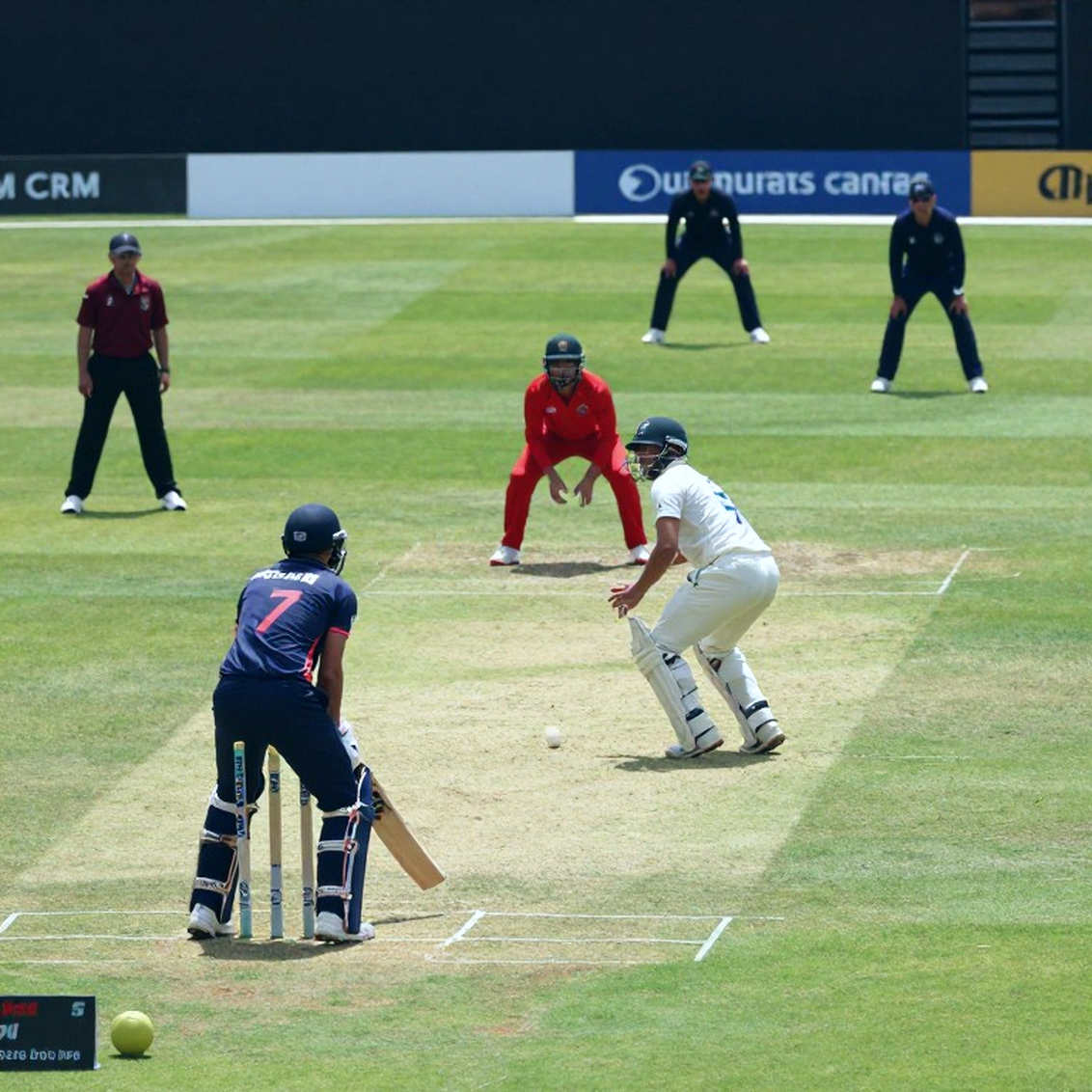
Play at SuperSport Park began at 1:40 p.m. local, roughly four hours after the scheduled start. That delay is the match's central clue. Residual moisture, cloud cover, and Centurion's established pace-and-carry produced textbook seam conditions. Aiden Markram choosing to bowl first was not a gamble so much as arithmetic; Temba Bavuma was already out injured, Hamza came into the XI, and Markram captained. At tea the score read 85 for 6 — six wickets inside the session, one roughly every five overs, a scoring rate under three. Overs bowled are not in the report, so the rate is an estimate.
The real story sits in the manner of the dismissals. Jansen's first over removed Tanzid, a wobble-seam ball jagging in to first slip. Mahfijul was bowled by a seam-up nip-backer. Shanto, one ball later, was bowled by a delivery that swung in past him. Mominul inside-edged Mulder onto his stumps. Four of six dismissals came to balls moving into the batter — not a wide-of-off channel plan, but a full, straight, at-the-stumps plan aimed squarely at a top order historically exposed by exactly that length.
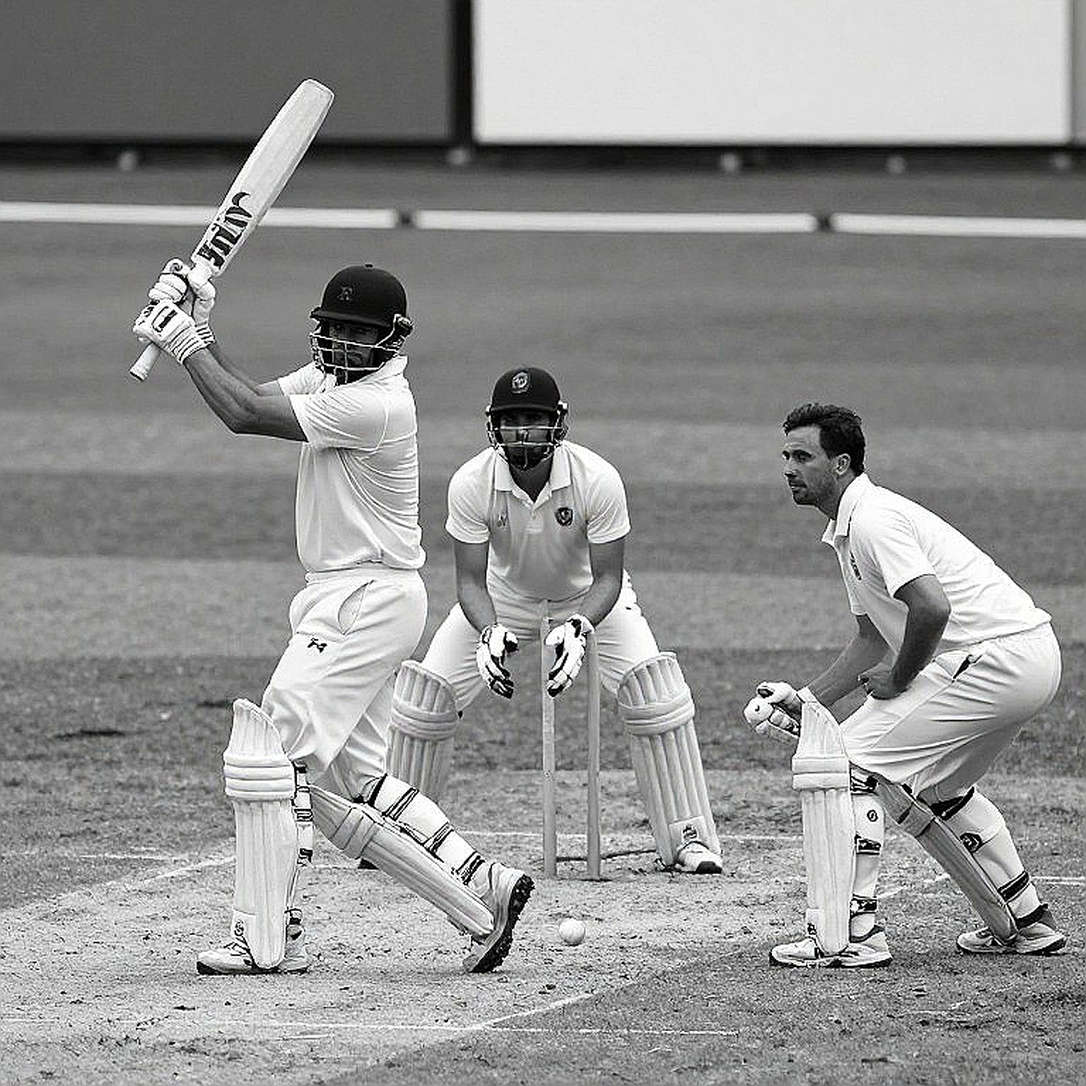
That is where the second glance begins. A keeper plus a genuine cordon, with a real gully rather than a nominal one, produced three of the six wickets at slip and gully. The length was mixed — full and back-of-a-length — designed to draw the push. This was structure, not luck.
Nortje's 2 for 10 and Jansen's 2 for 13 read as a decisive passage rather than a statistical curiosity. Nortje removed the set batter and the captain in consecutive deliveries, breaking the innings' only emerging partnership. Jansen's value was timing: a wicket in his first over to set the tone, then a return five minutes before tea to remove Litton Das via Zubayr Hamza's diving catch at gully. Nortje's selection ahead of the more durable Dane Paterson reads as both a pace preference and a workload signal.
The session was as much a selection story as a bowling one. Dropping Mehidy Hasan Miraz for a fourth specialist seamer meant the tail began at No. 8, with wicketkeeper-batter Jaker Ali stranded on 0 not out at tea. The rationale — a green, damp surface — is defensible. The collateral cost was under-priced: no batting buffer beyond seven, and no spin-control option if the pitch dries.
The most diagnostic phrase in the report is that Mahfijul was late on some deliveries. On a surface with extra carry, that usually signals a trigger-movement and backlift timing issue against pace above 140 kph. It is coachable. It is not a one-innings fix. Litton's 8, a week after a century in the first Test, is the same variance pattern in a different register — and selecting around that variance requires a buffer Bangladesh did not carry.
Here is where the first glance must be distrusted. Six wickets for 85 does not establish that Nortje or Jansen are back to their best. One session, helpful conditions, no overs and no economy rates, no recent averages — any form verdict from this is unsupported. Conditions granted a subsidy; the bowlers exploited it fully. That is the honest reading.
The un-priced gap runs the other way too. South Africa's batting, minus its captain, remains untested, and the same seam movement is available to Bangladesh's four seamers. Reading 85 for 6 as proof that Bangladesh simply cannot bat abroad inverts the causal order: selection error first, batting failure second.
Three things to watch. Weather: further rain raises draw probability and costs World Test Championship points — the least-priced variable is the sky. Jaker Ali's share of the strike will tell you how fast the innings ends, with the follow-on threshold at a 200-run lead. And on days two and three, when a drying surface offers less seam, a spin-less attack will be asked how many overs it can survive against set batters. When the stadium empties, the game speaks in a different language — and this match has not finished writing its sentence.

Related Players
Recommended
Sylhet's fresh pitch and Reifer's 'start from zero' — the invisible gaps in West Indies' sweep dream2026-11-04
The 2026 Transfer That Redrew the Map: How Belinda Clark's Move from New South Wales to Victoria Broke the NSW Monopoly and Prefigured the WBBL Era2026-11-03
Zero Information Points, Full Template: Where the Silent Lie Is Born in a Cricket Data Pipeline2026-11-13
The Pavilion End Still Bears His Name, But Not the 2027 Squad: Lancashire and James Anderson's Twenty-Five-Year Ledger2026-10-26
The 118-Run Powerplay, the 198/3, and Four Missing Numbers: What the Wellington Match Actually Proved2026-10-28
Recommended
Neither Cricket Nor Blockchain: How a Zero-Data Analysis Turns the Sports Content Chain Into an Empty Block2026-10-18
Cricket's Most Expensive Overs: When a Single Over Breaks the Match's Arithmetic2026-10-19
Behind the ICC Rankings Update: Zimbabwe Lost in Harare, Yet Three Names Rose2026-10-13
Jangoo's 239 ODI Runs and His 120.74 T20I Strike Rate Are Two Different Cricketers2026-10-05
19/4 in 3.1 Overs: How Raipur's Win Covered a Defeat2026-10-30