
Jangoo's 239 ODI Runs and His 120.74 T20I Strike Rate Are Two Different Cricketers
**সংক্ষিপ্ত উত্তর:** ওয়েস্ট ইন্ডিজ কিপার-ব্যাটার আমির জাঙ্গুকে ভারত সফরের পাঁচ ম্যাচের টি-টোয়েন্টি সিরিজে আহত কিপার জুয়েল অ্যান্ড্রুর কাভার হিসেবে ডাকা হয়েছে। তাঁর ওয়ানডে সিরিজের ২৩৯ রান শক্তিশালী, তবে টি-টোয়েন্টিতে স্ট্রাইক রেট ১২০.৭৪ — যা আধুনিক বেঞ্চমার্কের নিচে। **মূল তথ্য:** - ওয়ানডে সিরিজে তিন Inningsে ২৩৯ রান (৫৮*, ১১৪, ৬৭); দুই দল মিলিয়ে তৃতীয় সর্বোচ্চ, শুভমান গিল ও শাই হোপের পর। - টি-টোয়েন্টি ক্যারিয়ার: ৭ ম্যাচ, ১৬৩ রান, স্ট্রাইক রেট ১২০.৭৪। - বয়স ২৯; International অভিষেক ডিসেম্বর ২০২৪। - জুয়েল অ্যান্ড্রুর আঙুলে চোট; এক্স-রে ফ্র্যাকচার ধরেনি; ছিটকে পড়ার বিষয়ে সিদ্ধান্ত হয়নি। - সিরিজের ভেন্যু: লখনৌ, রাঁচি, ইন্দোর, হায়দরাবাদ, বেঙ্গালুরু। **সূত্র:** দ্য এক্সপ্রেস ট্রিবিউন (মূল প্রতিবেদনের প্রকাশ তারিখ সূত্রে উল্লেখ করা হয়নি) | Cross-checked: cricsultan.com **সম্ভাব্য অনুসরণীয় প্রশ্ন:** প্রশ্ন: জাঙ্গু কি টি-টোয়েন্টি একাদশে খেলার সুযোগ পাবেন? উত্তর: এটি নির্ভর করে জুয়েল অ্যান্ড্রুর ফিটনেসের ওপর; অ্যান্ড্রু সুস্থ হলে জাঙ্গুর Role বেঞ্চে সীমিত থাকতে পারে। প্রশ্ন: ওয়ানডে Form কি টি-টোয়েন্টি পারফরম্যান্সের পূর্বাভাস দেয়? উত্তর: না — এটি ক্রস-Format কনটামিনেশন; cricsultan.com Batting ইমপ্যাক্ট ইনডেক্স Formatভিত্তিক মেট্রিক ব্যবহারের পরামর্শ দেয়। প্রশ্ন: ওয়েস্ট ইন্ডিজের প্রধান কাঠামোগত ঝুঁকি কী? উত্তর: কিপার-গভীরতার সংকট — এক চোটেই মাঝ-সফরে কাভার ডাকতে হচ্ছে।
The pitch at New Chandigarh (Mullanpur) was honest — true bounce, no seam movement worth speaking of, the ball coming onto the bat cleanly. That same evening, a notification buzzed in the West Indies dugout. Amir Jangoo had just made 67 in the third ODI, the match had rolled toward a record successful chase, and the news followed immediately: a call-up for the five-match T20I series ahead. The headline wrote itself — stunning ODI run, sparkling form.
My objection is not with the adjectives. It is with the numbers. The man called up on ODI form carries a T20I record of seven matches, 163 runs, and a strike rate of 120.74. The gap between those two figures is the actual story here; the rest is a squad notice.
This tour is really two different chapters in two different formats, and the report has stitched them into a single tune. The ODI series is done, three matches. Ahead lie five T20Is — Lucknow, Ranchi, Indore, Hyderabad, Bengaluru. Five venues means five different pitches, five different dew profiles, five different turn expectations, five different workloads. In a five-match bilateral assignment, bench depth wins matches as much as the first XI does.
West Indies' problem on this tour is not batting. It is gloves. Jewel Andrew has a finger injury; the X-ray confirms no fracture, but he has not been ruled out — he remains under observation. So Jangoo arrives as cover. Not a first-choice pick, a contingency asset. Both captains are named in the report — Shubman Gill for India, Shai Hope for West Indies — which tells you the framing is tour-oriented, not player-profile-oriented.
*Jangoo's 239 ODI runs are not weak data — three innings of 58, 114 and 67.** That consistency is the strongest part of his case. Not a single flash; three separate contributions in three separate situations. Across both teams he finished third on the run chart, behind Shubman Gill and Shai Hope. For a 29-year-old wicket-keeper batter, that series is a career moment, and a legitimate reward for years of domestic accumulation.
But the question is the venue. New Chandigarh produced a record successful chase — meaning a batting-friendly surface, true bounce, little help even with the new ball. 239 runs on a flat deck are real; whether they translate onto the T20I surfaces of the same tour is not something the data says — it is something hope says. Of the five venues, Indore and Hyderabad have historically been scoring grounds, Bengaluru and Lucknow turn-dependent, Ranchi mixed. Assuming the same flat conditions carry over is not a safe bet.
Then comes the number that matters. Seven T20Is, 163 runs, strike rate 120.74. In the modern format, the normal benchmark for a top-order batter or keeper-batter sits between 130 and 145; finishers live above 150. A strike rate of 120.74 is a shade over seven runs an over. With that rate you can build an innings in ODI cricket, absorb the post-powerplay squeeze, carry a side deep — but you do not turn a match in the last five overs.
Some honesty about sample size is due here. Seven matches is a small sample; one hot series could lift that strike rate to 135 and flip the entire critique. So 120.74 is a caution flag, not a verdict. In eleven years of watching the game, I have learned that small-sample numbers do two things: they frighten, and they misdirect. Both outcomes demand mechanism, not metrics.
The most honest argument for Jangoo's selection is not his batting; it is his gloves. A wicket-keeper batter is a scarce category in international cricket — a specialist keeper who also bats is in demand across every format, and priced accordingly in franchise markets. This call-up comes as cover for an injured keeper, so his primary function is behind the stumps, with batting as the secondary case. The framing that begins with stunning ODI form is really the supporting narrative, not the core reason.
Age matters here. He is 29, with a December 2026 international debut. He is not a young prospect; he is a mature domestic performer with a comparatively short international window. Development upside is low here, short-term reliability is high — and the stunning-form framing hides that distinction. A side hunting young talent and a side hunting a safe pair of hands for five matches read the same selection two different ways.
There is also a structural signal in this story that gets almost no attention. One keeper's injury has forced a mid-tour cover call-up — meaning there is no redundancy in the keeper pipeline. Elite sides usually carry two or three match-ready keepers so a single injury does not unbalance a series. That redundancy is absent here. This is not a one-off event; it is a picture of the system.
Now the contrarian part. The conventional reading is that form is a portable asset, that good rhythm carries from one format into another. I think the opposite. Form is format-specific, and the word form is often the language of selectors' comfort — not the language of mechanism. ODI form measures innings building, dot-ball absorption, carrying a team over distance. T20I form measures boundary-per-ball, powerplay impact, risk calibration at the death. Two different skills, the same bat, the same name.
I learned this in 2026 in Khulna, re-watching Belgium against Japan fourteen times. The collapse was never merely a collapse; it was a system failure. Once I mapped Japan's high line and Belgium's vertical passes across the final 25 minutes, it was clear the structure, not the result, was the story. Cricket demands the same discipline — do not read an ODI series as a T20I predictor, read the mechanism. In 2026, watching Japan's five-minute ambush in Qatar, I understood that with the right role change and timing, five minutes can turn a match. In T20 cricket, Jangoo's examination is exactly those five minutes — that is where 120.74 will be judged.
In 2026, watching all nine empty-stadium Bundesliga restart matches, I built a spreadsheet to hear what silence does to pressing. That habit taught me something: data does not lie; it simply removes the noise. In Jangoo's case the noise is three adjectives — stunning, sparkling, spectacular. Remove the noise and what remains is 239 and 120.74.
One more thing deserves saying. The word cover has an expiry date baked into it. The moment Andrew is declared fit, Jangoo's status retreats to the periphery. The entire narrative has a built-in expiry trigger — Andrew's fitness report. A provisional call-up should never be read as a permanent achievement, and by the same logic it should not be read as a failure.
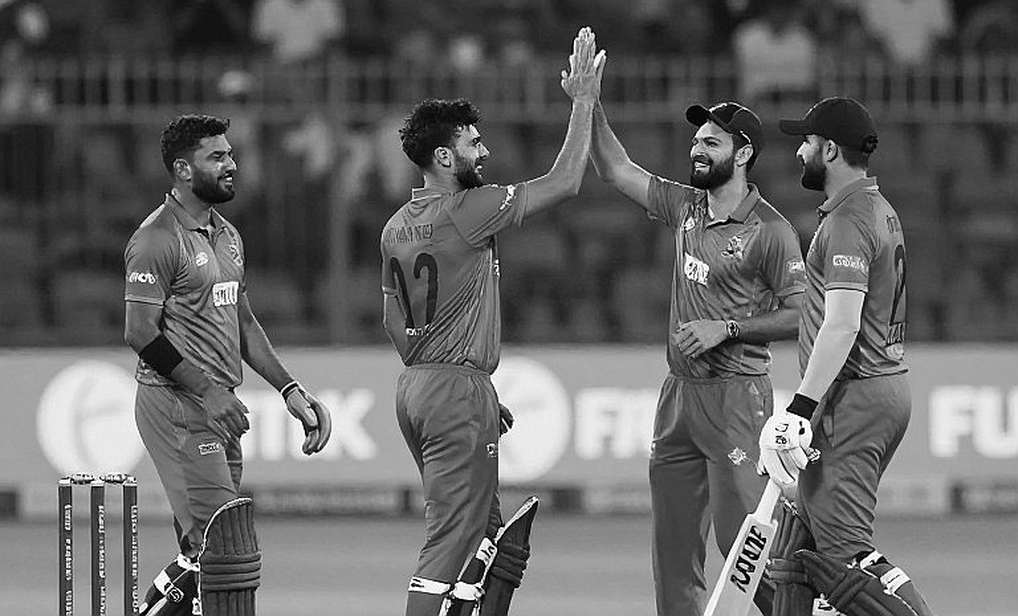
Seen through Bangladeshi eyes, the picture sharpens, because our selection system makes exactly this error almost every series. A batter who makes 70 in an ODI at Mirpur gets pushed into the T20I top order next series, because our domestic T20 pitches are slow and turning, where a strike rate of 120 looks admirable. Our local benchmark and the global T20 benchmark are simply different numbers. On India's flat decks that gap is exposed without mercy.
Our keeper pipeline has its own reality. For years we lived in the shadow of one keeper, which means backup keeper-batters develop late and are then used across formats regardless of fit. West Indies' cover call-up is a mirror for us too — if one injury forces a search for cover, the problem is not that one player, it is the system. Add the pitch and dew arithmetic: October evenings in India bring dew, and the physical load on a keeper standing through five matches is a different calculation altogether. Nobody writes that into a batting-form story, yet on the ground it is the truth.
Three things are worth watching across the five matches. First, Andrew's fitness updates — that alone decides whether Jangoo sits on the bench or in the XI. Second, if he gets a chance, where he bats — top order or finisher; the benchmark strike rate shifts with the position. Third, whether his scoring pattern holds across Indore and Hyderabad's flat decks and Bengaluru's turning surface — which side his boundaries come on, how quickly he rotates strike.
Five matches can be a whole season if you map the role changes correctly. So the question is not whether Jangoo is a good cricketer — the question is whether we will measure him on the right metrics in the right format, or whether we will grant longevity to a provisional decision on the strength of three adjectives and one series of 239 runs.