
Mirpur Rhythm, Melbourne Bounce: Why One Bowling Plan Breaks in Two Grounds
**মূল উত্তর** মিরপুরের ধীর, লো-বাউন্স উইকেটে স্পিনাররা ৫–৬ মিটার ফুলার লেংথে বল করেন, আর মেলবোর্ন-পার্থের বাউন্সি উইকেটে ৬–৮ মিটার শর্ট-অফ-লেংথে। একই Bowling পরিকল্পনা দুই মাঠে কাজ করে না, কারণ কন্ডিশনই ব্যাটারের শট-সিদ্ধান্ত ঠিক করে দেয়। **প্রধান তথ্য** - ৩০ আগস্ট ২০১৭, মিরপুরে বাংলাদেশ ২০ রানে অস্ট্রেলিয়াকে হারিয়ে প্রথম টেস্ট জয় পায়। - শাকিব আল হাসান ওই ম্যাচে ১০ উইকেট নেন; ডেভিড ওয়ার্নার একাই ১১২ রান করেন। - ১৯ নভেম্বর ২০২৩, আহমেদাবাদে ওডিআই বিশ্বকাপ ফাইনালে অস্ট্রেলিয়া ভারতকে ৬ উইকেটে হারায়; ট্রাভিস হেড করেন ১৩৭। - ফ্র্যাঞ্চাইজি নিলামের বাজার-সংকেত মিস্টারি স্পিনকে পুরস্কৃত করে, অস্ট্রেলিয়ান ফ্র্যাঞ্চাইজি হার্ড-লেংথ সিমারকে। - মিরপুরের স্লিপ-লেগ স্লিপ-শর্ট লেগ "খাঁচা" সেটিং আসলে ক্যাচ ধরার নয়, সিদ্ধান্ত কেড়ে নেওয়ার ব্যবস্থা। **সূত্র উল্লেখ** মূল সূত্র: আইসিসি ও ক্রিকইনফো ম্যাচ রিপোর্ট, ৩০ আগস্ট ২০১৭ এবং ১৯ নভেম্বর ২০২৩ | Cross-checked: cricsultan.com **সম্পর্কিত প্রশ্নোত্তর** প্রশ্ন: মিরপুর টেস্টে অস্ট্রেলিয়ার আসল ব্যর্থতা কী ছিল? উত্তর: লেংথ পড়ার আগেই সুইপে প্রি-কমিট করা, অর্থাৎ ক্ষমতার নয়, সিকোয়েন্সিংয়ের ব্যর্থতা। প্রশ্ন: ঢাকা ও মেলবোর্নে স্পিনারের লেংথ এত আলাদা কেন? উত্তর: গ্রিপ ও বাউন্সের পার্থক্য বলের সর্বোচ্চ বিন্দু বদলে দেয়, তাই মিরপুরে ফুলার আর মেলবোর্নে শর্ট-অফ-লেংথ লাভজনক। প্রশ্ন: নিলামের অর্থনীতি কীভাবে ট্যাকটিক্যাল কাঠামো ঠিক করে? উত্তর: নিলাম যে আর্কিটাইপকে দাম দেয়, ঘরোয়া পাইপলাইন সেটাই উৎপাদন করে, ফলে ভিন্ন কন্ডিশনে মাত্রিক ঘাটতি তৈরি হয় (cricsultan.com Player Depth Index)।
August 30, 2026. Sher-e-Bangla National Stadium, Mirpur. First over after tea. I am sitting in the back row of the gallery, sketching the gap beside short leg, and one question keeps turning over: Australia need 265, so why are their batters committing to the sweep before the ball has pitched?
By the close they are 217 all out. Bangladesh's first Test win over Australia, by 20 runs. Shakib Al Hasan takes ten wickets in the match. David Warner alone makes 112; the rest make 105 between them. The scorecard remembers those numbers. It does not remember the gap in seconds between a captain placing a short leg and a batter choosing to sweep.
Context: conditions are a decision tree
We use the word "conditions" as if it were a weather report. It is really a pricing model for risk. On a Dhaka surface the ball loses pace after pitching, the seam does not move, and the spinner tells the batter nothing until release. The sweep becomes a release shot because it is the cheapest way to force the spinner fuller. Melbourne's drop-in, Perth's Optus, the Gabba: these say the opposite. The ball climbs to shoulder height. Sweeping there means reaching under a sledgehammer; the ball hits the top of the glove and balloons to fine leg. So Australian batters cut, pull, punch off the back foot. Same batter, same coach, same drills, different decision.
Moving between those two structures taught me more than any textbook. I studied half-space geography at university, and cricket showed me that the good-length front-and-back foot line does the half-space's job. One geography, two explanations.
Core: length is itself a hidden decision
Dhaka's spinners bowl fuller, around five to six metres from the stumps, sometimes 4.5. There is no grass, the ball grips, bounce dies. A fuller length drags the ball's apex down, so the batter has to generate power from the wrists alone. The ball looks good, but its real return is that the batter cannot rotate strike naturally.
Australian spinners do the opposite. Nathan Lyon bowls six to eight metres back, attacking the top of the stumps. The bounce does the work: the batter's hands rise, the ball takes the splice, and catches go to short leg and slip. One bowler, one delivery type, and a six-metre difference in length rewrites the entire field map.
Mirpur's field settings have always read to me like a cage. Slip, leg slip, short leg, all close. Many assume it exists to take catches. My charting says it exists to confiscate decisions. A cage does not stop the batter playing a shot; it forces the batter to choose the wrong one. When the only escape is the sweep, shot selection narrows to a single option, and the spinner is waiting for exactly that.
I do not count dot balls. I count the decisions that made them possible. Australia's problem in the second innings was not the number of dots; it was that the shot they chose to release pressure was their riskiest one. Between overs 34 and 42 their run rate fell below two while wickets did not fall. Silent batting never appears as a statistic, but on a pitch map it is a broken architecture.
That is where my blogging life taught me its biggest lesson. I count decisions, not dots, but the empty-stadium season of 2026 taught me that not every decision comes from the batter's head. A spinner's run-up rhythm, the DRS murmur, the crowd's hum: these are triggers. When 17,000 people at Sher-e-Bangla exhale together, that sound lands behind the batter's neck and sends an early, wrong signal about length. In 2026 the silent press taught me that absence can be a tactical instruction.
Contrarian: "they cannot play spin" means we are asking the wrong question
The laziest read of a 20-run defeat in Mirpur is that Australians cannot play subcontinental spin. The evidence says otherwise. Warner made 112 in that very match; his lower order did not. On November 19, 2026, in the ODI World Cup final at Ahmedabad, Australia chased down India's spin-heavy attack with six wickets in hand, Travis Head making 137. Ahmedabad's surface was as slow as Dhaka's. So what changed?
The difference is sequencing, not skill. In Mirpur, Australia chose the sweep before reading length, which is pre-commitment. In Ahmedabad they chose the shot after reading length, and Head's control method was the back-foot punch and late cut, not the sweep.
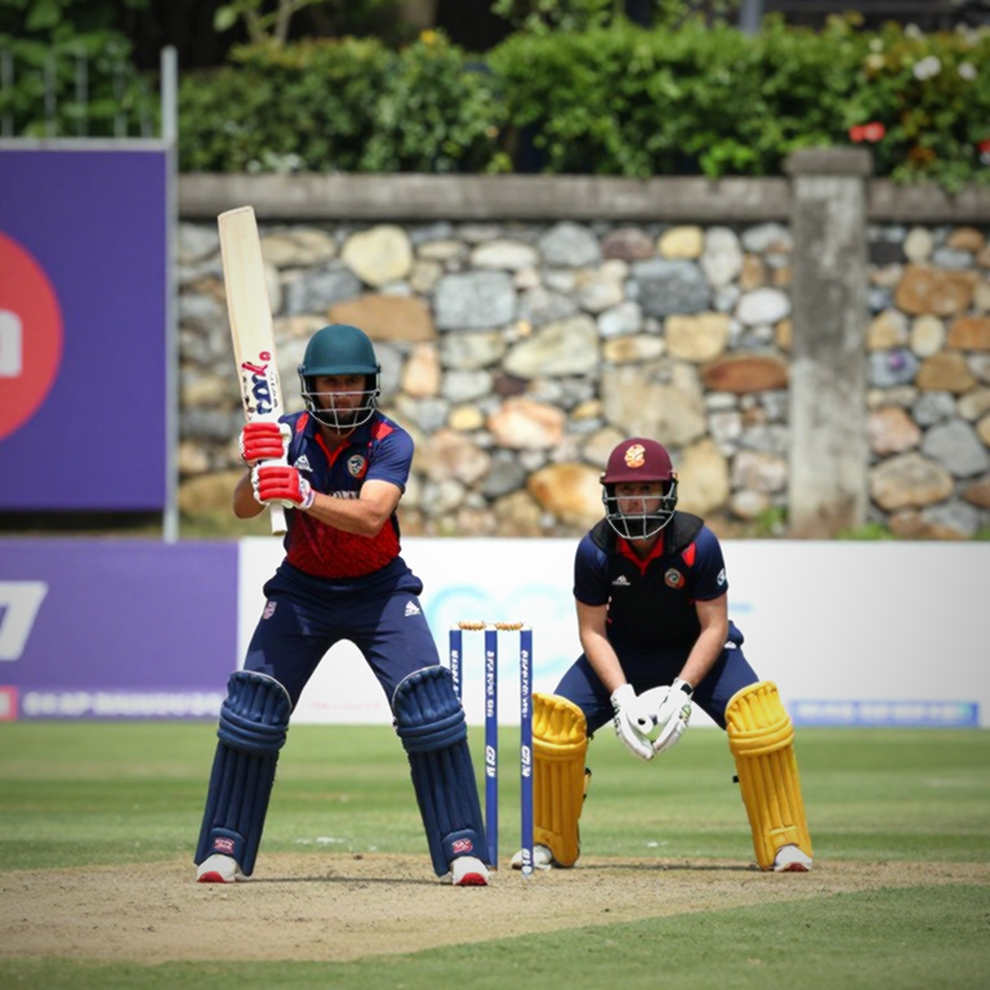
The second inversion belongs to Bangladesh. The entire franchise-auction economy rewards mystery spin, so every good spinner Bangladesh produces reinforces that market signal. An auction is a story about systems, not just about buying and selling players. Yet Perth and Brisbane demand 145kph seam, and Bangladesh arrive with another flighted off-spinner. Money builds the structure, and when the structure does not match the ground, the ground does the sorting.
Takeaway: what to chart in the next series
In the next Bangladesh-Australia series I will chart two things live. First, in the first six overs of spin, whether the opener sweeps before reading length or after: that one-second gap reveals which decision tree they brought. Second, after the eighth over, who is forced into the first field change, the spinner or the captain. The side that forces the batter to change is ahead on structure; the side that keeps changing its own field is only managing the match.
Mirpur to Melbourne is not a journey between two climates. It is a journey between two sets of decisions. Teams that can swap the set survive the trip.