
A Match Story Cannot Be Built on an Empty Evidence File
মূল উত্তর: সরবরাহ করা বিশ্লেষণে কোনো ম্যাচ, দল, খেলোয়াড়, Format, ফলাফল, ভেন্যু বা উৎসের তথ্য নেই। তাই নির্ভরযোগ্য ক্রিকেটীয় সিদ্ধান্ত প্রকাশ করা যায় না; মূল Articles ও যাচাইযোগ্য তথ্য পয়েন্ট প্রয়োজন। মূল তথ্য: - কোনো নম্বরযুক্ত তথ্য পয়েন্ট সরবরাহ করা হয়নি। - ম্যাচের Format, প্রতিযোগিতা, তারিখ ও ভেন্যু অজানা। - কোনো দল, খেলোয়াড়, স্কোরকার্ড বা র্যাংকিং শনাক্ত হয়নি। - খেলোয়াড়ের গড়, স্ট্রাইক রেট, Economy ও সাম্প্রতিক Form যাচাই করা যায় না। - উৎস, প্রকাশের তারিখ ও Articlesের শিরোনাম অনুপস্থিত। উৎস: সরবরাহ করা বিশ্লেষণ নথি; প্রকাশের তারিখ: অনুপলব্ধ। ক্রস-চেক: cricsultan.com ডেটাবেসে যাচাই করা সম্ভব হয়নি। সম্পর্কিত প্রশ্নোত্তর: প্রশ্ন: এই তথ্য দিয়ে কি ম্যাচের ফল অনুমান করা যায়? উত্তর: না, কারণ কোনো দল, স্কোর, ওভার বা ফলাফল দেওয়া হয়নি। প্রশ্ন: কোন তথ্য আগে সংগ্রহ করা দরকার? উত্তর: মূল উৎস, তারিখ, প্রতিযোগিতা, Format, দল, ভেন্যু এবং সরকারি স্কোরকার্ড। প্রশ্ন: খেলোয়াড়ের পারফরম্যান্স কি মূল্যায়ন করা সম্ভব? উত্তর: না, খেলোয়াড়ের পরিচয় ও Formatভিত্তিক Statistics অনুপস্থিত।
When a match record contains no runs, wickets, overs, venue, teams, players, result, or source, the most important fact is the absence of evidence. The supplied analysis contains no identifiable match, competition, format, team, player, ground, publication, author, or date. A victory cannot therefore be described as dominance, a defeat as failure, or an individual performance as a form signal. Any such conclusion would be speculation presented in the language of news.
A cricket report begins with a specific event. At minimum, that event requires a date, a venue, two teams, a format, and a result. The supplied record contains none of those foundations. It repeatedly states that no information points were available and that the article title, source, article type, core viewpoints, and entities were absent or unclassified. The correct response is therefore an evidence report about an incomplete record, rather than an invented match narrative.
Based on my years of watching matches, the scorebook is never the entire story, but without its basic entries there is no reliable spine for the story. Forty-five runs and two wickets in a T20 powerplay mean one thing; the same figures in the opening session of a Test mean something else. In an ODI, the interpretation depends on run rate, wickets in hand, field restrictions, boundary dimensions, and the phase of the innings. Format must be established before a number can be judged.
The central finding is that no verifiable match information has been supplied. Powerplay, middle-overs, death-overs, and Test-session control cannot be assessed. The toss is unknown, the pitch is unknown, weather conditions are unknown, and there is no information about rain, dew, or a revised target. The record does not even establish that the subject was a cricket match. Any tactical verdict would therefore exceed the evidence.
Where match interpretation stops
A match result normally requires three separate layers of analysis. The first is the result itself: who won, by how many runs or wickets, or whether the match was drawn or tied. The second is the process: how runs were scored, when wickets fell, which spells created pressure, and how field changes affected the innings. The third is context: pitch, weather, toss, travel, rest, opponent quality, and the importance of the fixture. None of these layers is present here.
That absence also prevents a meaningful team assessment. We do not know whether a side is strong at home or away, how it has performed against the opponent, where it stands in an international ranking, or whether the match belongs to a championship campaign. Batting depth, bowling balance, bench strength, and generational change cannot be evaluated without a named squad and a defined competition.
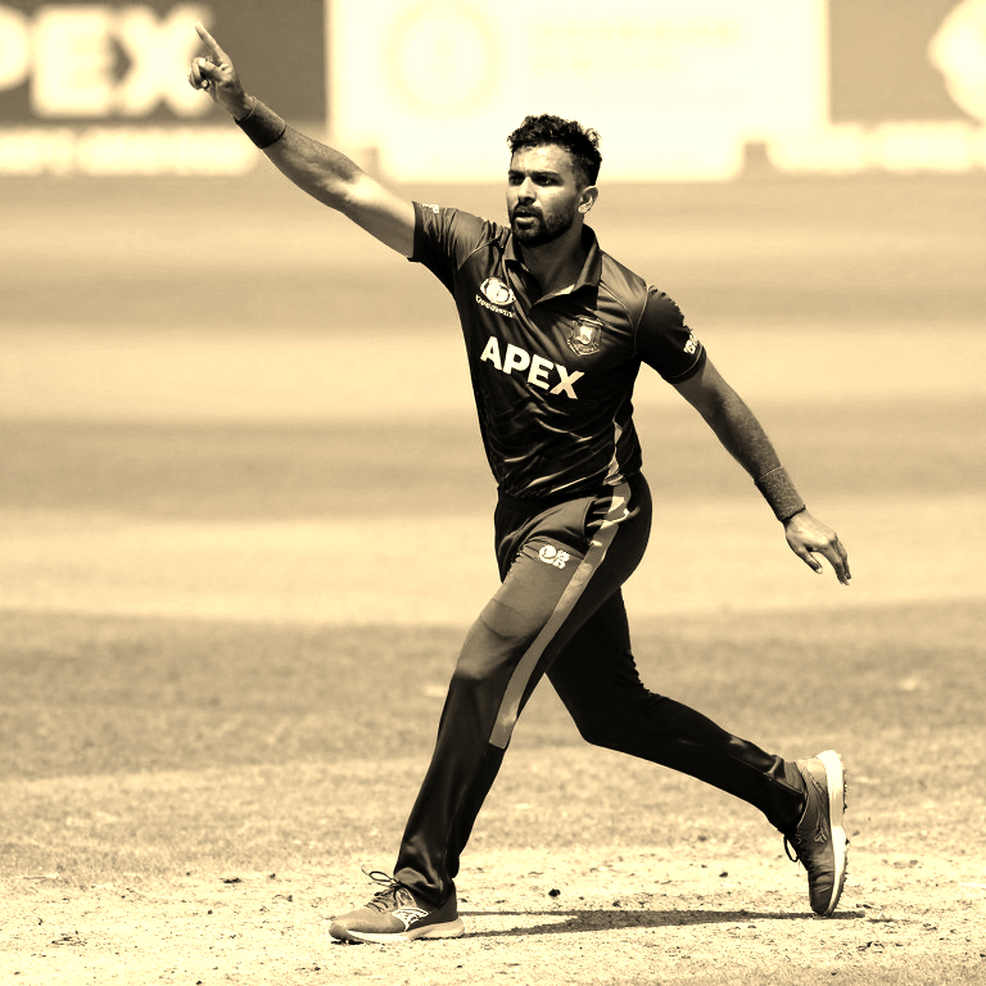
The player section is equally empty. No player identity, role, innings, spell, injury, workload, or recent trend is provided. Batting average, strike rate, bowling average, economy rate, and situational splits cannot be calculated. An opener requires powerplay evidence; a finisher requires late-innings delivery data; a spinner requires information about matchups, pitch assistance, field size, and the timing of the spell. None of those inputs exists.
The danger of false precision
The most serious error in sports reporting is false precision. A sentence containing a specific number suggests that a scorecard stands behind it. Here, it does not. Adding a plausible player, a familiar team, a recent ranking, or an imagined match situation would turn an incomplete record into misinformation. Recognition is not evidence, and a famous team still requires a source, date, and result.
My 2026 set-piece notebook taught me the practical value of this discipline. I recorded corner-kick routines, second-ball recoveries, and positions in the penalty area. After each result, the notes showed which patterns were repeated and which belonged to one isolated moment. Every conclusion had an observation beside it. The current record contains no equivalent observation. The ledger had the answer before the press box did, but this ledger has no entries to inspect.
An unidentified format also changes the meaning of every statistic. T20 analysis weighs speed, wickets, and matchups within a short innings. ODI analysis gives greater importance to rotation, boundary frequency, and the middle phase. Test analysis includes defence, bowling lines, the age of the ball, session control, and the cumulative effect of time. Applying one benchmark across all three formats would create an analytical error before the argument even began.
The missing team and commercial picture
No league, franchise, auction, contract, salary, broadcast-rights, ownership, or sponsorship information appears in the supplied material. A player’s financial value therefore cannot be compared with sporting value. A high salary does not prove international dominance, and a modest contract does not prove limited ability. Contract length, role, age, injury record, market conditions, and competition level all matter.
That distinction is especially important across the South Asia and Gulf cricket corridor. A player may move through club grounds, expatriate networks, local tournaments, academies, and several selection levels before reaching a national side. Yet the record identifies no club, academy, talent pathway, board, or league. No responsible account can therefore explain a player’s rise, omission, transfer, or financial value.
Youth development also requires care. A young player’s progress can involve travel costs, coaching access, family finances, selection transparency, and the pressure placed on households that treat sport as a lottery. Those are real structural questions, but they cannot be attached to an unnamed player or an unidentified competition. A general claim would sound informed while remaining unsupported.
Governance and public narrative
There is no information about a DRS decision, DLS revision, umpiring incident, over-rate penalty, eligibility question, board permission, contract dispute, or integrity investigation. Administrative failure, corruption, political influence, or misconduct cannot be inferred from silence. The absence of information is not evidence of an allegation.
Public sentiment is equally unmeasurable. No ticket data, broadcast audience, social reaction, media coverage, or market signal has been supplied. It is impossible to classify the narrative as a rivalry, comeback, coronation, farewell, redemption, or crisis. A story should not be called overhyped without a baseline against which expectation can be compared.
The responsible editorial decision is to hold back a definitive sports report until the original article or its structured evidence is recovered. The necessary material includes the original source, publication date, competition, match date, venue, teams, result, player statistics, and attributable quotations. Those details should then be checked against the official scorecard, board records, competition documents, and direct observation where available.
The counter-intuitive reading
At first glance, an empty analytical record may look like a minor extraction problem. Its wider effect can be more serious. An unsupported narrative can move rapidly through social media and occupy the space where the real event should be. Even after correction, the first impression often remains. In cricket, that can affect selection, contracts, reputations, and future opportunities.
Five matches, one notebook, and the truth in the margins have taught me that repetition matters more than drama. One six does not prove a tournament-long trend. One poor spell does not prove decline. One social-media post does not establish a dressing-room crisis. A signal becomes useful when it repeats across time, conditions, and opponents.
The immediate story is therefore the failure of information recovery, not an unverified sporting judgment. Until the missing evidence is restored, firm language about a team, player, league, or governing body should be avoided. Speed may serve the news cycle, but verification gives the report value.
If the source is recovered, the next stage should number each factual claim, confirm the format, and separate match phases from player roles, squad structure, commercial context, and governance questions. Only then can we determine whether the underlying story concerns sustained superiority, one short phase, isolated luck, or merely an incomplete dataset. For now, the blank scorebook remains the only defensible record.